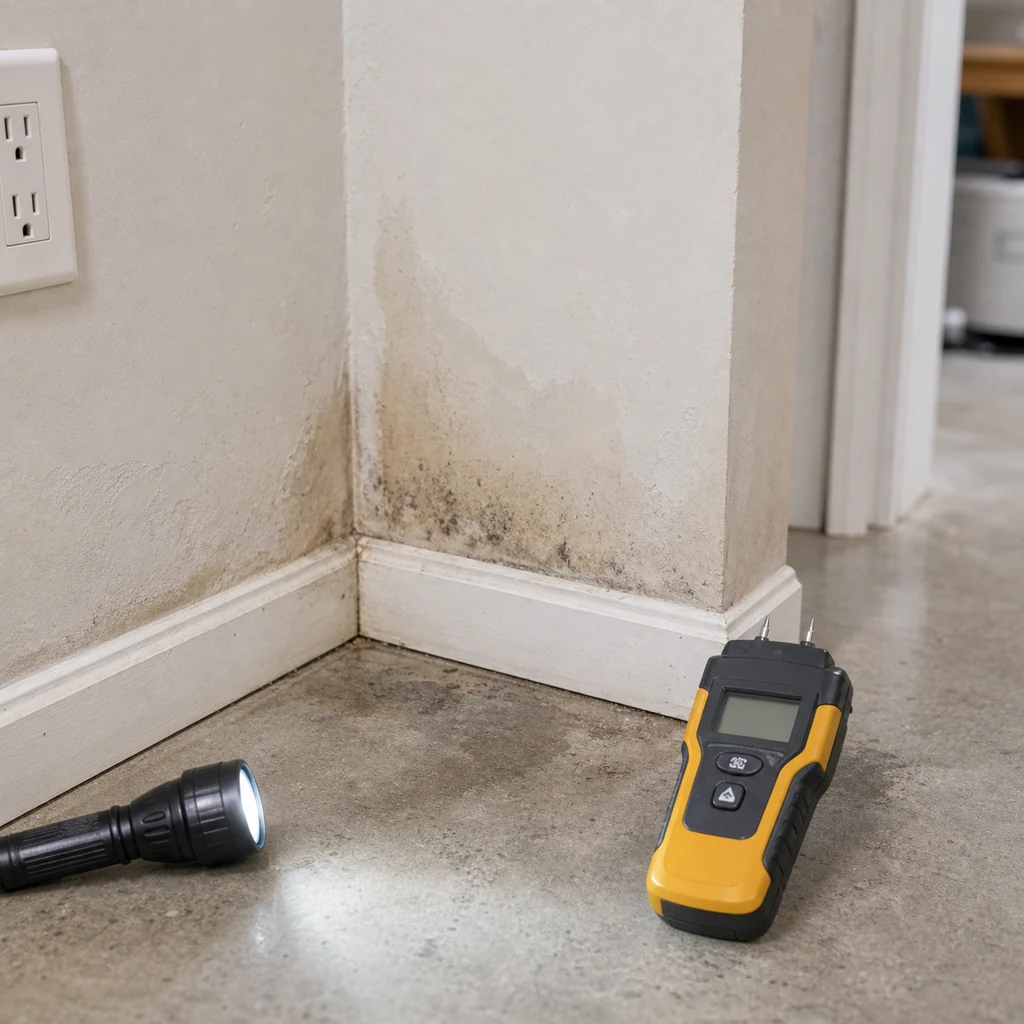
Basement cold wall condensation
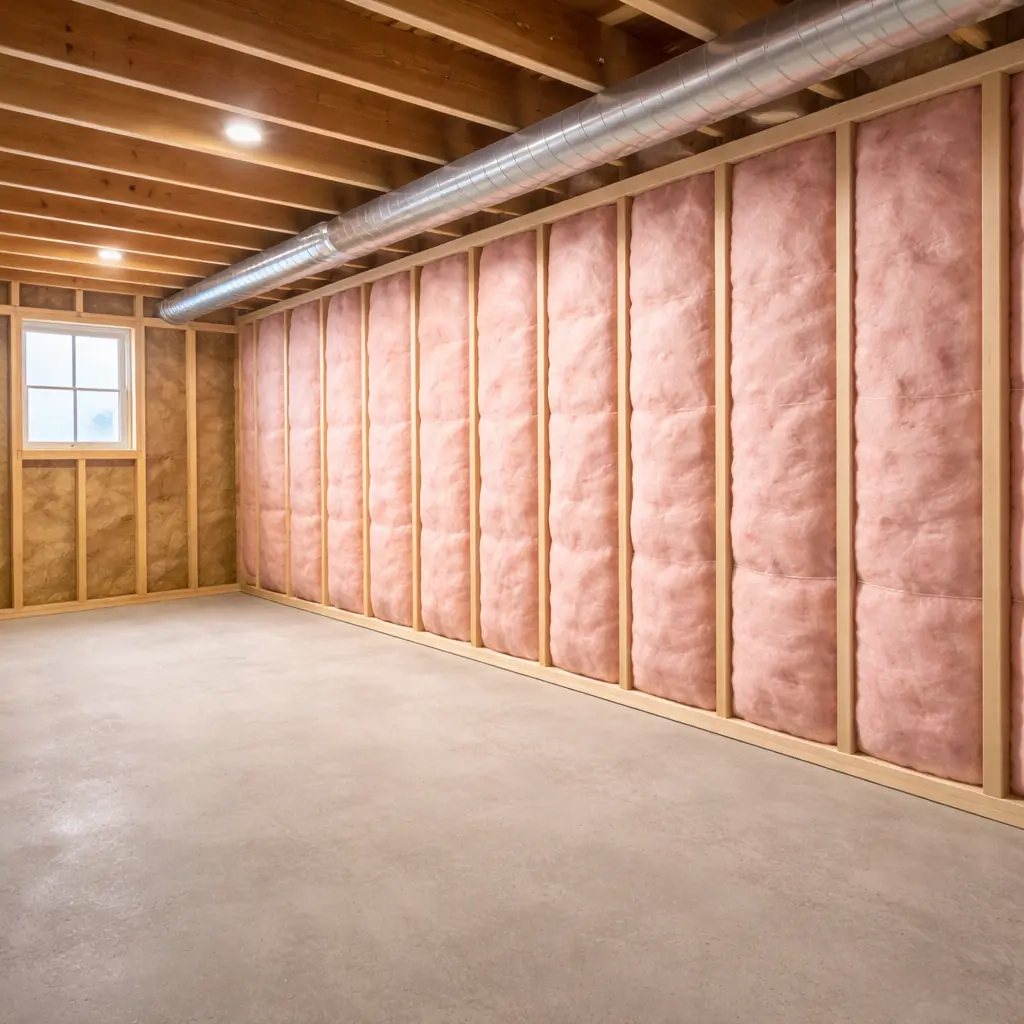
Basement cold wall condensation? Separate sweat from leaks with humidity, wipe-pattern, and weather timing before coating the wall.
Start with water location, cracks, stains, wall movement, floor drains, or moisture patterns before choosing a repair path.
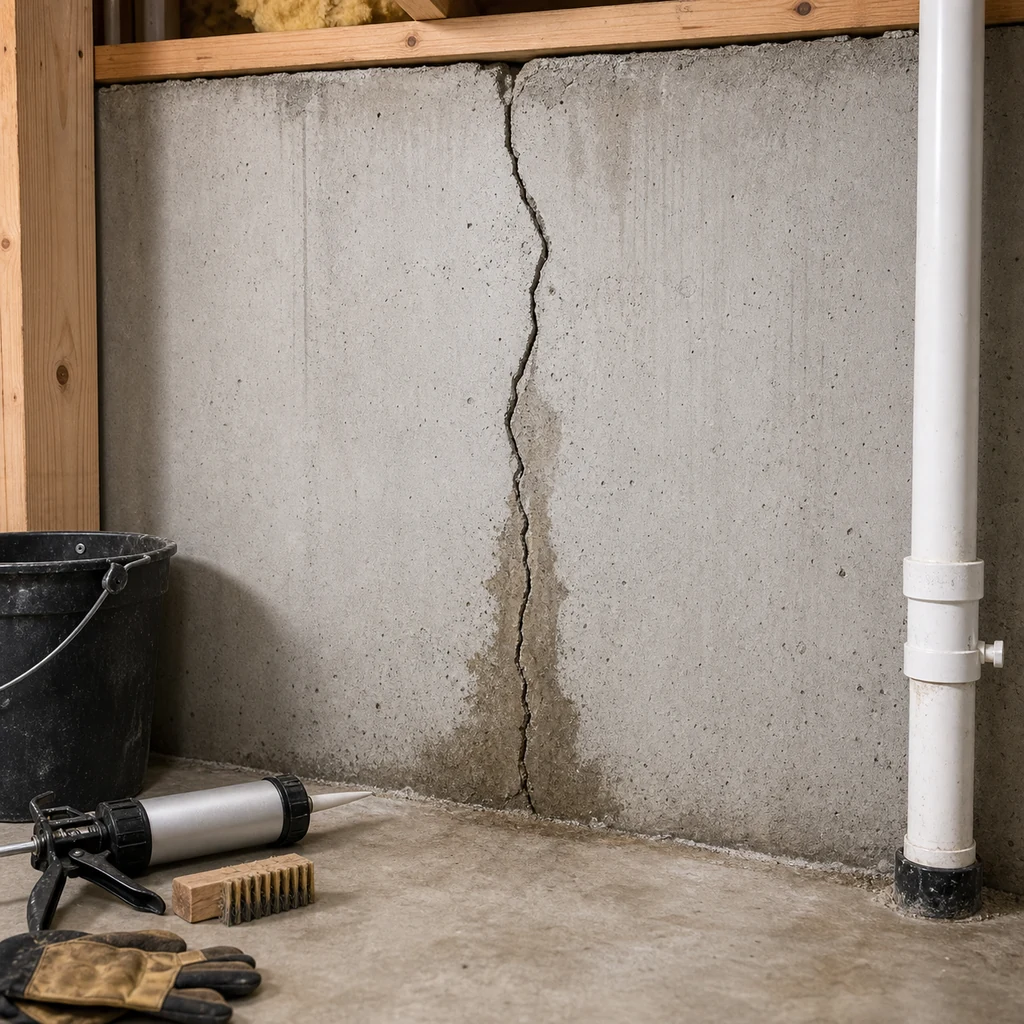
Basement cold wall condensation? Separate sweat from leaks with humidity, wipe-pattern, and weather timing before coating the wall.
Basement cove joint leak? Reduce outside water pressure first, then check drainage, rain timing, and seep pattern before patching.
Basement floor cracked? Sort shrinkage, settlement, heave, and water pressure by checking width, offset, moisture, and movement first.
Basement floor leaking? Find the first wet point, then separate seepage, condensation, cove-joint leaks, and slab cracks before patching.
Basement floor puddle after snow melt? Trace thaw runoff, cove seepage, and condensation before patching the floor.
Basement floor slick with condensation? Check humidity, slab temperature, wipe pattern, and seepage clues before sealing the floor.
Basement floor sweating? Prove humid air is condensing on a cool slab before using sealer, fans, or crack filler.
Basement foundation wall frost? Separate frozen condensation from crack, corner, and cove-joint leak patterns before insulating.
Growing basement hairline crack? Measure width, moisture, drainage, and movement before patching or injection.
Basement leak after heavy rain? Find the highest wet point, drainage path, cove-joint clue, and window-well source before patching.
Basement leak near an oil tank? Identify water versus fuel, avoid unsafe cleanup, then trace seepage, condensation, or drainage.
Basement leak only in spring? Trace snowmelt, saturated soil, roof runoff, and window-well water before sealing the foundation.
Basement odor worse after rain? Trace damp cove joints, floor drains, hidden storage moisture, and humidity before deodorizing.
Basement puddle near a foundation wall? Find the first wet point and separate cove seepage, wall cracks, condensation, or drain issues.
Basement seepage only in spring? Check thaw pressure, saturated soil, snow piles, downspouts, and window wells before sealing.
Basement slab-wall joint wet? Separate cove seepage, condensation, and nearby leaks by timing and first wet point before sealing.
Basement stair-step crack worsening? Check offset, wall movement, moisture, and drainage pressure before any patch or coating.
Basement standing water on slab? Sort seepage, drain backup, plumbing, utility leaks, or condensation before cleanup or sealing.
Basement wall bulging? Check bowing, offset, cracks, moisture, and outside water pressure before patching or covering the wall.
Basement wall cold and wet? Separate condensation from seepage with humidity, surface beads, wall temperature, and first wet point checks.
Basement wall condensation behind a shelf? Open the air gap, check humidity, wall temperature, and leak lookalikes before sealing.
Basement wall crack leaking? Prove the crack path, check movement, cove-joint lookalikes, and outside drainage before patching.
Basement wall crack opens in winter? Track width, wall plane, moisture, snow load, and drainage before sealing.
Basement wall cracked? Check wall movement, moisture, crack pattern, and drainage before patching or buying foundation products.