Block-wall movement check

Basement Stair-Step Crack Worsening: Check Wall Movement

A worsening stair-step crack is usually a wall-movement clue, not a paint-and-patch job. First check offset, width change, dampness, and bowing; good clue: a crack that widens after storms points to pressure.

The usual drivers are outside water pressure, poor drainage, saturated soil, or settlement that is still moving the block wall.

Watch for bulging, displaced block, fresh dust, or stair-step growth. Those signs move the job from cosmetic repair to foundation evaluation.

Don’t start with: Do not start with mortar smear, caulk, or waterproof paint. Those hide movement and can delay the repair that actually matters.

Crack is offset or bulging?Stop DIY patching and get the wall evaluated.
Worse after rain?Check drainage and soil pressure at the matching outside wall.

Safety check

  • Stop for standing water near electrical equipment, outlets, cords, or panel access.
  • Call a pro for bowing walls, stair-step cracks, slab heave, widening cracks, or water under pressure.
  • Do not grind, chip, or coat unknown painted concrete without dust and coating controls.
  • Do not hide the first wet point behind paint, flooring, shelving, or paneling.
  • Use waterproof gloves around wet masonry, dirty water, and cleanup towels.
  • Escalate sewer odor, oily residue, contaminated water, or water that returns after drainage corrections.
  • Treat bulging, offset block walls and worsening stair-step cracks as foundation evaluation issues, not cosmetic patching.
Last reviewed: 2026-06-29

Fast stair-step crack sorter

One side pushed in?

Treat it as wall movement.

Bowing block wall?

Stop DIY and call a foundation pro.

Wet after storms?

Trace outside water pressure first.

Flat and unchanged?

Monitor before cosmetic repair.

Keeps reopening after patch?

The movement source is still active.

Check movement before covering the crack

A stair-step crack needs wall-plane, moisture, and outside-pressure checks.
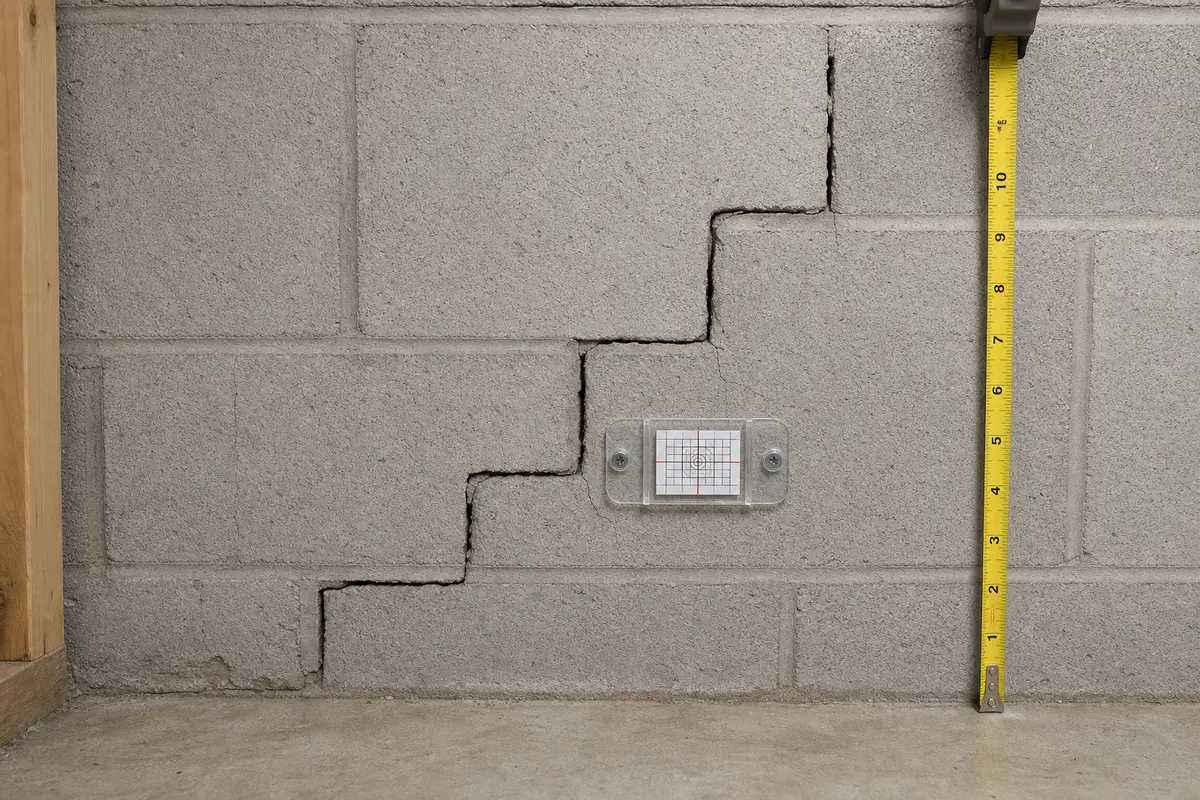
Basement block wall stair-step crack with crack monitor gauge
Monitor active cracks instead of hiding them.
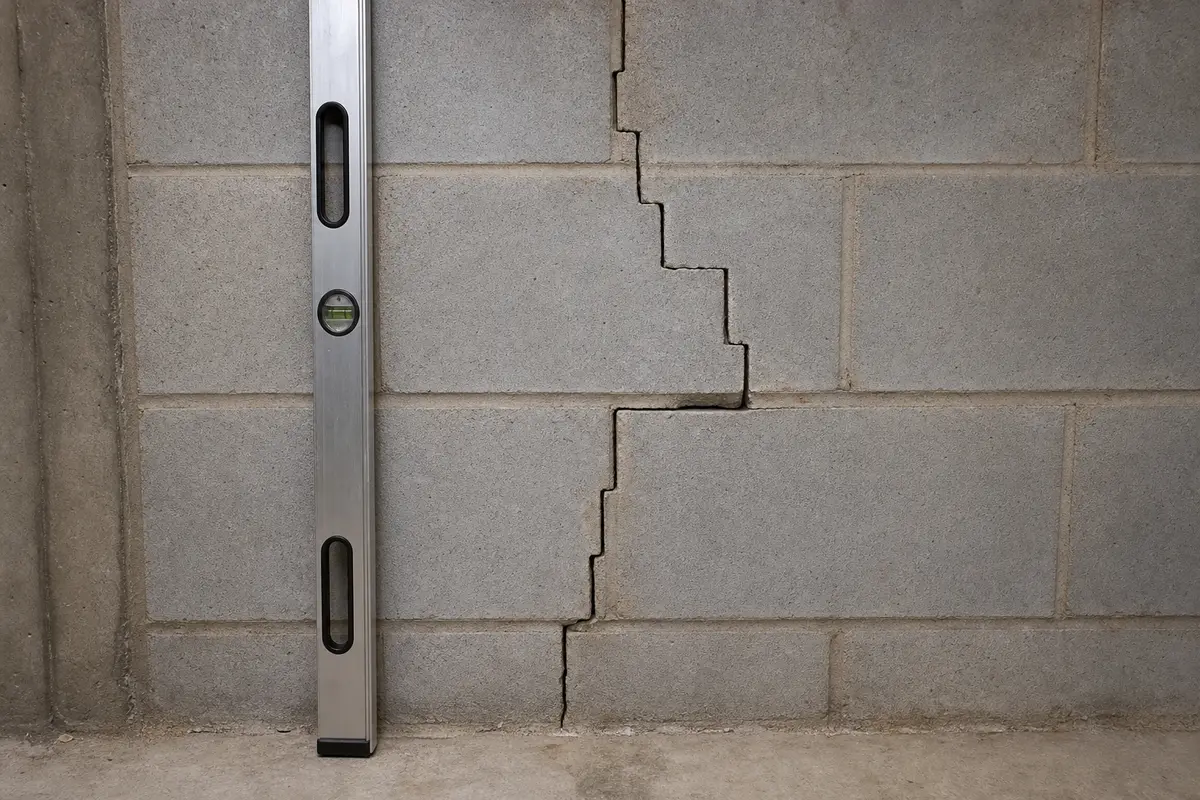
Straightedge checking offset along a basement stair-step crack
Offset or bulging changes the job from patching to evaluation.
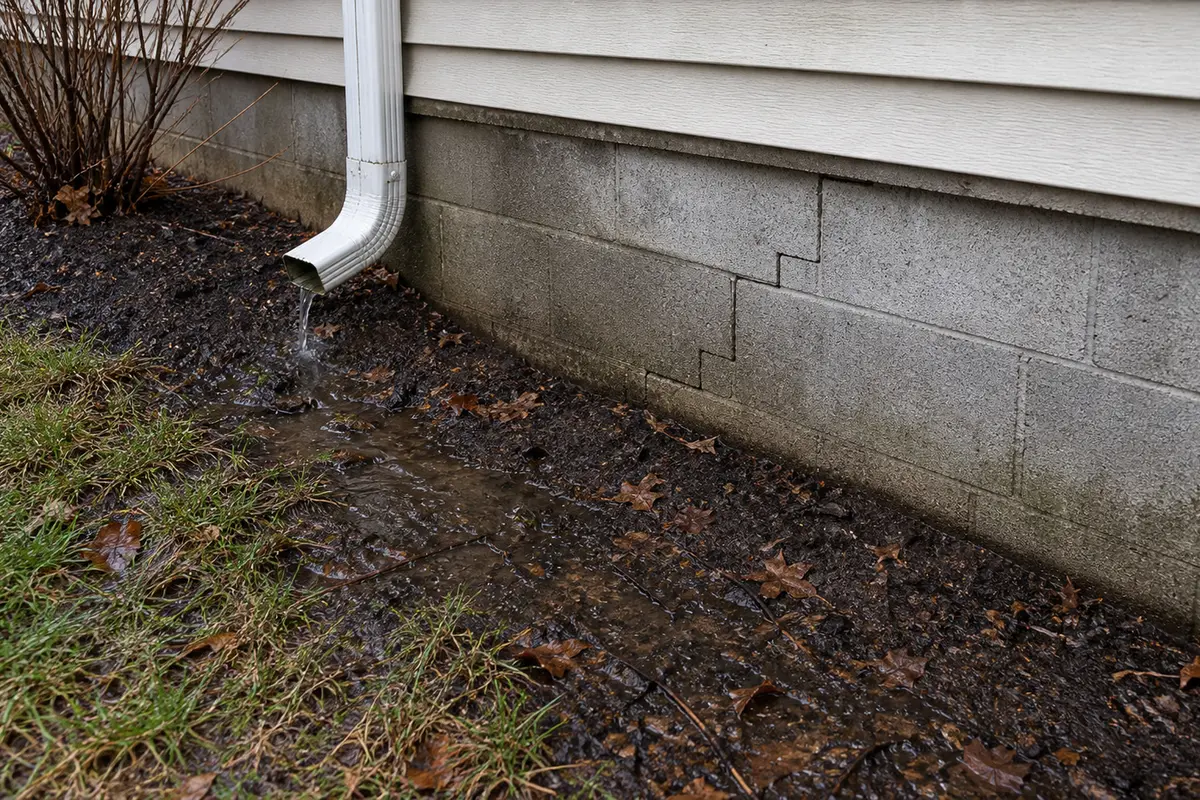
Wet soil and short downspout near a block foundation wall
Outside water pressure can worsen block-wall cracking.

Before you buy stair-step crack supplies

Match the exact diagnosis before shopping. Confirm wall plane, offset, water timing, crack growth, drainage, and whether the wall needs evaluation before any repair material.

What the crack pattern means

Stair-step cracks follow masonry joints, so movement can look tidy at first.

  • First check: compare width, offset, wall bowing, and water stains.
  • Watch for a flat crack that becomes wider after storms or thaw.
  • Common warning signs are offset blocks, a bulging wall plane, and wet mortar along the stair-step path.
  • Repeated reopening after patching means the movement source remains.
  • Water staining at the crack points to drainage and pressure checks.
  • Good clue: the crack follows mortar joints but the wall still reads flat and dry over repeated checks.
  • Watch for offset block faces, widening joints, or damp staining because those signs change the repair path.

What not to do first

Surface repair can hide the best evidence.

  • Do not smear mortar over an active stair-step crack.
  • Do not paint the wall before checking wall plane.
  • Do not store heavy items against a bulging wall.
  • Do not assume a dry day proves the wall is stable.
  • Do not delay evaluation if the wall is offset, bowing, or widening fast.

Fast checks

Use a repeatable wall check before repair materials.

  • Hold a 4-foot level or straightedge across the wall near the crack.
  • Photograph the same crack with scale after rain, thaw, and dry weather.
  • Mark endpoints and compare whether the crack grows across blocks.
  • Look for downspouts, low grade, and wet soil at the matching outside wall.
  • Use a moisture meter near stained mortar and a dry control area.
  • Good clue: the same measurement points stay unchanged across several checks.
  • Watch for outside downspouts, low grade, or saturated soil aligned with the cracked wall.

Repair path

Repair starts with stability, not cosmetics.

  • Call a foundation pro for bulging, offset, or worsening stair-step cracks.
  • Move roof water away from the matching wall while evaluation is planned.
  • Use monitoring only for flat cracks without urgent movement signs.
  • Patch cosmetic mortar only after the wall is proven stable.
  • Keep the crack visible; if it changes through trigger weather, stop patching and escalate.
  • Good clue: drainage correction comes before any cosmetic masonry work when water pressure is part of the pattern.

Replacement Parts

Use these only to document movement or reduce water load; do not hide an active stair-step crack.
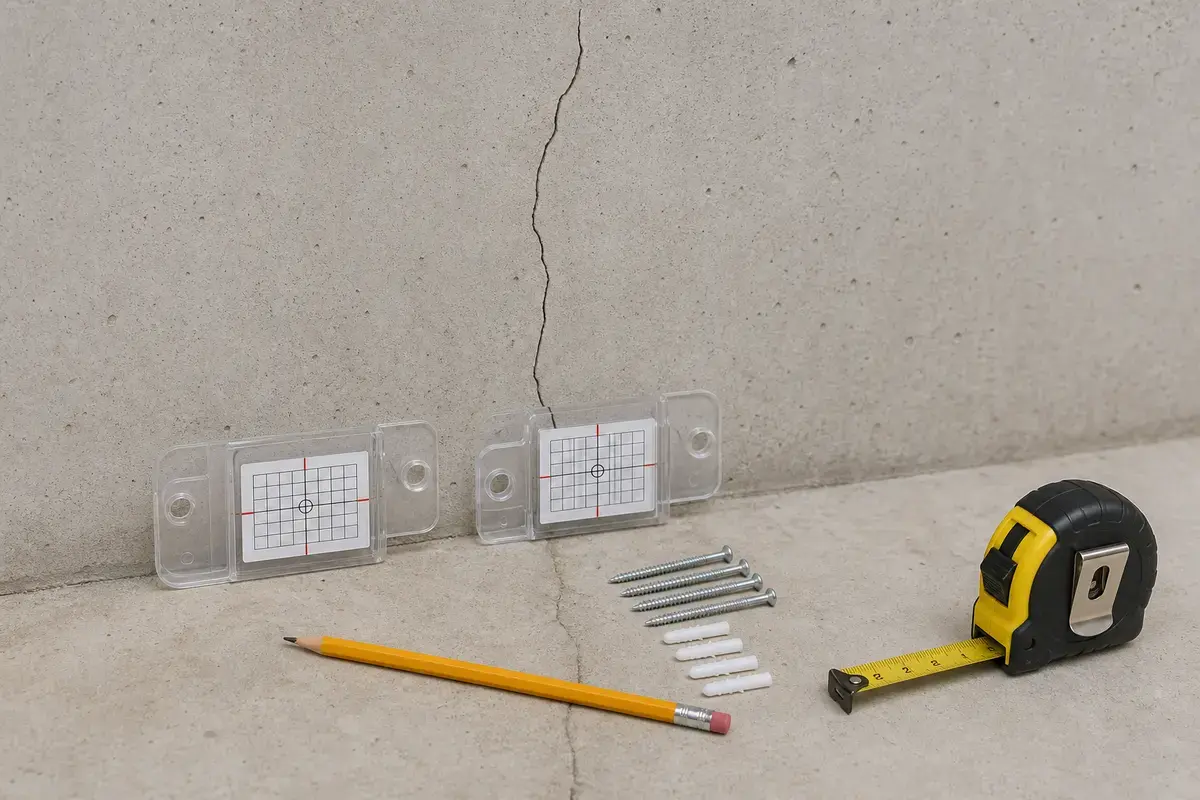
Crack monitor gauge placed across a worsening basement stair-step crack

Crack monitor gauge

Helps when: Use a crack monitor gauge to track whether the stair-step crack is still widening.

Skip it when: Skip cosmetic patching if the gauge shows movement or the wall is offset.

Compare crack monitor gauges on Amazon
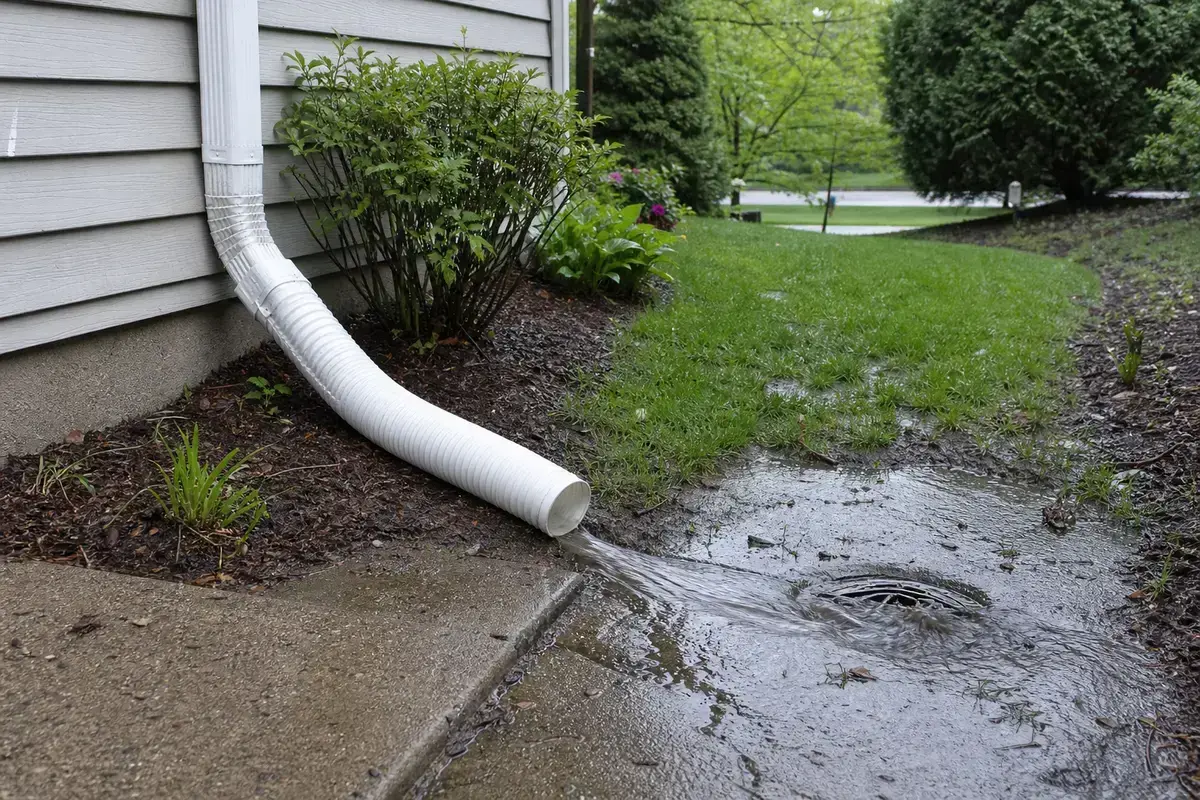
Downspout extension carrying runoff away from a cracked basement wall

Downspout extension

Helps when: Use a downspout extension when roof runoff lands beside the cracked wall after storms.

Skip it when: Skip interior masonry repair first if outside water is still loading that foundation section.

Compare downspout extensions on Amazon

As an Amazon Associate I earn from qualifying purchases. Repair Riot may earn a commission at no extra cost to you.

Tools You May Need

Use these tools to document wall shape, crack growth, and moisture before repair decisions.
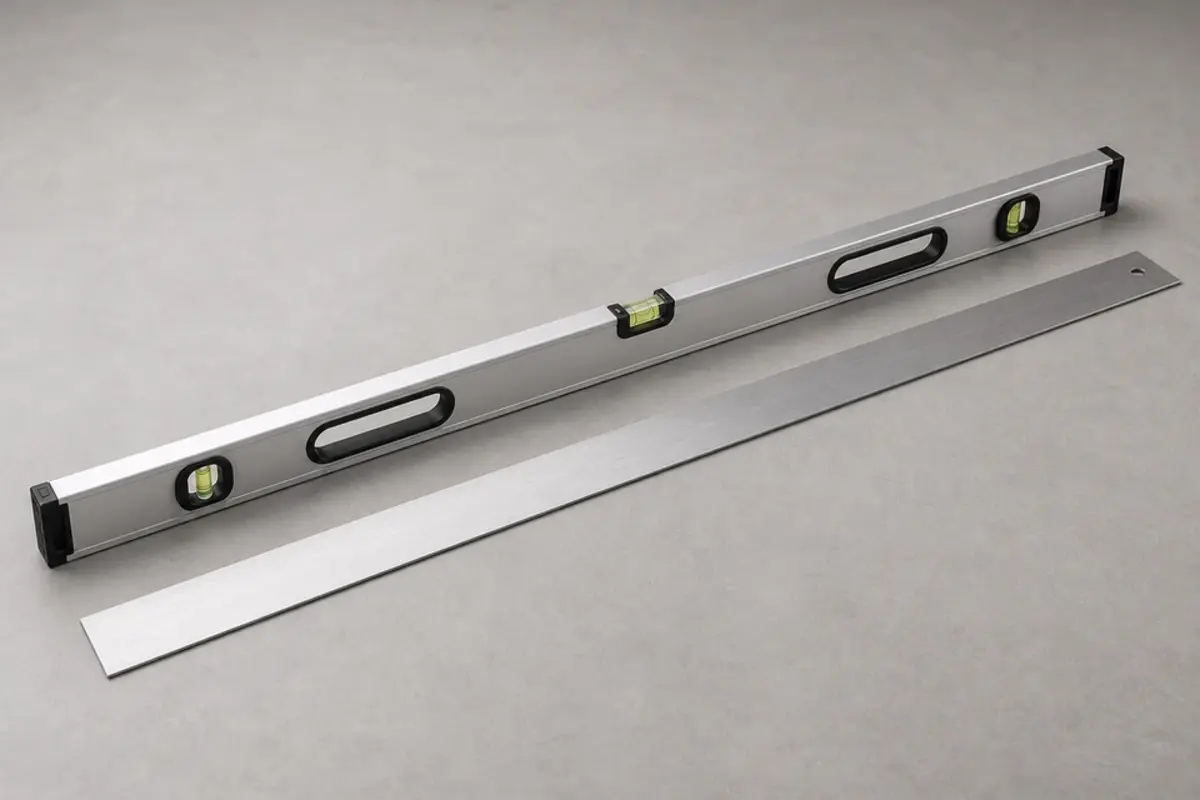
Straightedge checking offset across a basement stair-step crack

4-foot level or straightedge

Helps when: Use a 4-foot level or straightedge to check whether block faces are bowed or offset across the crack.

Skip it when: Skip guessing by eye; repeatable straightedge checks make movement easier to compare.

Compare 4-foot levels and straightedges on Amazon
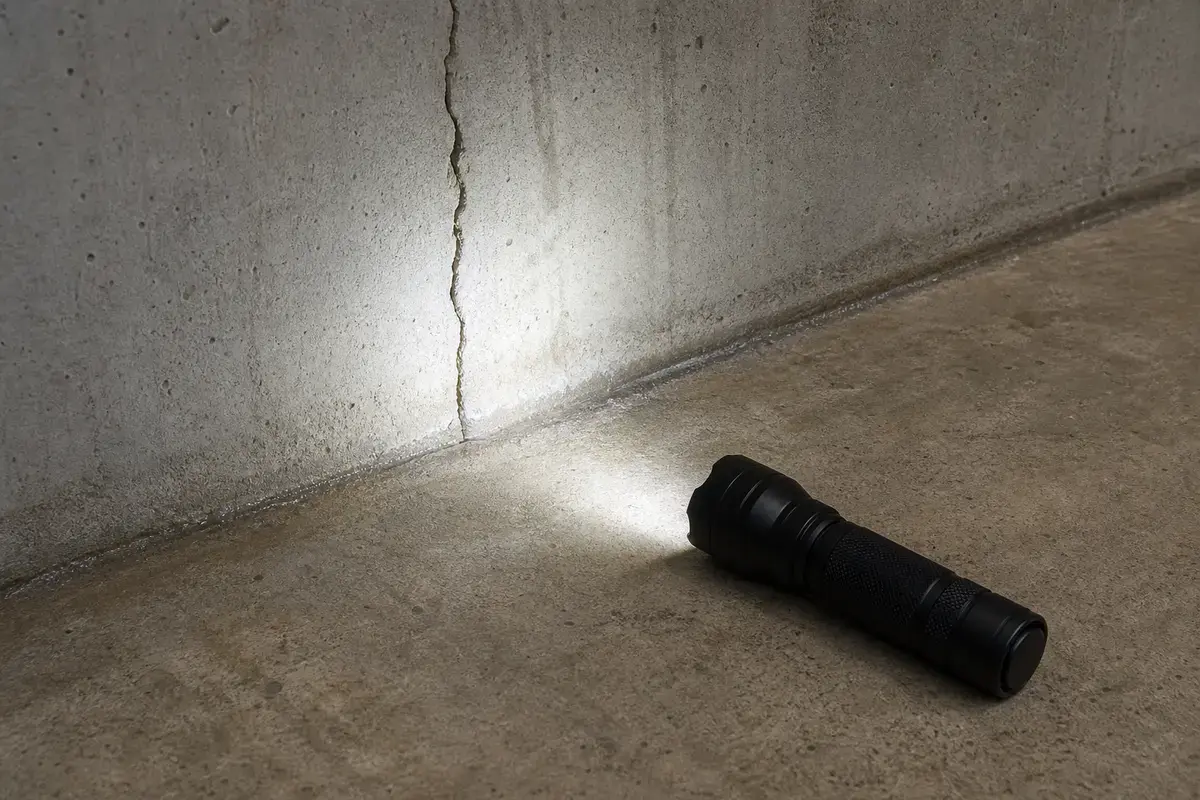
Inspection flashlight aimed at a basement stair-step crack

Inspection flashlight

Helps when: Use an inspection flashlight to see crack edges, damp staining, and mortar displacement clearly.

Skip it when: Skip close inspection if water, unstable storage, or electrical hazards make the area unsafe.

Compare inspection flashlights on Amazon
Measuring tape beside a basement stair-step crack

Measuring tape

Helps when: Use measuring tape to record crack length, location, and repeat measurement points.

Skip it when: Skip freehand notes because worsening cracks need dated, repeatable measurements.

Compare measuring tapes on Amazon
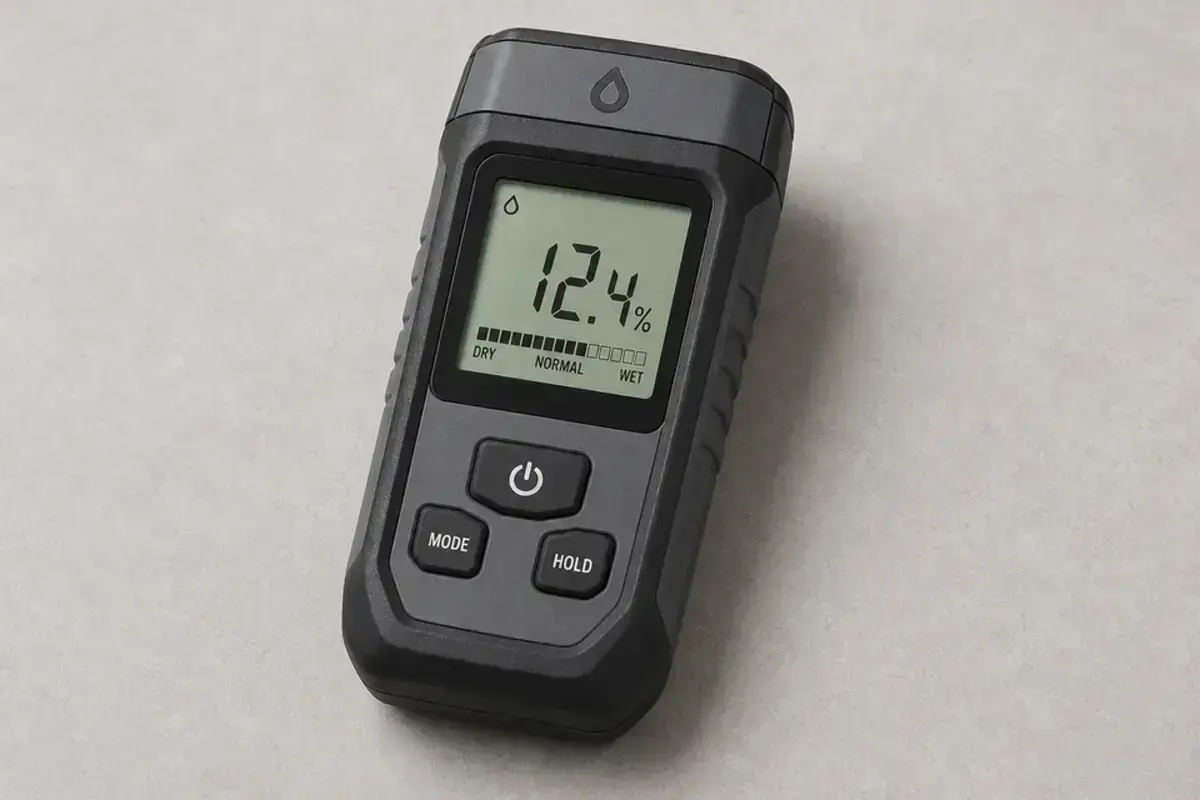
Pinless moisture meter checking moisture near a basement stair-step crack

Pinless moisture meter

Helps when: Use a pinless moisture meter to compare damp readings near the crack with dry control areas.

Skip it when: Skip assuming the crack is dry if staining or storm timing suggests seepage.

Compare pinless moisture meters on Amazon

As an Amazon Associate I earn from qualifying purchases. Repair Riot may earn a commission at no extra cost to you.

FAQ

Is a stair-step crack serious?

It can be. A flat old crack may only need monitoring, but a worsening, offset, wet, or bulging crack needs evaluation.

Can I patch it with mortar?

Only after the wall is proven stable. Mortar over active movement will crack again and hide evidence.

What outside checks matter?

Downspouts, gutter overflow, low grade, patios, walks, and wet soil at the matching exterior wall.

When should I call a pro?

Call for bulging, offset blocks, rapid widening, repeated seepage, slab heave, or cracking that keeps reopening.

How do I check if the wall is moving?

Use a straightedge or level across the wall, photograph the same crack with scale, and compare after rain, thaw, and dry periods.

Should I cover the crack with shelving?

No. Keep worsening cracks visible until the wall is evaluated or proven stable through the same trigger conditions.

Can water pressure make a stair-step crack worse?

Yes. Good clue: if the crack widens or wets after storms, outside drainage and saturated soil are part of the diagnosis.

How long should I monitor a flat crack?

Watch for change through the same rain, thaw, or dry-weather cycle before treating it as cosmetic.

How this guide was built

Repair Riot built this page around stair-step crack clues: wall plane, offset, repeat measurement, water stains, drainage pressure, and stop-DIY warning signs.