Broad patch across concrete?
Check humidity and cold-surface condensation first.
Frost on a basement foundation wall is usually indoor moisture freezing on a cold concrete surface, but the pattern decides the fix. Broad frost points to condensation and air leakage; frost following one crack, corner, or cove joint needs a seepage check.
High basement humidity, cold rim joist leakage, blocked air movement behind storage, or an underinsulated foundation edge are the common causes.
Good clue: broad white frost behaves differently from a narrow frost line that tracks one crack or corner. Map it while it is still visible.
Don’t start with: Do not paint, panel, insulate, or seal over frost. Let the pattern tell you whether this is condensation, an air leak, a crack, or active water entry.
Check humidity and cold-surface condensation first.
Check for seepage, width change, and wall movement before sealing.
Look for cold air leakage and missing air sealing.
Move items away, dry the area, and improve air circulation.
Trace the water path before insulation or paneling.
Frost shape, crack alignment, and rim-joist temperature decide the repair path.
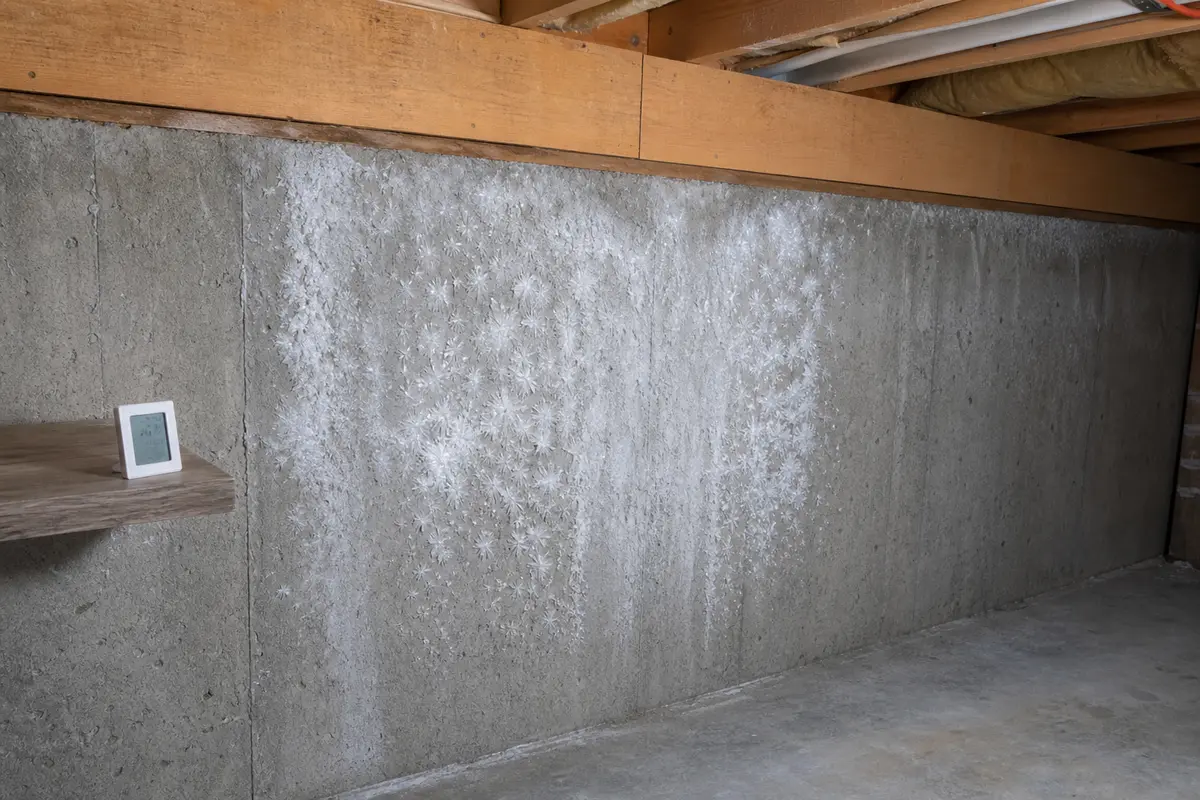
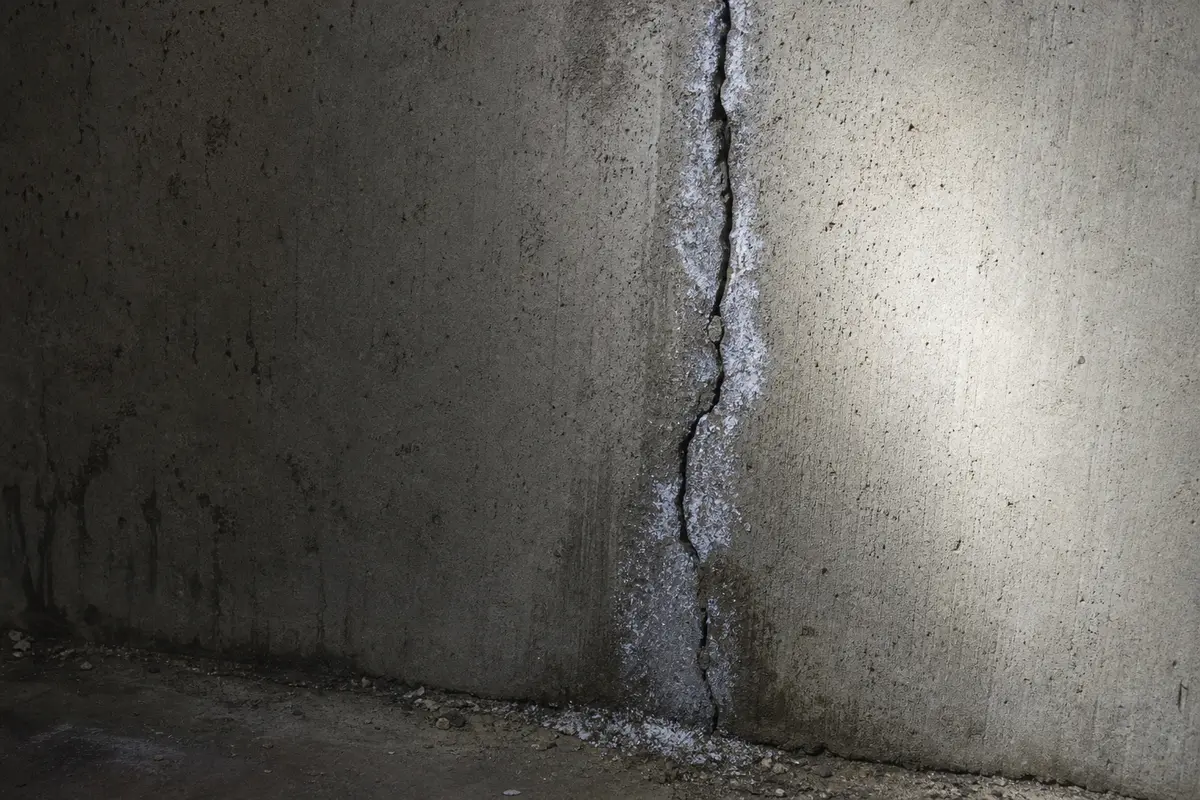
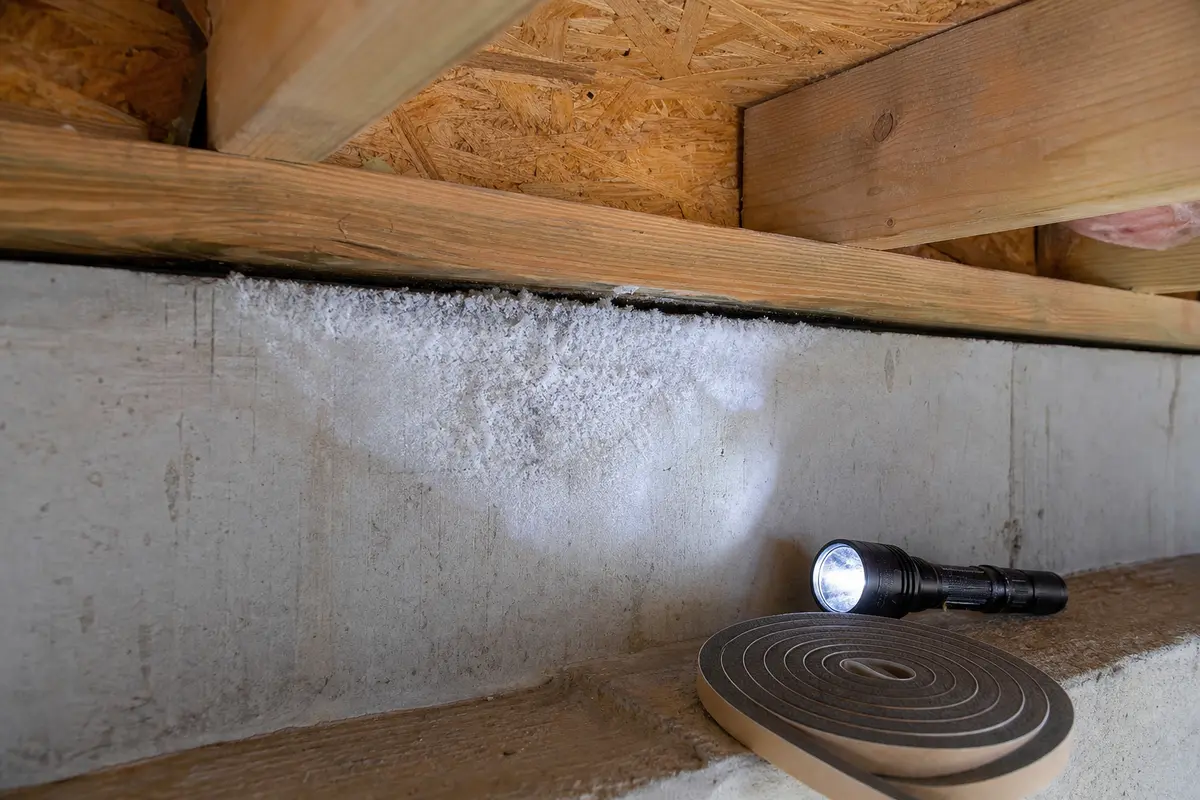
Match the exact diagnosis before shopping. Confirm frost pattern, humidity, rim-joist air leaks, crack movement, thaw behavior, and whether the wall is dry before any insulation or sealant.
Frost location matters more than the amount of frost.
Covering frost traps the clue and can trap moisture.
Document the frost before the basement warms up.
Dry and diagnose before air sealing or insulation.
Use these only after the frost pattern points to cold-surface condensation rather than active seepage.
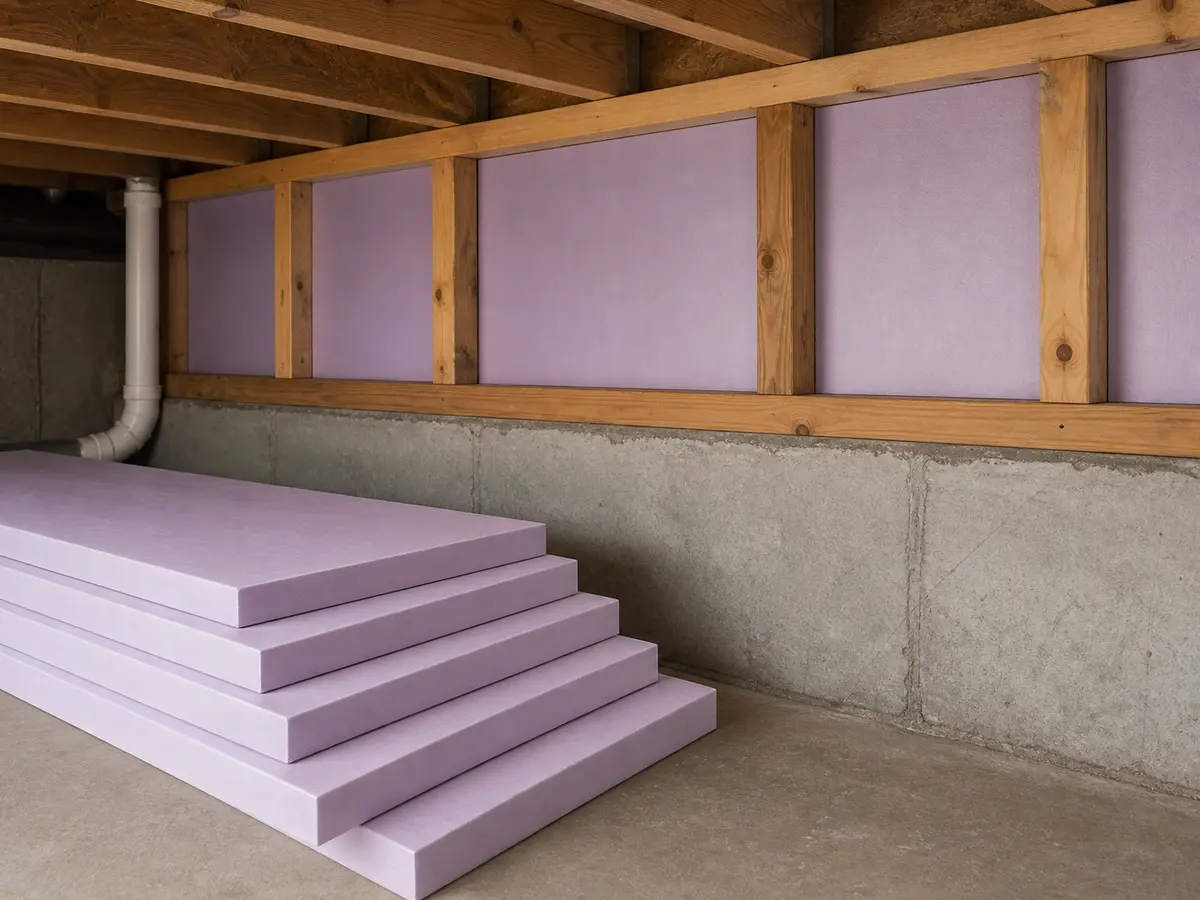
Helps when: Use rigid foam where an exposed rim joist or foundation edge is creating a repeat cold condensation strip.
Skip it when: Skip covering wet concrete, active cracks, or moldy materials until the moisture source is corrected.
Compare rigid foam panels on Amazon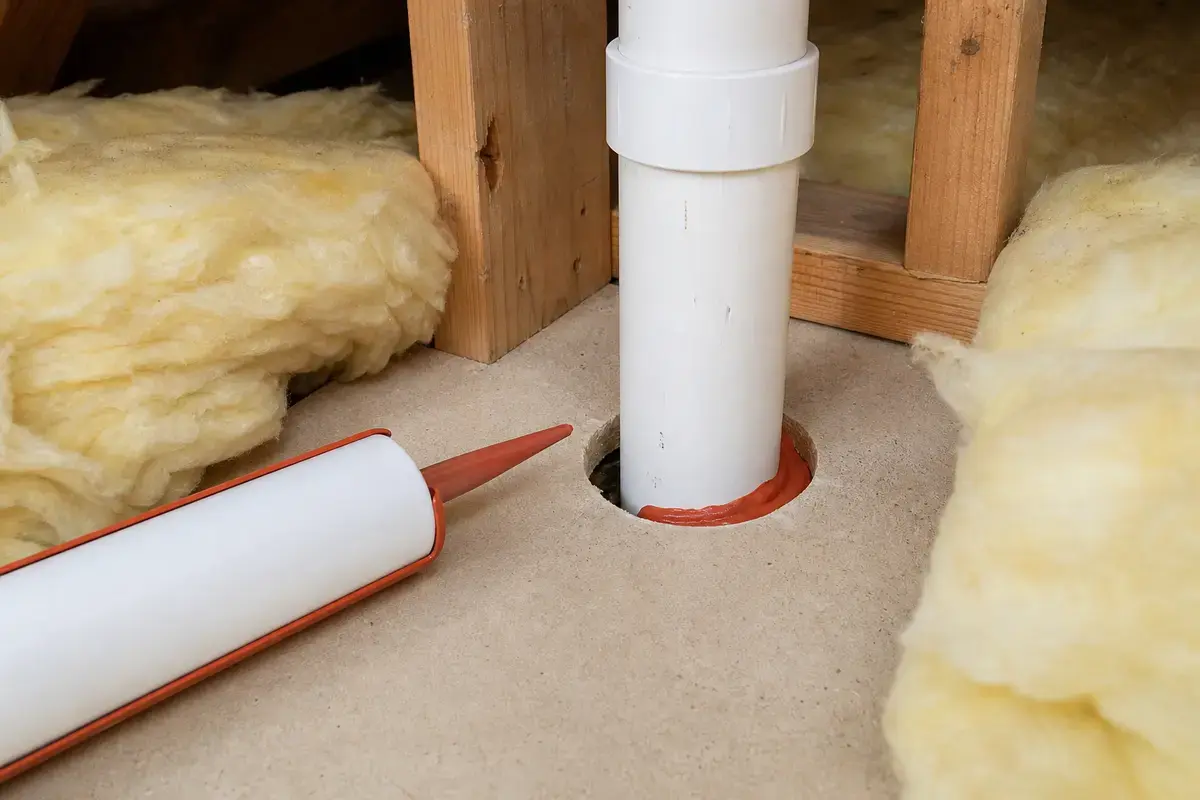
Helps when: Use fireblock sealant for small rim-joist gaps after confirming the area is dry and appropriate to seal.
Skip it when: Skip sealing over frost, dripping surfaces, or any opening that needs fire-rated detailing beyond a small gap.
Compare fireblock sealants on AmazonAs an Amazon Associate I earn from qualifying purchases. Repair Riot may earn a commission at no extra cost to you.
Use these tools to separate cold-surface frost from foundation seepage before insulating or sealing.
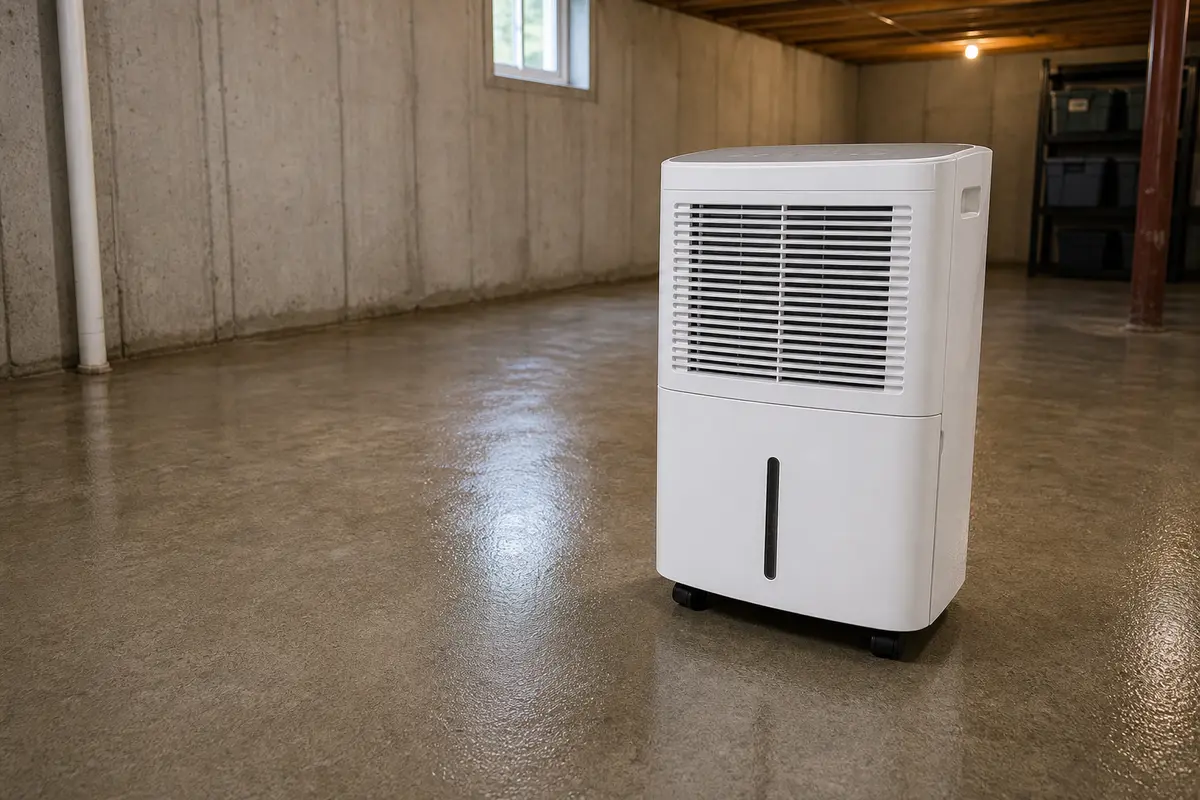
Helps when: Use a basement dehumidifier when humidity remains high after obvious leak paths are ruled out.
Skip it when: Skip treating frost as humidity-only if thawing water follows a crack, corner, or cove joint.
Compare basement dehumidifiers on Amazon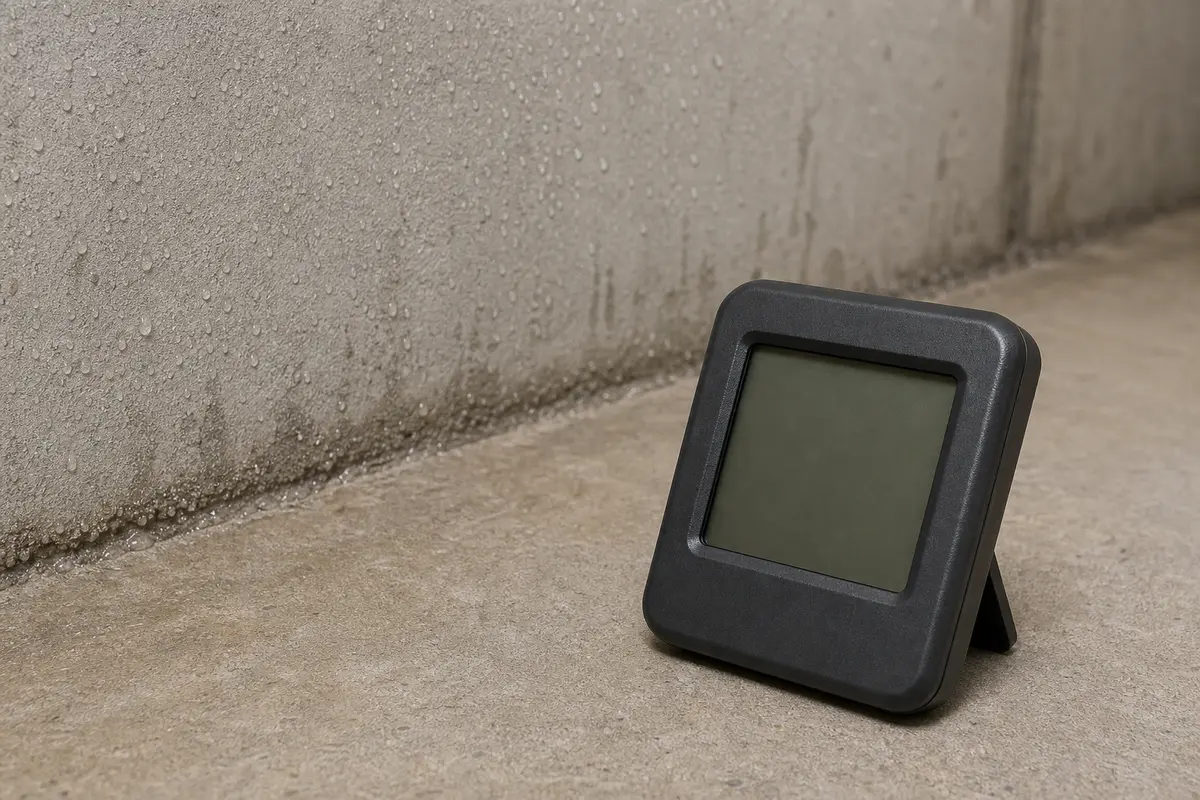
Helps when: Use a digital hygrometer to track basement humidity before and after frost appears on the foundation wall.
Skip it when: Skip insulating decisions until humidity readings are paired with wall temperature and frost location.
Compare digital hygrometers on Amazon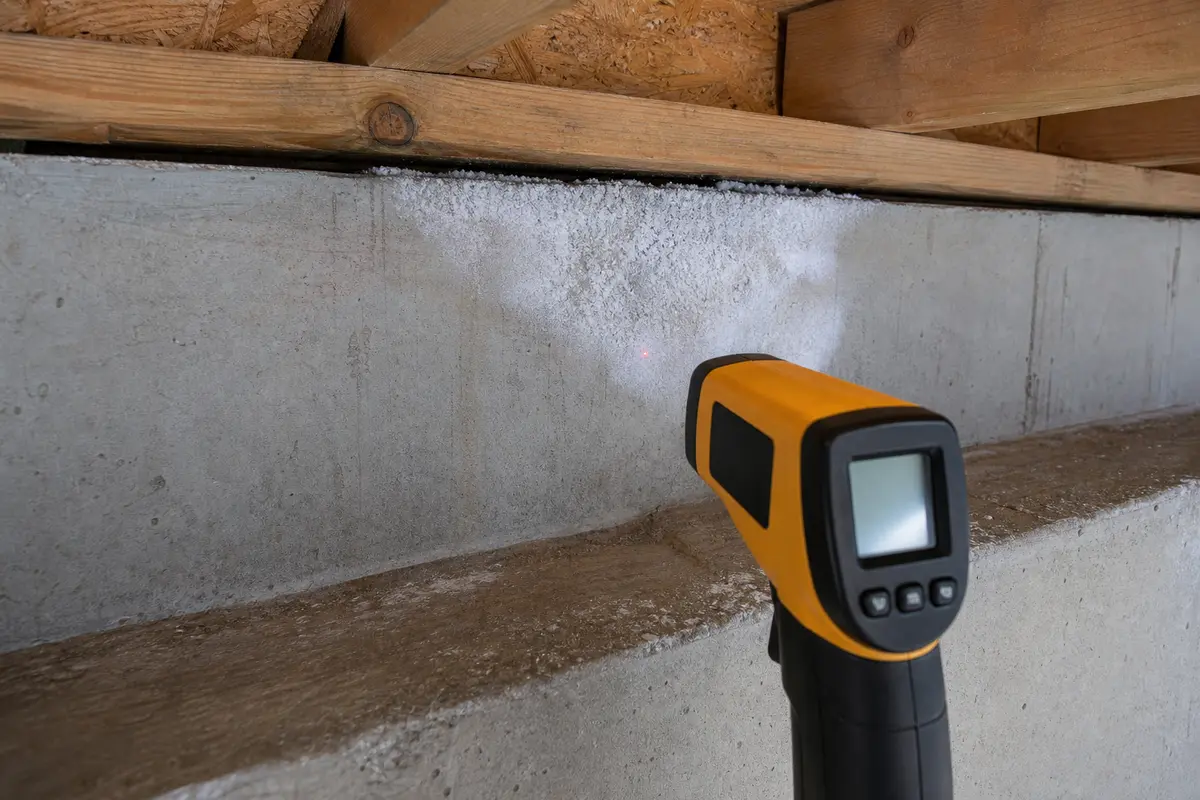
Helps when: Use an infrared thermometer to find the coldest wall bands and compare them with indoor humidity.
Skip it when: Skip patching if cold-wall condensation explains the frost and no crack-centered wetting is present.
Compare infrared thermometers on Amazon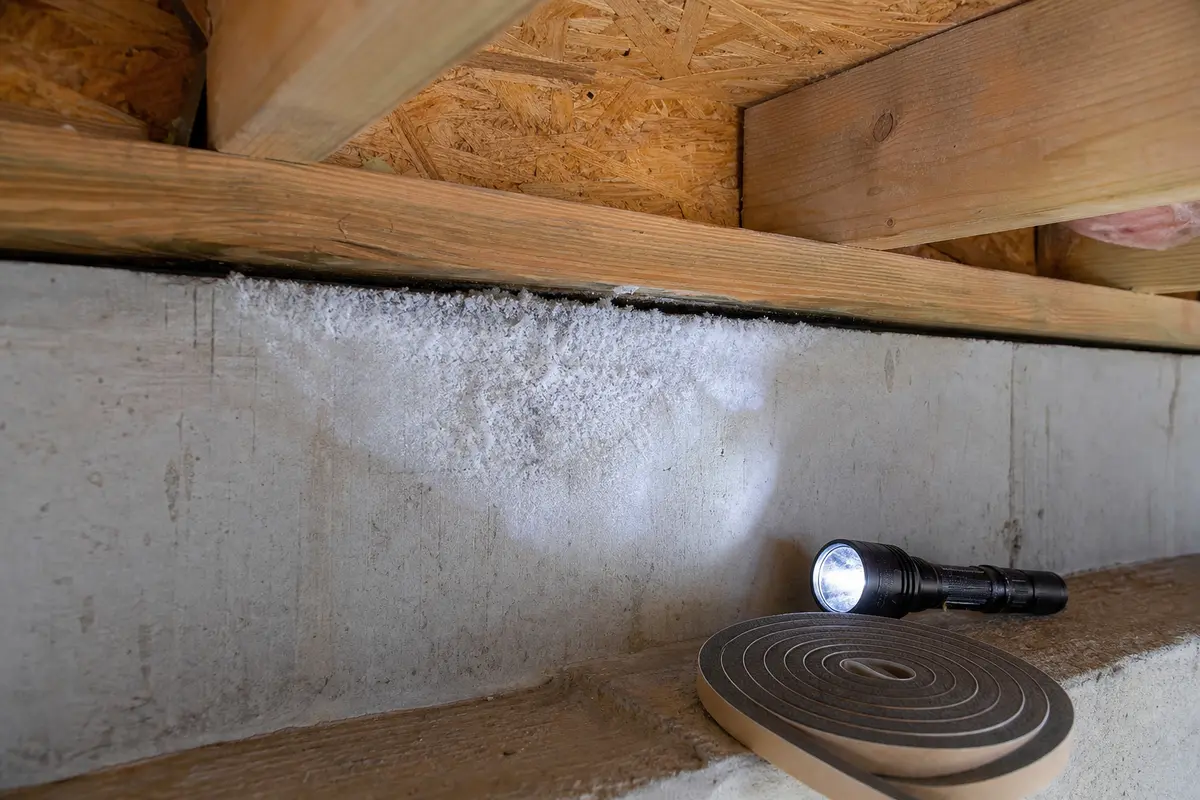
Helps when: Use an inspection flashlight to check whether frost is centered on a crack, corner, pipe, or rim-joist gap.
Skip it when: Skip close inspection if the area has electrical hazards, bulk water, or unsafe footing.
Compare inspection flashlights on AmazonAs an Amazon Associate I earn from qualifying purchases. Repair Riot may earn a commission at no extra cost to you.
Most frost is usually caused by indoor moisture freezing on a cold surface. The concern rises when the frost follows one crack, corner, or wet cove joint.
Not always. Good clue: broad frost is often condensation, while a narrow frost line that melts into one wet path needs seepage checks.
No. Let it thaw and dry, then diagnose moisture and air leaks before covering the wall.
It can help broad condensation from high humidity, but it will not fix a leak path or moving crack.
It often points to cold air leakage or missing air sealing at the top of the foundation wall. Watch for the coldest stripe directly below the rim joist.
Move storage away from the wall, dry the area, and recheck. Trapped humid air against cold concrete is a common reason frost appears locally.
Call for bowing walls, widening cracks, wet cracks, repeated seepage, moldy finishes, or any insulation work around unsafe wiring or wet materials.
The same wall section should stay dry and frost-free under similar cold weather after humidity, air leaks, and storage spacing are corrected.
Repair Riot built this page around foundation frost clues: broad condensation, crack-specific frost, rim-joist cold air, storage airflow, thaw behavior, and dry-before-covering sequence.