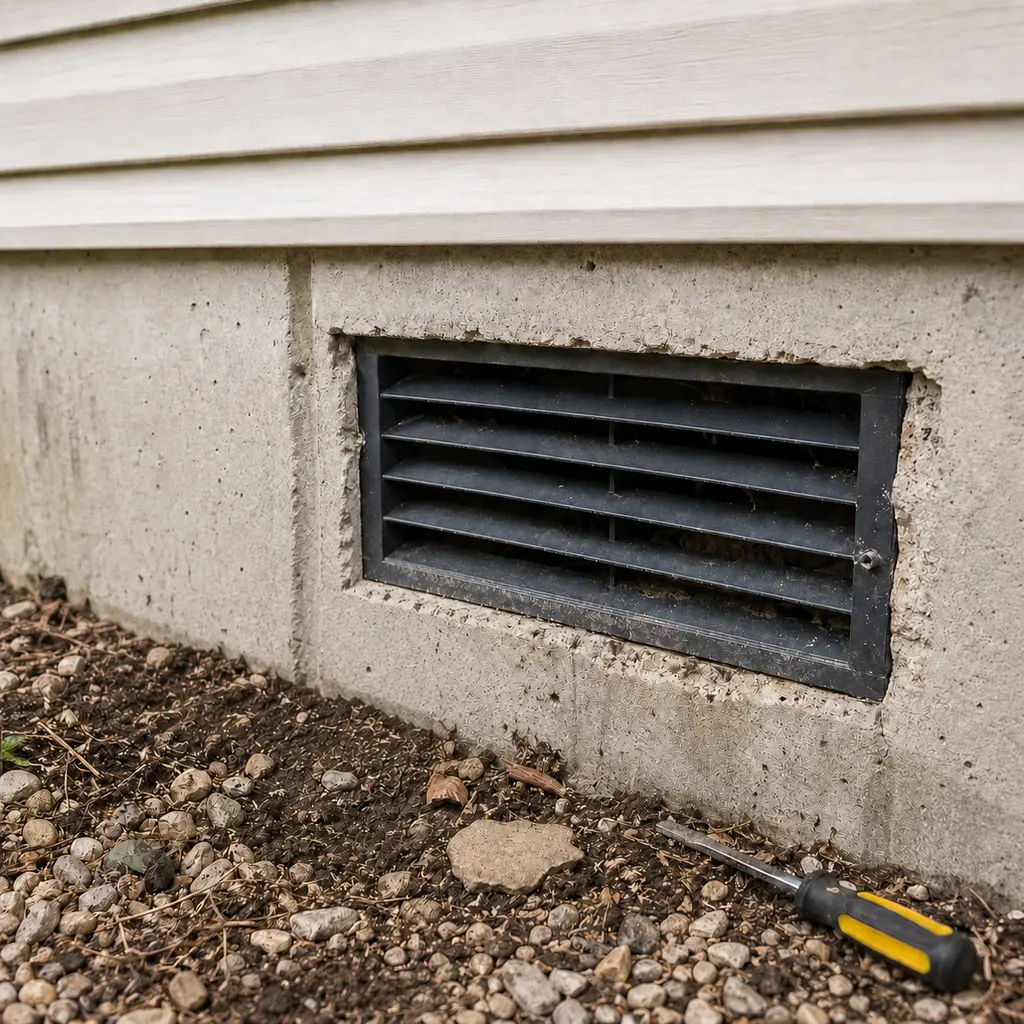
Basement rim joist cold
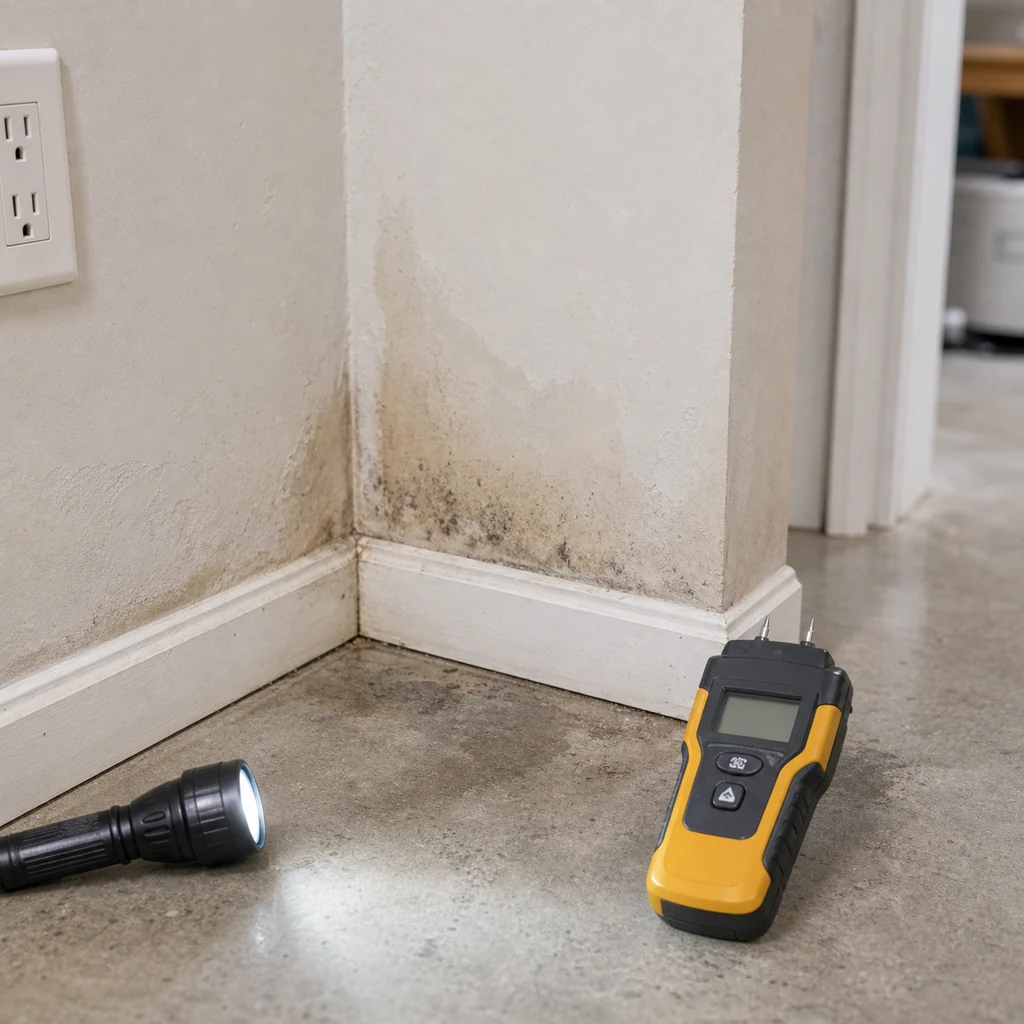
A cold basement rim joist usually means outside air is getting in, insulation is missing or poorly installed, or moisture has damaged the insulation. Start with simple checks before adding material.
Use insulation symptoms like drafts, sagging, moisture, blocked vents, cold rooms, or damaged batts to find the right guide.
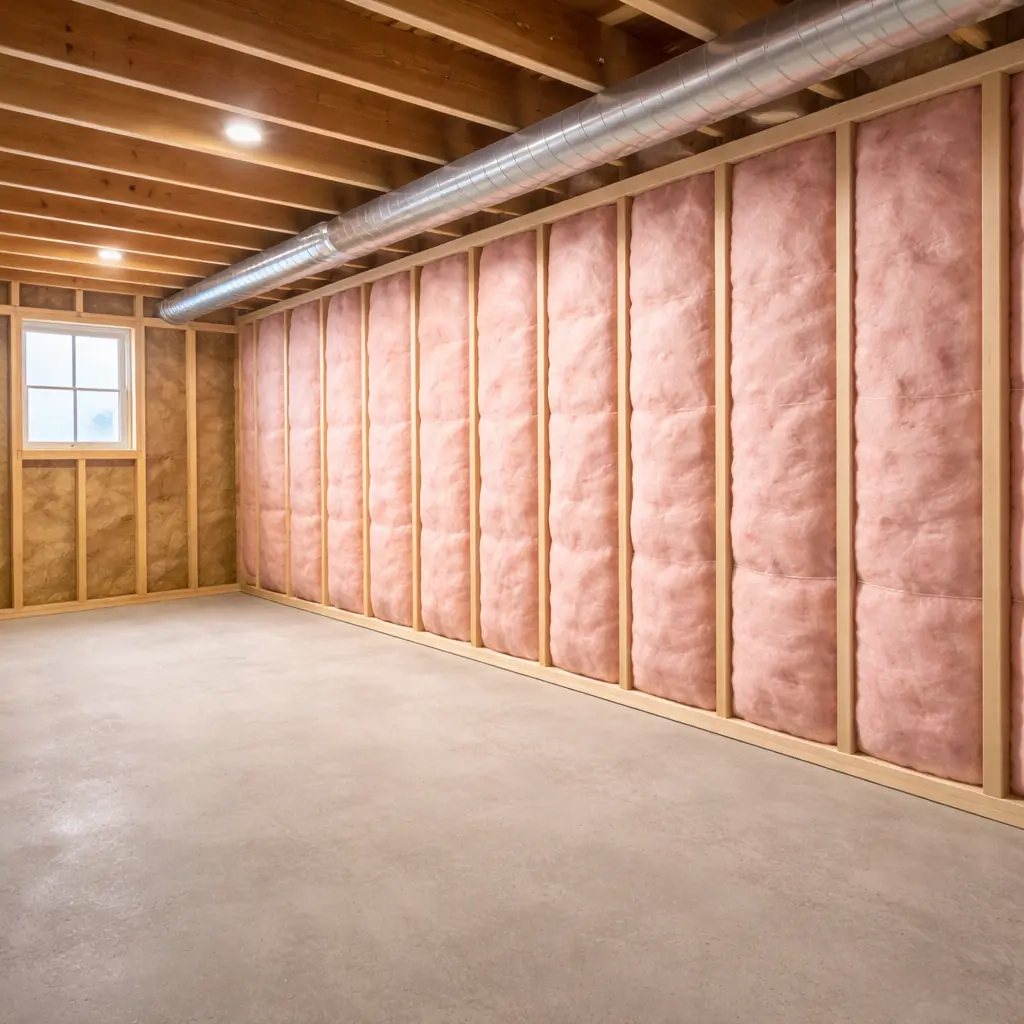
A cold basement rim joist usually means outside air is getting in, insulation is missing or poorly installed, or moisture has damaged the insulation. Start with simple checks before adding material.
Figure out when bat-contaminated insulation can be spot removed, when it needs full removal, and when to stop and call a wildlife cleanup pro.
Figure out whether attic insulation contaminated by bat guano can be spot removed or needs full replacement, and know when to stop and call a wildlife cleanup pro.
Track down whether the smell is from a small surface spot, repeated pet access, or urine-soaked insulation that needs removal. Start with safe checks before opening walls or replacing insulation.
Find out why a room floor over the garage feels cold. Start with garage ceiling insulation gaps, air leaks, and missing coverage before opening up finished flooring.
Find out why one wall area feels cold before you open drywall. Start with drafts, missing insulation, moisture clues, and attic or rim-joist paths.
Find out whether dog urine smell in insulation can be cleaned, sealed off, or needs removal and replacement. Start with source checks, moisture checks, and safe cleanup limits.
If one room under the attic runs hotter than the rest of the house, start by checking attic insulation depth, gaps, wind washing, and bypasses before adding more insulation.
Find out whether ice dams are being driven by missing attic insulation, air leaks, or ventilation trouble. Start with safe checks, stop roof damage, and know when to call a pro.
Figure out whether insulation around recessed lights is unsafe, missing, or causing heat and moisture trouble. Start with fixture type, clearance, and simple attic checks before adding insulation.
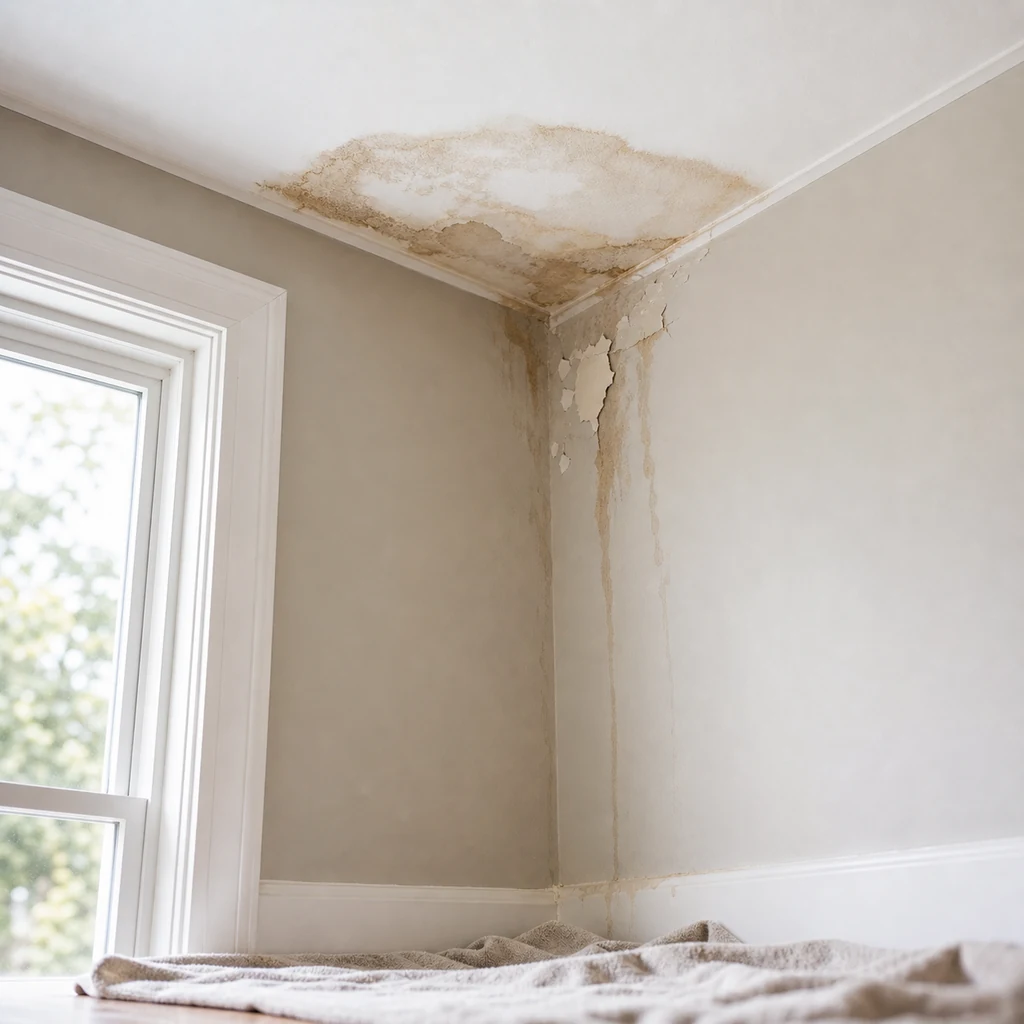
Find out why moisture is forming on insulation vapor barrier surfaces. Start by separating true roof or wall leaks from indoor humidity, air leaks, and missing insulation coverage.
Find out why insulation is sagging or dropping from a ceiling, separate moisture damage from failed support, and choose the right repair without guessing.
Find out why crawl space insulation is sagging or dropping, check for moisture and failed supports first, and know when to resecure, replace, or call a pro.
Find out why insulation is sagging, falling, or slumping. Start with moisture and support checks, then decide whether to resecure, replace, or call a pro.
Find out why insulation smells bad by separating moisture, pest, smoke, and material odor branches first. Start with safe checks before opening walls or replacing insulation.
Track down whether the cat-urine smell in insulation is from rodents, a roof or plumbing moisture problem, old contamination, or wet fiberglass. Start with the safest checks before pulling insulation.
Figure out why insulation smells like dog urine, separate pet contamination from roof or plumbing moisture, and know when insulation needs removal instead of deodorizing.
Wet attic insulation after an ice dam usually means roof meltwater got past the shingles. Start by stopping active water, separating leak damage from condensation, and replacing insulation that stayed matted or stained.
Wet insulation usually needs more than drying the surface. Start by stopping the leak, separate roof leak from condensation, then decide whether the insulation can dry in place or needs replacement.
Find out whether wet insulation can be dried, needs removal, or points to a continuing roof leak. Start with source control, then check how far the insulation is soaked and what type it is.
Figure out whether mouse-damaged floor insulation can be patched, needs section replacement, or points to a bigger moisture or pest problem first.
Figure out whether mice only gnawed the surface or opened real gaps in foam board insulation, then patch, replace, and block re-entry without making the problem worse.
Find out whether attic insulation damaged by mice can be cleaned, patched, or needs replacement. Start with contamination, active rodent signs, and the size of the damaged area before buying insulation.
If mice chewed rim joist insulation, check contamination, entry gaps, and nearby bays before buying replacement insulation or sealing the area shut.