Only during thaw?
Trace snow piles, frozen outlets, and meltwater against the wall.
A basement that leaks only in spring is usually reacting to snowmelt, saturated soil, or roof runoff loading the foundation. Trace the first wet point to the outside spring water path before patching.
The common causes are short or blocked downspouts, snow piled near the wall, low grade, window wells, and cove-joint pressure during thaw and long rain.
Spring leaks have a memory. Mark the spot, photograph the outside conditions, and verify repairs through the same thaw or saturated-soil pattern.
Don’t start with: Do not start with waterproof paint, random crack filler, or wall coating. A dry summer does not prove the spring entry path is fixed.
Trace snow piles, frozen outlets, and meltwater against the wall.
Look for saturated soil and roof runoff loading the foundation.
Check the window well for debris, water level, and missing cover.
Treat drainage and outside pressure first.
Rule out condensation on a cold slab.
Spring repairs work when the wet point is tied to thaw, runoff, or saturated soil.
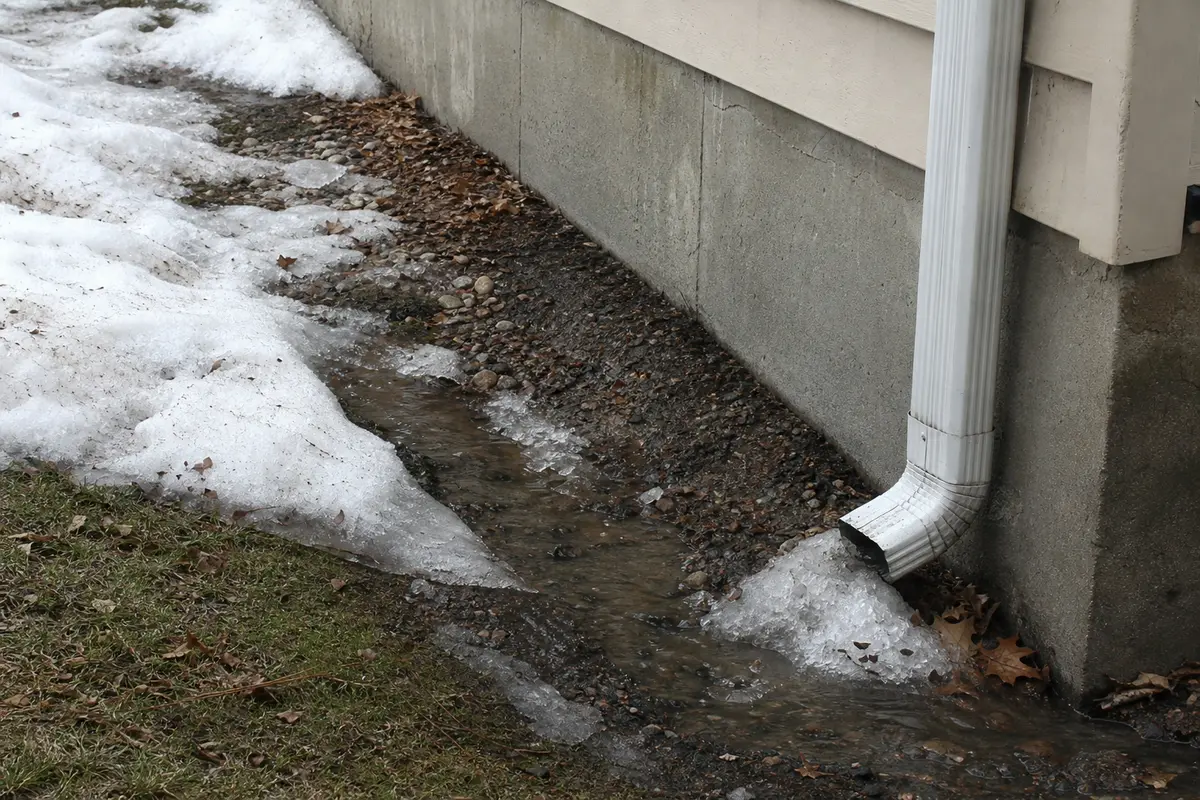
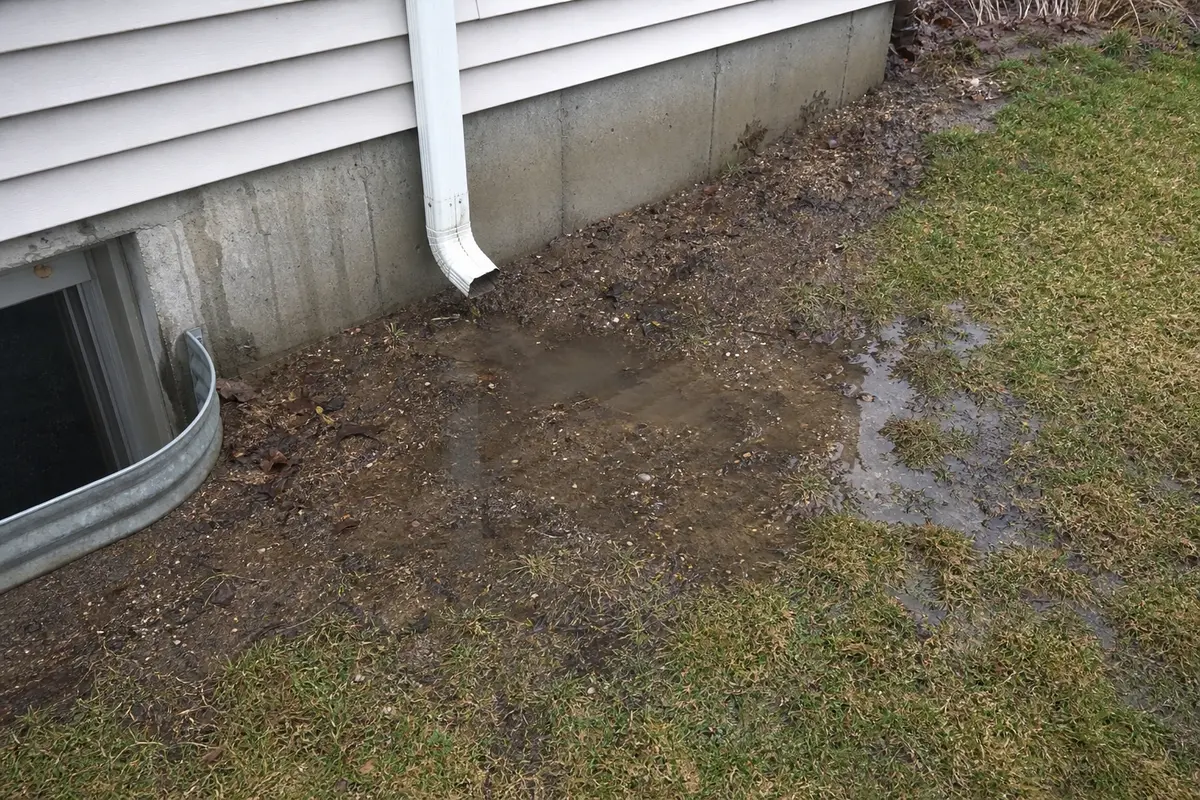
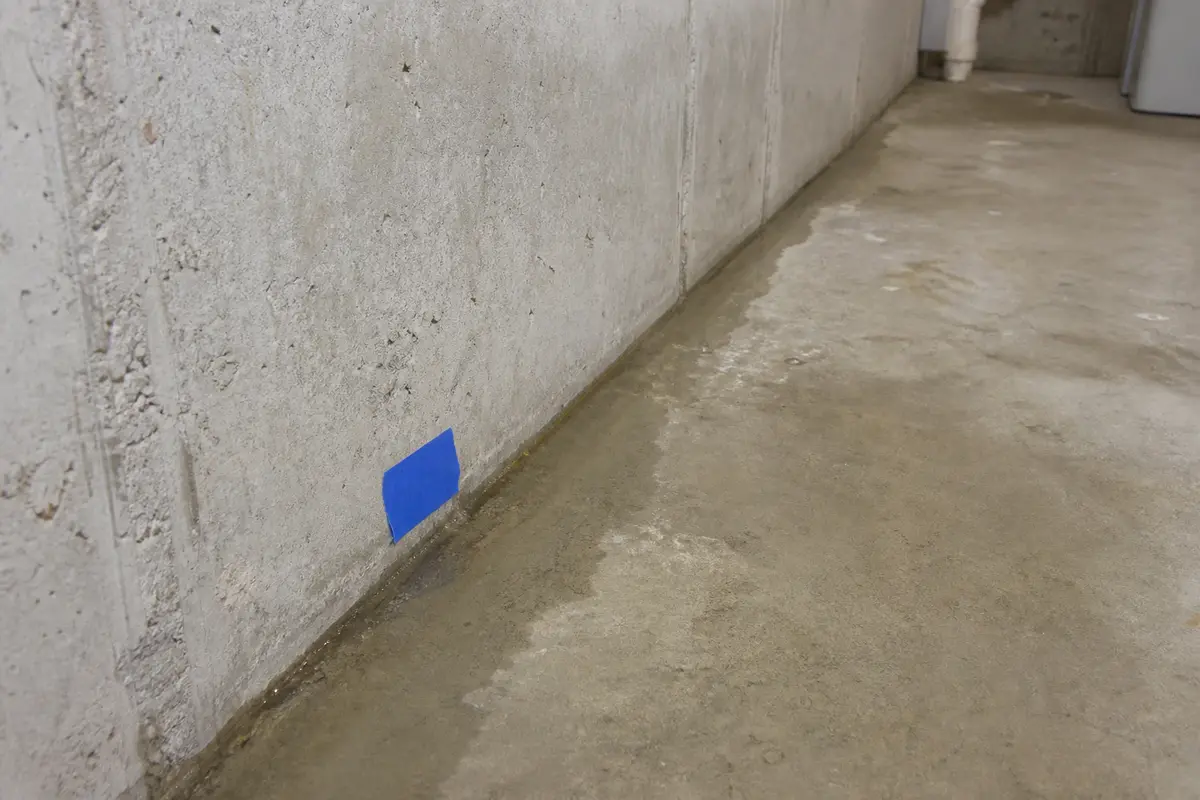
Match the exact diagnosis before shopping. Confirm thaw timing, rain duration, first wet point, window-well condition, exterior runoff, and whether condensation is a lookalike.
A spring leak is usually seasonal water pressure, not a random one-day failure.
Spring leaks are often mispatched because the basement dries out later.
Use spring timing to find the outdoor delivery path.
| Spring clue | Usually means | Next move |
|---|---|---|
| After thaw | Snowmelt loading foundation | Move snow and clear discharge |
| After long rain | Saturated soil pressure | Correct runoff and grade |
| Below window well | Well water entry | Clear, drain, and cover well |
| Broad film, no path | Condensation lookalike | Control humidity and retest |
Start with spring water delivery, then treat the remaining entry point.
Use these only after the spring leak path points to runoff control, window-well protection, or an existing drain outlet.
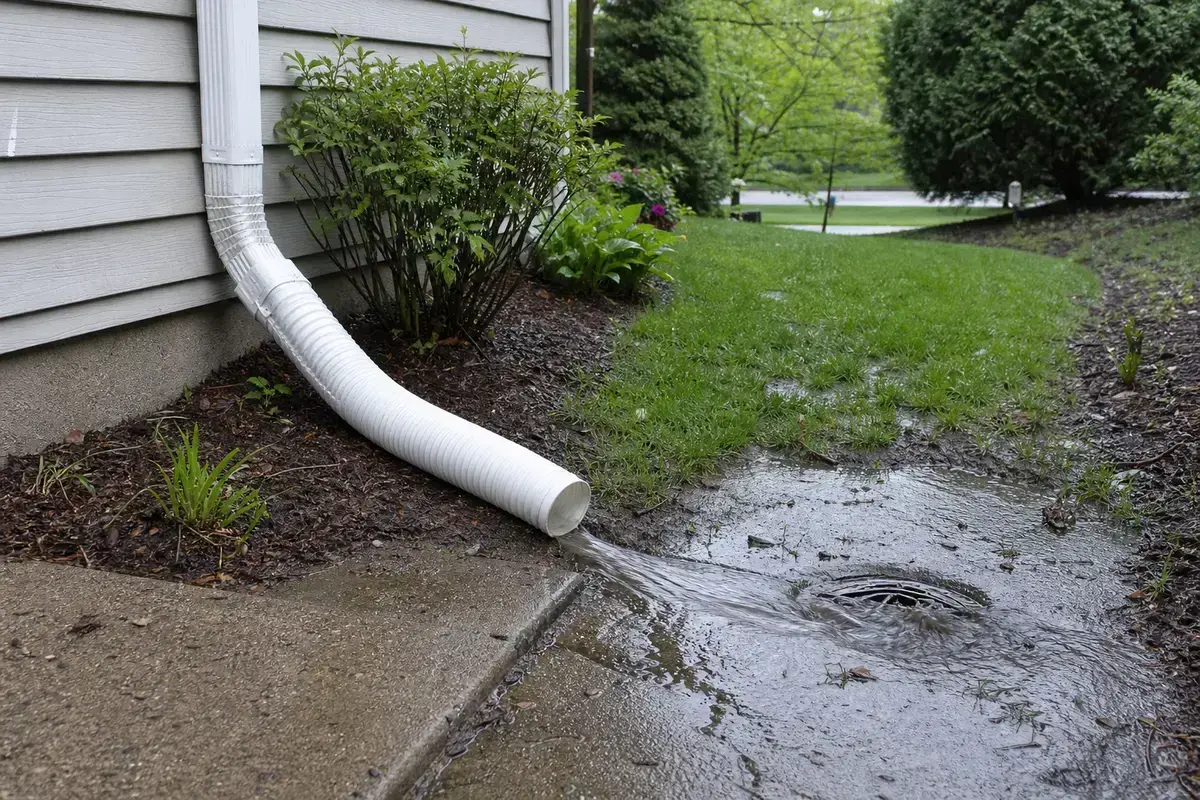
Helps when: Use a downspout extension when spring runoff or roof discharge lands beside the foundation near the wet basement area.
Skip it when: Skip indoor sealing first if roof water is still melting or discharging against the wall.
Compare downspout extensions on Amazon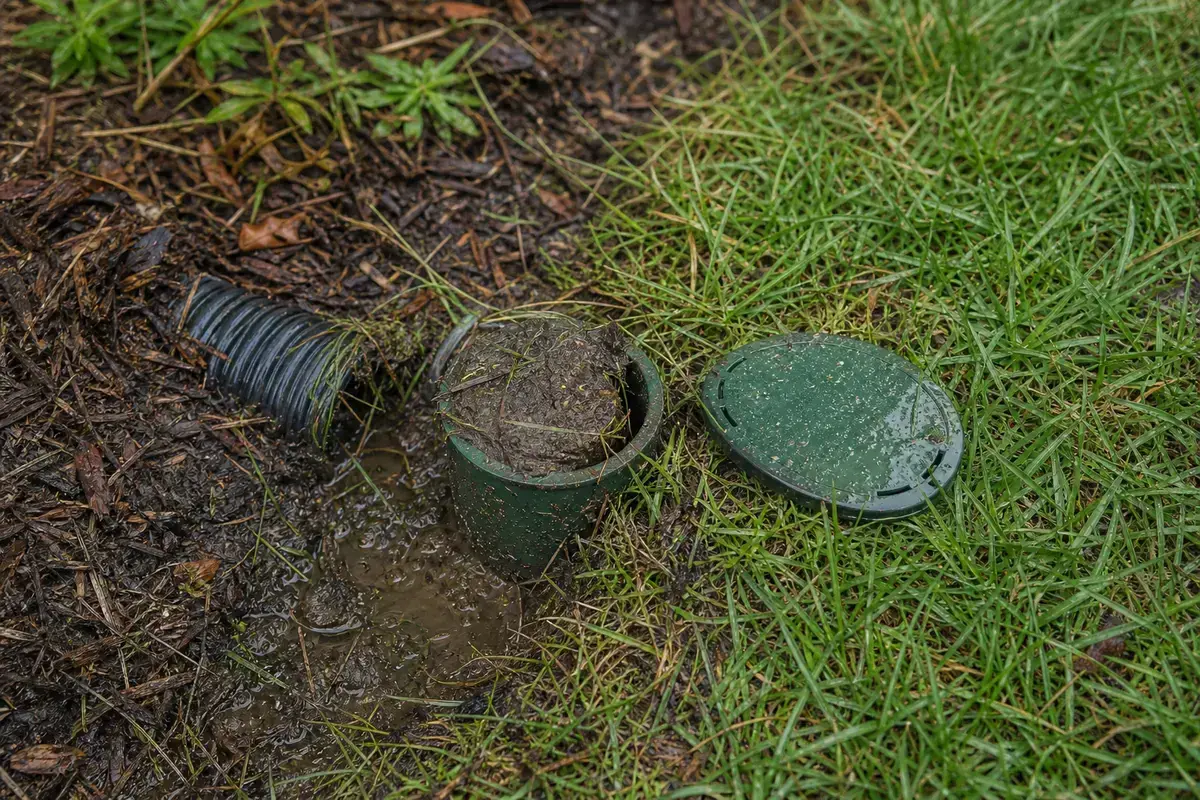
Helps when: Use a pop-up drain emitter only when a buried drain already exists and needs a safe discharge outlet away from the foundation.
Skip it when: Skip adding an emitter to an unknown pipe, blocked drain, or discharge point that sends water toward a neighbor or walkway.
Compare pop-up drain emitters on Amazon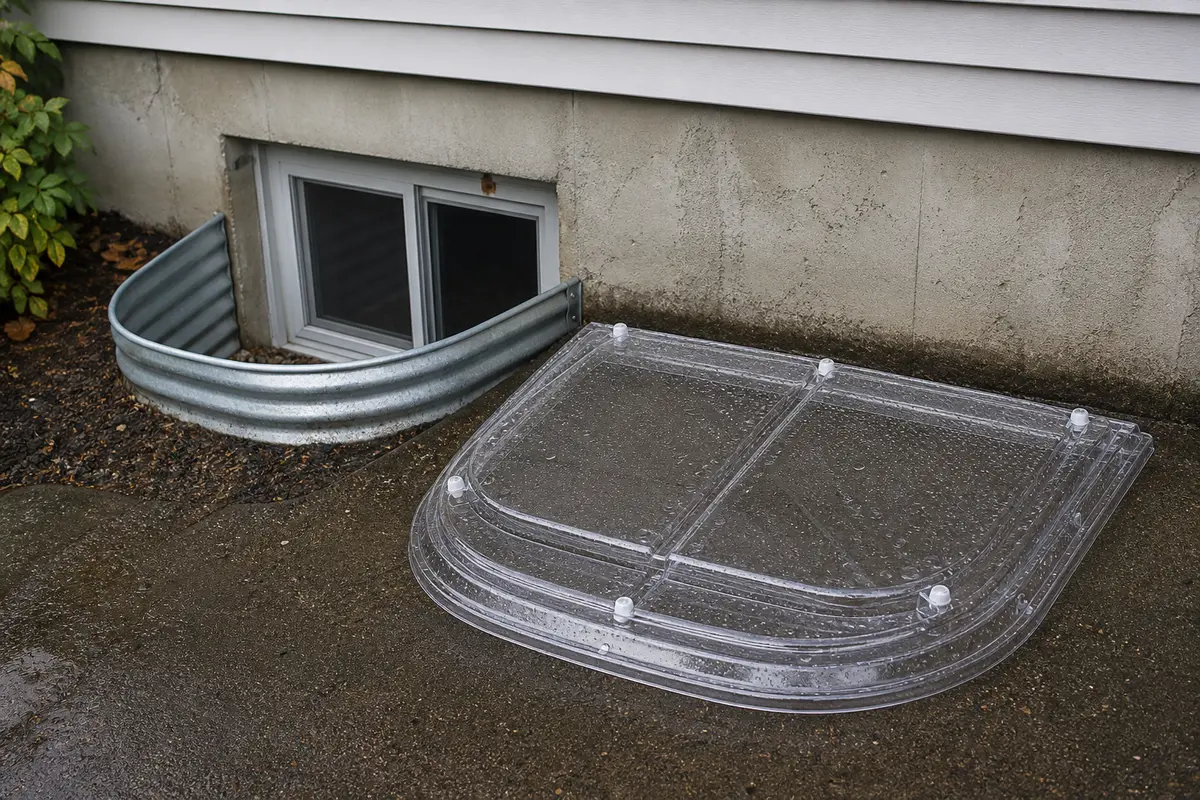
Helps when: Use a clear window well cover when spring rain or melting snow enters an exposed basement window well.
Skip it when: Skip relying on a cover alone if the window well drain is clogged or the well sits below surrounding grade.
Compare basement window well covers on AmazonAs an Amazon Associate I earn from qualifying purchases. Repair Riot may earn a commission at no extra cost to you.
Use these tools to redirect meltwater, map dampness, and clean up small safe water after the path is identified.
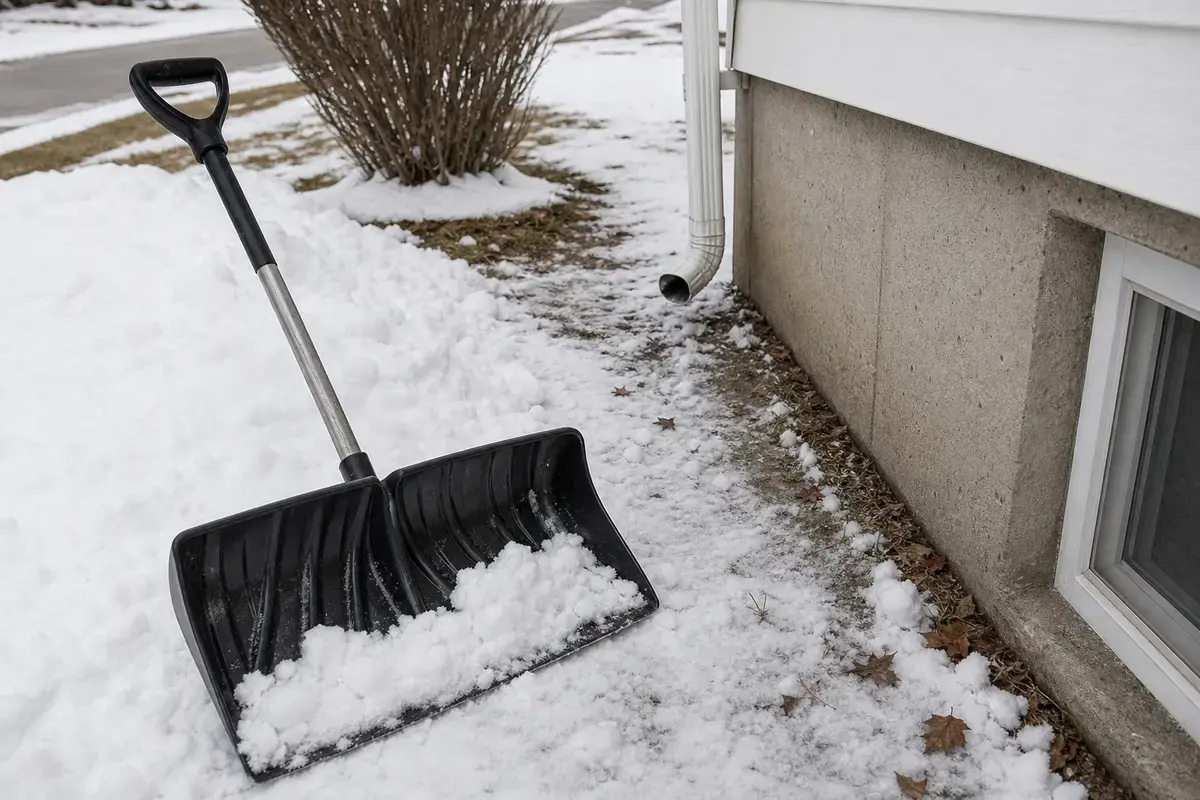
Helps when: Use a snow shovel to move piled snow away from the foundation before a thaw sends meltwater into the wall.
Skip it when: Skip piling snow against the house, window wells, or short downspouts.
Compare snow shovels on Amazon
Helps when: Use a pinless moisture meter to compare the spring-wet basement area with the cove joint and a dry control area.
Skip it when: Skip one reading; spring seepage can travel along the floor edge before it shows as a puddle.
Compare pinless moisture meters on Amazon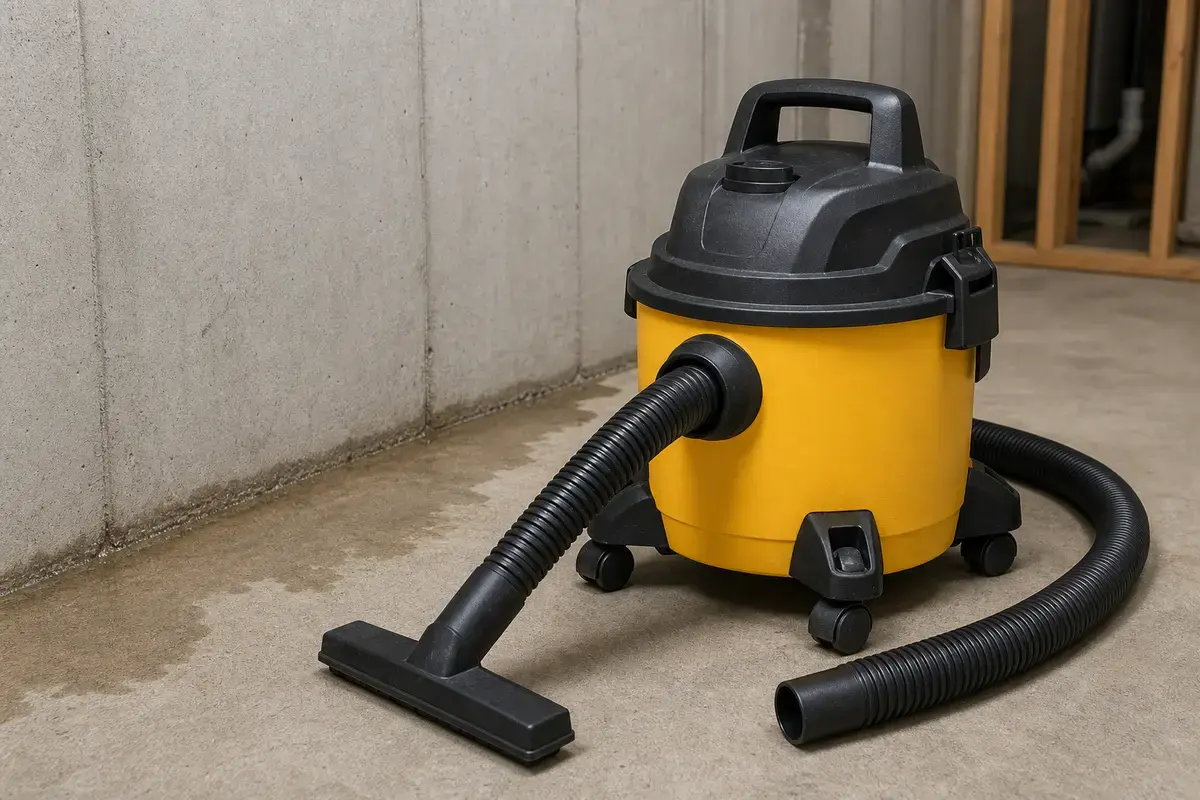
Helps when: Use a wet/dry vacuum for small clean-water pickup after spring seepage slows or is contained.
Skip it when: Skip vacuuming if water may involve sewage, fuel, electrical hazards, or unknown contamination.
Compare wet/dry vacuums on Amazon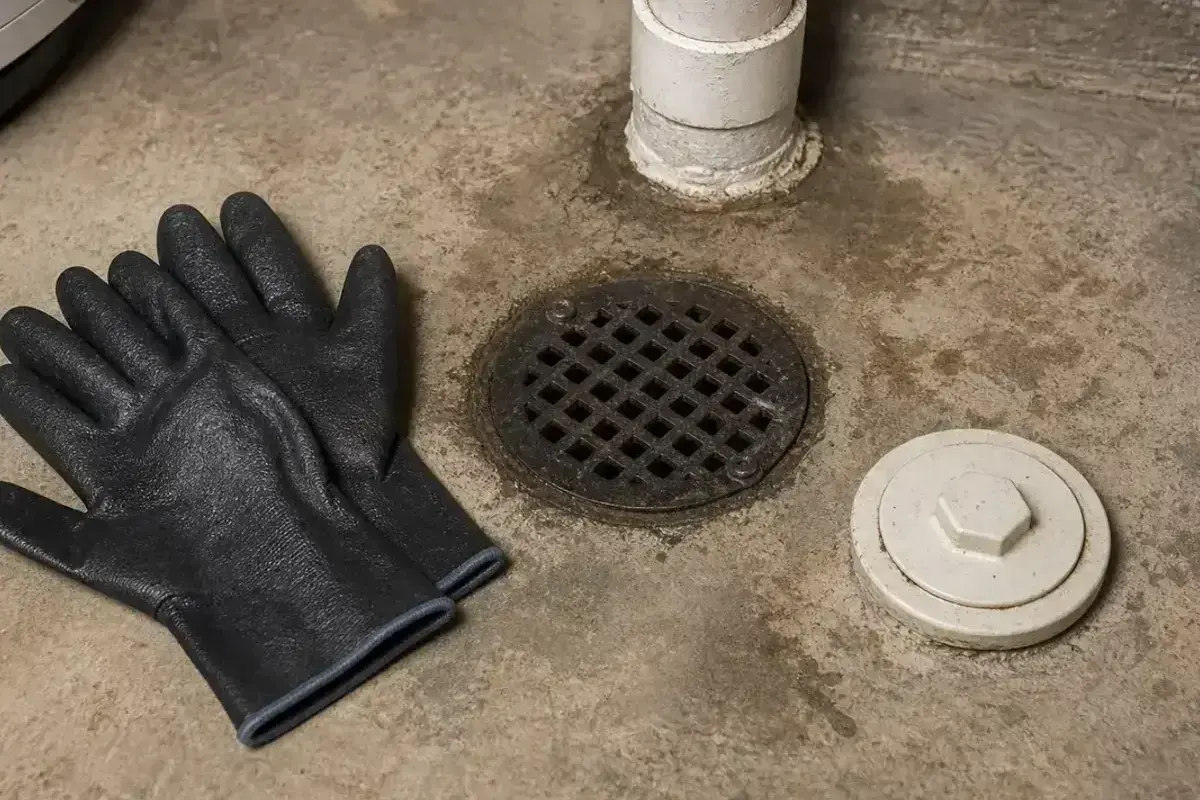
Helps when: Use waterproof work gloves when handling damp storage, wet mats, or cleanup towels after spring seepage.
Skip it when: Skip bare-handed cleanup around standing water, sharp debris, or suspect contamination.
Compare waterproof work gloves on AmazonAs an Amazon Associate I earn from qualifying purchases. Repair Riot may earn a commission at no extra cost to you.
Spring combines snowmelt, saturated soil, roof runoff, and frozen or blocked discharge paths. Those can load the foundation even if the basement is dry later.
You can plan repairs in dry weather, but do not treat a dry summer as proof. Verify through the next spring trigger.
Yes, when it is safe. Keep snow and slush away from foundation walls, window wells, and downspout outlets.
Yes. Meltwater, rain, debris, and poor drainage can send water through or around the window.
Yes. Warm humid spring air over a cold slab can create a broad slick film without a first wet point.
Start with gutters, downspouts, discharge outlets, snow storage, and obvious low grade aligned with the wet area.
Call for repeated spring seepage, long perimeter wet lines, wall movement, slab heave, electrical risk, or drainage requiring excavation.
The marked wet point should stay dry through a comparable thaw or long spring rain after runoff is redirected.
Repair Riot built this page around spring leak clues: thaw timing, saturated soil, cove-joint pressure, window wells, condensation lookalikes, and seasonal verification.