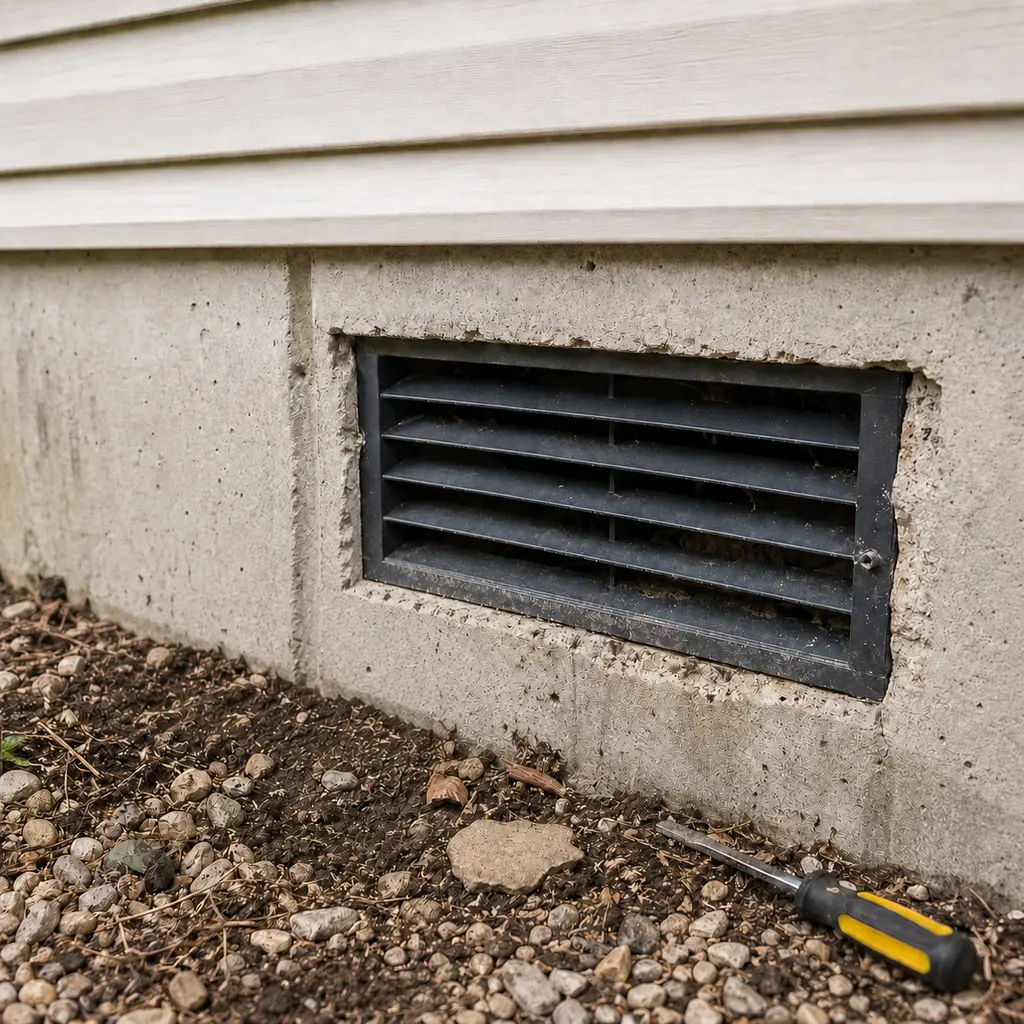
Attic bath fan exhausting into attic
Bath fan exhausting into the attic? Trace the duct, outdoor cap, loose joints, damp insulation, and sheathing clues before adding vents.
Use fan behavior, roof vent symptoms, condensation, insulation clues, and heat buildup to narrow down attic ventilation problems.
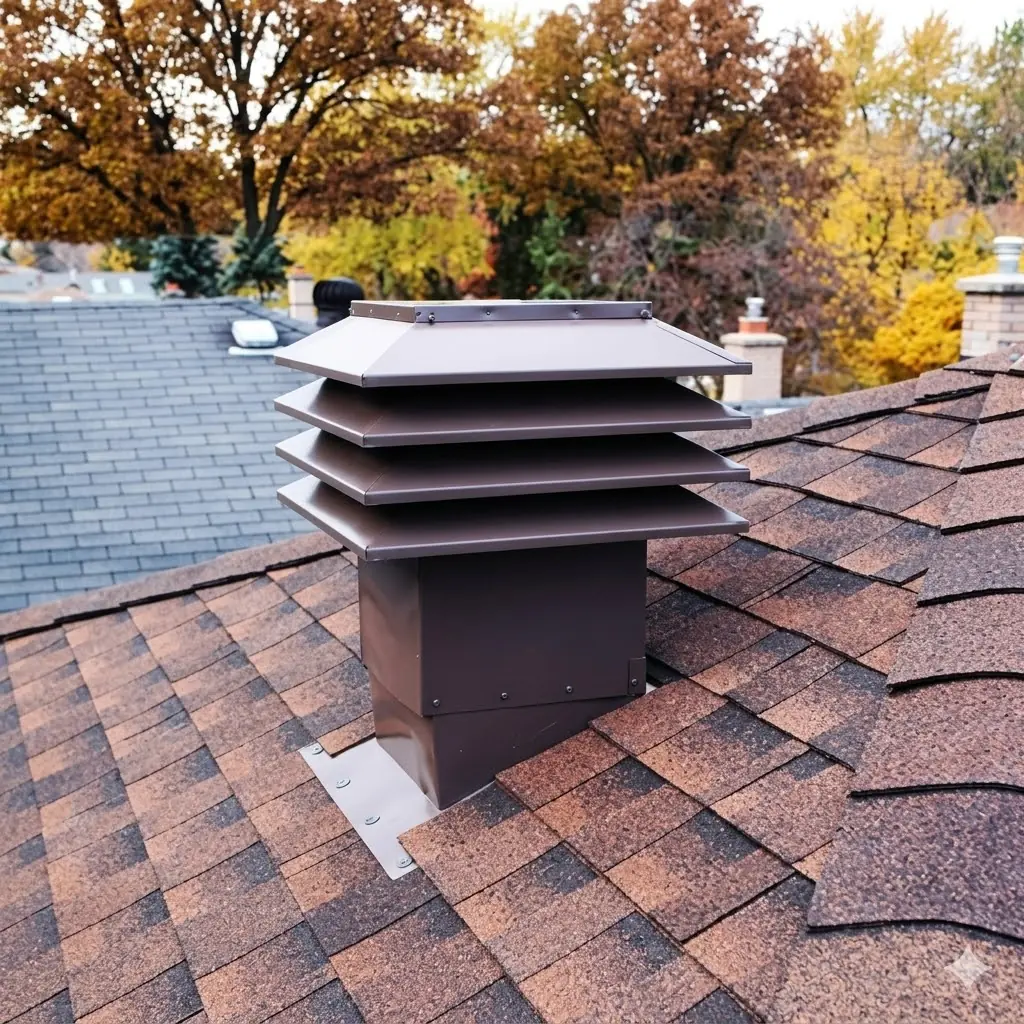
Bath fan exhausting into the attic? Trace the duct, outdoor cap, loose joints, damp insulation, and sheathing clues before adding vents.
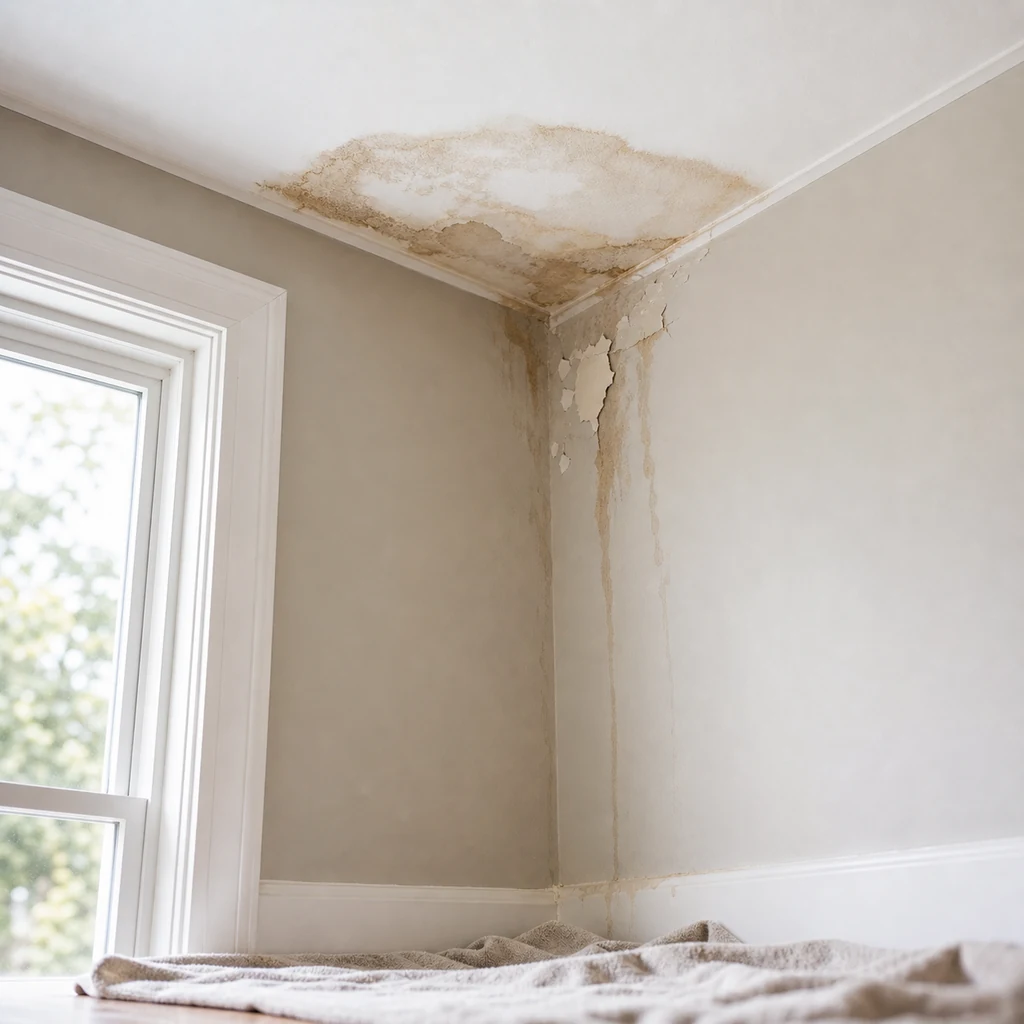
Attic condensation near a plumbing stack? Separate roof leaks from warm-air leaks, then check the pipe gap, soffit intake, hatch, and bath fan moisture.
Attic condensation near the ridge? Separate cold-weather moisture from rain leaks, then check soffit intake, baffles, hatch leakage, and bath fan ducts.
Attic roof-deck condensation? Rule out rain tracks, then check soffit intake, ceiling-plane air leaks, bath fan ducts, and indoor humidity.
Attic dripping on insulation? Use timing and drip pattern to separate roof leaks from condensation before drying, sealing, or buying baffles.
Noisy attic fan? Match rattles, squeals, blade rub, belt wear, and motor growl to the right part before replacing the whole fan.
Attic fan not working? Separate power, thermostat/humidistat control, stuck blade, and motor failure before buying a control or fan motor.
Frost on attic nail tips? Check cold-weather timing, ceiling leaks, hatch gaps, and soffit intake before sealing or buying baffles.
Attic sheathing frost? Use spread, timing, eave airflow, ceiling leaks, and humidity clues before treating it like a roof leak.
Loose attic gable vent? Check fasteners, cracked trim, warped louvers, screen damage, water stains, and framing before sealing.
Condensation around an attic hatch? Check hatch gaps, latch compression, panel insulation, attic-side frost, and rain timing before repainting.
Attic hatch won't seal? Check panel fit, stop height, weatherstrip compression, latch pull, and cover clearance before buying seals or latches.
High attic humidity? Compare indoor humidity with attic readings, then check hatch leaks, blocked soffit intake, bath fan ducts, and ceiling gaps.
Attic roof-deck ice? Separate frozen condensation from roof leaks, then check hatch leaks, bath fan ducts, soffit intake, and ceiling gaps.
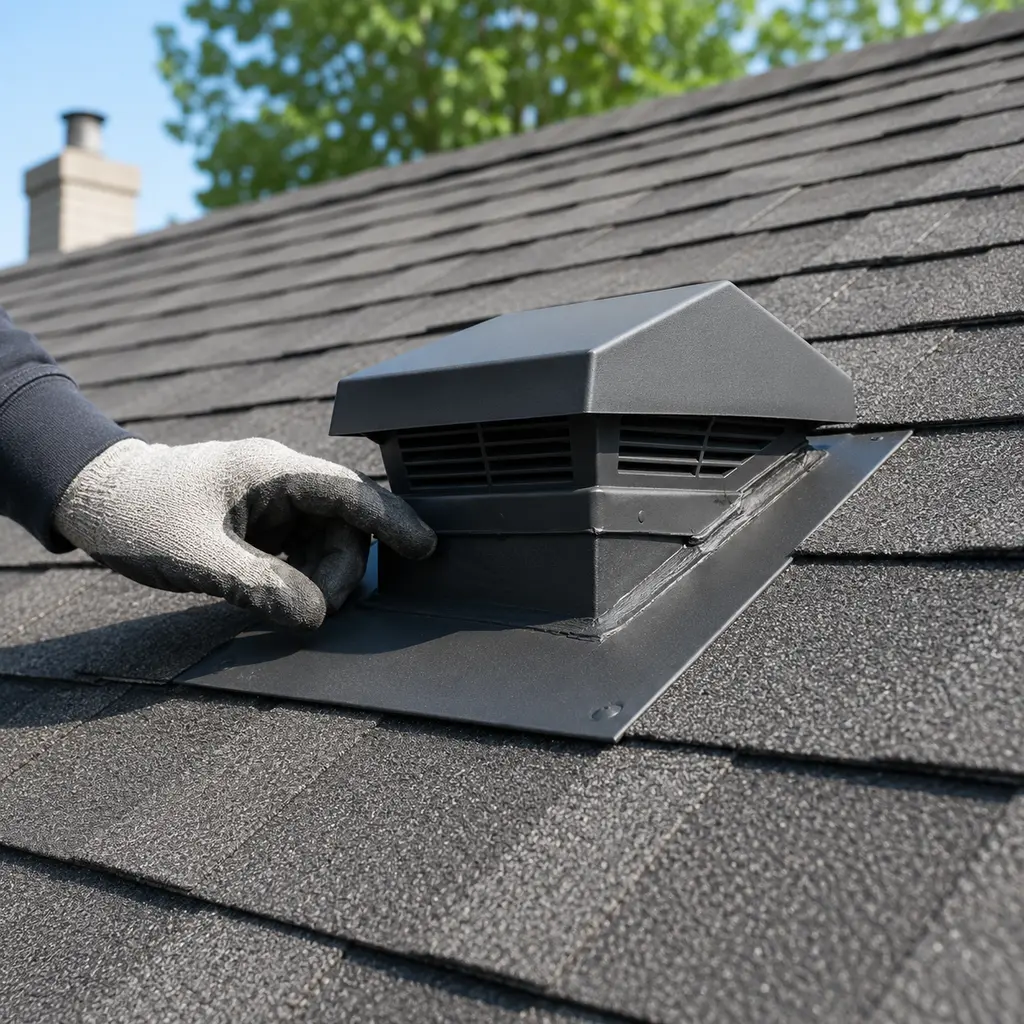
Blocked attic ridge vent? Check inside slot debris, crushed vent material, missing ridge slot, and blocked soffit intake before buying roof parts.
Musty attic smell? Find damp insulation, roof-deck condensation, bath fan moisture, hatch leaks, or blocked eaves before cleanup.
Snow blowing into an attic vent? Find the gable, ridge, roof, or soffit entry path before cleanup, sealing, or blocking ventilation.
Attic too hot? Check soffit intake, high exhaust, hatch leakage, and dumped indoor heat before adding fans, coatings, or insulation.
Attic vent screen damaged after an insect nest? Confirm the nest is inactive, check frame damage, and preserve airflow before replacing mesh.
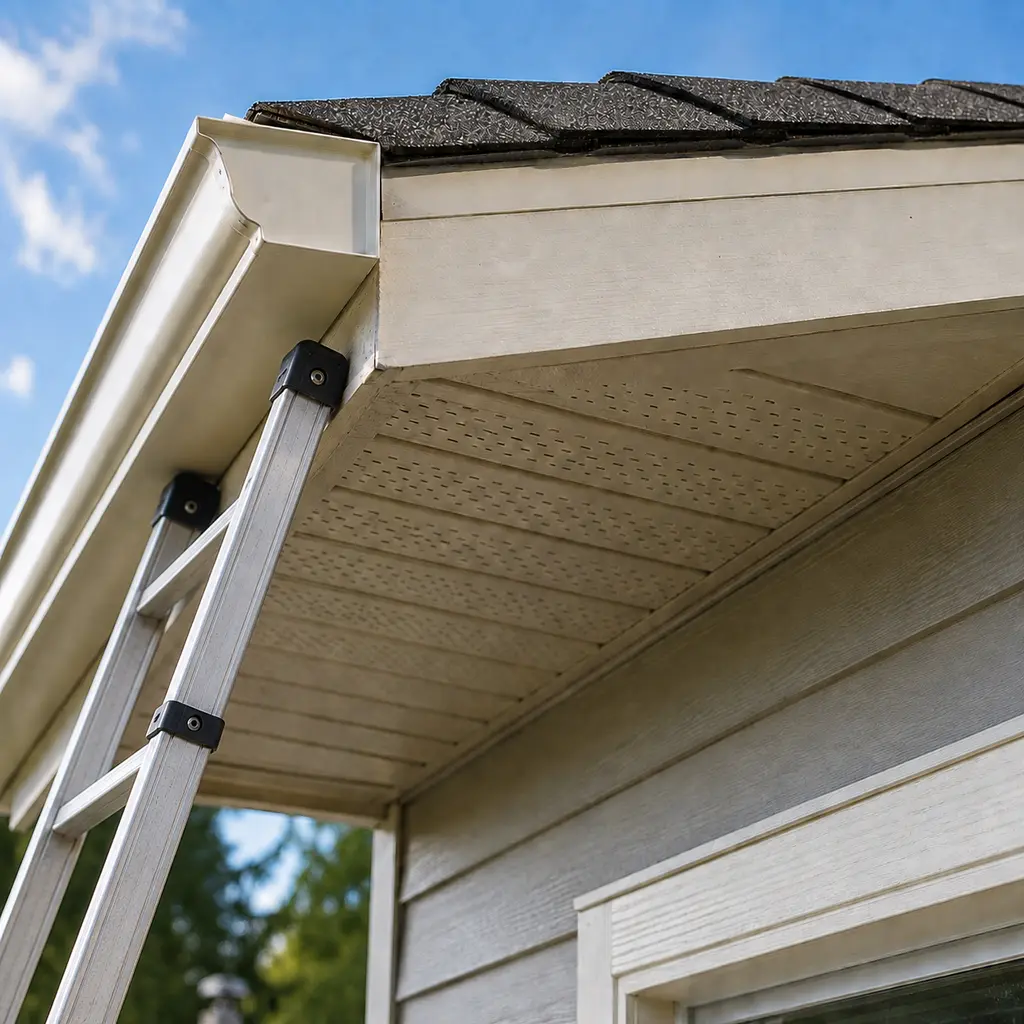
Attic ventilation not working? Sort blocked soffits, crushed baffles, clogged vent covers, and attic air leaks before adding vents or fans.
Attic vents whistle in wind? Find the narrowed opening, loose screen, lifted flange, or rattling cap before sealing or replacing parts.
Bat guano around an attic hatch? Check activity, live bats, buildup, insulation contact, and safety limits before cleanup or sealing.
Bat guano in a soffit? Check activity, entry gaps, surface residue, cleanup limits, and stop conditions before touching or sealing.
A cold ceiling below the attic usually points to air leaks, missing insulation, blocked soffit airflow, or a leaky hatch. Check these first.