Even film on cold wall?
Condensation branch first.
A cold wet basement wall is usually condensation on a cold surface or seepage through the foundation. First check humidity, wall temperature, and the first wet point; good clue: even beads suggest condensation, a narrow line suggests seepage.
Most of the time, humid air hitting a cold concrete or block wall causes surface sweat, but storm timing and a first wet point can change the diagnosis.
Watch for dampness behind stored items because blocked airflow can make a wall sweat in one hidden spot.
Don’t start with: Do not start with waterproof coating or random caulk. Those can trap moisture if the source is wrong.
Condensation branch first.
Trace seepage and outside water.
Measure room humidity and wall temperature.
Check drainage and first wet point.
Stop DIY and make it safe first.
Cold wet walls can fool you unless you test where moisture returns.
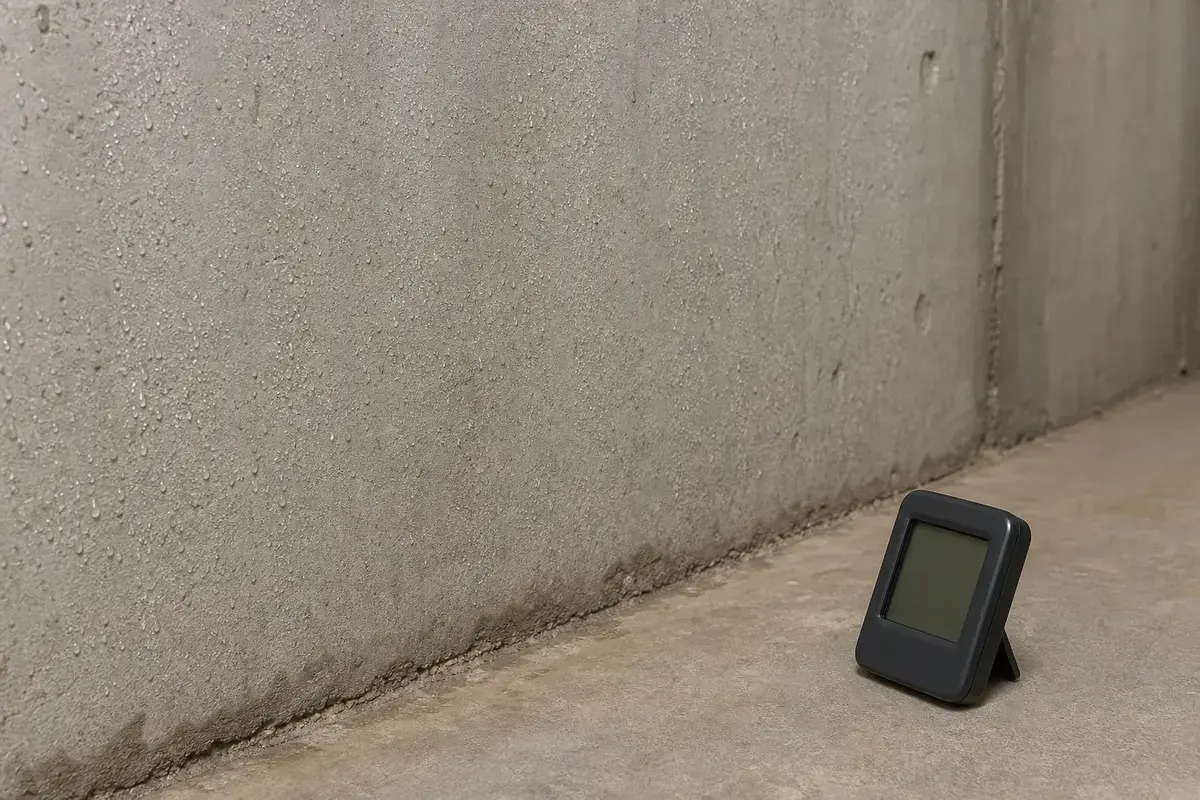
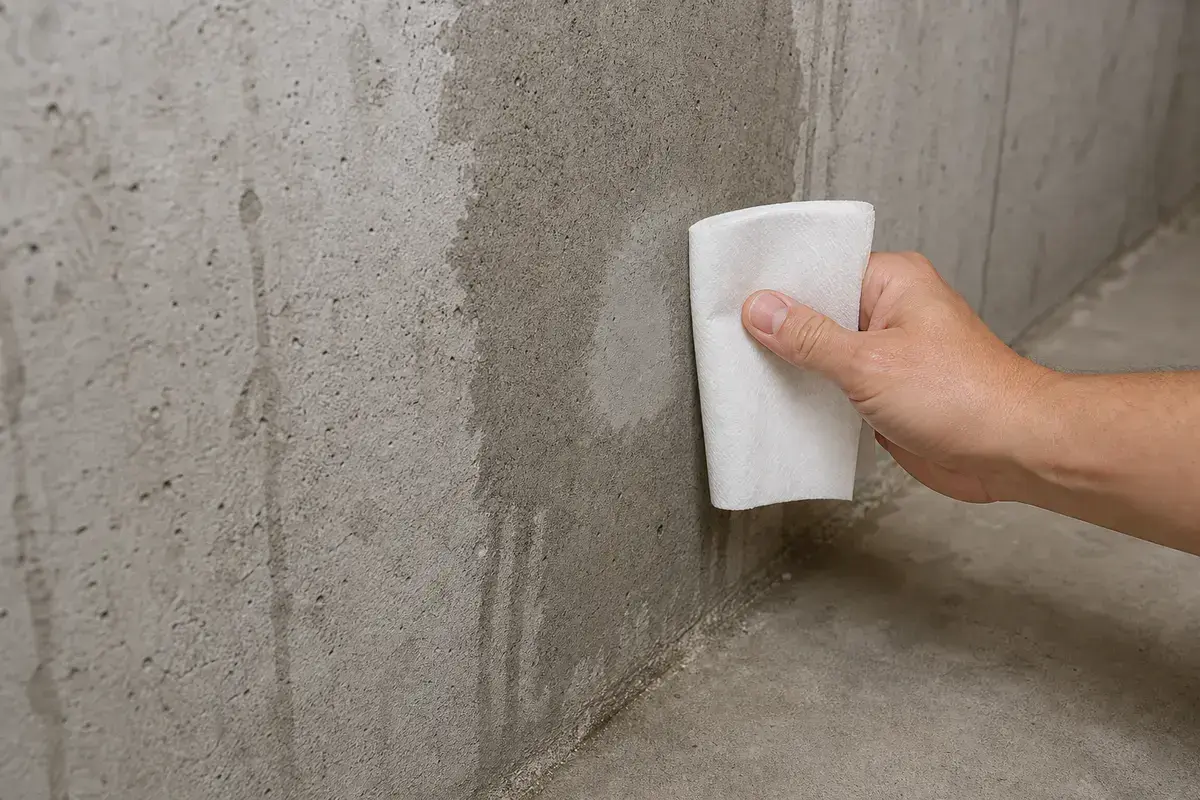
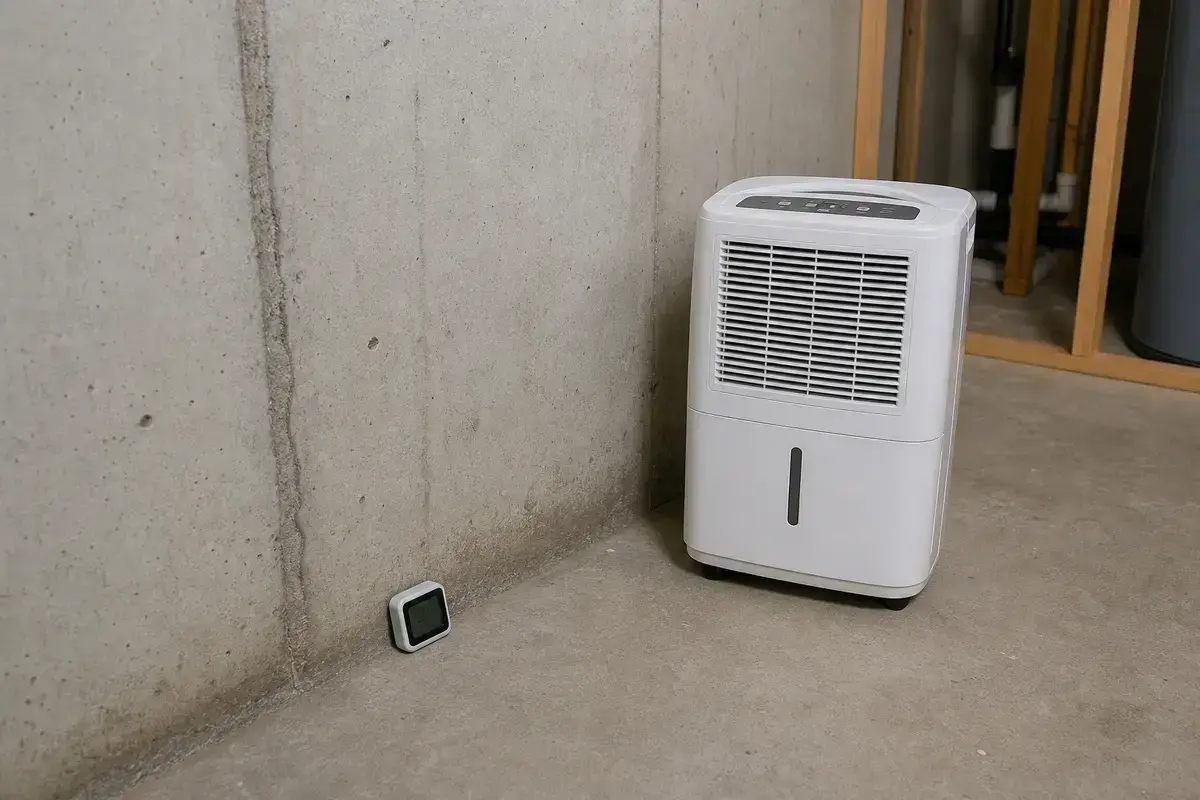
Match the exact diagnosis before shopping: condensation, seepage, or both. Confirm humidity, temperature, first wet point, storm timing, and safety before buying products.
The pattern tells you whether to chase room air or outside water.
Do not seal, insulate, or blow air at the wall until the wet pattern is proven.
Condensation needs humidity and a cold surface.
Seepage usually has a starting point.
Fix the path you actually proved.
Use these only after the pattern points to condensation or controlled humidity rather than active seepage.
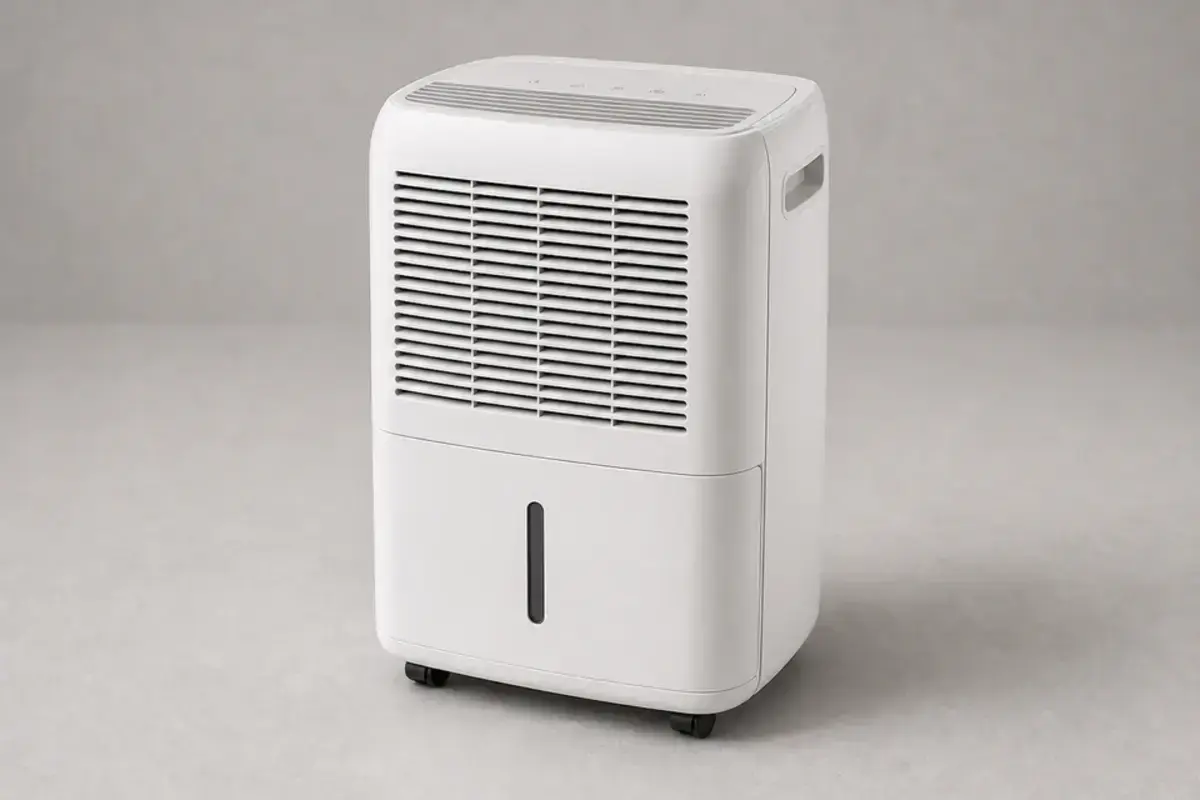
Helps when: Use a basement dehumidifier when high humidity and cold-wall readings explain the wet film.
Skip it when: Skip using a dehumidifier as the only fix if water starts at a crack, seam, or cove joint.
Compare basement dehumidifiers on Amazon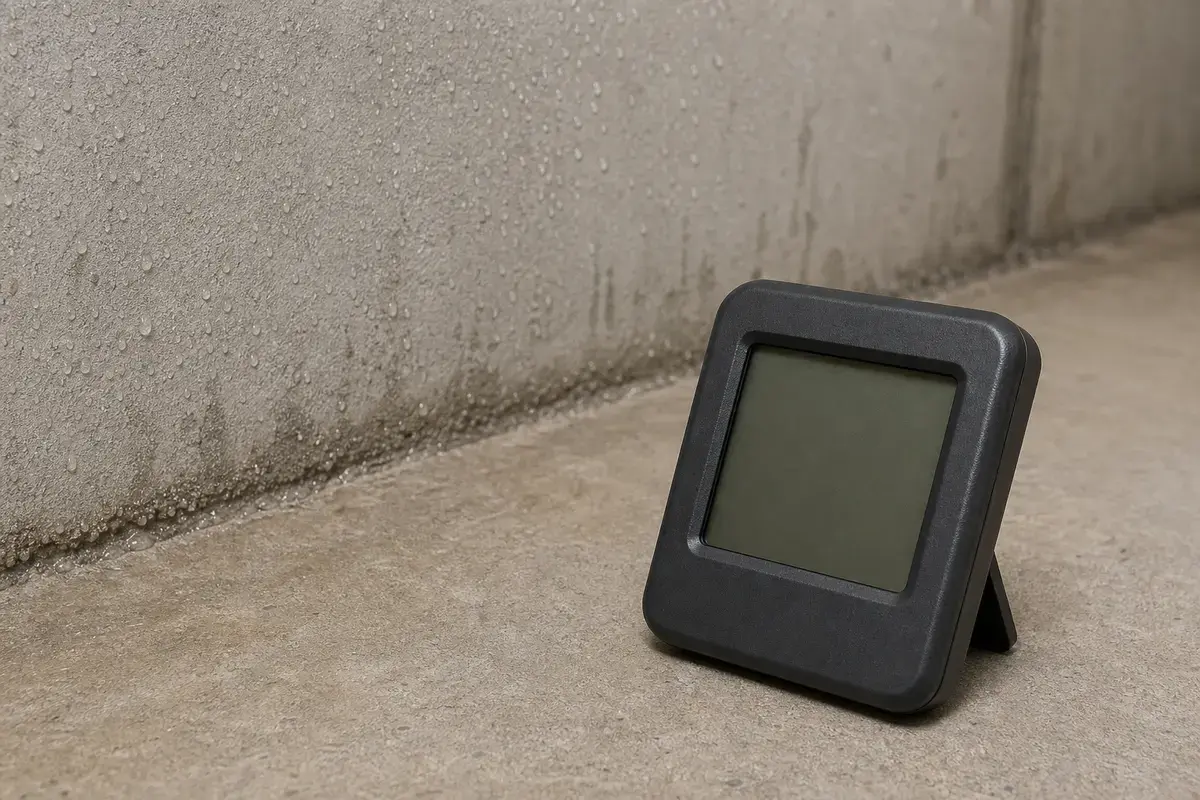
Helps when: Use a digital hygrometer to document humidity when the wall turns cold and wet.
Skip it when: Skip calling it seepage until humidity and wall temperature are checked.
Compare digital hygrometers on Amazon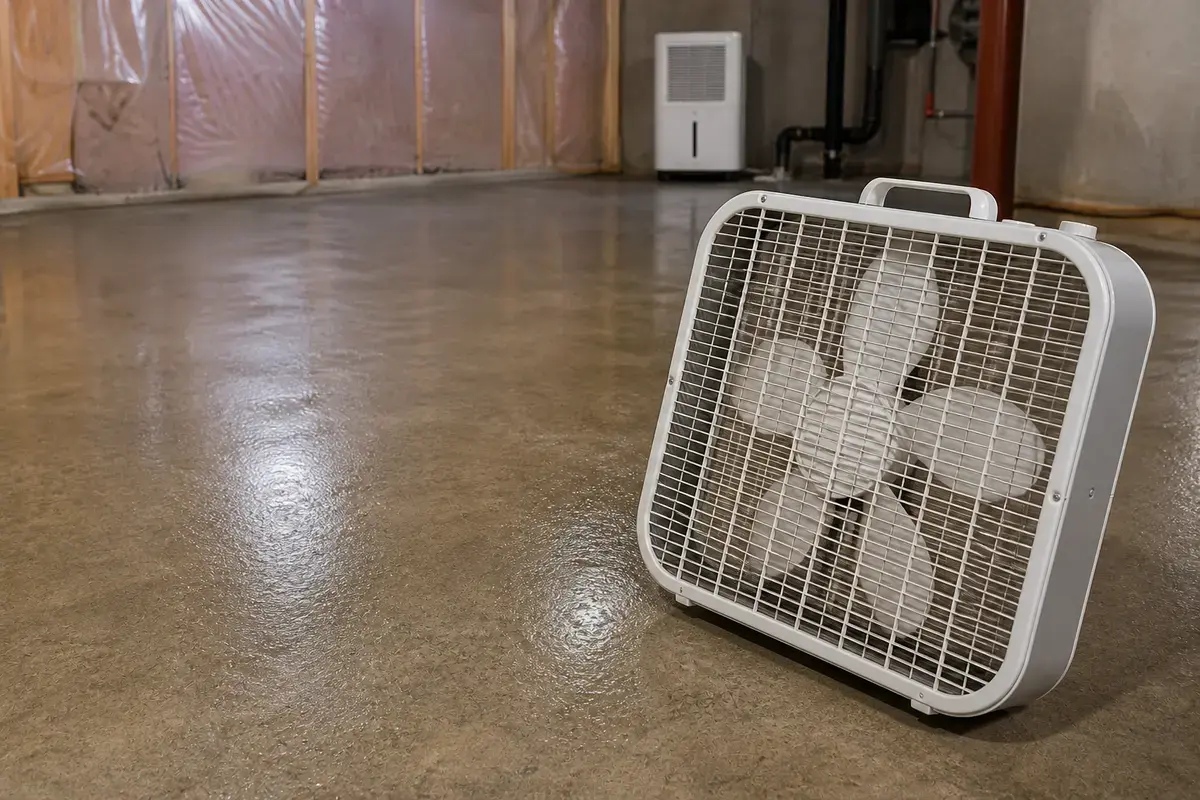
Helps when: Use an air mover or box fan with dehumidification to move dry indoor air across the wall.
Skip it when: Skip blowing humid outdoor air onto a cold wall because it can make condensation worse.
Compare air movers and box fans on AmazonAs an Amazon Associate I earn from qualifying purchases. Repair Riot may earn a commission at no extra cost to you.
Use these tools to separate surface condensation from seepage at a crack, seam, or cove joint.
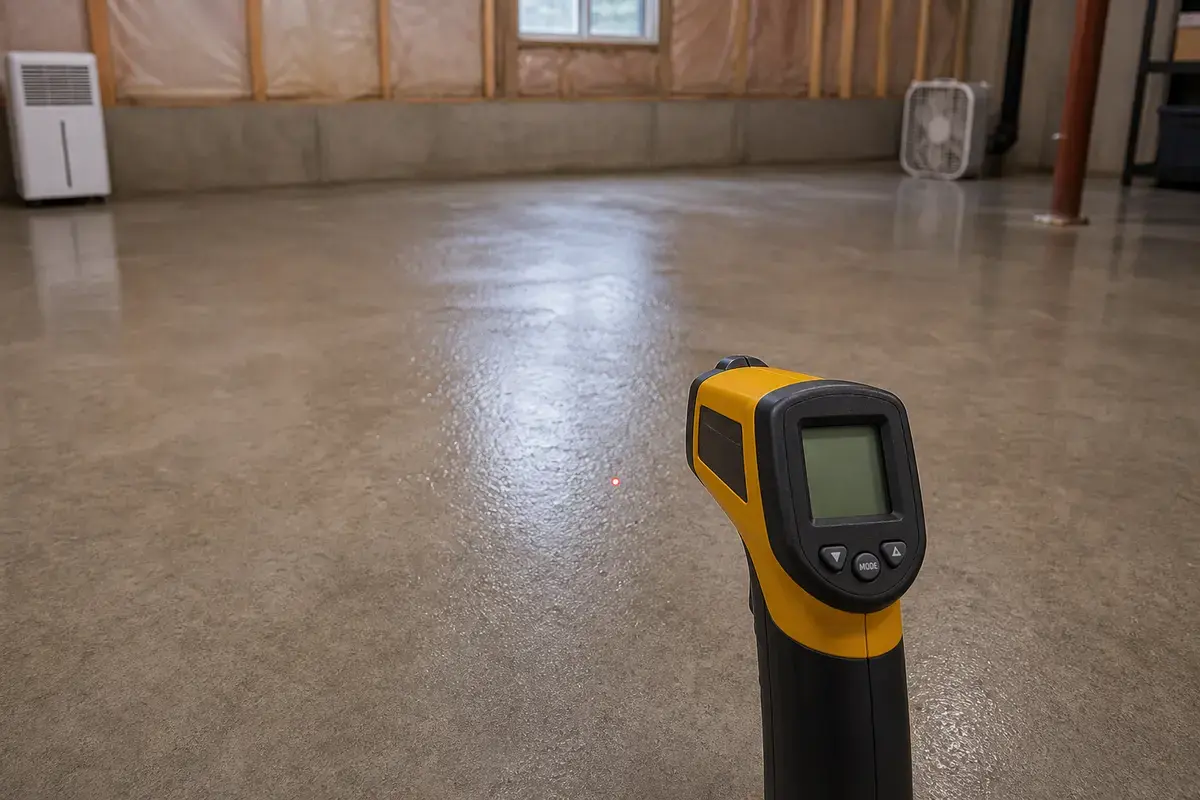
Helps when: Use an infrared thermometer to compare wall temperature with basement air dew point.
Skip it when: Skip sealer decisions if the wall is simply below dew point during humid weather.
Compare infrared thermometers on Amazon
Helps when: Use a microfiber cloth to wipe a test patch and watch whether beads return evenly.
Skip it when: Skip scrubbing or chemical cleaners during diagnosis because they can hide the return pattern.
Compare microfiber cloths on Amazon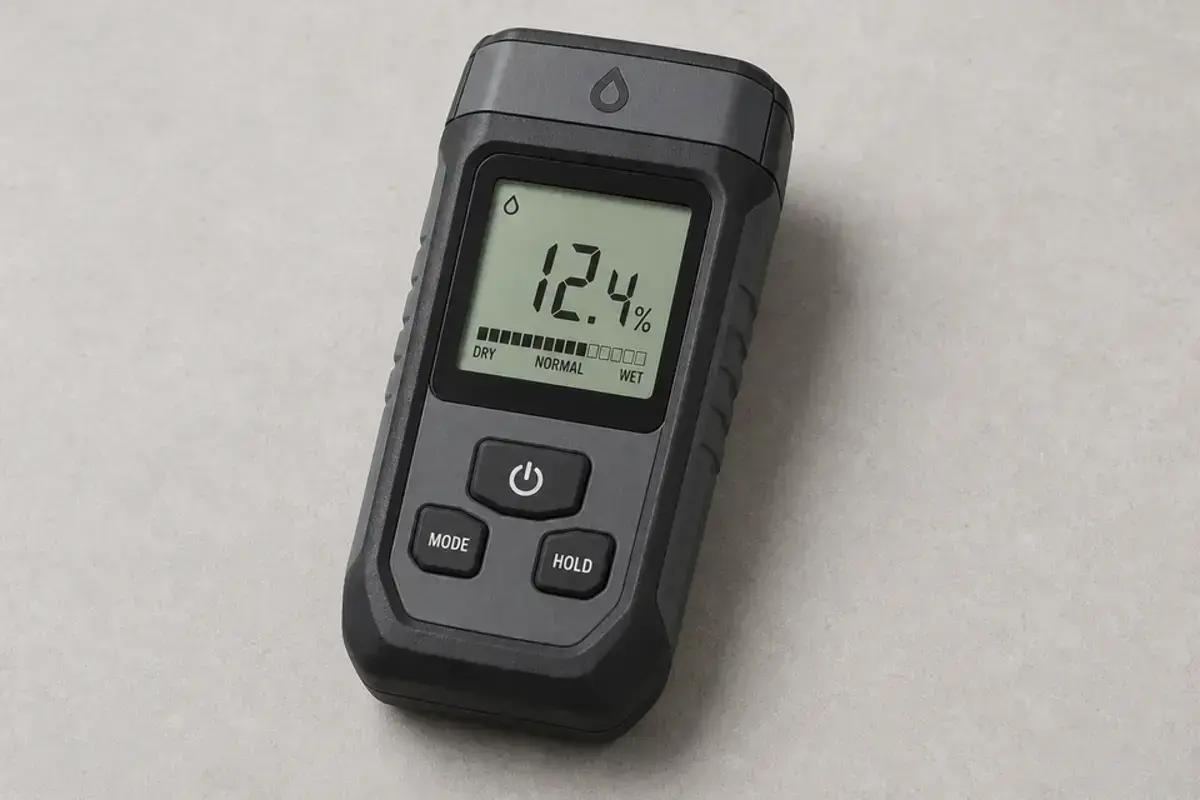
Helps when: Use a pinless moisture meter to compare wet-looking wall areas with dry control spots.
Skip it when: Skip one reading because condensation and seepage can overlap near the floor edge.
Compare pinless moisture meters on AmazonAs an Amazon Associate I earn from qualifying purchases. Repair Riot may earn a commission at no extra cost to you.
Usually the cause is condensation on a cold wall, seepage through the foundation, or both during wet humid weather.
Good clue: condensation forms as beads or a film; seepage starts from a crack, seam, window edge, or wall-floor joint.
Not first. Waterproof paint can hide the source and trap moisture if the diagnosis is wrong.
It helps if humidity is the branch, but it will not fix active seepage or outside drainage pressure.
Look for short downspouts, clogged gutters, low grade, patios, window wells, and wet soil aligned with the wall.
Yes. Shelves and boxes can trap humid air against the wall and create a damp pocket.
Call for wall movement, water under pressure, repeated seepage, electrical risk, or contaminated water.
Watch for the dried test patch to stay dry through the same humidity or rain trigger.
Repair Riot built this page around the practical split between surface condensation and true wall seepage: wet pattern, humidity, temperature, first wet point, and drainage timing.