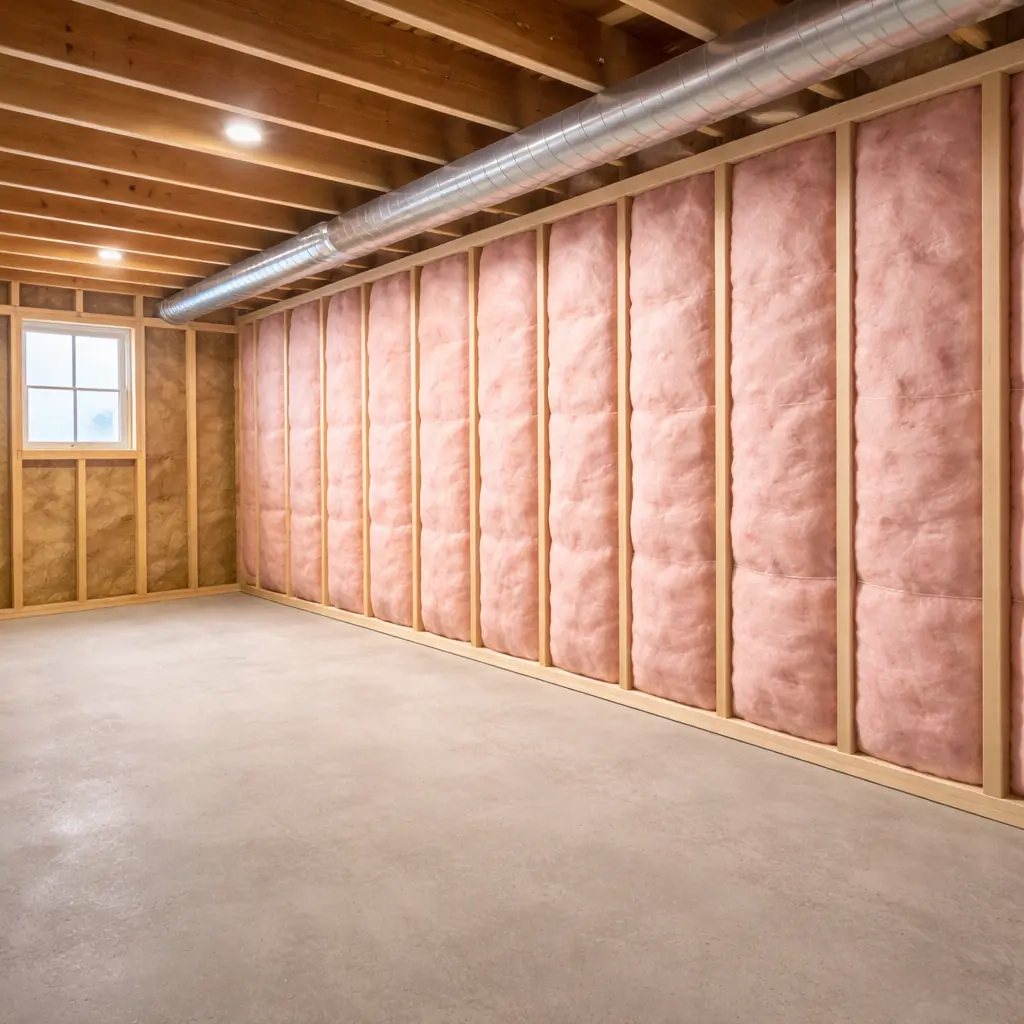
Basement corner smells musty
A musty basement corner usually means hidden moisture, not just stale air. Start with condensation vs seepage, check nearby walls and floor joints, and fix the source before cleanup.
Start by finding the moisture source behind stains, musty smells, condensation, damp walls, or recurring mold-like growth.
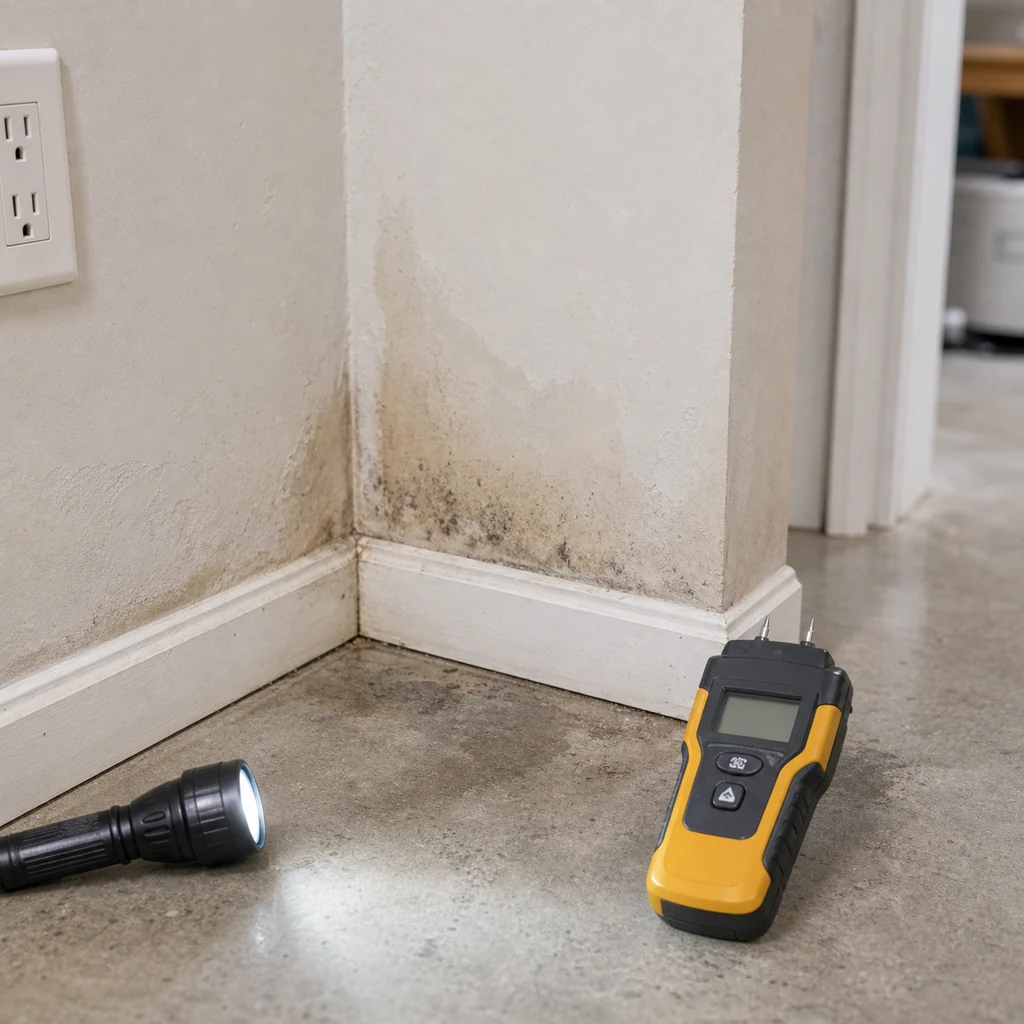
A musty basement corner usually means hidden moisture, not just stale air. Start with condensation vs seepage, check nearby walls and floor joints, and fix the source before cleanup.
Track down a musty smell in a basement or crawl space by separating damp air, active leaks, wet materials, and hidden mold-prone spots before you spend money on products.
If your basement gets humid after rain, start by separating condensation from actual water entry. Check windows, rim joists, walls, floor edges, gutters, grading, and dehumidifier performance before chasing mold products.
Track down a basement musty smell by separating damp air, hidden leaks, stored-item odor, and moldy materials before you waste time on sprays or cover-up products.
If your basement still smells musty while the dehumidifier runs, check for a dirty unit, poor drainage, hidden damp materials, and outside moisture getting in. Start with the easiest source checks first.
Track down why basement stairs smell musty by checking for damp stair framing, wall condensation, hidden leaks, and air movement from the basement before you start cleaning.
Bathroom wall condensation usually points to humid air, weak exhaust, or a cold wall surface. Start by separating steam buildup from a true leak before patching or painting.
Track down a moldy smell in a bedroom by separating humidity, window condensation, hidden leaks, and soft materials holding odor before you start tearing into walls.
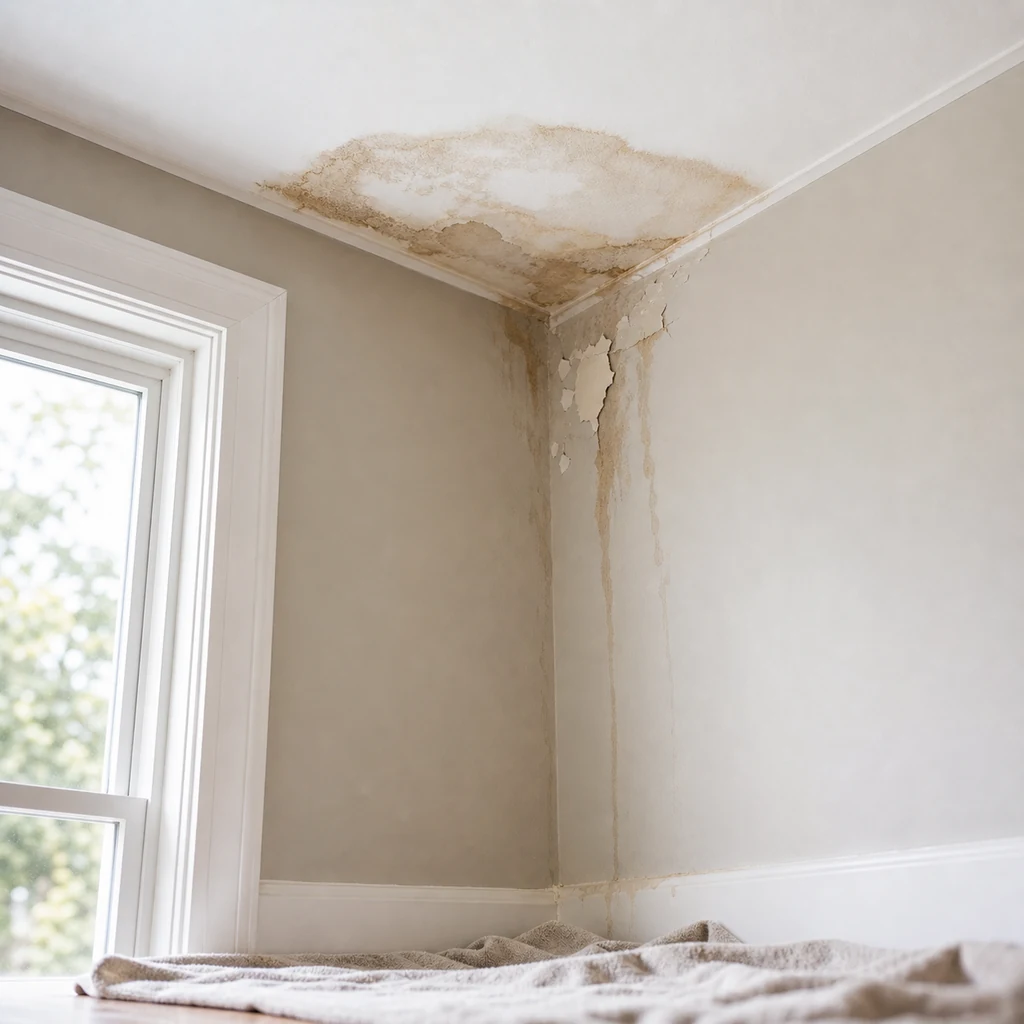
Black spots on a ceiling usually point to moisture, condensation, or a leak. Start by separating surface mildew from active water damage so you fix the source before repainting.
A musty closet usually means trapped humidity, damp contents, or a hidden moisture source nearby. Start with simple checks, separate condensation from leaks, and know when to call for help.
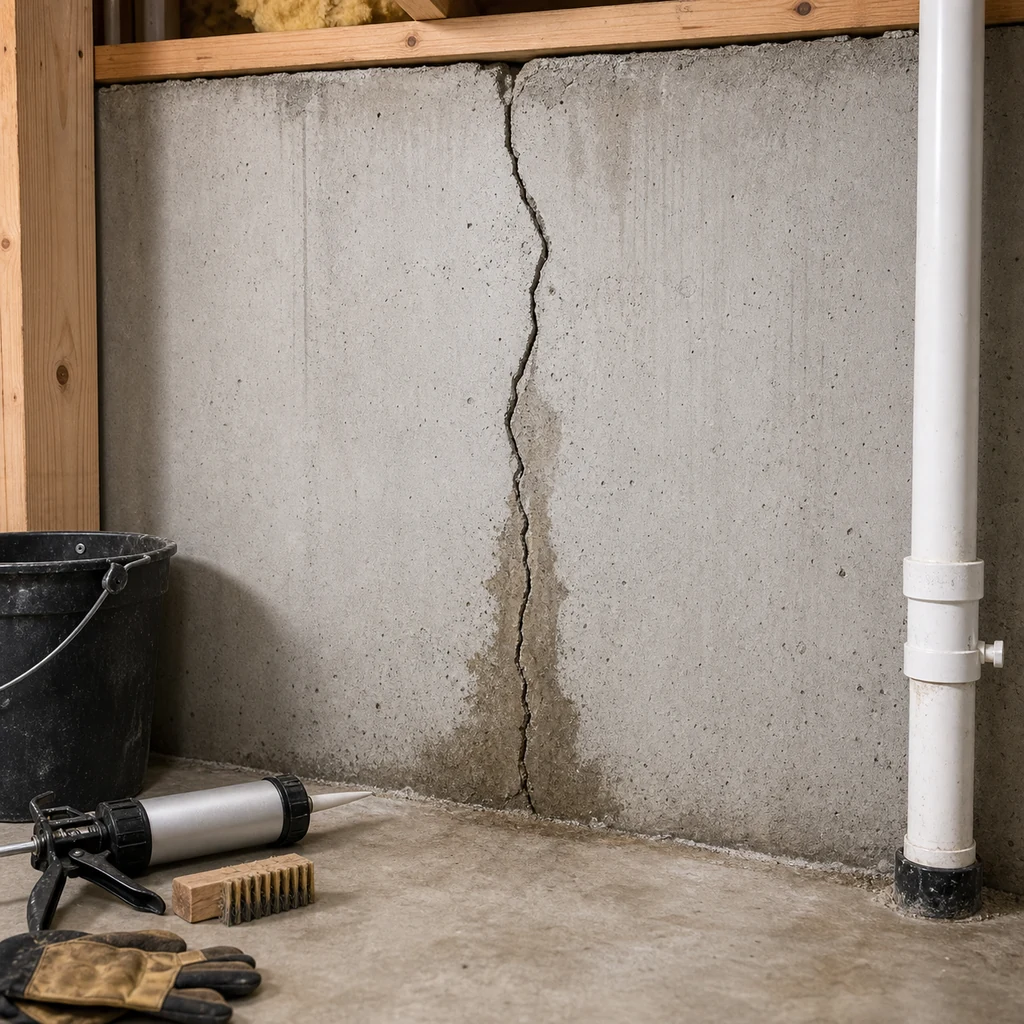
Find out whether moisture on basement walls is simple condensation or a true water leak, then fix the source before mold and damage spread.
Find out whether cold water pipe moisture is normal sweating, a hidden leak, or a humidity problem before stains or mold start.
Find out why pipes are sweating, how to tell condensation from a true leak, and what to fix first before moisture turns into mold or water damage.
Find out why condensation is forming on your walls, separate indoor humidity from a true leak, and take the right next step before mold or paint damage gets worse.
A musty crawl space often points to damp soil, standing water, a torn vapor barrier, or a plumbing leak. Find and stop the moisture source before cleanup.
A musty crawlspace usually means damp materials, stale air, or a hidden water source. Start with standing water, wet soil, and duct or plumbing leaks before trying odor products.
Track down a damp smell under stairs by separating humidity, hidden leaks, wet materials, and crawl space or basement moisture before you start tearing things open.
Track down an upstairs mildew smell by separating bathroom humidity, window condensation, attic moisture, and hidden leaks before you start cleaning or opening walls.
A musty smell after a storm usually means damp materials, trapped humidity, or a hidden leak path. Start with the wettest area, separate basement and attic clues early, and dry the source before cleaning.
Track down a mildew smell in a spare room by separating humidity, window condensation, hidden leaks, and HVAC odor carryover before you start cleaning or opening walls.
Find out whether mildew on drywall is from surface humidity, condensation, or an active leak, and know when cleaning is enough and when the drywall needs to come out.
Find out whether mold around window trim is from condensation, a small air leak, or a real water leak. Start with safe cleanup, moisture checks, and source-first repair steps.
Find out why mold forms behind furniture on an exterior wall, how to tell condensation from a leak, and what to do before it spreads or damages drywall.
Track down a mold smell in the house by separating condensation, hidden leaks, damp materials, and HVAC-related moisture before cleanup or repairs.