Puddle starts at perimeter?
Trace the outside thaw path at the matching wall.
A basement floor puddle after snow melt usually means thaw water is loading the foundation and exiting at the easiest point. Start by separating tracked-in water, condensation, cove-joint seepage, and slab-crack seepage.
The common pattern is snow piled near the wall, short downspouts, frozen discharge paths, or negative grade sending meltwater to the same foundation section.
Snowmelt exposes drainage mistakes because water arrives slowly and repeatedly. Mark the first wet point inside, then walk directly outside to the matching foundation section.
Don’t start with: Do not start by caulking the nearest crack or painting the floor. First trace where meltwater is collecting outside and where the first wet point appears inside.
Trace the outside thaw path at the matching wall.
Move snow away and keep meltwater from refreezing near the foundation.
Extend or clear discharge before patching inside.
Check crack moisture, offset, and movement after the thaw.
Rule out condensation from warm humid air over a cold slab.
Snowmelt repairs work only when the inside wet point is tied to the outside melt path.
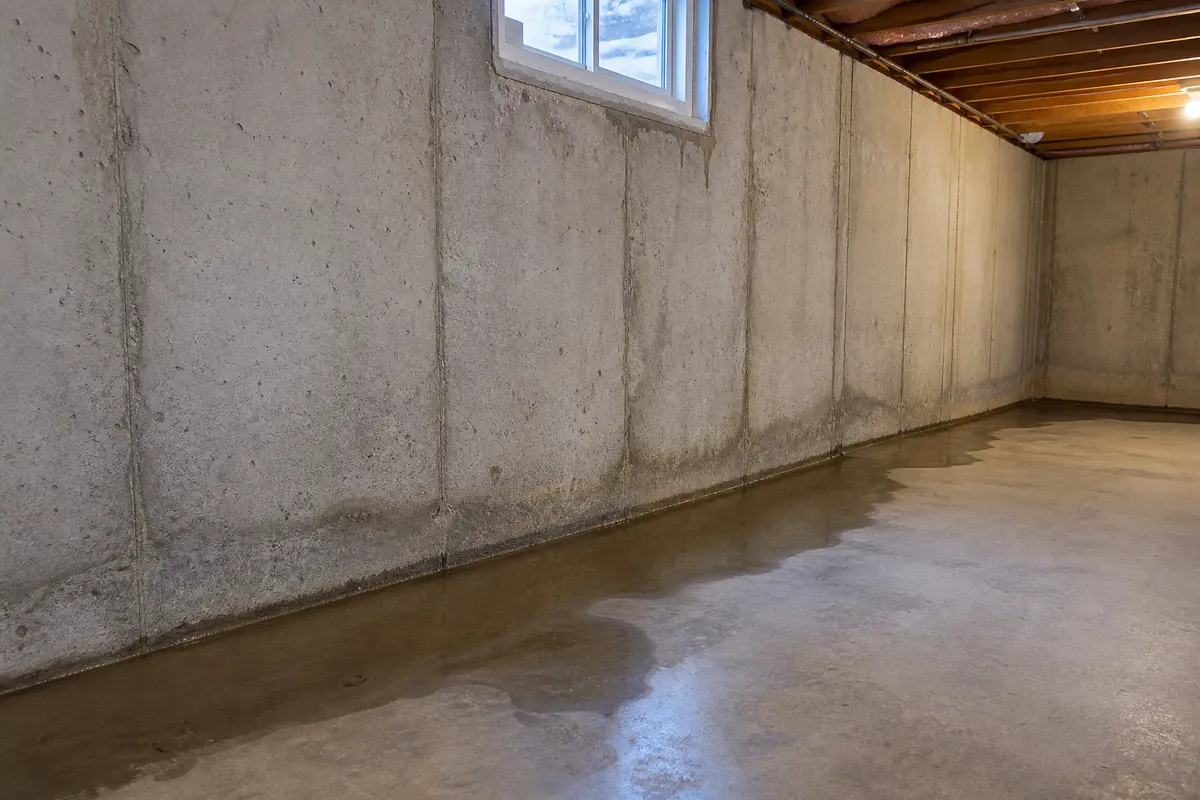
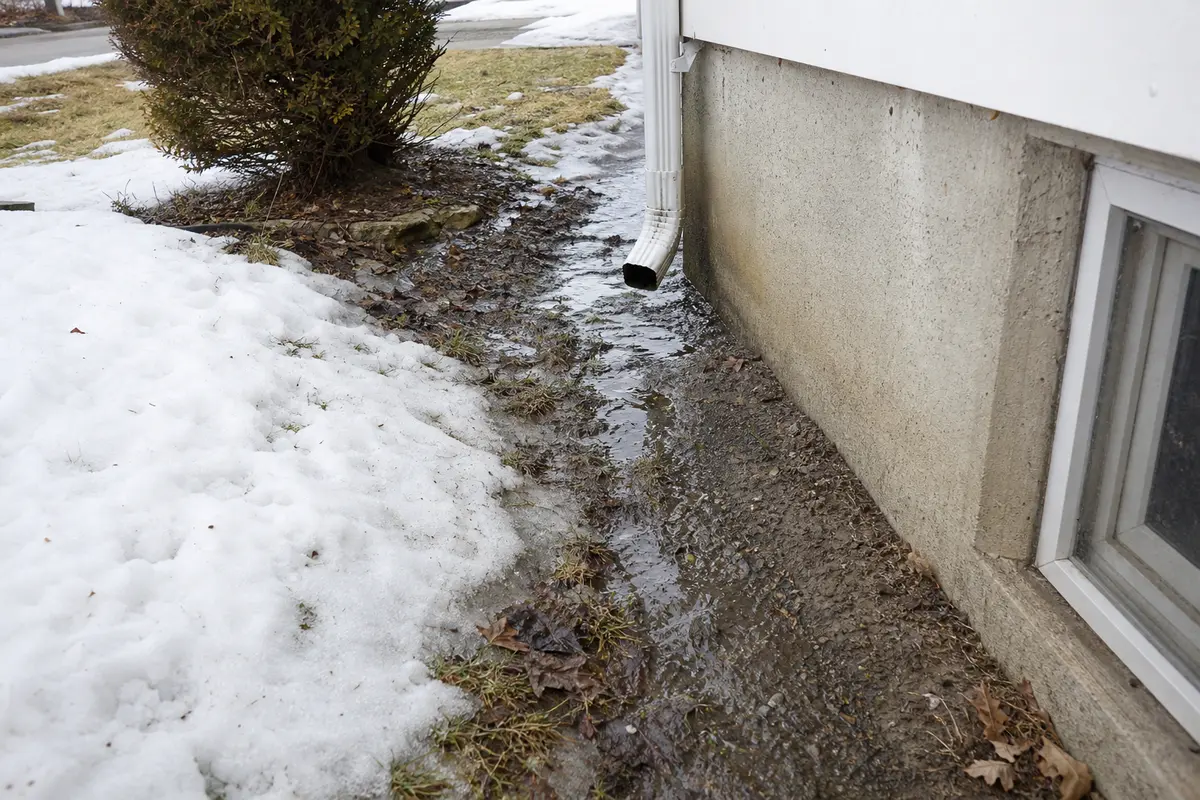
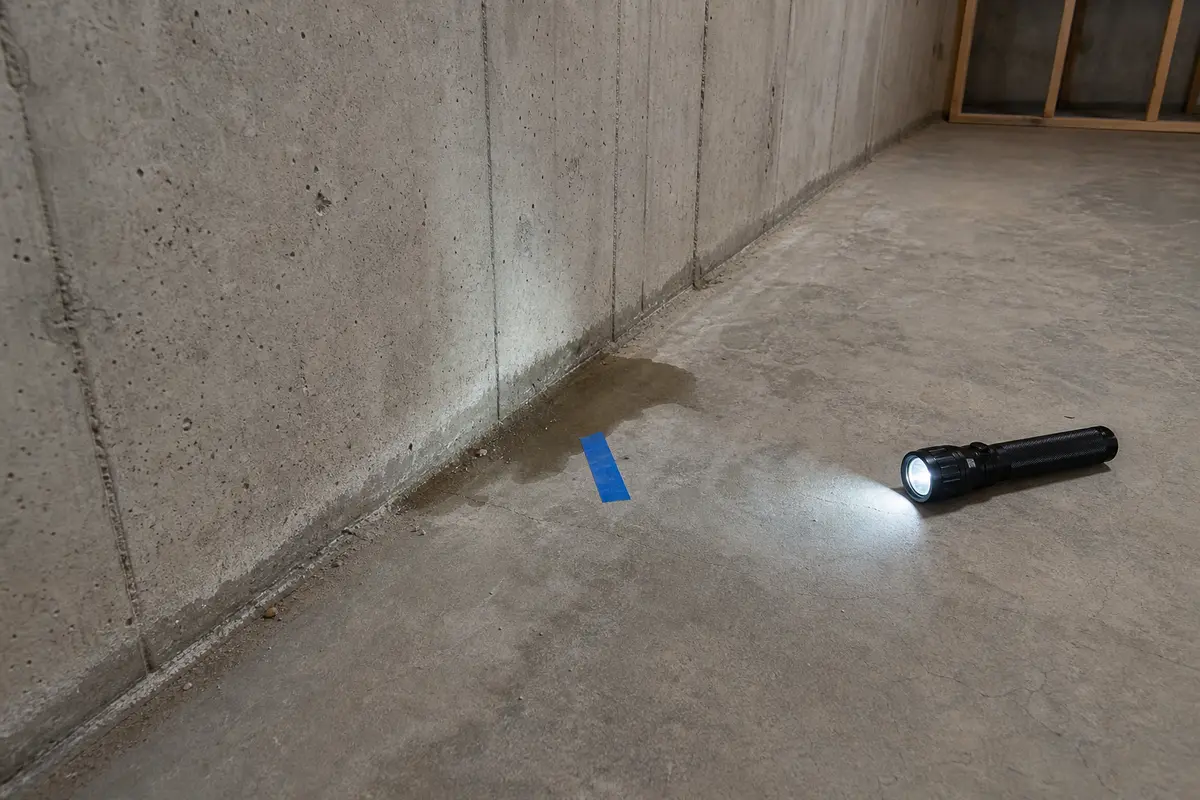
Match the exact diagnosis before shopping. Confirm where the puddle starts, where snow and runoff collect outside, whether downspouts are clear, and whether the water is clean and safe to handle.
Snowmelt water usually follows grade, discharge, and frozen outlet paths.
Interior patching fails when thaw water is still being delivered outside.
Check the outside path while the thaw clue is still visible.
Fix the thaw delivery path before choosing any interior material.
Use these only when the outside thaw path matches the inside puddle.
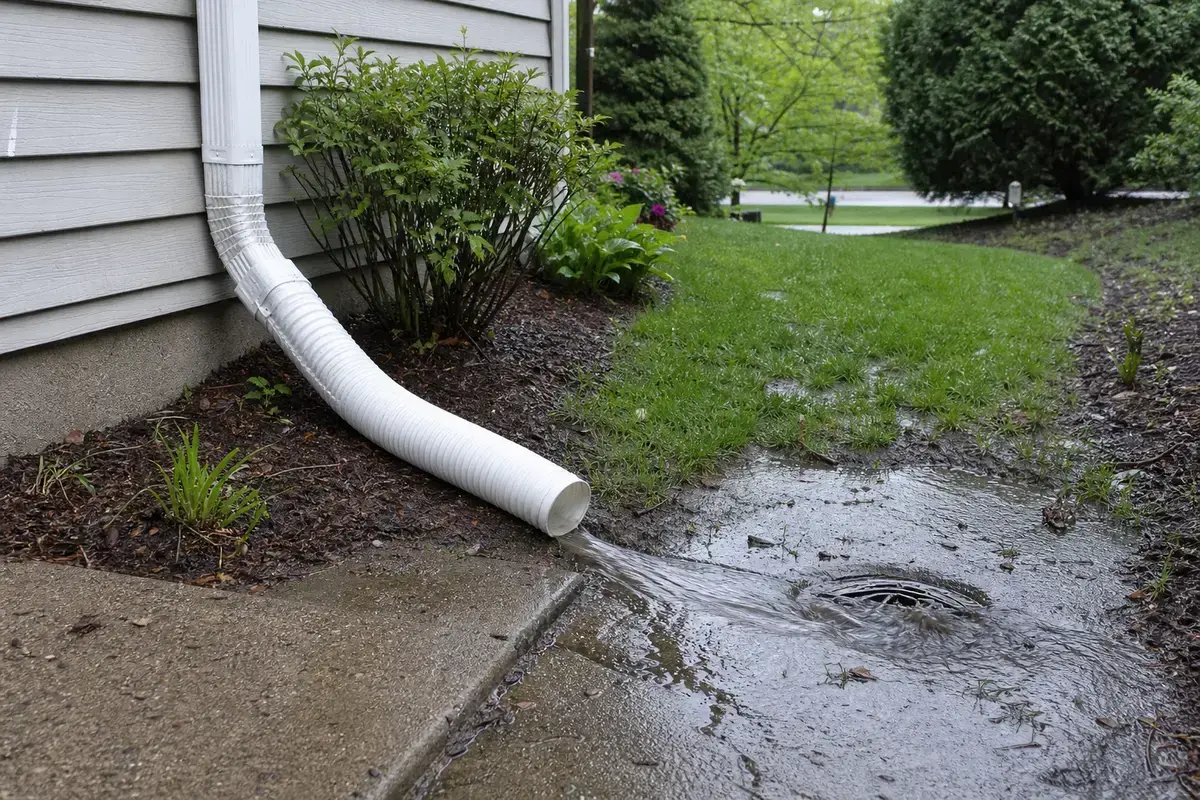
Helps when: Use when the wet basement area lines up with roof runoff landing near the foundation.
Skip it when: Skip if grading, buried drainage, sump discharge, or a plumbing source is the main water path.
Compare downspout extensions on Amazon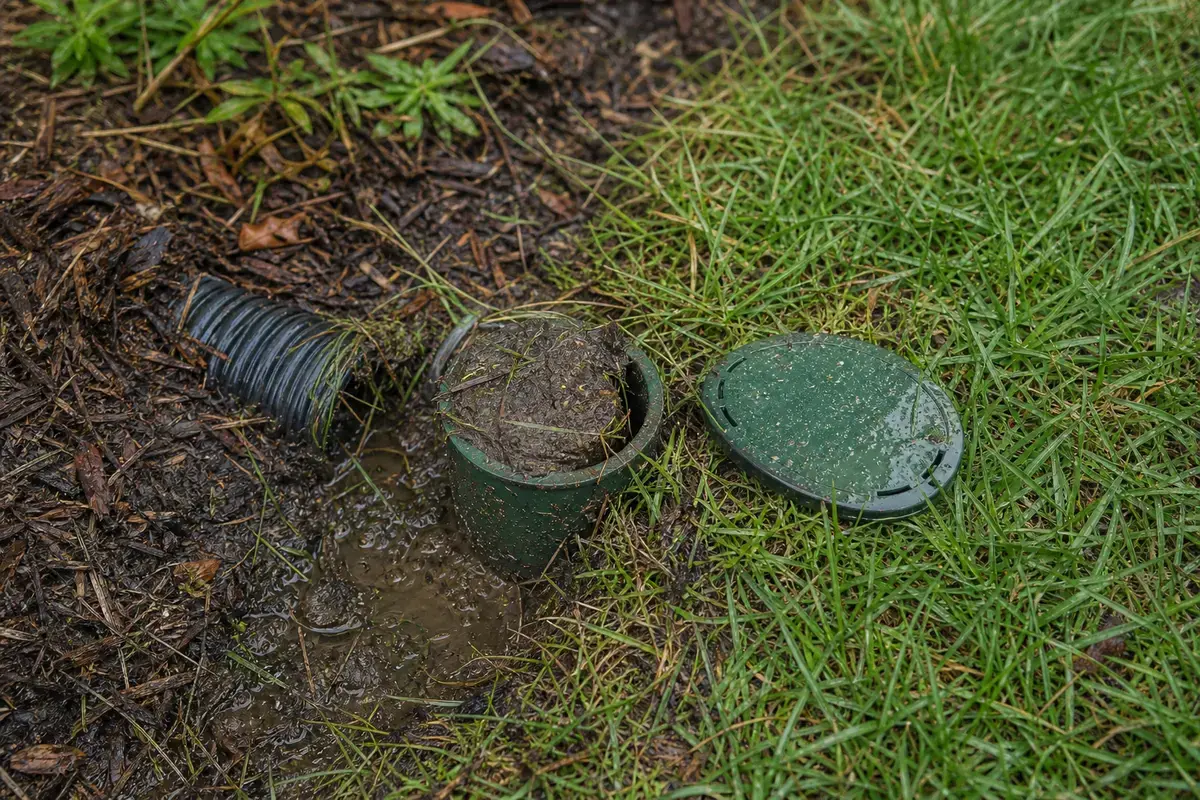
Helps when: Use when the wet basement area lines up with roof runoff landing near the foundation.
Skip it when: Skip if grading, buried drainage, sump discharge, or a plumbing source is the main water path.
Compare downspout extensions on AmazonAs an Amazon Associate I earn from qualifying purchases. Repair Riot may earn a commission at no extra cost to you.
These support snow removal, documentation, and small clean-water cleanup.
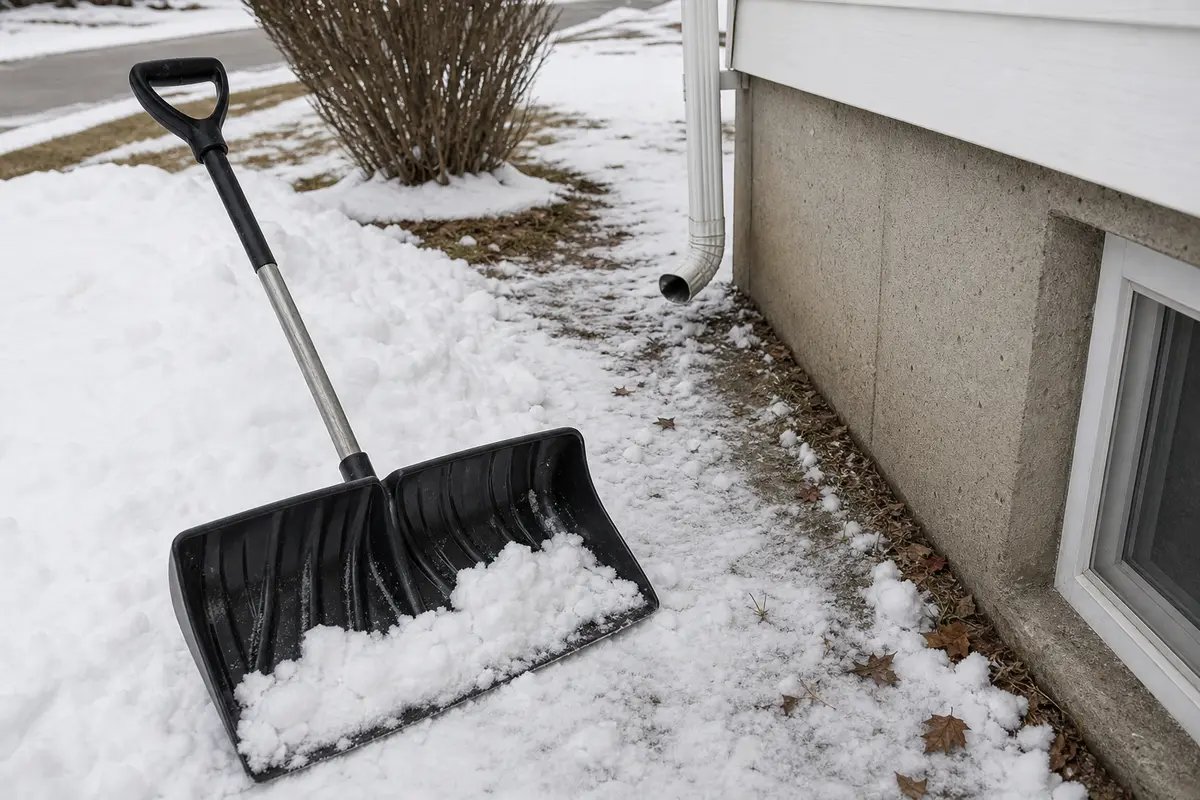
Helps when: Use to move packed snow away from the foundation edge before the next thaw.
Skip it when: Skip piling snow where meltwater runs back toward the foundation or blocks a drain outlet.
Compare snow shovels on Amazon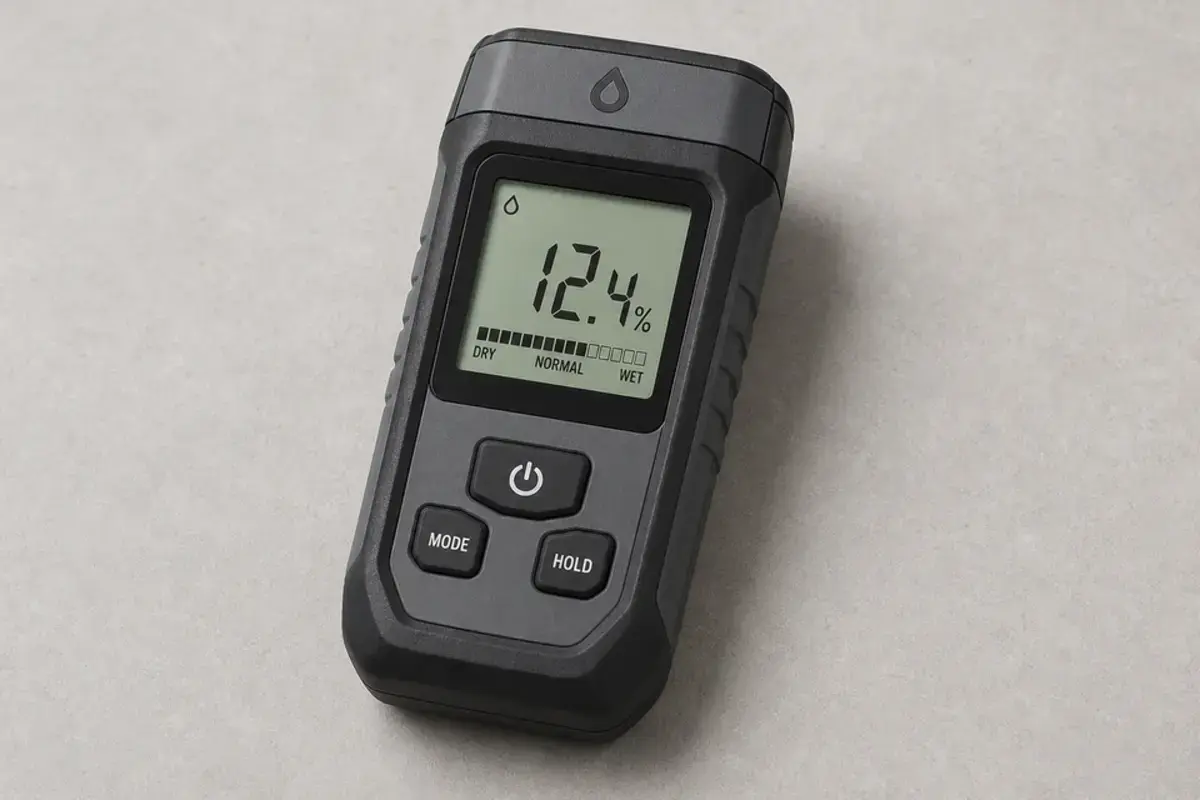
Helps when: Use to compare the wet area with nearby dry wall, floor, cove joint, or control area before patching.
Skip it when: Skip treating meter readings as proof by themselves; pair them with rain, thaw, humidity, and visible clues.
Compare pinless moisture meters on Amazon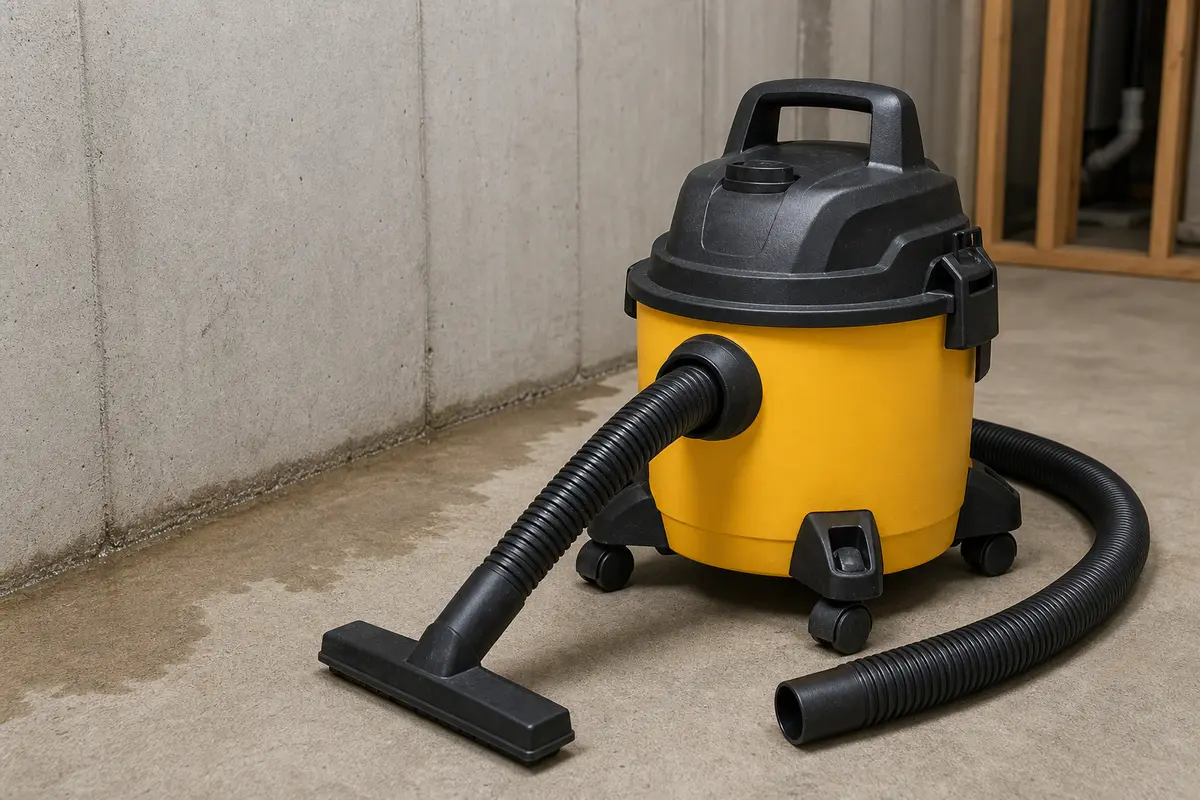
Helps when: Use for small clean-water pickup after the source slows, is contained, or has stopped.
Skip it when: Skip for sewage, unknown contaminated water, active electrical hazards, or water that keeps entering.
Compare wet/dry vacuums on Amazon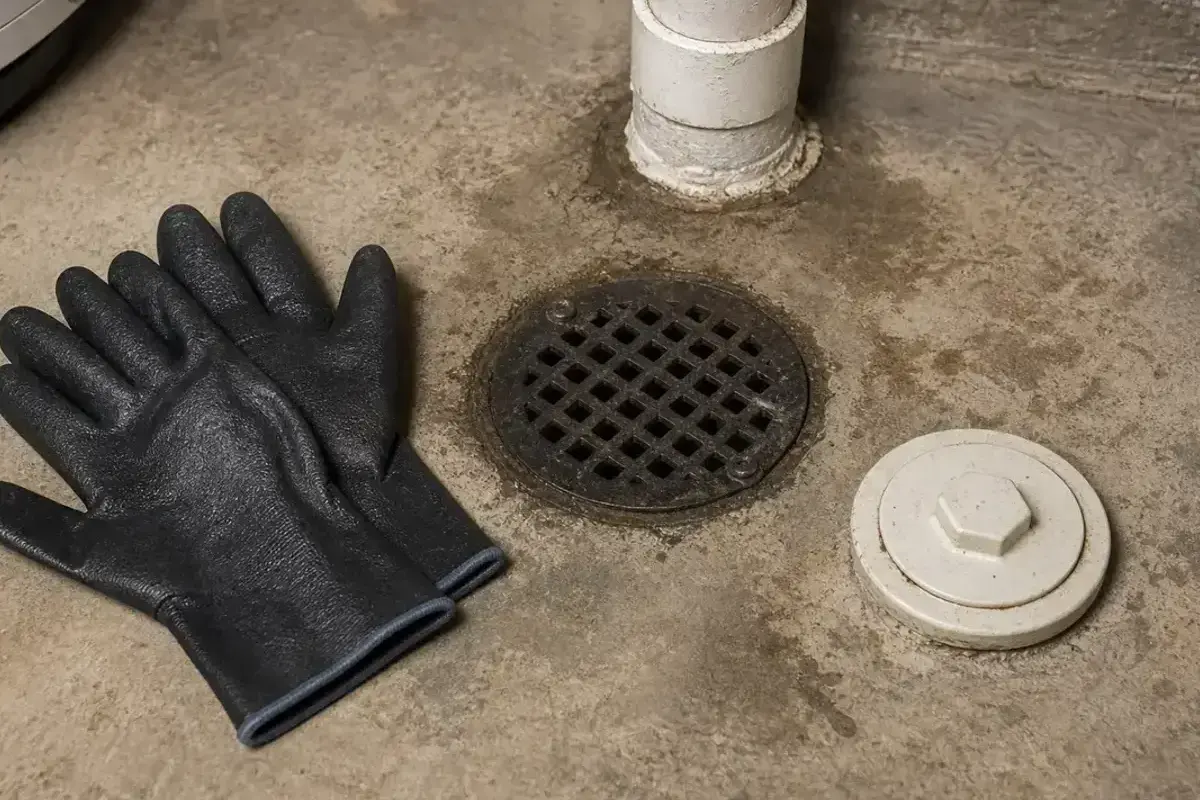
Helps when: Use when moving damp storage, wiping masonry, handling cleanup towels, or brushing dirty repair areas.
Skip it when: Skip hands-on cleanup for sewage, mold growth, sharp debris, or wet electrical components.
Compare waterproof work gloves on AmazonAs an Amazon Associate I earn from qualifying purchases. Repair Riot may earn a commission at no extra cost to you.
Thaw water can collect beside the foundation for hours or days, then exit at the cove joint, a crack, a window well, or another weak point.
Yes, when it is safe. Keep snow piles, slush, and roof discharge away from foundation walls, window wells, and downspout outlets.
Not first. If thaw water keeps loading the outside wall, an inside coating usually hides the clue and may fail.
Water can travel across a slab after starting at the perimeter. Dry the area and find the first wet point before assuming the middle is the source.
It can be. A broad slick film with high humidity and no weather path is a condensation clue, even during thaw season.
Call for repeated thaw seepage, fast inflow, wall movement, slab heave, water near electrical equipment, or drainage that requires excavation.
The same wet point should stay dry through a comparable thaw after snow is moved and discharge is extended away.
No. It helps with small clean-water pickup, but the fix is controlling the thaw water path.
Repair Riot built this page around snowmelt clues: thaw timing, perimeter puddles, downspout discharge, snow storage, condensation lookalikes, and drainage-first verification.