Only opens in cold weather?
Track width through seasons.
A basement wall crack that opens in winter usually needs monitoring before repair. First track width, wall flatness, moisture, and snow or downspout pressure; good clue: a flat dry vertical crack is different from an offset or wet crack.
The usual drivers are seasonal concrete movement, cold soil pressure, snowmelt against the wall, or drainage that freezes and loads one foundation section.
Watch for widening, fresh dust, damp edges, or block movement when temperatures swing.
Don’t start with: Do not start by smearing filler over the crack. Blind patching hides the width change, water timing, and wall-plane clues.
Track width through seasons.
Monitor before cosmetic repair.
Check snowmelt and drainage load.
Treat as movement and escalate.
Do not treat as a simple seal job.
Winter cracks need comparison through temperature and moisture changes.
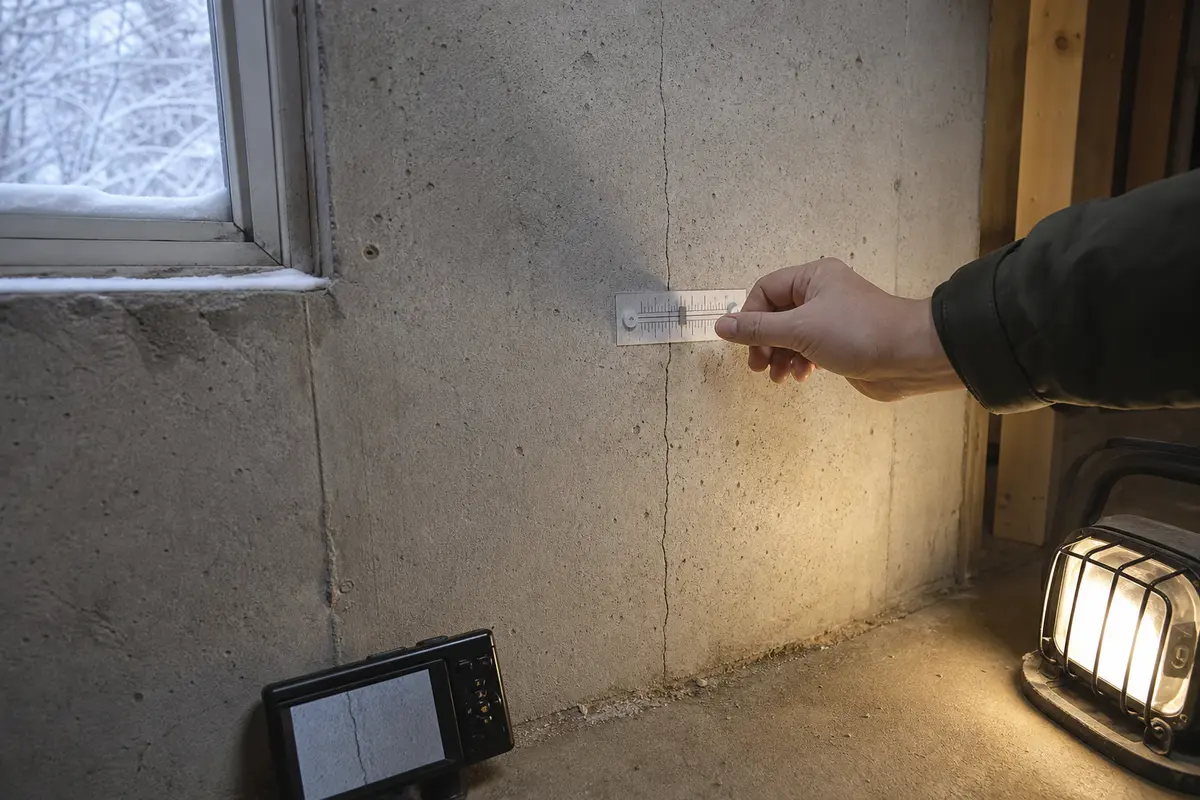
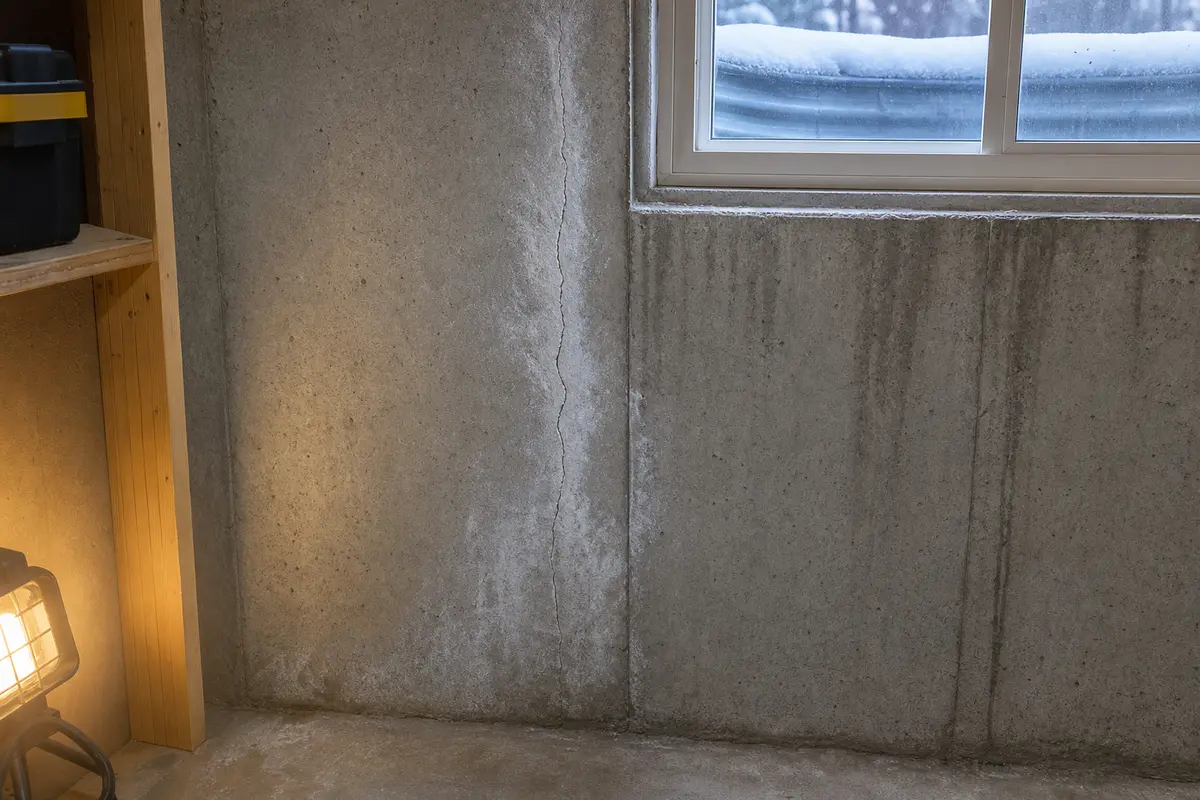
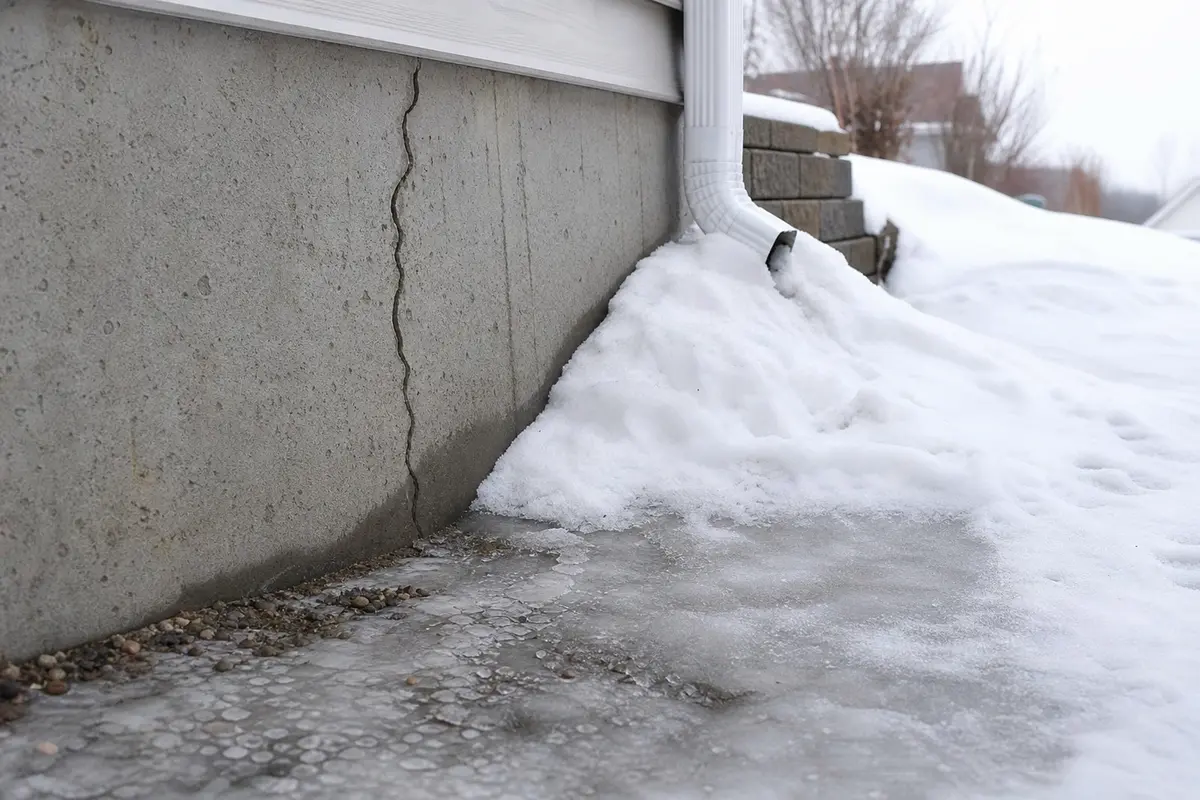
Match the exact diagnosis before shopping: crack type, wall plane, width change, moisture, outside snowmelt load, and whether the wall is stable.
Seasonal movement is about comparison, not one photo.
Do not seal a winter-opening crack until movement, moisture, and wall plane are documented.
Wall shape decides whether this is monitor-and-seal or evaluate.
Cold weather can change how water loads the wall.
Seal only after the crack proves the right path.
Use these only after winter movement is documented and the wall is stable enough for homeowner-level work.
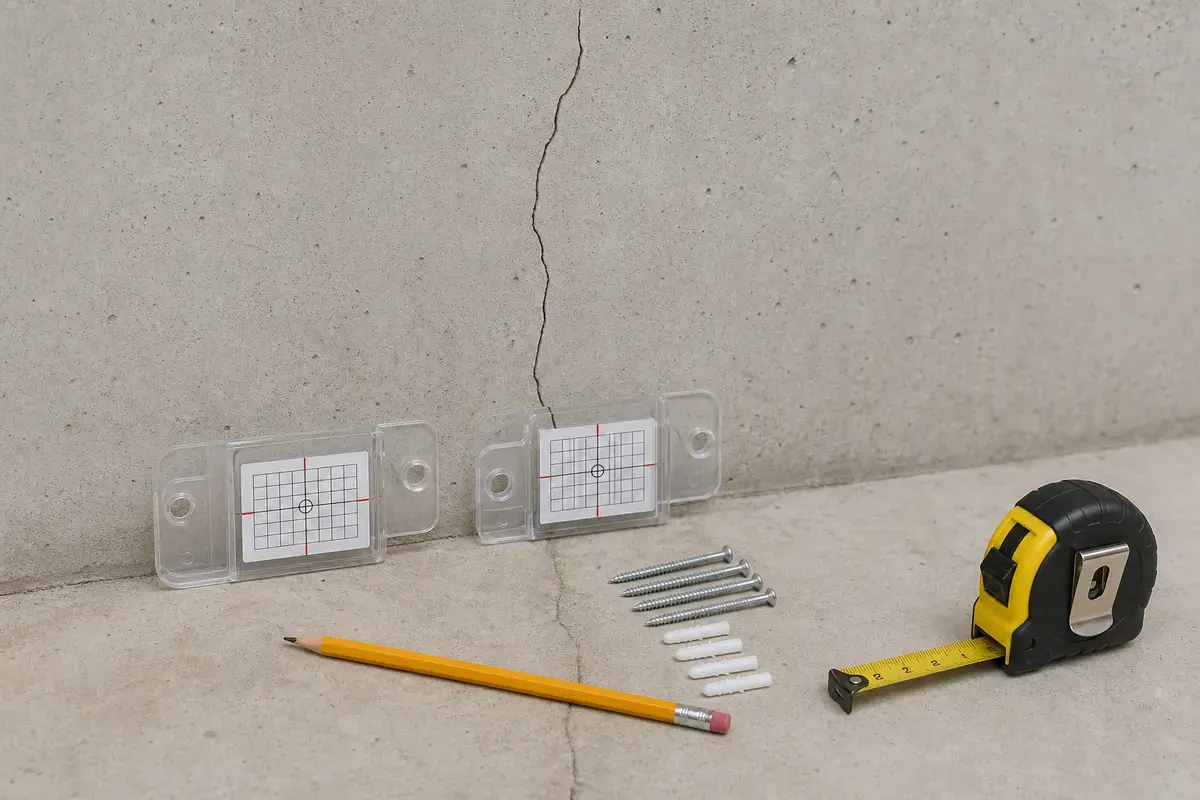
Helps when: Use a crack monitor gauge to track whether the winter-opening crack changes through temperature swings.
Skip it when: Skip cosmetic patching if the gauge shows movement or the wall is offset.
Compare crack monitor gauges on Amazon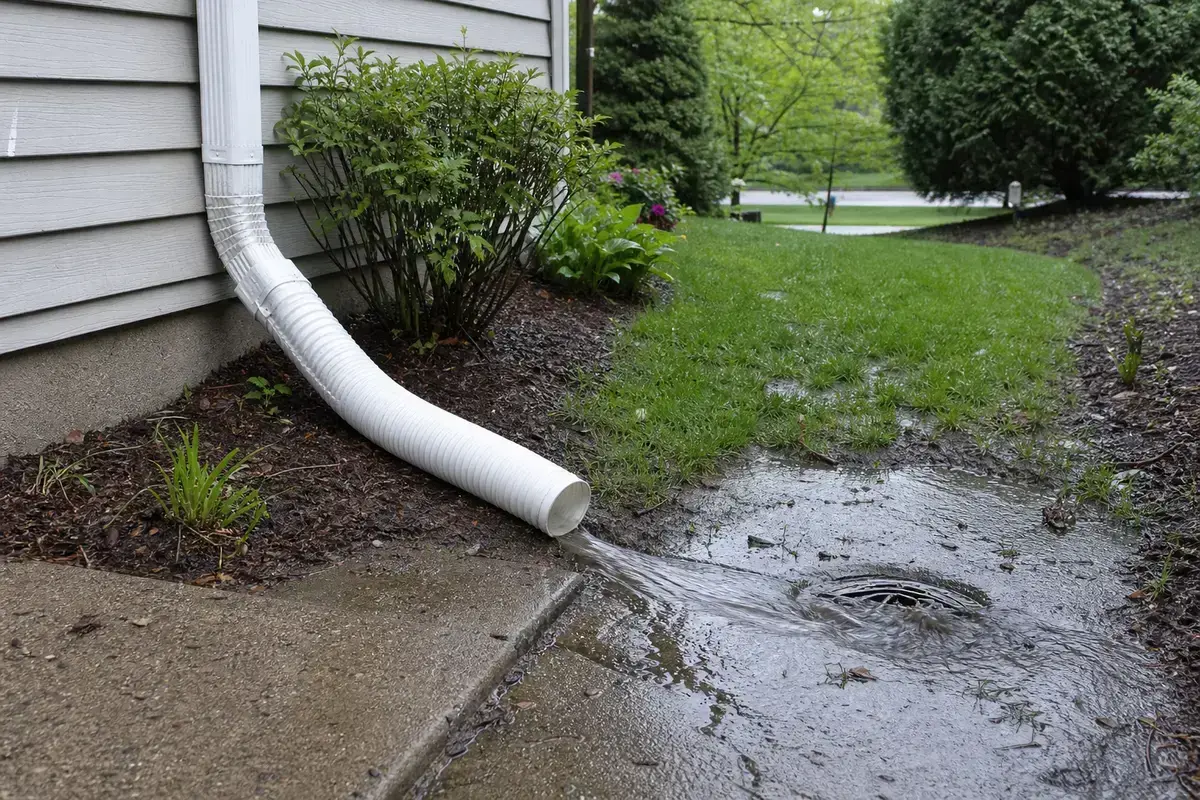
Helps when: Use a downspout extension when snowmelt or roof runoff loads the wall near the winter crack.
Skip it when: Skip interior repair first if blocked drainage still sends meltwater to the foundation.
Compare downspout extensions on Amazon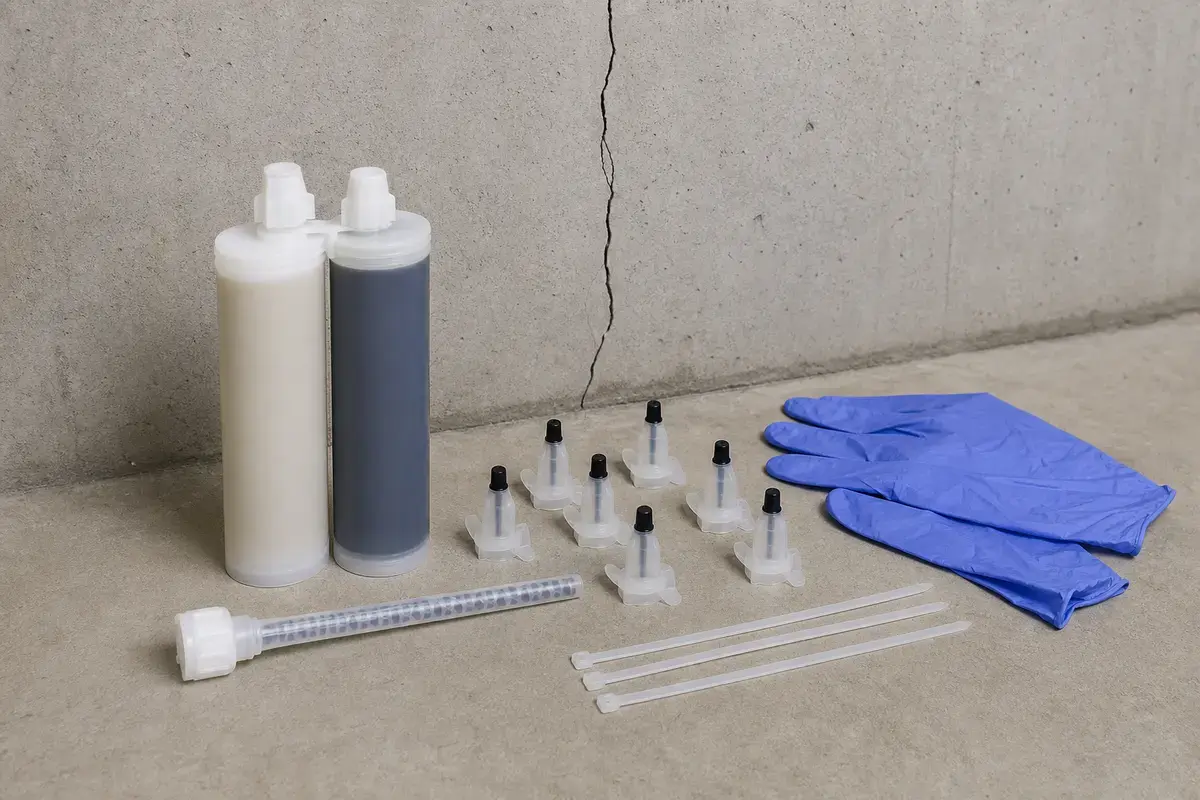
Helps when: Use a foundation crack injection kit only for a stable, suitable crack after seasonal movement and moisture are understood.
Skip it when: Skip injection for moving, offset, horizontal, or pressure-leaking cracks.
Compare foundation crack injection kits on AmazonAs an Amazon Associate I earn from qualifying purchases. Repair Riot may earn a commission at no extra cost to you.
Use these tools to document width, wall plane, and moisture changes through winter.
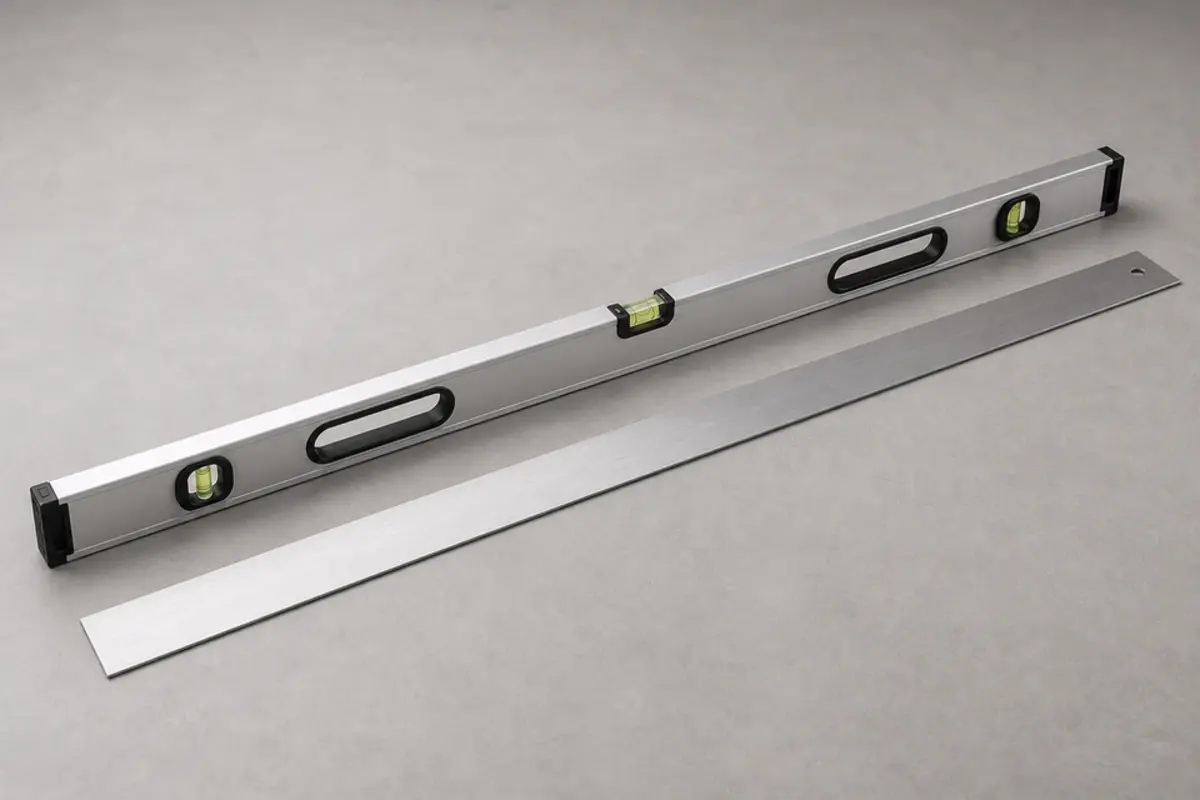
Helps when: Use a 4-foot level or straightedge to check whether the wall plane changes near the crack.
Skip it when: Skip guessing by eye; winter movement needs repeatable checks.
Compare 4-foot levels and straightedges on Amazon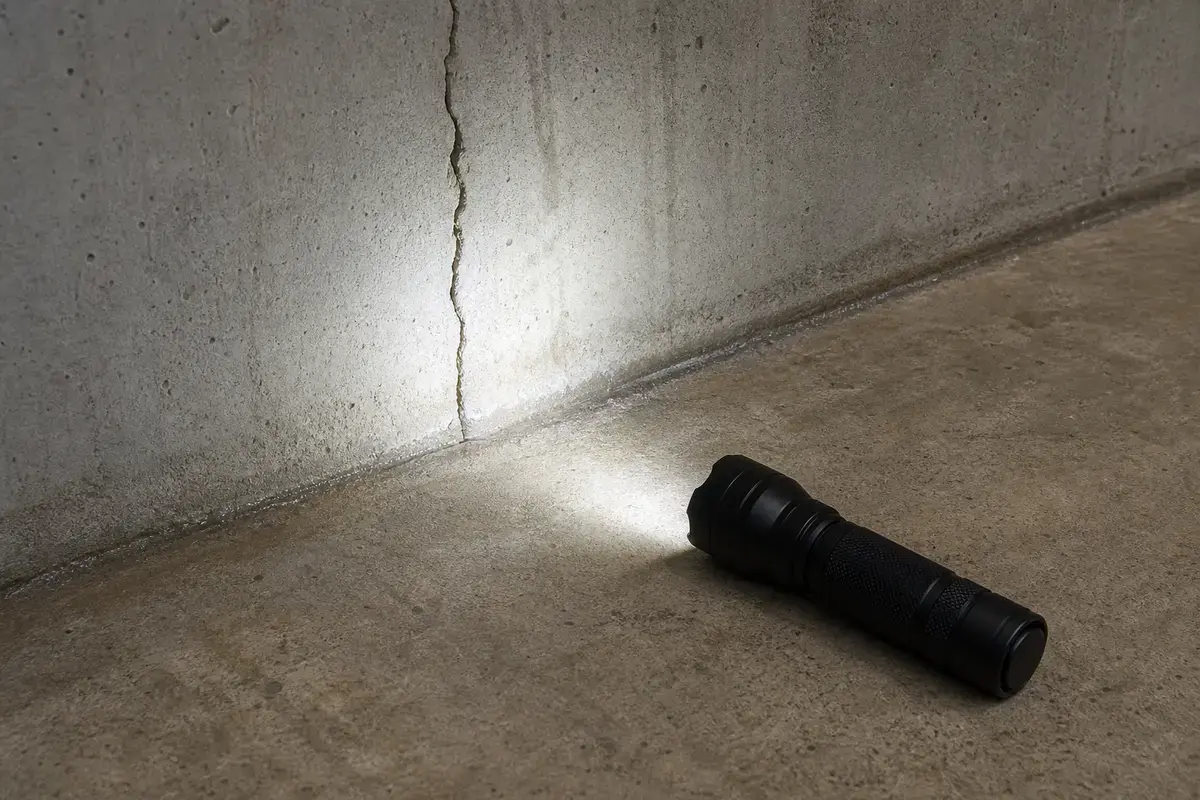
Helps when: Use an inspection flashlight to check fresh edges, damp staining, and crack direction.
Skip it when: Skip close inspection if water, storage, or electrical hazards make the area unsafe.
Compare inspection flashlights on Amazon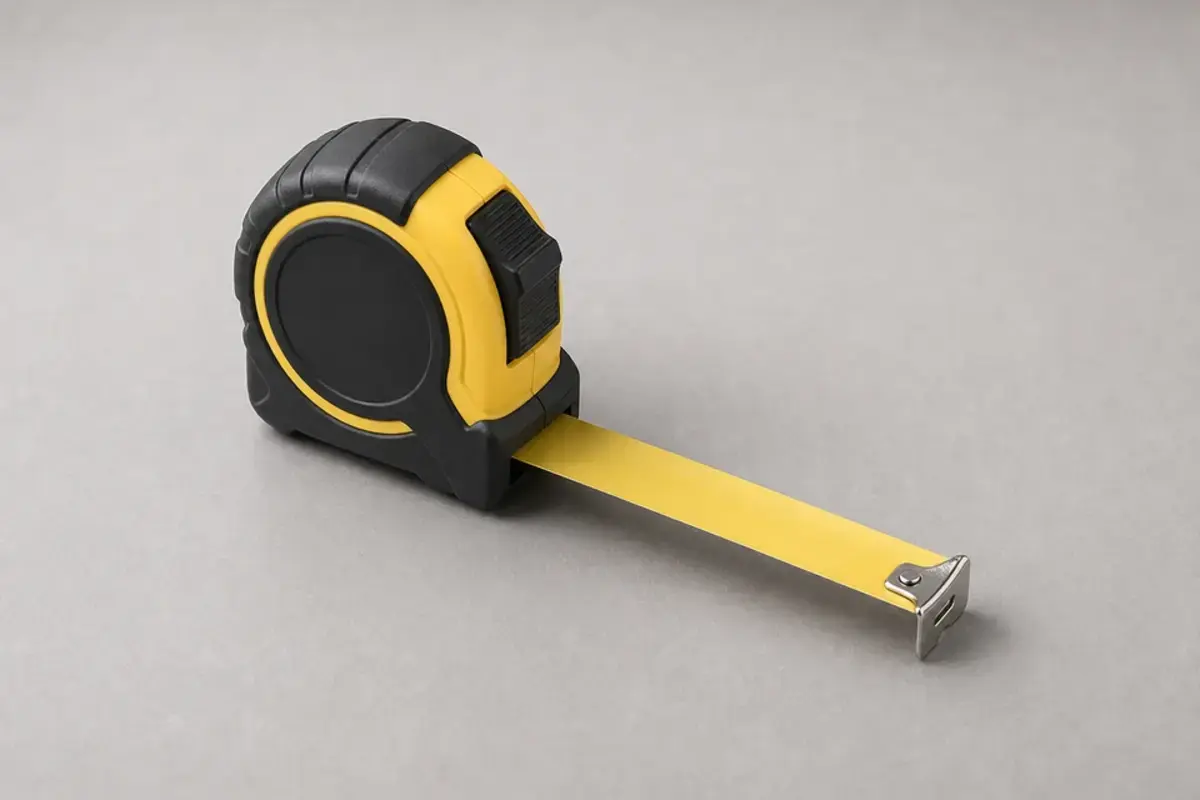
Helps when: Use measuring tape to record crack length and repeat measurement points during cold snaps.
Skip it when: Skip undated photos as the only record; measurements make seasonal change clearer.
Compare measuring tapes on Amazon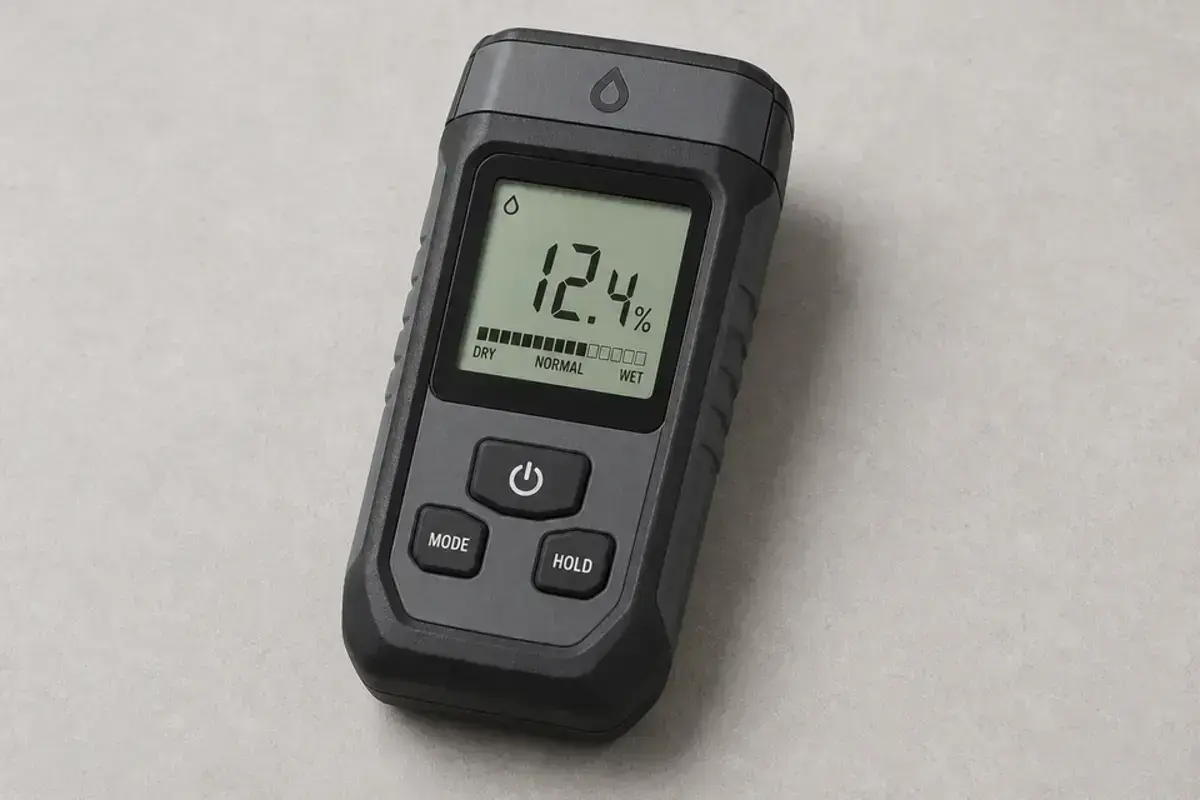
Helps when: Use a pinless moisture meter to compare crack-area dampness with dry control areas.
Skip it when: Skip assuming a winter crack is dry if snowmelt or blocked drainage lines up outside.
Compare pinless moisture meters on AmazonAs an Amazon Associate I earn from qualifying purchases. Repair Riot may earn a commission at no extra cost to you.
Usually it is seasonal movement, cold soil pressure, frozen drainage, or snowmelt loading one wall section.
It depends. A thin dry vertical crack in a flat wall is lower risk than a wet, offset, horizontal, or stair-step crack.
Not first. Measure it through the same cold and thaw cycle so you know whether it is still moving.
Yes. Good clue: the crack opens or wets when snow piles, frozen downspouts, or thaw water line up with that wall.
Use a measuring tape, photos with scale, a straightedge, and moisture checks near the crack.
Only for a stable dry poured-concrete crack after movement and water load are handled.
Call for offset, bowing, horizontal cracks, stair-step cracks, fast widening, seepage under pressure, or slab heave.
Watch for the same crack to stay unchanged and dry through the next cold snap, thaw, or spring rain.
Repair Riot built this page around winter crack clues: seasonal width change, wall plane, moisture timing, snowmelt pressure, and movement warning signs.