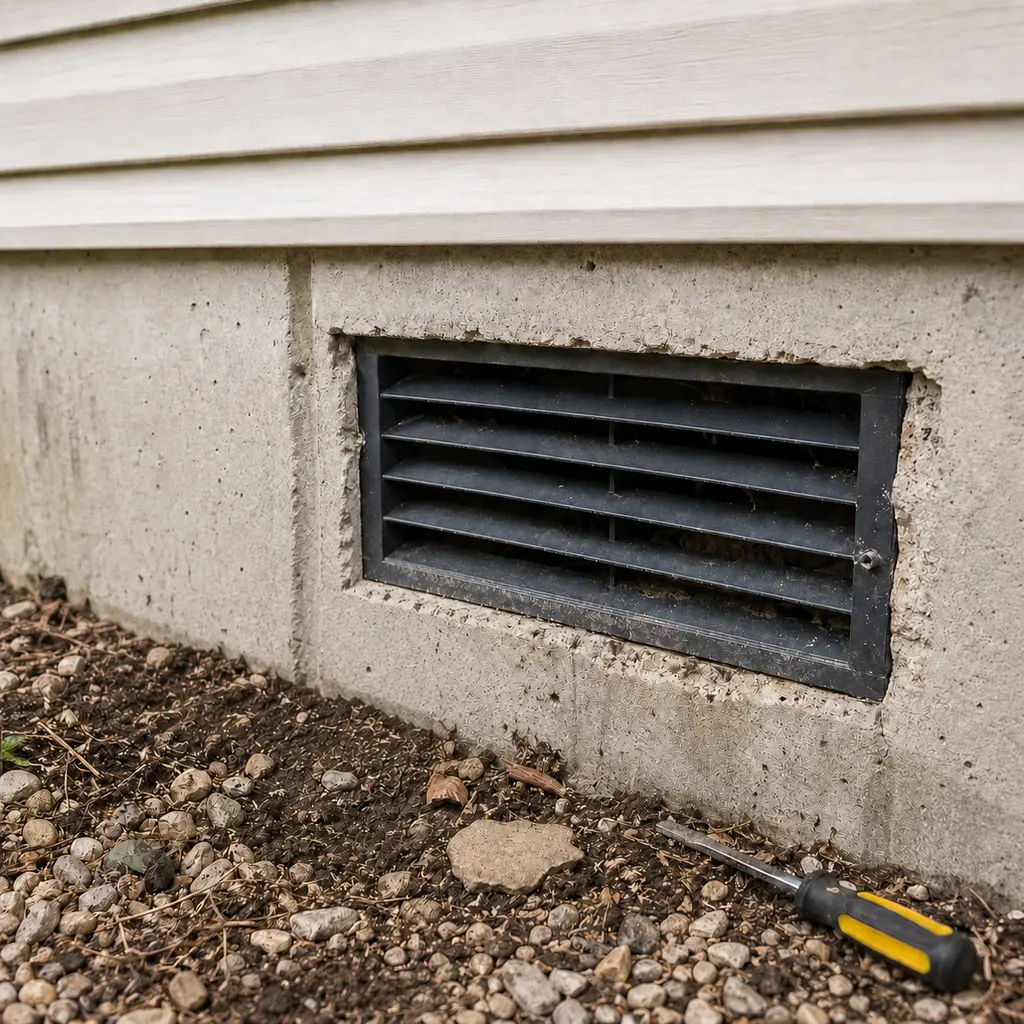
Bathtub floor soft around tub
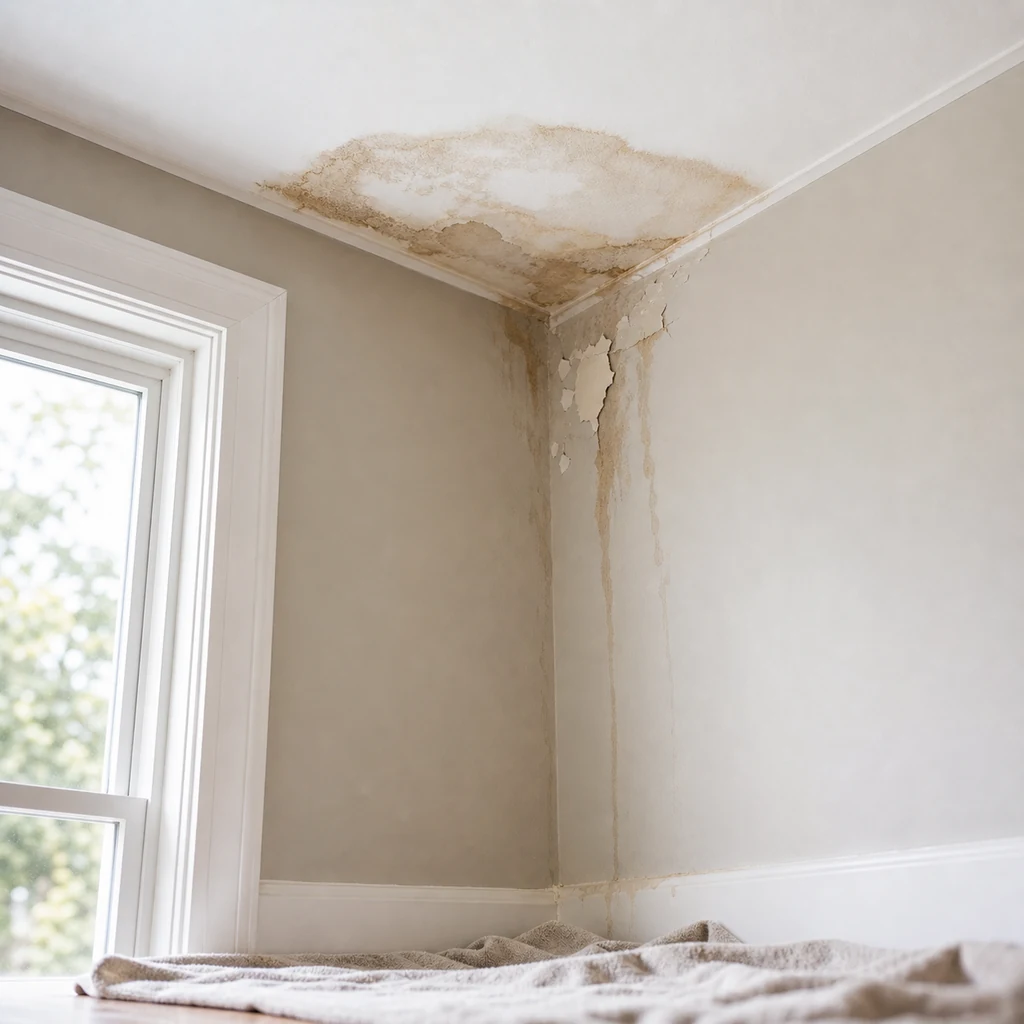
A soft floor around a bathtub usually means water has been getting past caulk, the tub edge, or plumbing and has damaged the subfloor. Start by finding the wet path before patching or replacing anything.
Use floor symptoms like soft spots, squeaks, buckling, sagging, water damage, or damaged trim to narrow down the repair.
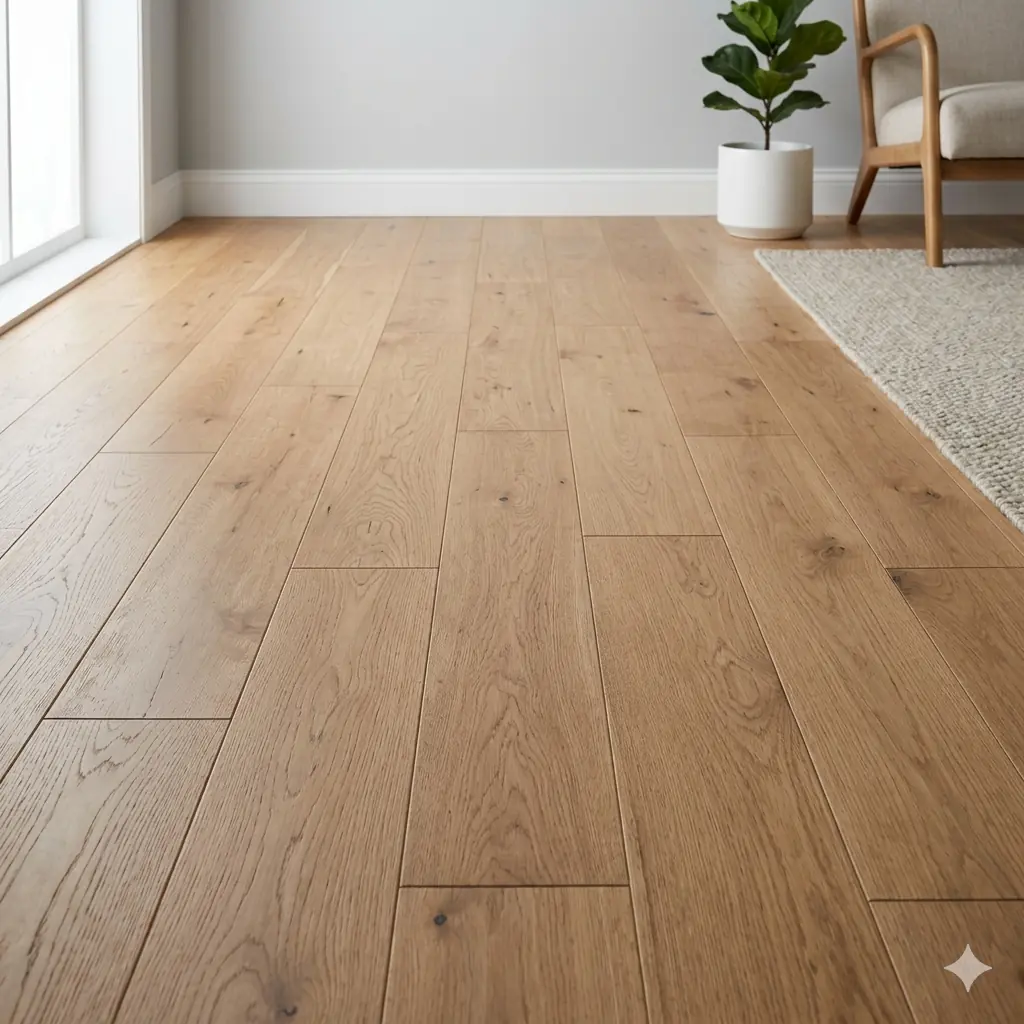
A soft floor around a bathtub usually means water has been getting past caulk, the tub edge, or plumbing and has damaged the subfloor. Start by finding the wet path before patching or replacing anything.
A bouncy floor usually points to movement in the floor assembly, not just a finish problem. Start by checking where the bounce happens, whether moisture is involved, and whether the movement is local or spans a wider area.
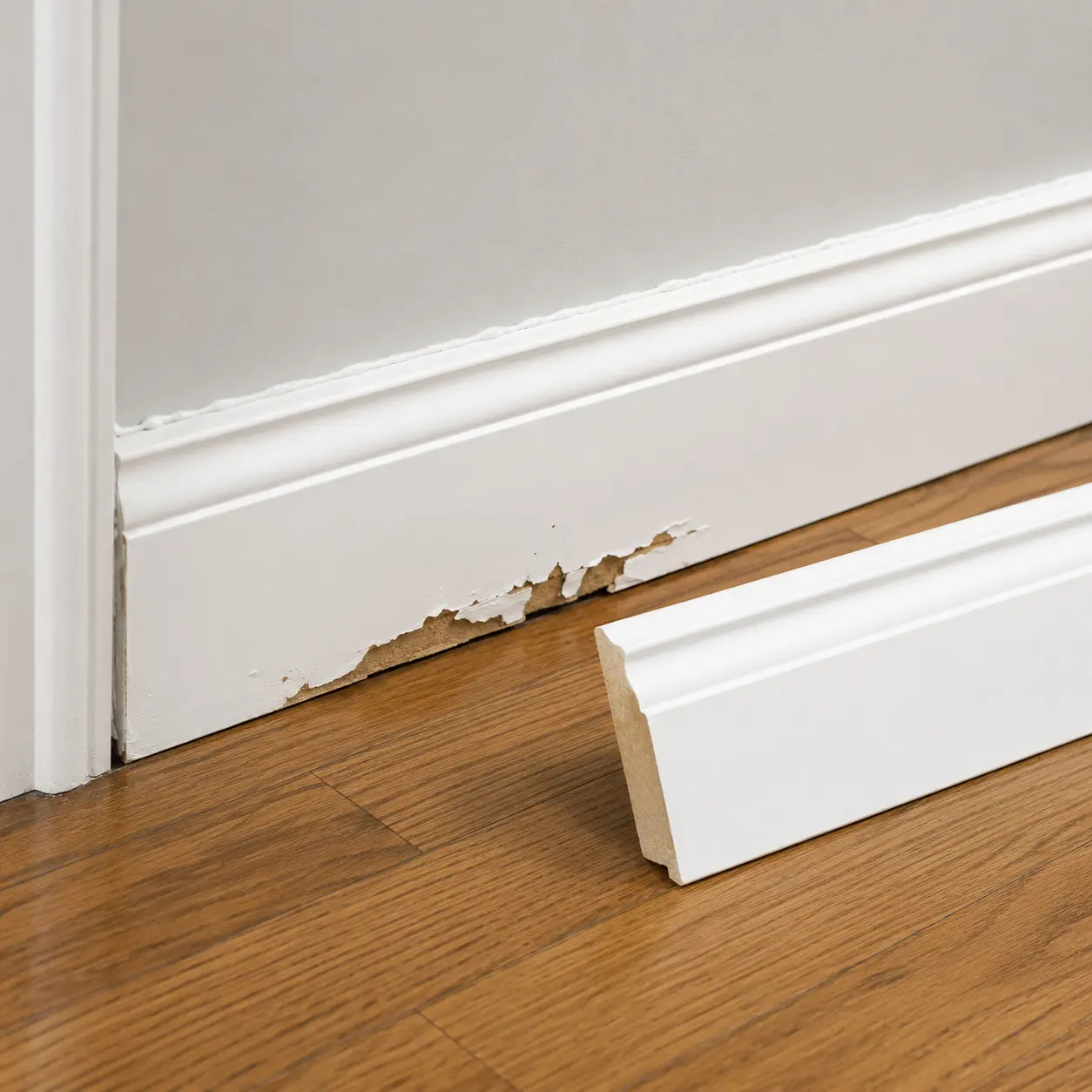
Figure out whether your cat damaged only the door threshold trim or the threshold itself, then repair loose, chewed, or gouged sections without guessing at parts.
Figure out whether cat litter box urine damage is just surface staining or a deeper floor problem. Start with cleanup, check for swelling and softness, and choose the right repair path.
Figure out whether a cat-scratched door threshold needs simple filling, trim repair, or full threshold replacement. Start with damage depth, looseness, and moisture before buying parts.
Figure out whether a cat-damaged floor transition strip can be cleaned up, resecured, or needs replacement. Start with loose edges, sharp damage, and fit before buying parts.
Find out whether cat urine under carpet needs cleaning, pad replacement, or subfloor repair. Start with safe checks before pulling carpet or buying materials.
Figure out whether cat urine damage in hardwood is just surface odor, finish damage, stained boards, or soaked subfloor so you can clean, patch, replace boards, or call for deeper repair.
Figure out whether cat urine damage is surface-deep or into the subfloor, when drying and sealing is enough, and when a subfloor patch is the right repair.
Figure out whether cat urine only affected the floor surface or soaked into the underlayment, then choose the right repair path before tearing up more flooring than necessary.
If cat urine smell is still there after carpet removal, the problem is usually in the carpet pad, subfloor, baseboard area, or wall bottom. Start with simple checks, clean only what is salvageable, and replace damaged floor materials when the odor is soaked in.
If cat urine smell keeps coming back in your floor, start by finding whether it is trapped in the finish, seams, trim edge, or subfloor. Use the least-destructive checks first, then decide whether cleaning, sealing, or replacing a damaged floor section is the real fix.
Track down whether the smell is in the litter box area, the floor surface, or the subfloor under it, then clean, seal, or replace only what actually needs repair.
Track down whether the smell is in the finish floor, underlayment, or subfloor, then decide if cleaning, sealing, or subfloor patching is the right fix.
Figure out whether cat urine damage is only in the finish floor or has soaked into the subfloor, then choose the right cleanup, sealing, patch, or replacement path.
Cold air coming through the floor usually points to gaps at trim, floor penetrations, or an unsealed floor over a crawl space or basement. Start with the draft location before sealing anything.
A cold floor over a crawl space usually points to missing insulation, air leaks, or crawl space moisture. Start with simple checks before opening the floor.
Figure out whether a dog-chewed floor transition strip can be tightened, patched, or needs full replacement. Start with loose edges, sharp damage, and hidden subfloor trouble.
Figure out whether your dog chewed only the threshold trim or damaged the flooring, subfloor, or door bottom too. Start with simple checks, then repair the right piece.
Figure out whether dog urine by a door only stained the floor or has swollen and softened the flooring underneath, then choose the right repair path without tearing up more than you need to.
Figure out whether a dog-scratched door threshold needs simple surface repair, filler and refinishing, or full threshold replacement before you buy anything.
Figure out whether a dog-damaged floor transition strip can be cleaned, refinished, tightened, or needs replacement. Start with simple checks before buying parts.
Figure out whether dog urine under carpet needs cleaning, pad replacement, or subfloor repair. Start with odor, staining, and softness checks before tearing out flooring.
Figure out whether dog urine damage in hardwood is just surface odor and finish damage or deeper board and subfloor damage, then choose the right repair path without tearing up more floor than needed.