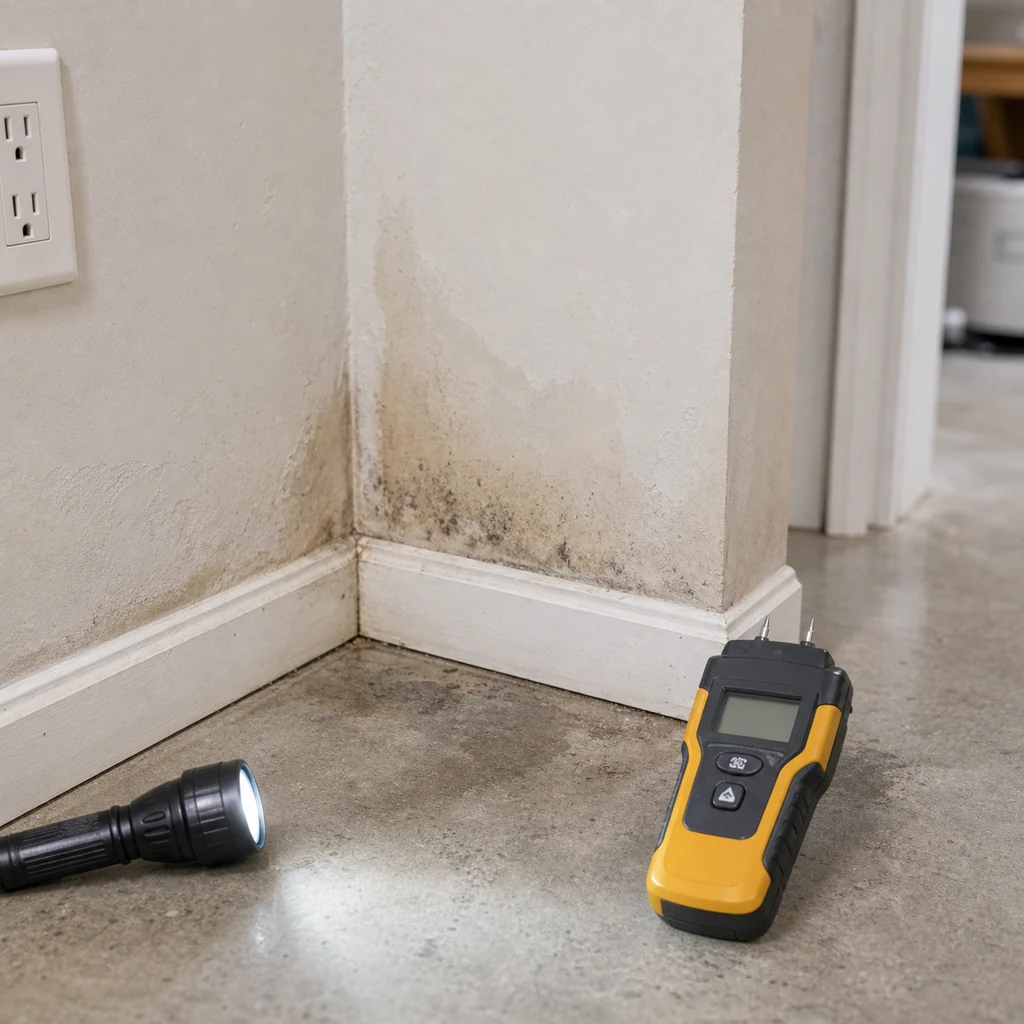
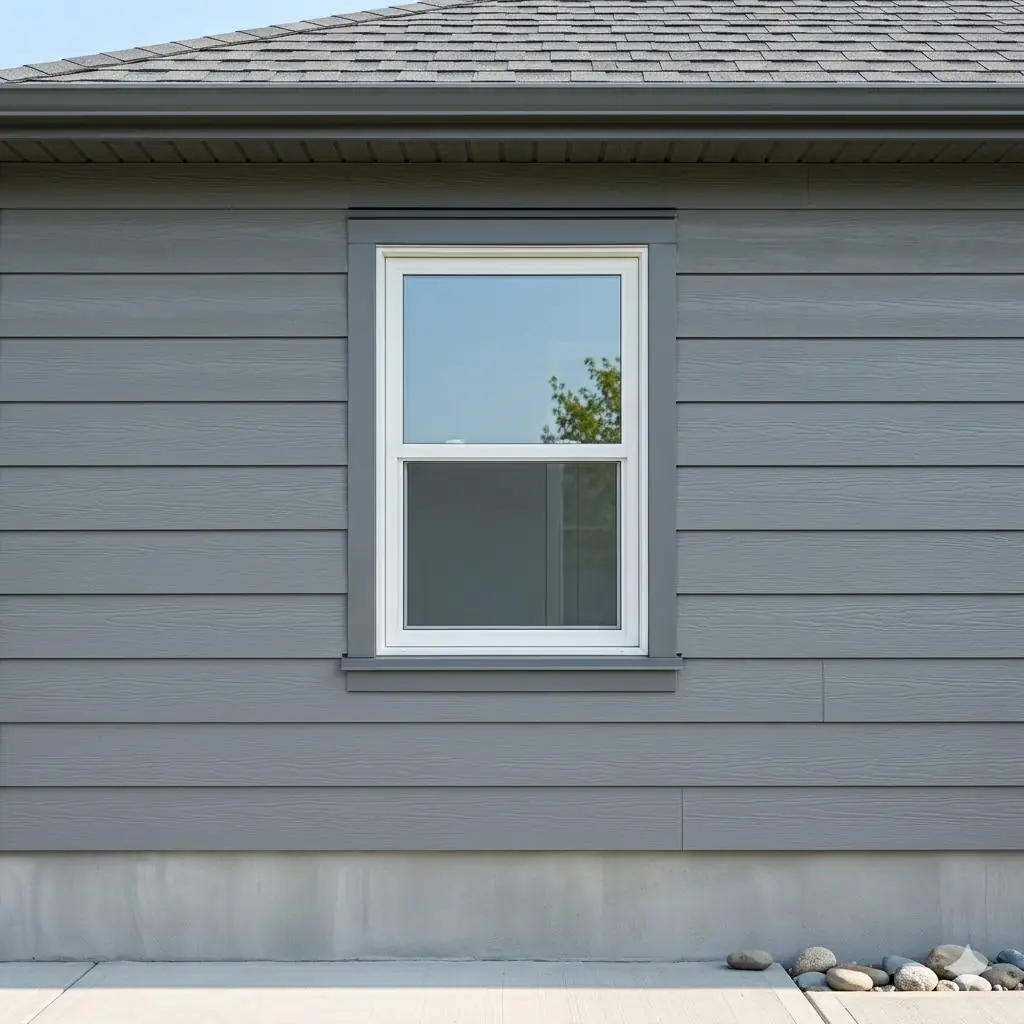
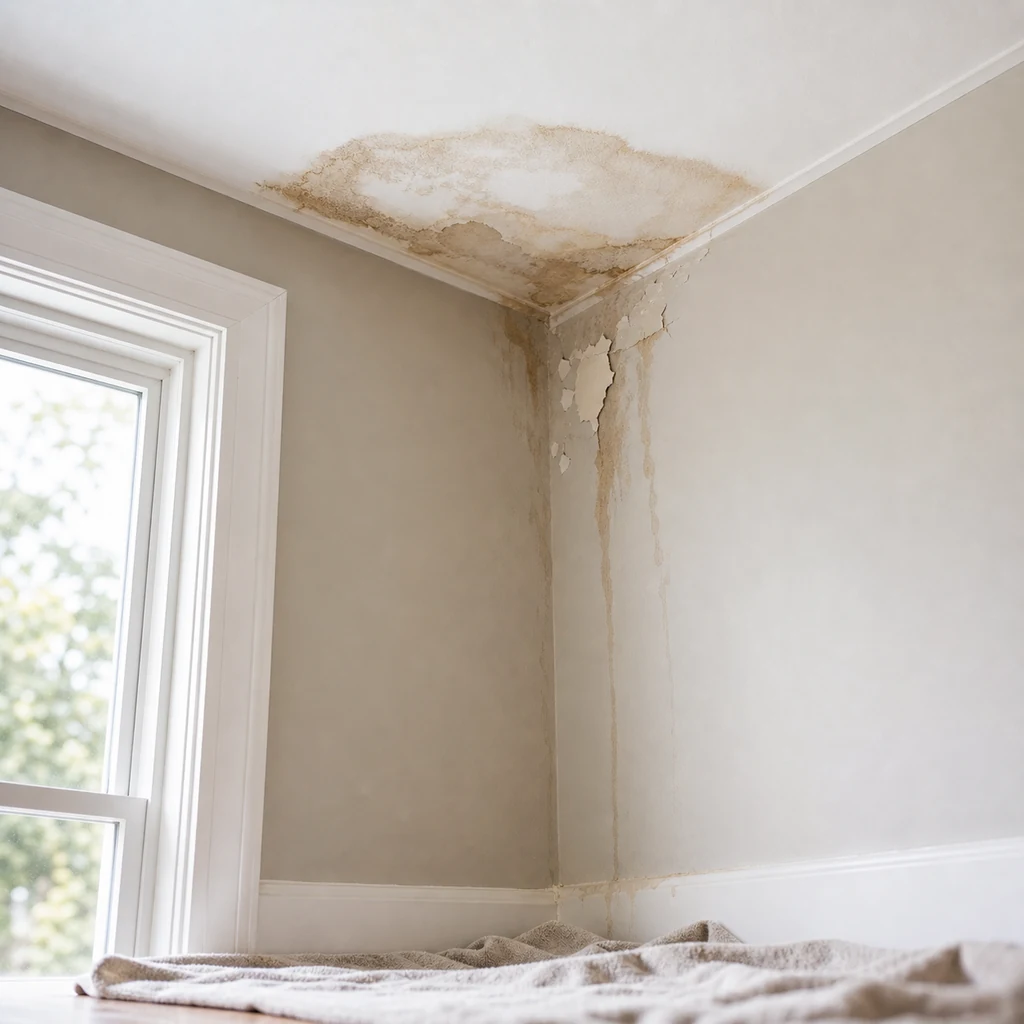
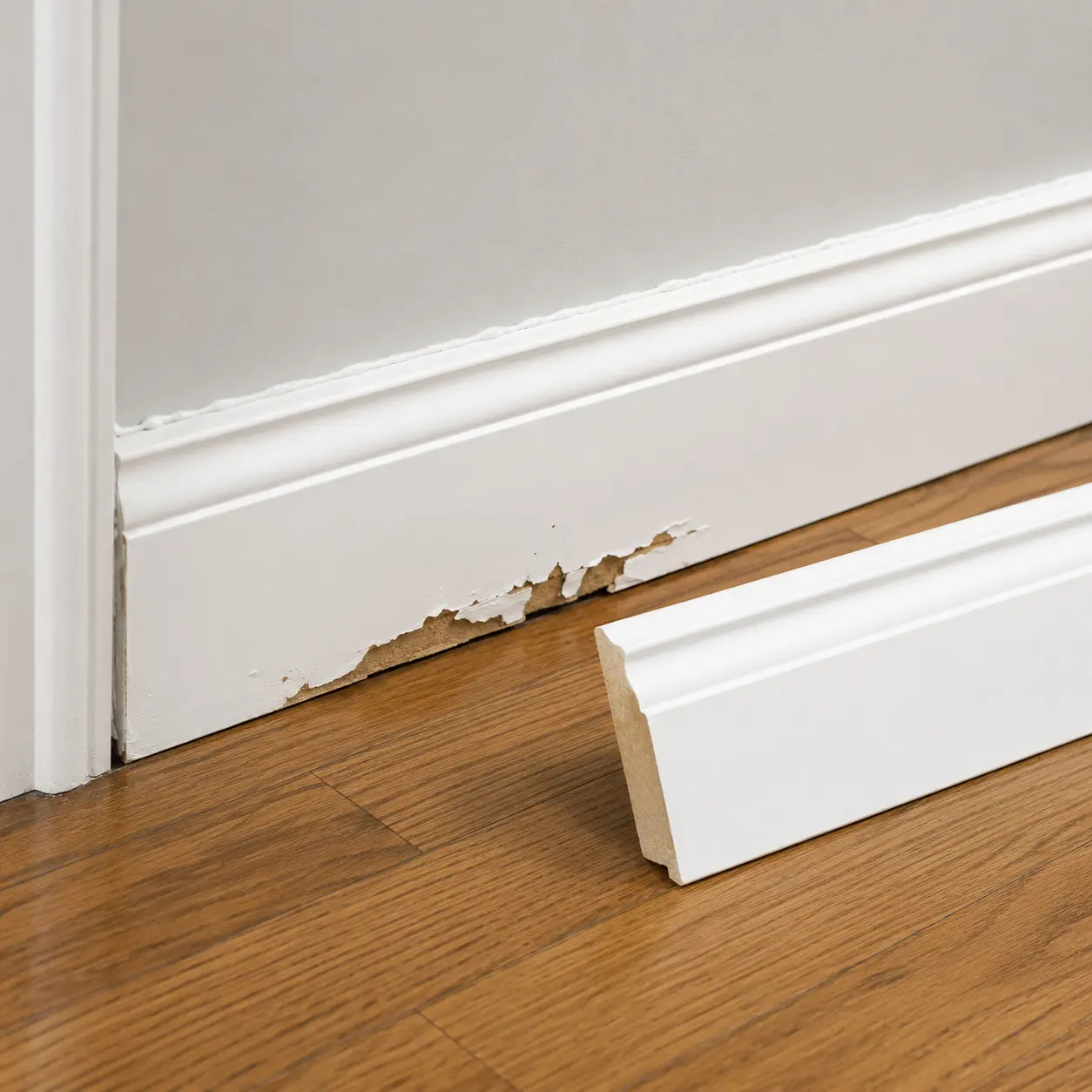
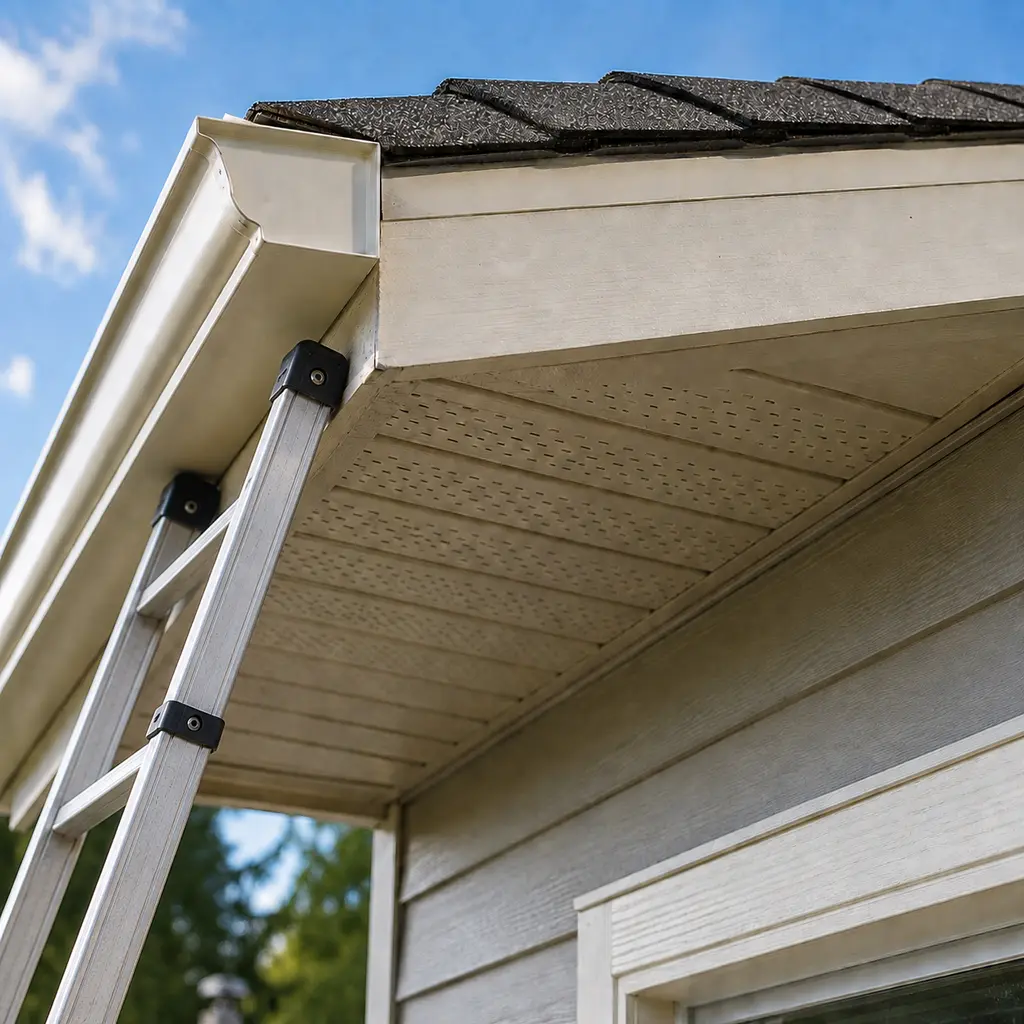
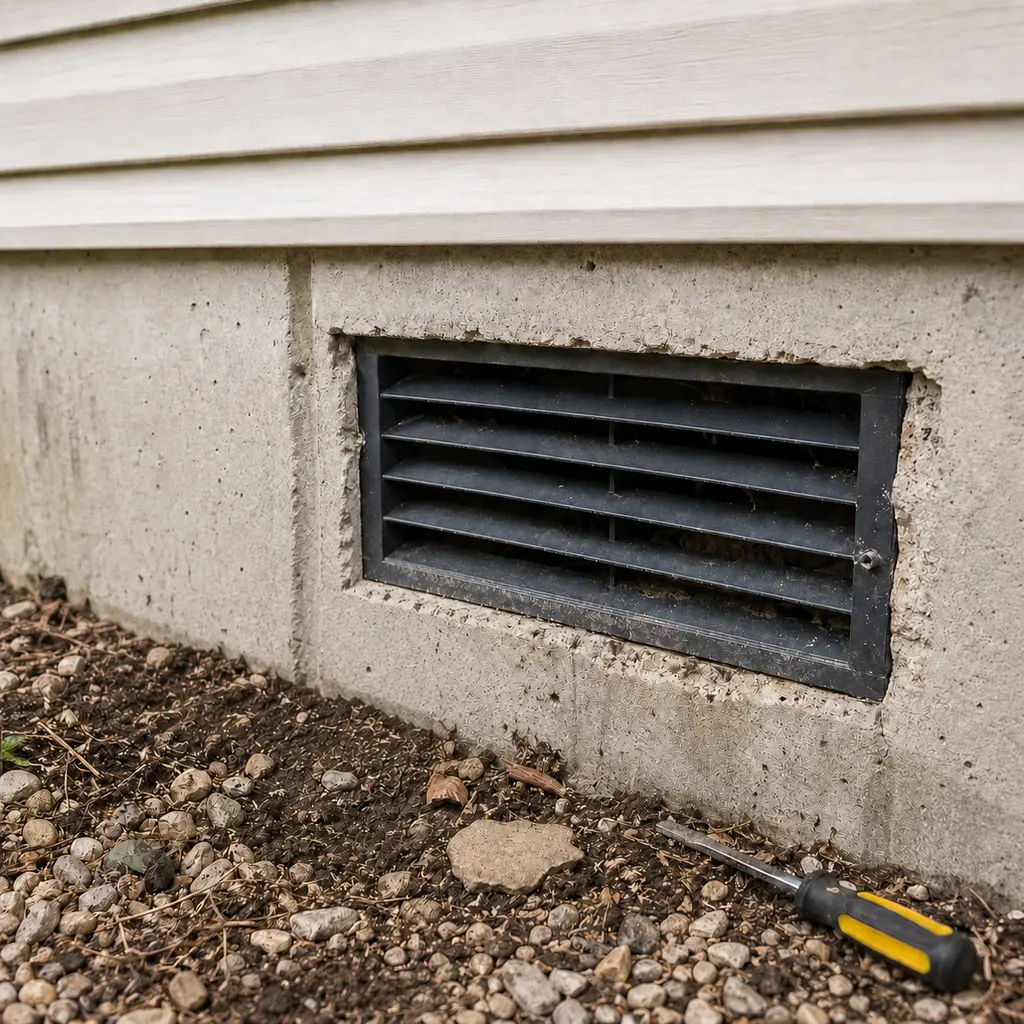
Basement wet spot under window
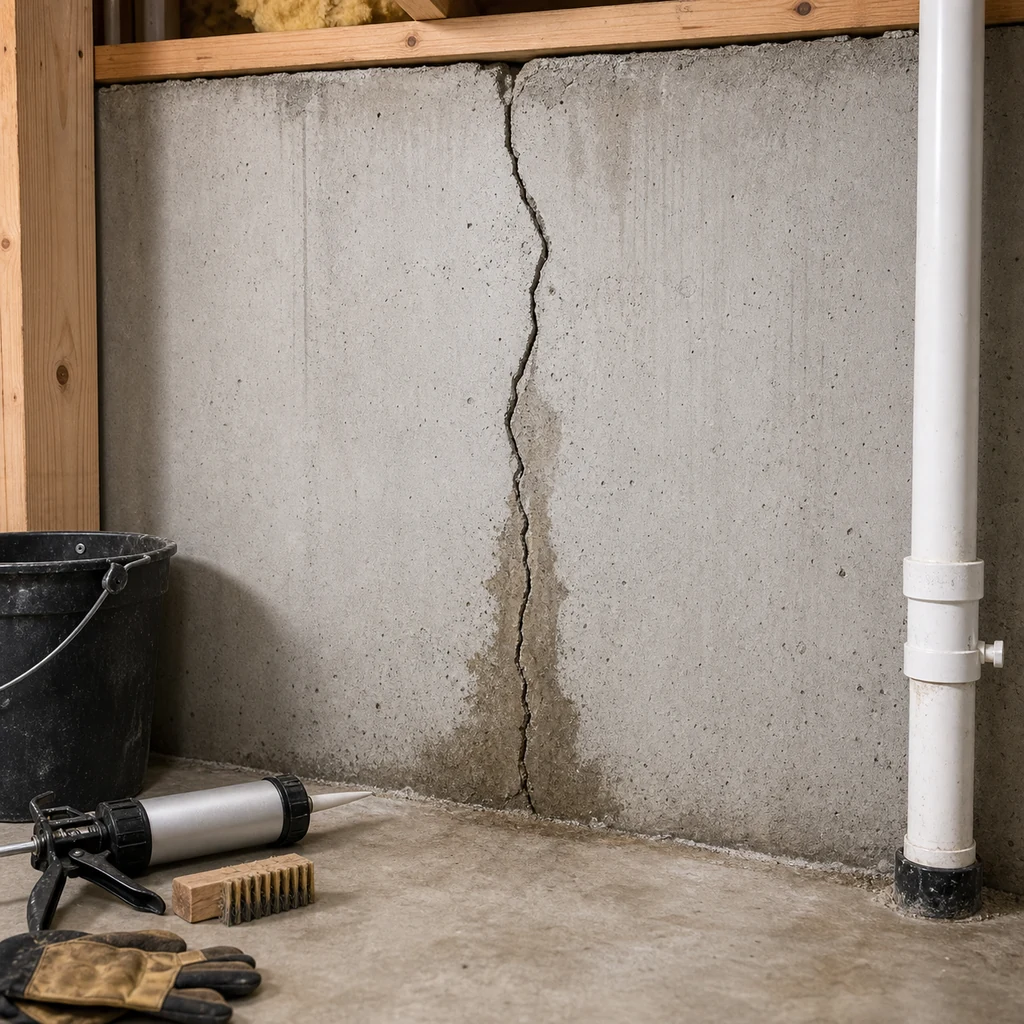
Find out whether a wet spot under a basement window is condensation, a window leak, or water coming through the wall. Start with simple checks before caulking or opening the wall.
Use window symptoms like drafts, leaks, stuck sashes, locks, condensation, rot, or broken hardware to find the right guide.

Find out whether a wet spot under a basement window is condensation, a window leak, or water coming through the wall. Start with simple checks before caulking or opening the wall.
Find out why a basement window is sweating, dripping, or fogging up. Start by separating normal indoor condensation from leaks, failed seals, and air leaks around the frame.
Find out why a basement window well is icing up, separate runoff from window condensation, and fix the source before the well or window gets damaged.
Find out whether black mold around a window frame is from condensation, a small air leak, or a real water leak, and take the right repair path before it spreads.
Find out whether carpenter ants are only chewing the window casing or whether hidden moisture and rot are feeding the problem. Start with safe checks, clean-out, and repair paths before replacing trim.
Find out whether carpenter ants are only in the window trim or if moisture and rot have opened up the frame. Start with visible clues, clean-out checks, and the safest repair path.
Find out whether a damaged window sill is active carpenter ant damage, old rot, or moisture trouble first. Start with simple checks, clean out loose material, and decide whether to repair the sill or call a pro.
Figure out whether carpenter ants are only chewing window trim or following hidden moisture and rot. Start with the safest checks, clean out damaged trim, and know when to repair versus call a pro.
Find out whether the sawdust-like debris in your window frame is active carpenter ant frass, old insect damage, or moisture-rotted wood, and know when to repair trim versus call pest control.
Find out whether carpenter bees only scarred the window casing or left rot-prone structural damage. Start with active holes, soft wood, and trim repair before patching.
Find out whether carpenter bees only scarred the window trim or tunneled deep enough to require replacement. Start with active holes, soft wood, and moisture before patching.
Find out whether the holes in your window casing are active carpenter bee damage, old patched damage, or deeper wood rot, then repair the trim the right way.
Find out whether carpenter bee damage in window trim is active, how deep it goes, and when to patch, replace, paint, or call a pro before the trim rots or attracts woodpeckers.
If your casement window won’t crank, start with sash pressure, paint or debris binding, and stripped operator gears before buying parts. Use these checks to find the right fix.
Figure out whether your cat-damaged window casing needs a simple fill and paint repair, trim replacement, or a moisture check before you patch it.
Figure out whether cat-damaged window trim is just scratched, loose, or moisture-softened first, then repair or replace the right window trim piece without making the damage worse.
Figure out whether cat damage on a window sill is just finish-deep, into the trim board, or tied to moisture before you patch, paint, or replace the window sill trim.
Figure out whether cat damage on window trim is just finish damage or deep gouging, then choose the right repair path without making the trim look worse.
Figure out whether moisture near a skylight is indoor condensation or a true roof leak, then take the right next step before patching drywall or caulking blindly.
Fog or moisture trapped between window panes usually means the insulated glass seal has failed. Confirm it is inside the glass, not room-side condensation, then decide between living with it, glass replacement, or full window replacement.
Figure out whether your dog damaged only the window trim or the window frame too, then choose the right repair path for patching, replacing, or repainting.
Figure out whether your dog chewed only the window trim or damaged the window frame too, then choose the right repair without making the opening worse.
Figure out whether dog damage on window casing is just finish damage, gouged trim, or loose casing before you patch or replace anything. Start with simple checks and the least-destructive fix.
Figure out whether dog damage on window sill trim is just finish-deep or needs trim replacement, then repair it cleanly without making the damage worse.