First wet after rain?
Match the wet wall section to downspouts, gutters, grading, and splash outside.
A basement cove joint leak usually means water pressure is reaching the wall-floor seam. The seam is the exit point, not always the root cause, so check drainage and timing before patching inside.
Good clue: water that starts at the same wall-floor edge after storms or snowmelt usually points to outside pressure, not one bad bead of interior sealant.
Watch the first wet edge, then walk outside to the matching downspout, grade, and discharge path.
Don’t start with: Do not smear hydraulic cement, caulk, or waterproof paint along the whole joint before reducing the water pushing against it.
Match the wet wall section to downspouts, gutters, grading, and splash outside.
Look for a local outside discharge or low spot before patching.
Treat it as broad water pressure and stop before small patch products.
Rule out condensation on the cold wall before calling it seepage.
Stop and call a foundation pro instead of opening the seam.
Cove leaks make more sense when the inside seam is tied to outside water movement.
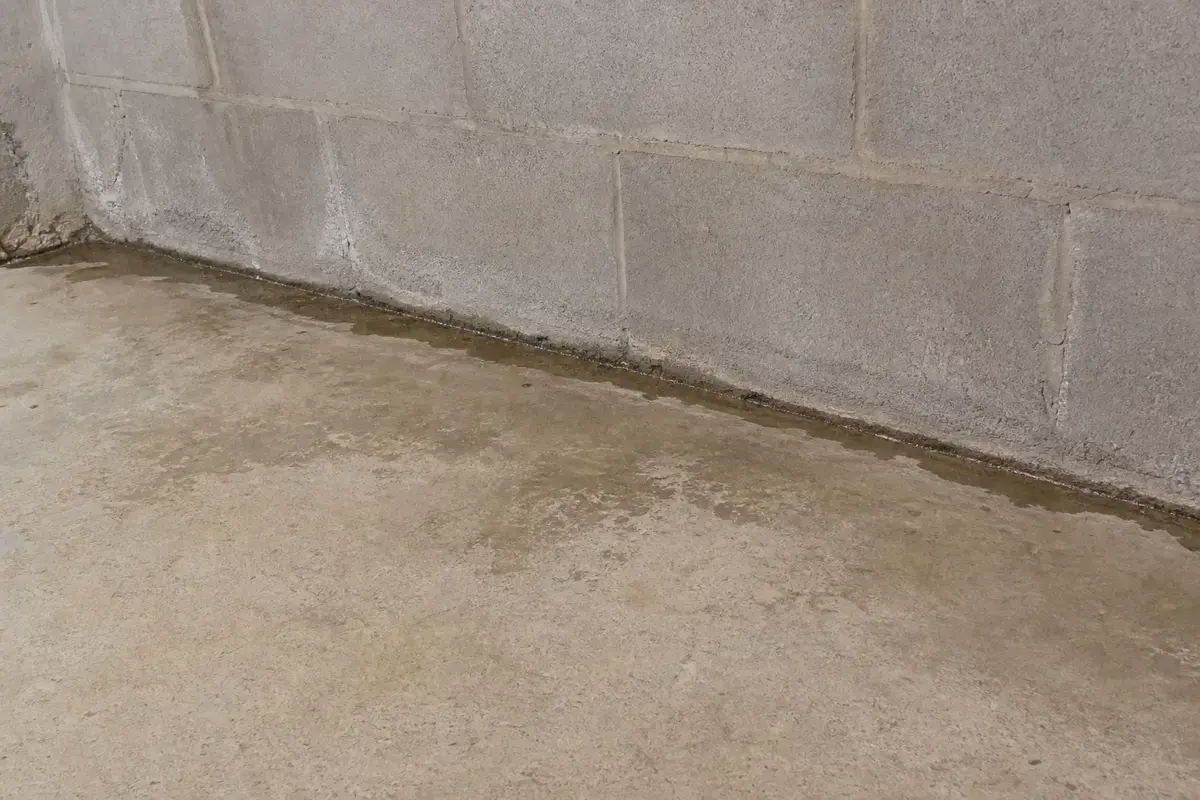
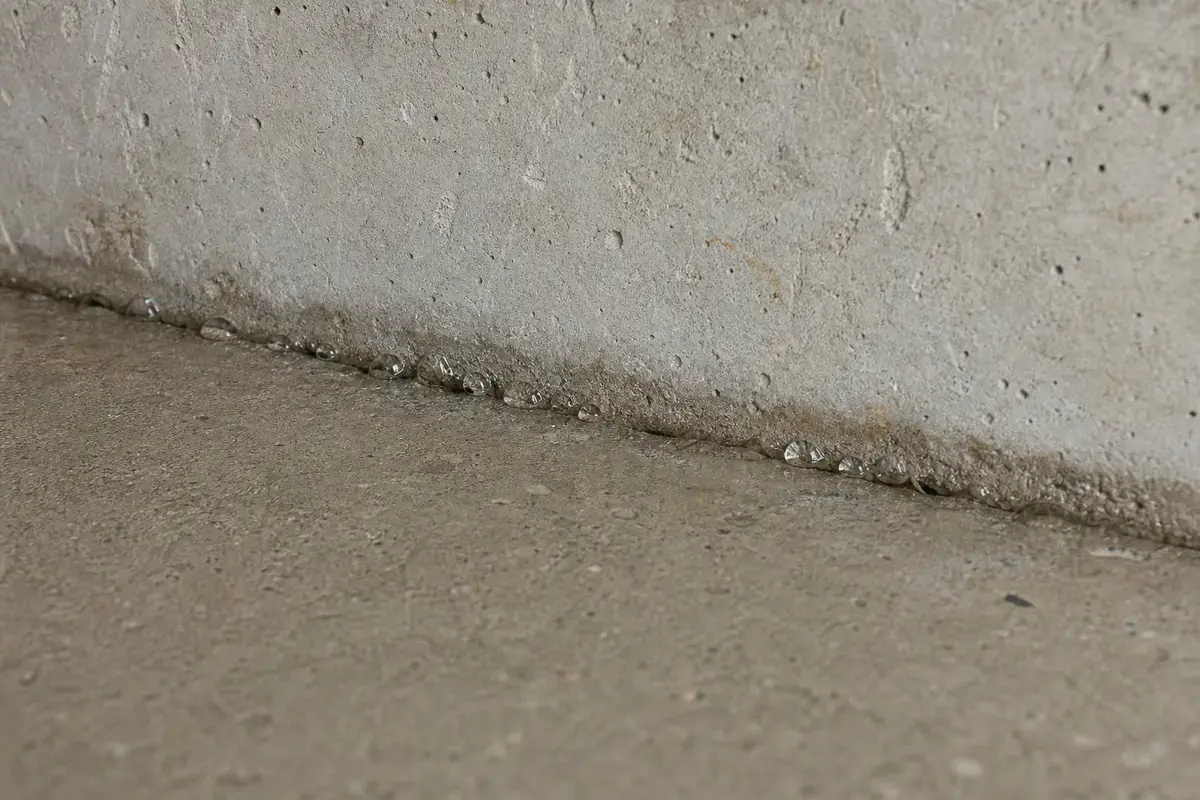
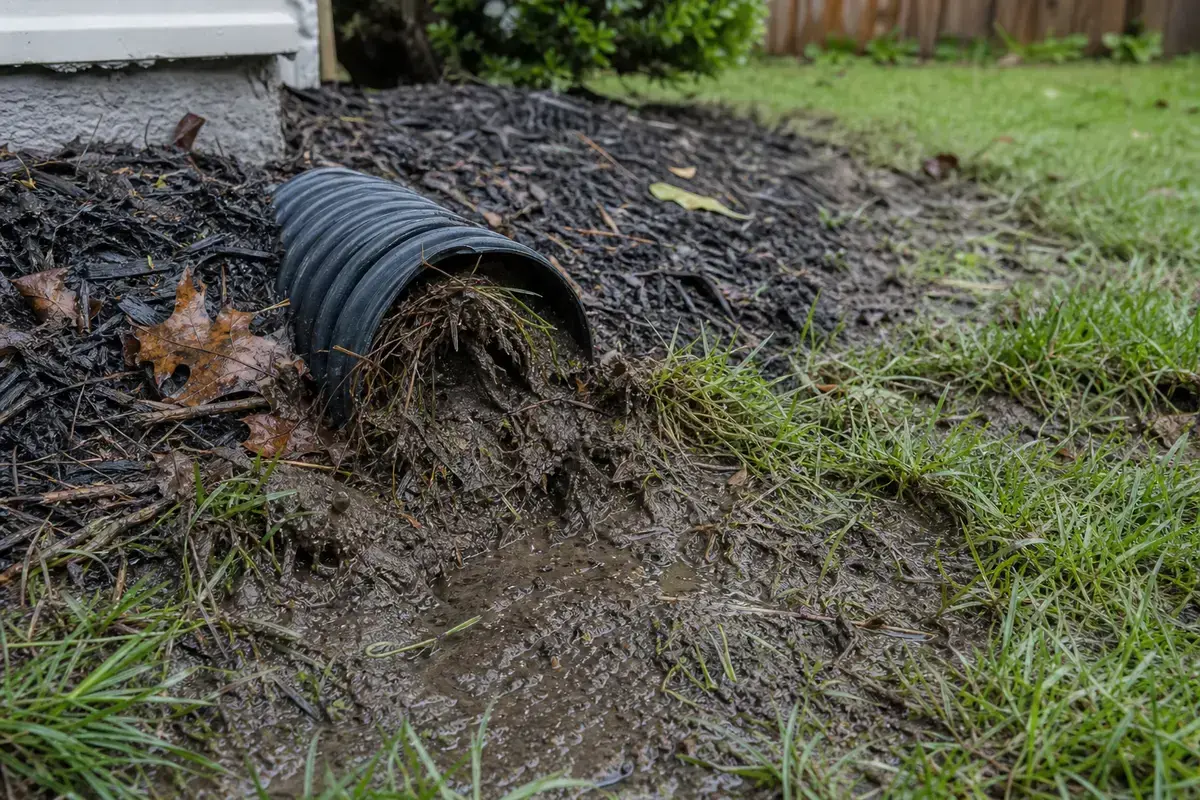
Match the exact diagnosis before shopping. Confirm rain timing, outside discharge, seam length, wall condition, and electrical safety. Interior patch products come after water pressure is reduced.
Start at the first wet edge, then check the matching outside wall before you choose any interior patch.
Interior sealers fail when pressure keeps building behind them.
Confirm the weather pattern before buying patch products.
Interior patch products come after the water pressure is reduced.
Use these only when the visible clue names the branch.
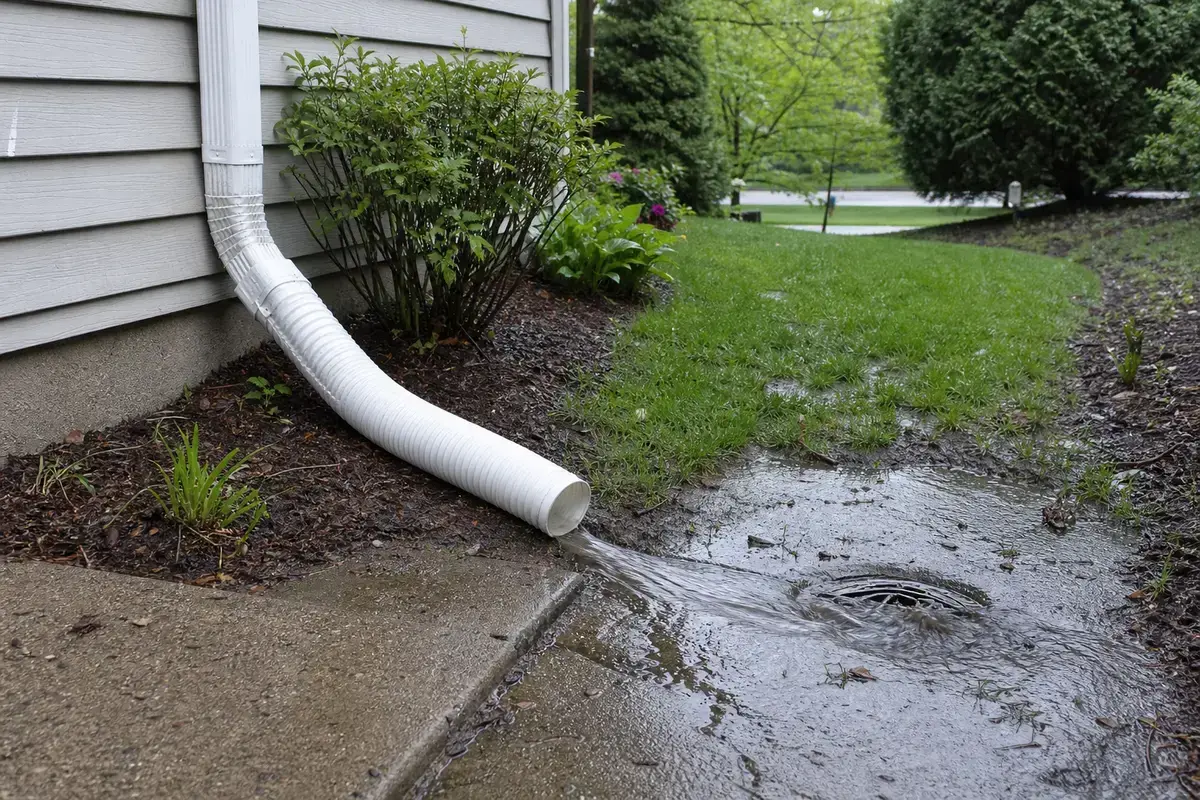
Helps when: Use when the wet basement area lines up with roof runoff landing near the foundation.
Skip it when: Skip if grading, buried drainage, sump discharge, or a plumbing source is the main water path.
Compare downspout extensions on Amazon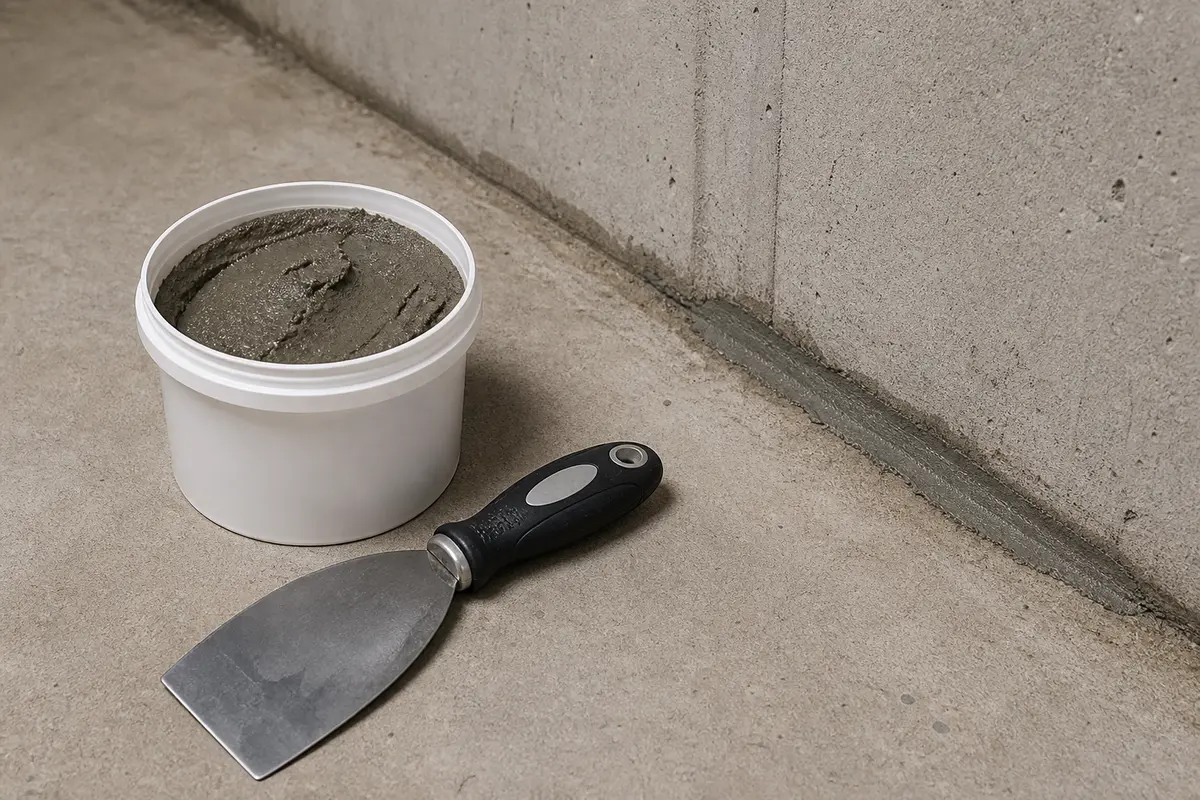
Helps when: Use only for a small confirmed interior seep point after outside water pressure has been reduced.
Skip it when: Skip for active pressure you have not controlled, moving cracks, broad seepage, or structural foundation movement.
Compare hydraulic cement on AmazonAs an Amazon Associate I earn from qualifying purchases. Repair Riot may earn a commission at no extra cost to you.
These support cleanup and documentation while you prove the water path.
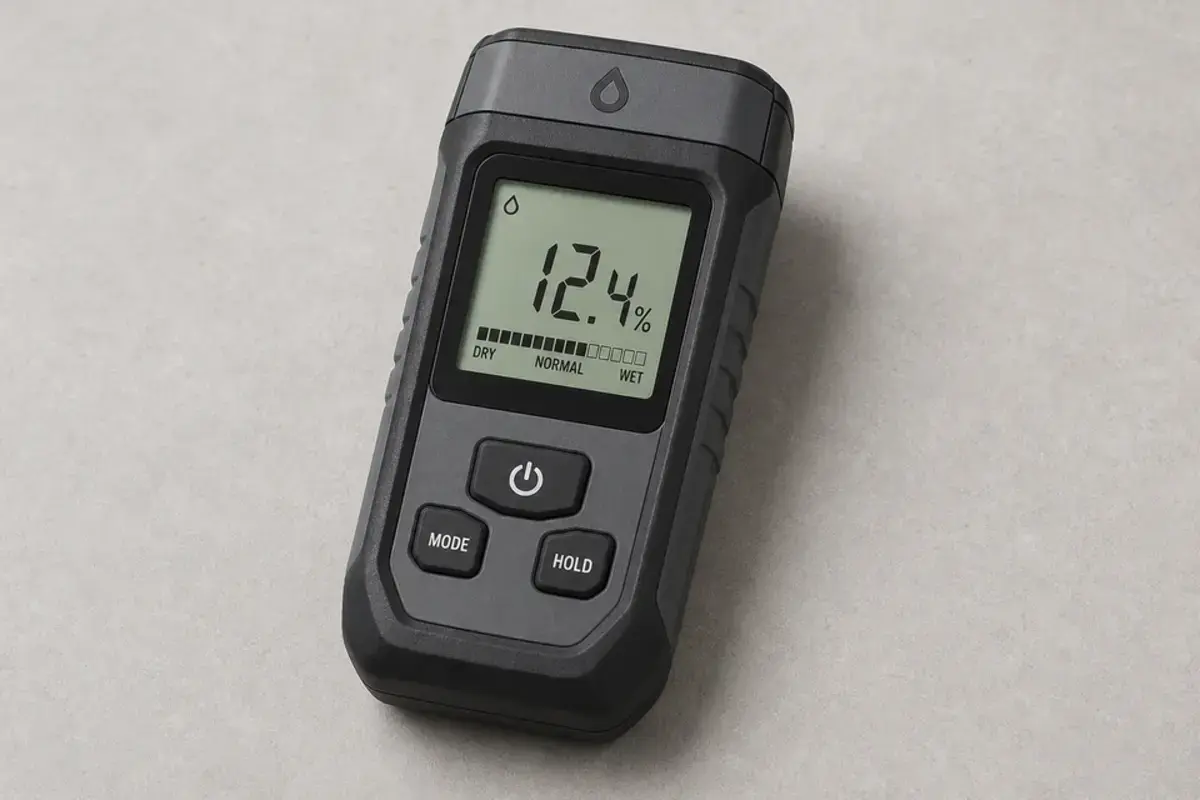
Helps when: Use to compare the wet area with nearby dry wall, floor, cove joint, or control area before patching.
Skip it when: Skip treating meter readings as proof by themselves; pair them with rain, thaw, humidity, and visible clues.
Compare pinless moisture meters on Amazon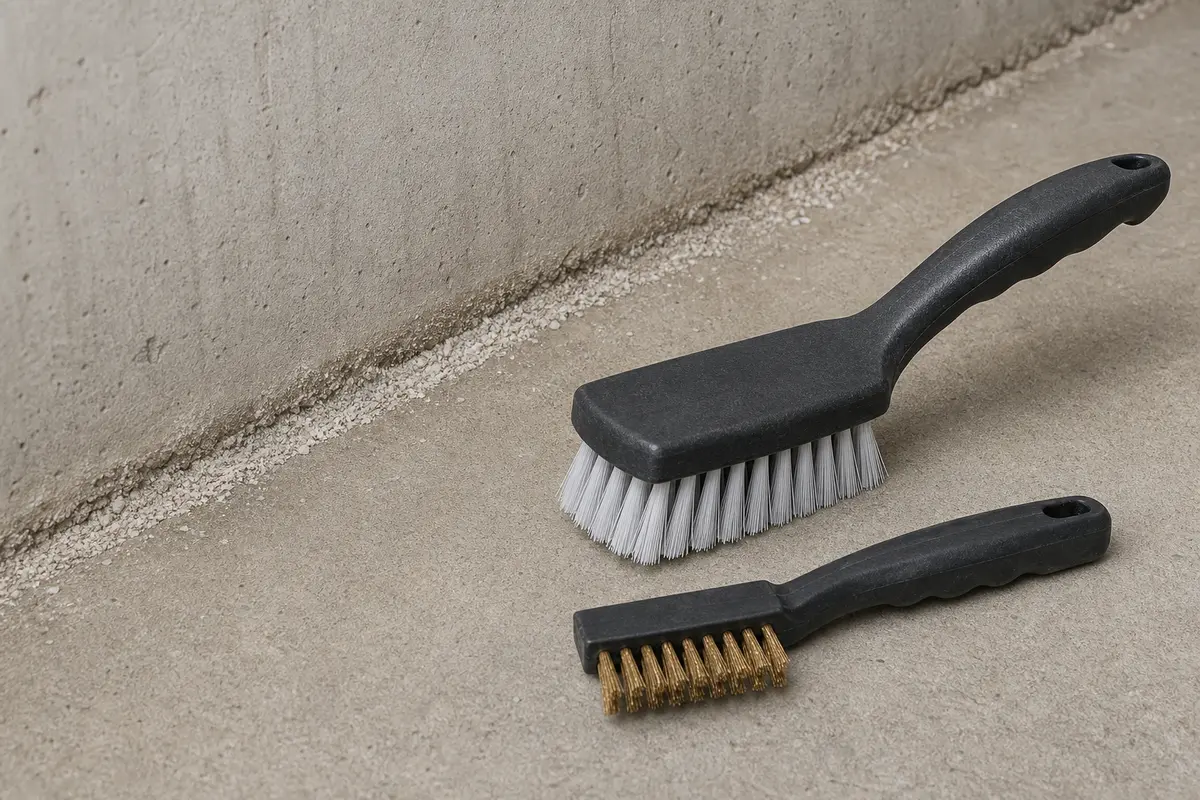
Helps when: Use to clean loose grit or residue from a small dry masonry repair area after the water source is controlled.
Skip it when: Skip aggressive brushing on wet, crumbling, painted, or contaminated surfaces without the right protection.
Compare masonry brushes on Amazon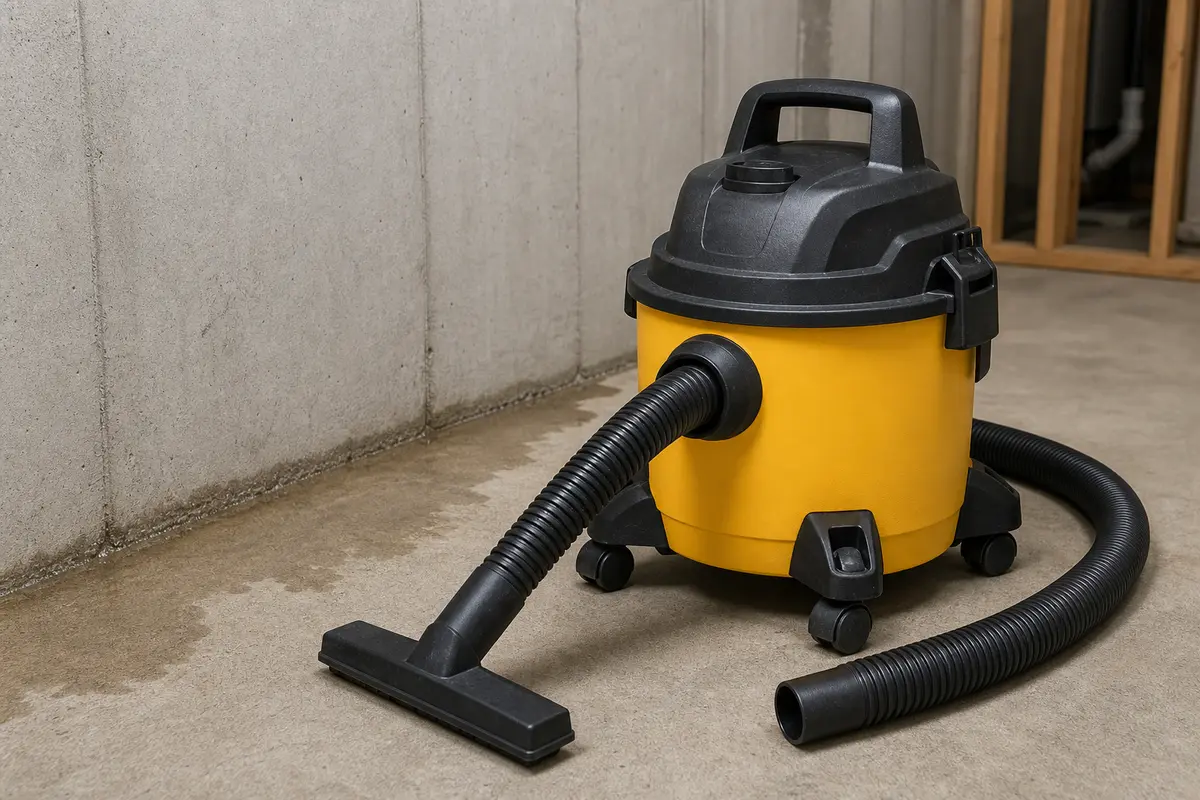
Helps when: Use for small clean-water pickup after the source slows, is contained, or has stopped.
Skip it when: Skip for sewage, unknown contaminated water, active electrical hazards, or water that keeps entering.
Compare wet/dry vacuums on Amazon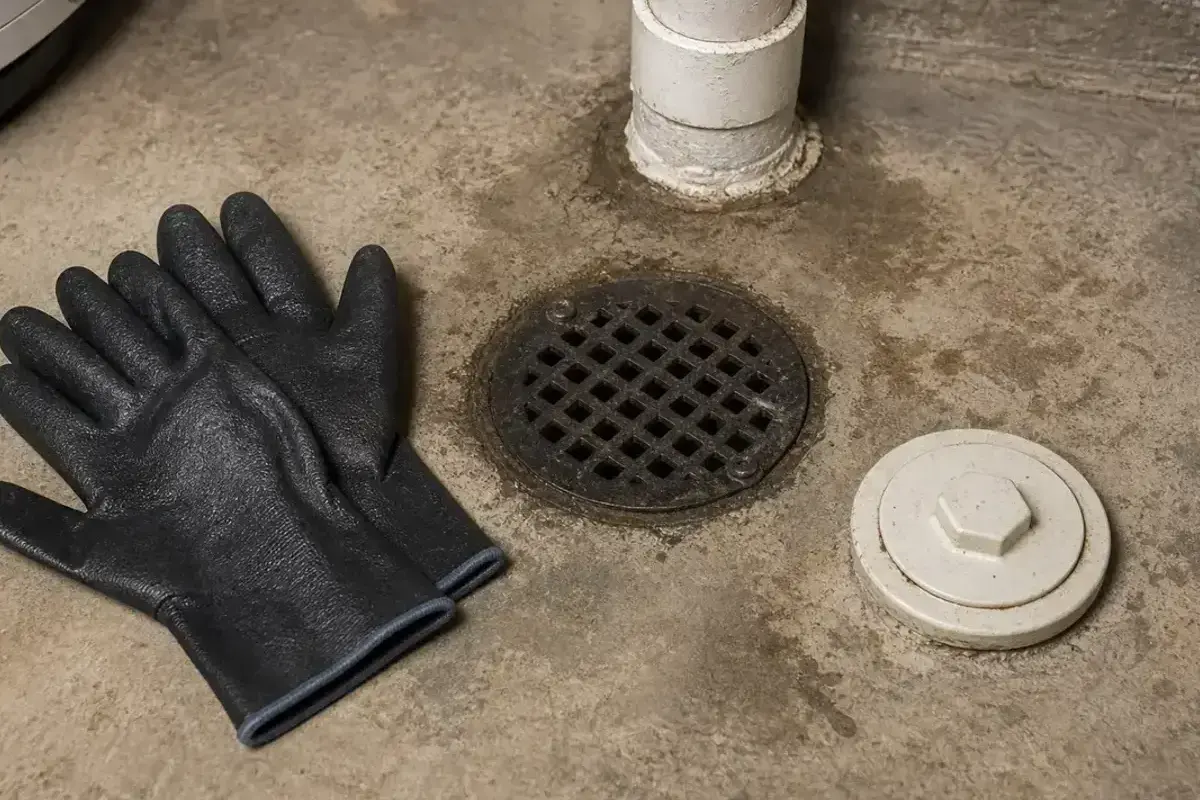
Helps when: Use when moving damp storage, wiping masonry, handling cleanup towels, or brushing dirty repair areas.
Skip it when: Skip hands-on cleanup for sewage, mold growth, sharp debris, or wet electrical components.
Compare waterproof work gloves on AmazonAs an Amazon Associate I earn from qualifying purchases. Repair Riot may earn a commission at no extra cost to you.
The common cause is outside water pressure reaching the seam after rain or thaw. Gutters, downspouts, grading, and saturated soil are the first checks.
A small seep point may be patched after outside pressure is reduced, but sealing the whole seam first often fails or hides the pattern.
Cove seepage starts at the wall-floor edge and often follows weather. Condensation appears as a damp film or beads on a cold wall surface.
Check gutter overflow, downspout discharge, splash blocks, soil slope, low spots, window wells, and hardscape that drains toward the wall.
Stop for bowing walls, stair-step cracks, slab heave, fast inflow, repeated perimeter seepage, or water near electrical equipment.
No. A dehumidifier can lower humidity, but liquid water at the cove joint needs drainage and seepage diagnosis.
Wait through at least one comparable rain or thaw event. The seam should stay dry, not just look dry on a clear day.
No. Keep the joint visible until it stays dry through the weather pattern that used to trigger the leak.
Repair Riot built this page around cove-joint clues: storm timing, first wet edge, outside discharge, seam length, condensation lookalikes, structural stop points, and patch timing.