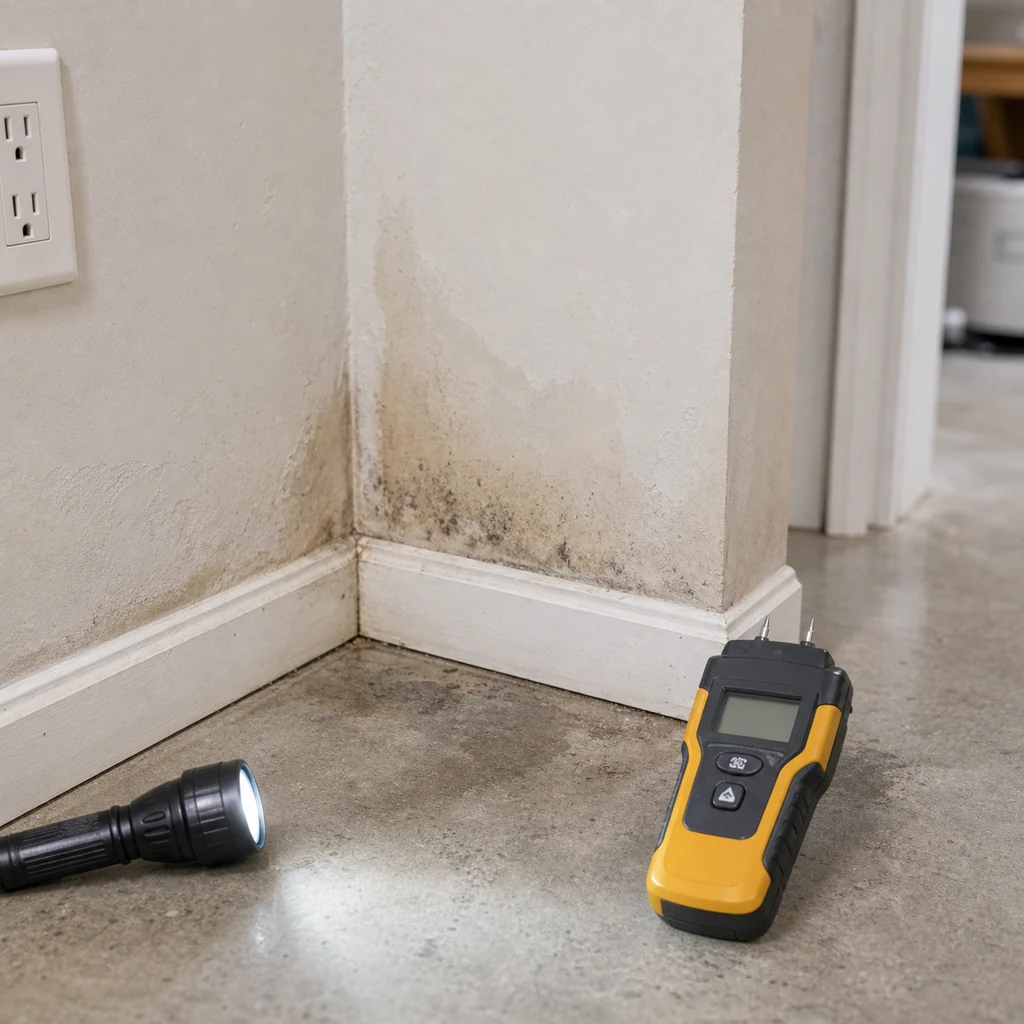
Basement wall soft at bottom
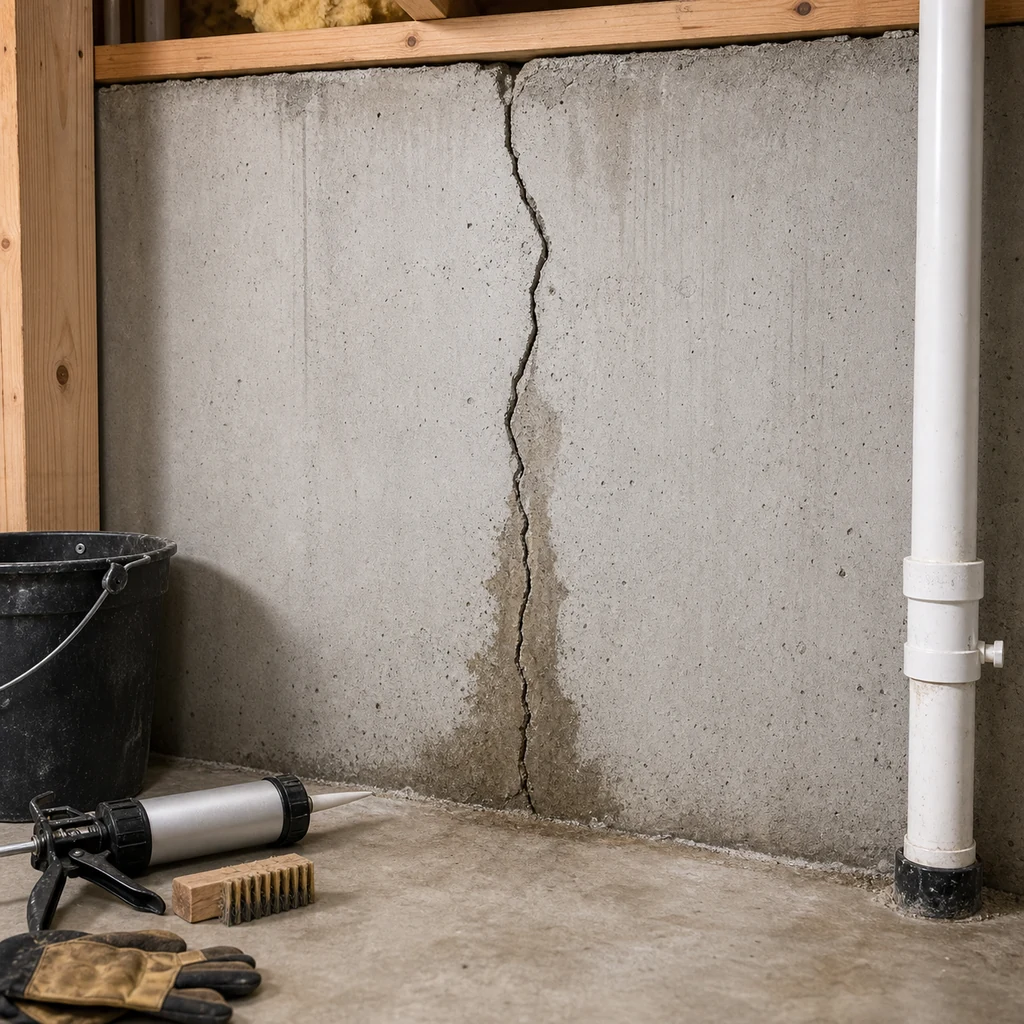
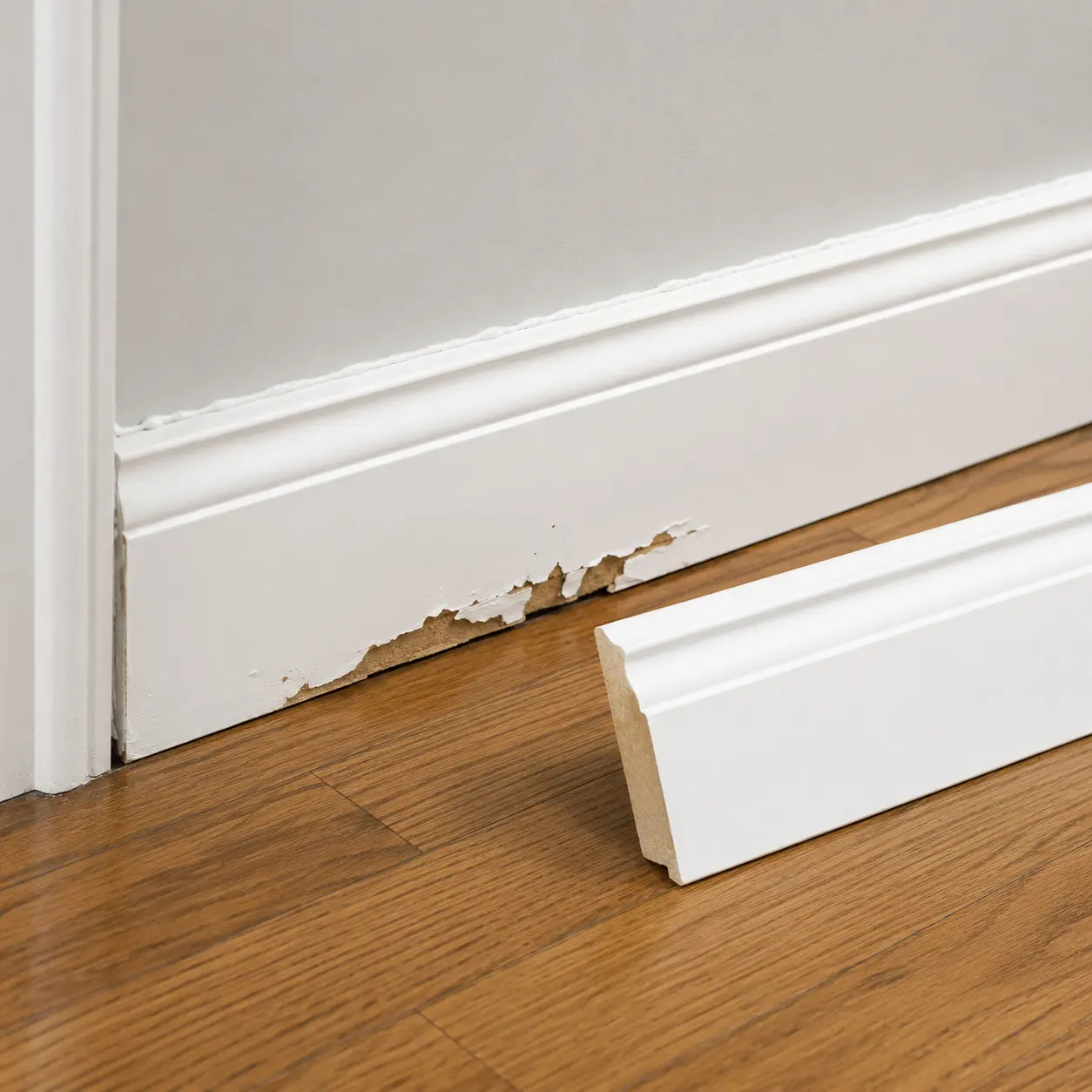
A basement wall that feels soft at the bottom usually means moisture-damaged drywall, trim, or paneling. Start by separating active water from old damage, then repair only after the wall is dry.
Start with the visible symptom: cracks, stains, soft drywall, holes, loose outlets, damp smells, or recurring damage.
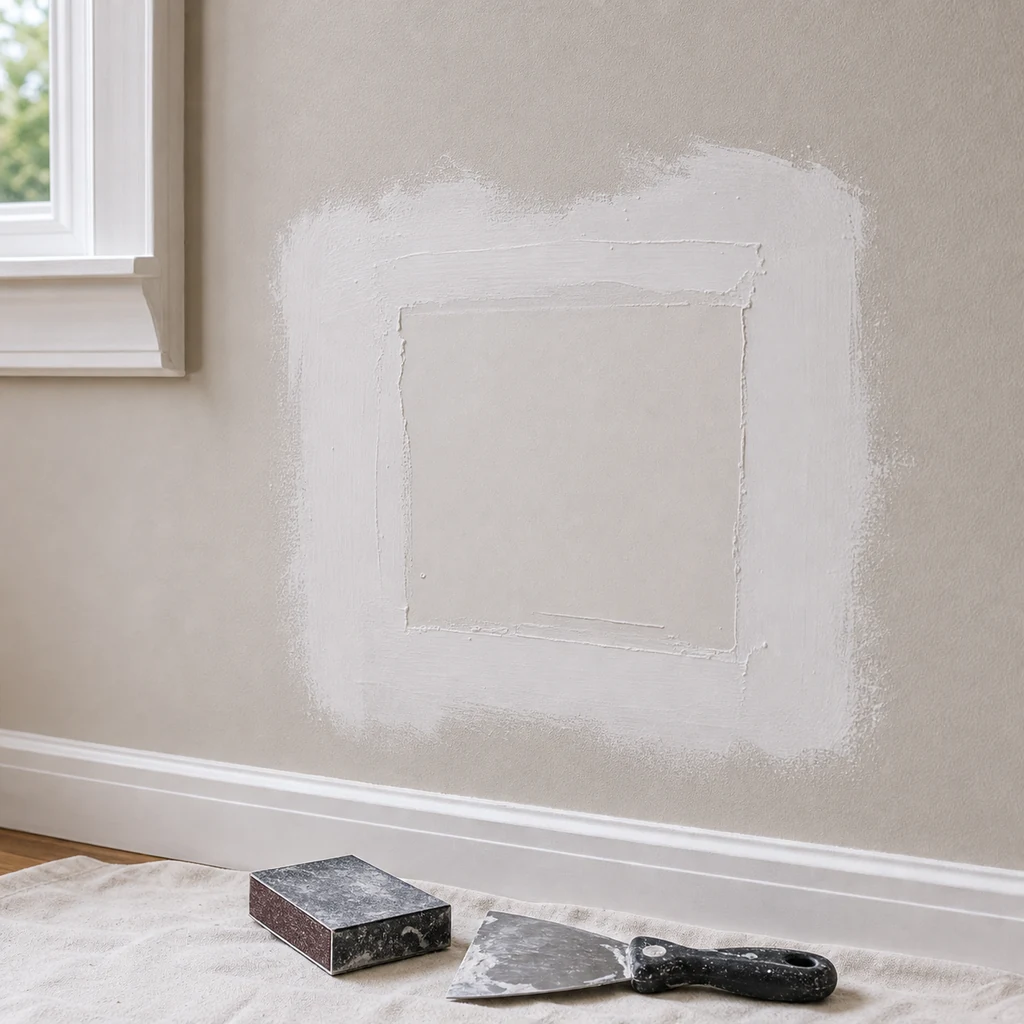
A basement wall that feels soft at the bottom usually means moisture-damaged drywall, trim, or paneling. Start by separating active water from old damage, then repair only after the wall is dry.
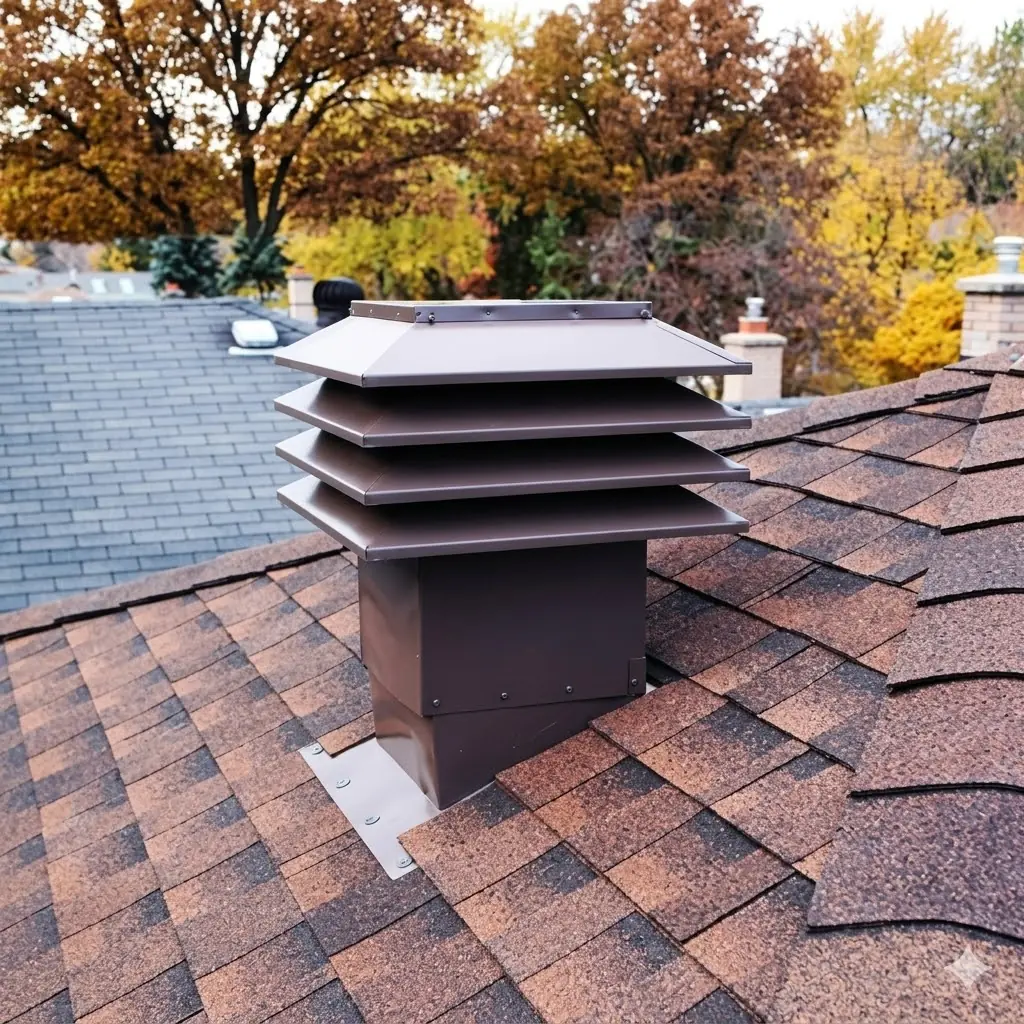
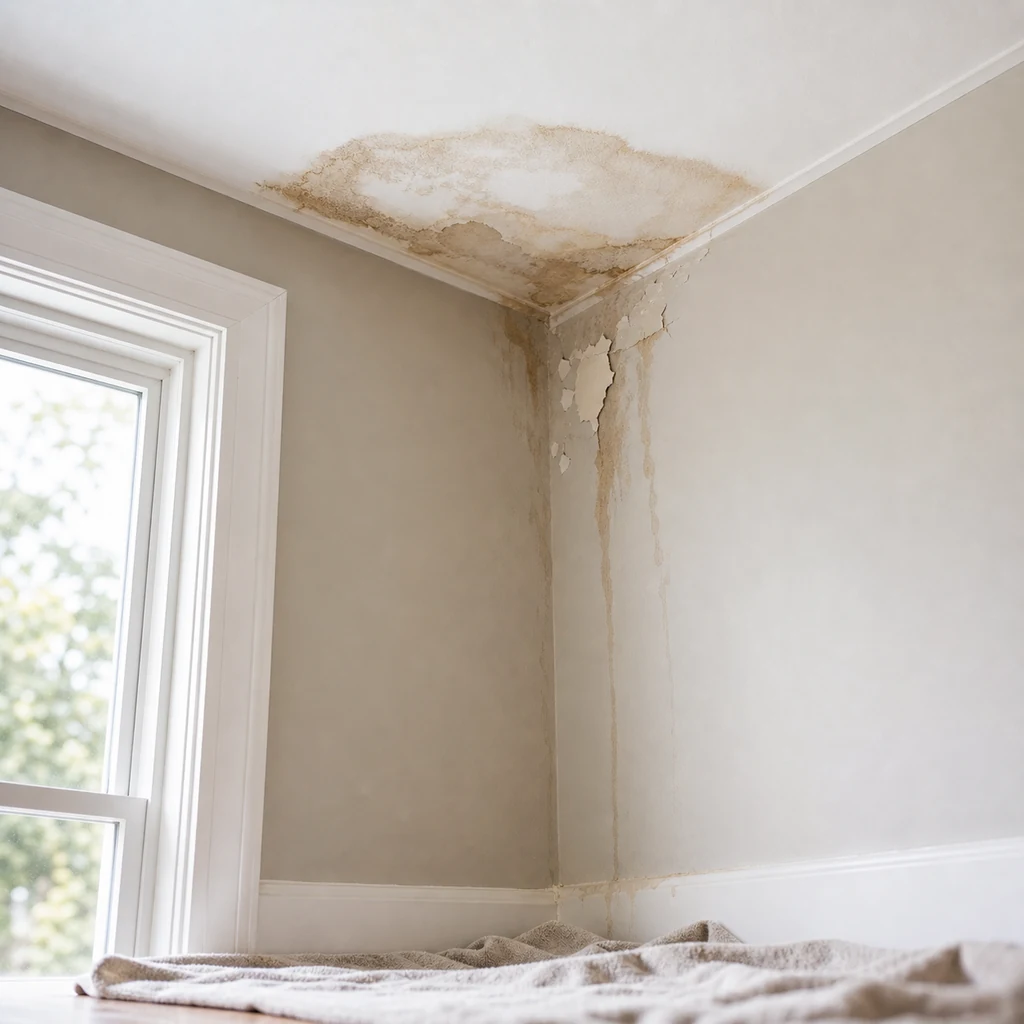
Brown stain on wall? Check for active moisture, window leaks, roof leaks, plumbing, or condensation before patching or painting.
Find out why paint is bubbling on a wall, separate moisture from bad paint adhesion, and choose the right repair before you scrape and repaint.
Figure out whether your cat damaged wall corner needs a simple drywall patch, new corner bead, or a bigger repair. Start with loose material, exposed metal, and moisture checks.
Figure out whether your cat only roughed up paint and paper or chewed through the drywall corner bead, then repair the wall corner cleanly without overfilling or patching the wrong way.
Cat urine damaged drywall? Check odor, softness, bubbling, stain spread, and trim edges before you clean, seal, or cut out the soaked drywall.
Find out whether cat urine odor is on the paint surface, in the drywall paper, or soaked deeper into the wall cavity, then choose the right repair without wasting time on the wrong fix.
Track down whether the smell is on the wall surface, in base trim, insulation, or soaked drywall before opening the wall. Start with simple checks, then remove and patch only what is truly contaminated.
Find out why a wall is sweating or damp with simple checks first. Separate true condensation from a hidden leak, then fix the source before patching drywall or paint.
Figure out whether your dog only roughed up paint and paper or crushed the drywall corner bead, then repair the corner cleanly without patching over hidden damage.
Figure out whether your dog only roughed up paint and paper or tore into drywall corner bead, then make the right wall repair without patching over hidden damage.
Figure out whether dog urine damage on drywall needs cleaning, sealing, patching, or a cut-out repair. Start with odor, softness, swelling, and how deep the damage goes.
Track down whether the smell is on the paint, in the drywall paper, or deeper in the wall cavity, then clean, seal, patch, or cut out the damaged drywall without guessing.
Track down whether the smell is on the wall surface, in base trim, or soaked into drywall and insulation. Start with simple checks before opening the wall or patching it.
If a drywall crack keeps reopening, the fix depends on the crack pattern. Start by separating simple tape failure from movement, loose drywall, moisture, or structural shifting before patching again.
Drywall cracked? Use the crack pattern, moisture clues, and movement signs to tell a simple seam repair from a leak, fastener pop, or wall movement issue.
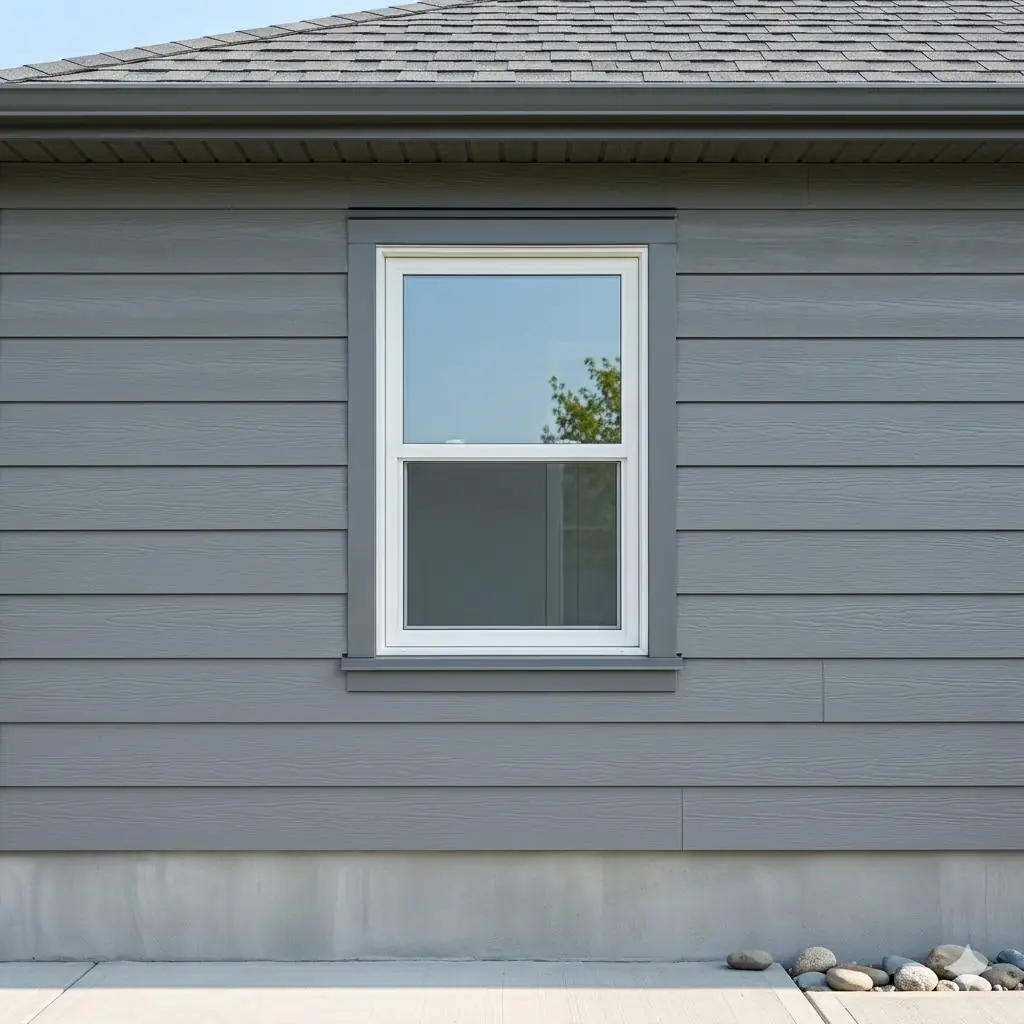
Figure out whether drywall cracks above a window are simple tape failure, seasonal movement, or a sign of framing or moisture trouble before you patch.
Figure out whether cracks around a door frame are just drywall movement, loose corner bead, or a shifting door opening before you patch and repaint.
Find out why drywall is sagging, separate moisture damage from loose fastening and structural movement, and choose the right repair path before patching.
Find out why drywall is swelling from moisture, how to tell condensation from a real leak, when the drywall can be dried and patched, and when it needs to be cut out and replaced.
Figure out whether a hole in drywall is a simple surface patch or a sign of moisture, movement, or hidden damage. Start with size, softness, and location before patching.
Track down why your house smells like wet drywall by separating active leaks, condensation, and old damp materials before you patch or repaint.
Find out why mold is showing up near a baseboard, separate condensation from a hidden leak, and know when drywall and trim need to come out instead of just being cleaned.
Track down whether the smell is active mice, urine-soaked insulation, or a dead rodent in the wall, then choose the least-destructive repair path.