Garage door binds in track
If your garage door binds in the track, start by checking for track dents, debris, dry rollers, and loose hardware before assuming the opener is bad. Know when to stop and call a pro for spring or cable trouble.
Find the symptom that matches your garage door: not closing, reversing, keypad trouble, opener issues, track problems, or hardware failure.
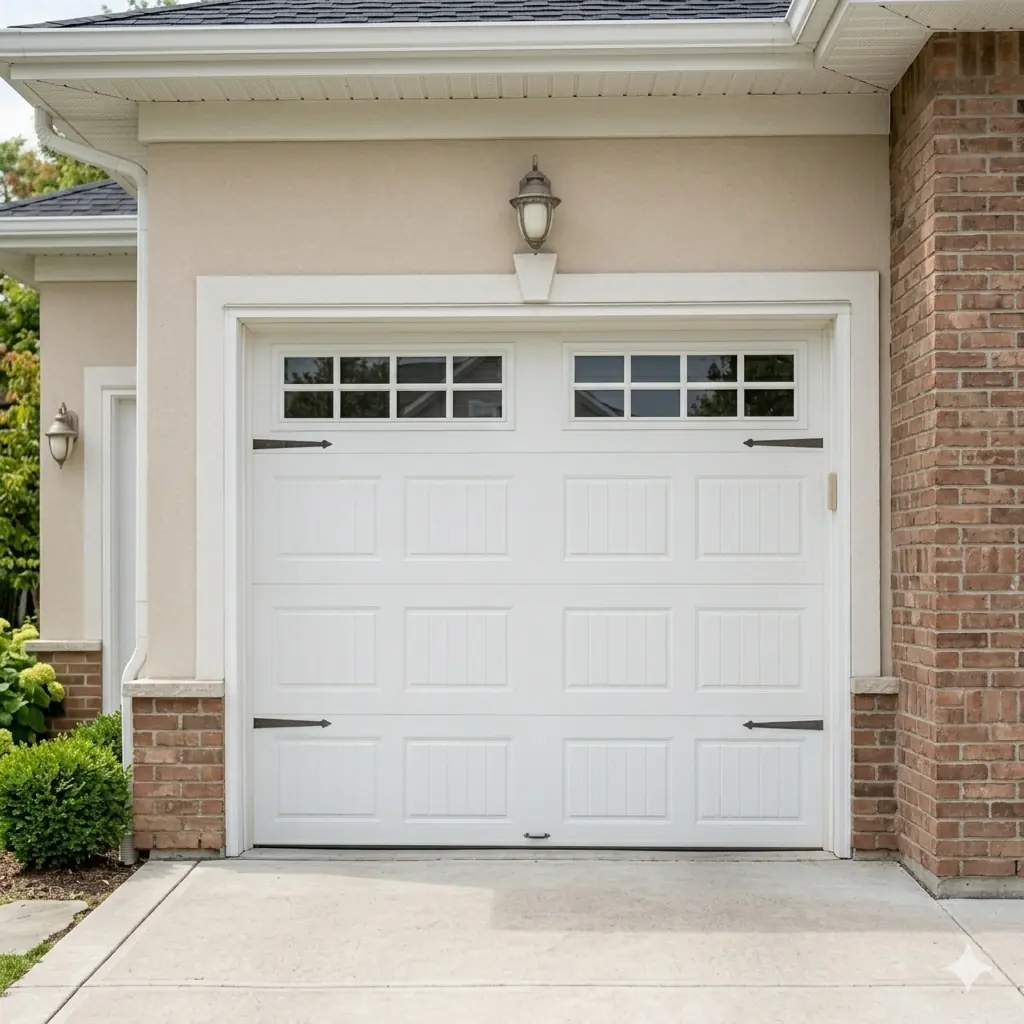
If your garage door binds in the track, start by checking for track dents, debris, dry rollers, and loose hardware before assuming the opener is bad. Know when to stop and call a pro for spring or cable trouble.
Find out why water drips from a garage door bottom corner. Separate condensation from a real leak, check the bottom seal and floor slope, and know when the door is out of alignment.
If your garage door chain is banging, start by checking chain slack, opener mounting, and door balance before assuming the opener is bad. Here’s how to narrow it down safely.
If your garage door touches down and reverses, start with the photo eyes, floor contact, and travel settings before assuming the opener is bad.
A garage door that hangs crooked usually points to a roller, hinge, track, or cable problem. Start with safe visual checks and stop before touching springs or lift cables.
Find out why ice forms under a garage door, starting with simple checks for meltwater, gaps, and a flattened bottom seal before you replace anything.
If your garage door jerks, shudders, or lurches when opening, start with rollers, hinges, track obstructions, and balance clues before blaming the opener.
If your garage door jerks, hops, or shakes in the track, start with rollers, hinges, loose track hardware, and panel alignment before forcing it open again.
Garage door keypad not working? Start with lock mode, dead battery, dirty buttons, and reprogramming before blaming the opener or buying parts.
A garage door grinding noise usually comes from dry or worn rollers, bent track spots, loose hinges, or an opener drive issue. Start with safe visual checks and stop before touching springs or cables.
Find out why a garage door is making noise by separating squeaks, grinding, rattling, and banging first. Start with safe checks before replacing rollers, hinges, or weather seal.
Track down a garage door rattling noise by checking loose hardware, rollers, hinges, track vibration, and opener-related clues before replacing parts.
If your garage door manual release is stuck, start by checking door tension, trolley position, and a jammed release lever before forcing parts. Know when to stop and call a pro.
If your garage door gets louder when temperatures drop, start with dry rollers, stiff hinges, and weatherseal drag before assuming the opener is failing. Here’s how to narrow it down safely.
If your garage door came off track, stop using it first. Check whether a roller popped out, the track bent, or a cable or spring problem made the door rack sideways.
If your garage door sits crooked with one side higher, start with rollers, hinges, track alignment, and obvious cable trouble. Stop before touching springs or tension hardware.
A garage door that opens slowly is usually dealing with drag, dry rollers, opener force issues, or a door balance problem. Start with safe checks before replacing parts.
A garage door that opens partway then stops is usually binding in the track, hitting a travel limit, or losing pull from worn rollers or hardware. Start with safe visible checks before touching opener settings or buying parts.
If your garage door starts up a few inches and stops, check for manual lock engagement, track binding, roller damage, and opener force issues before replacing parts.
If your garage door opens by itself, start with wall controls, remotes, stuck buttons, and nearby signal issues before blaming the opener. Then check safety sensors and door travel problems.
If your garage door remote only works sometimes, start with battery, range, lock mode, and sensor-side clues before blaming the opener. Here’s how to narrow it down safely.
Garage door reverses before closing? Sort sensor alignment, track drag, bottom seal contact, and close travel before buying opener parts.
If a garage door roller came off track, stop using the opener first. Check for bent track, loose hinges, and panel damage before deciding whether a roller reset is safe or it needs a pro.
Find out why a garage door is rubbing the track. Start with rollers, hinges, loose track brackets, and door alignment before you force it or replace parts.