Can you prove it changed?
Add a gauge, ruler photo, or dated measurement before repair.
A growing basement hairline crack is not cosmetic until it proves stable. Good clue: flat and dry means measure first; wet, offset, or storm-triggered movement needs drainage and foundation checks.
The usual cause is old shrinkage reacting to a new seasonal trigger: saturated soil, thaw pressure, drought movement, or roof water at that wall.
Watch it through the next storm, thaw, or dry spell. Repair comes after the wall stays flat and the pressure source is handled.
Don’t start with: Do not start with waterproof paint, caulk, or injection. Those can hide the evidence that tells you whether the wall is still moving.
Add a gauge, ruler photo, or dated measurement before repair.
Treat it as movement, not cosmetic filler.
Check outside water pressure and drainage first.
Stop DIY and get a foundation evaluation.
Monitor first; cosmetic repair can wait until stability is proven.
A growing crack needs proof of width, movement, moisture, and outside water timing.
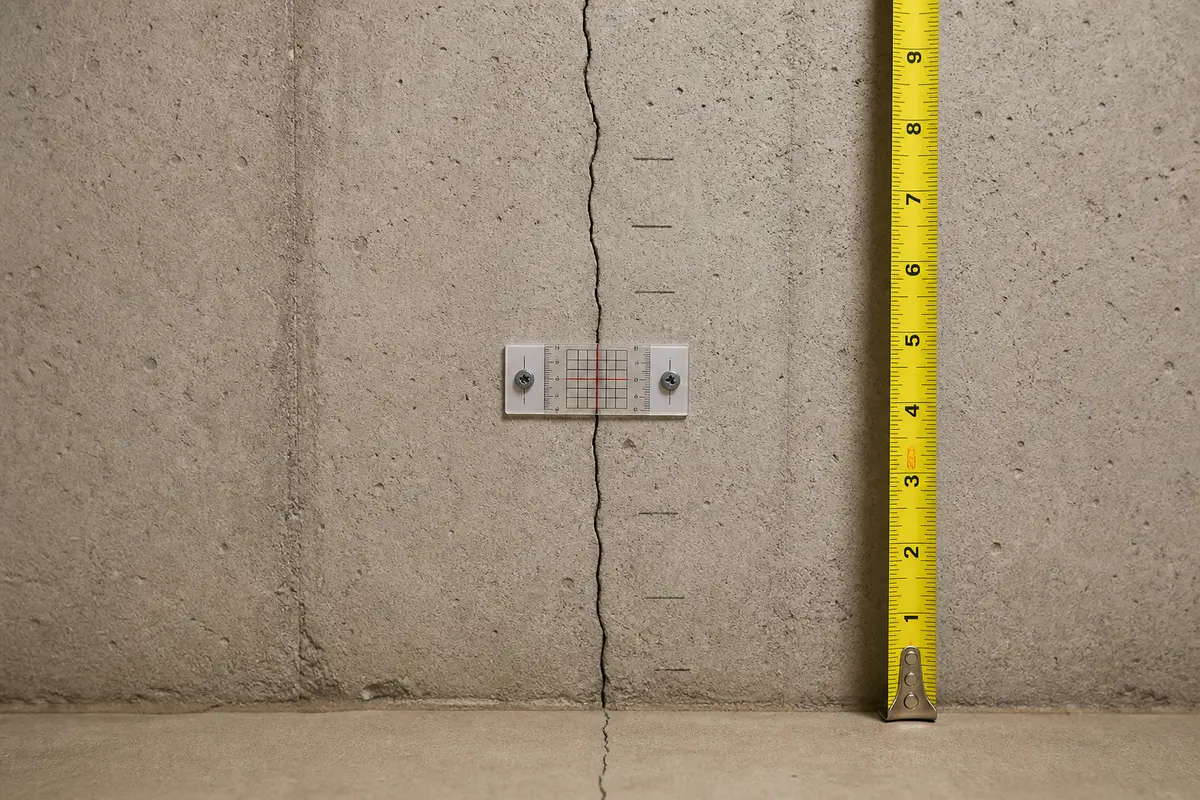
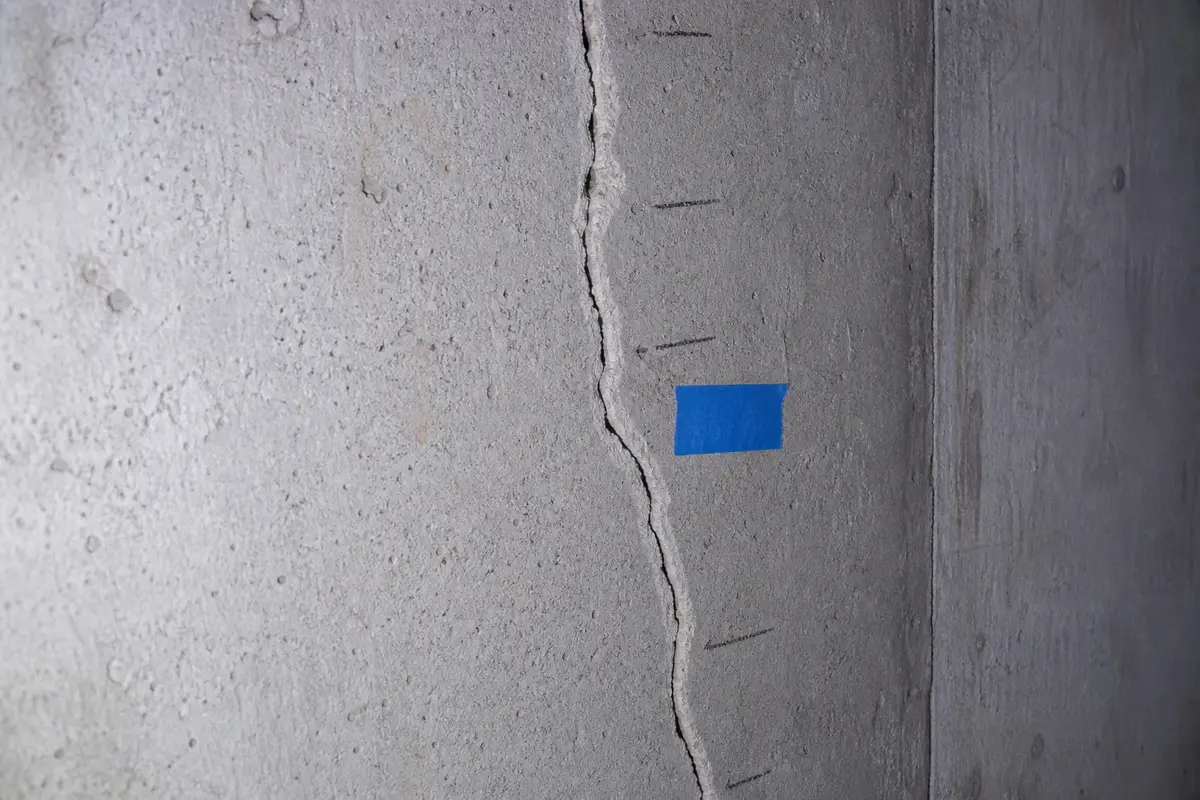
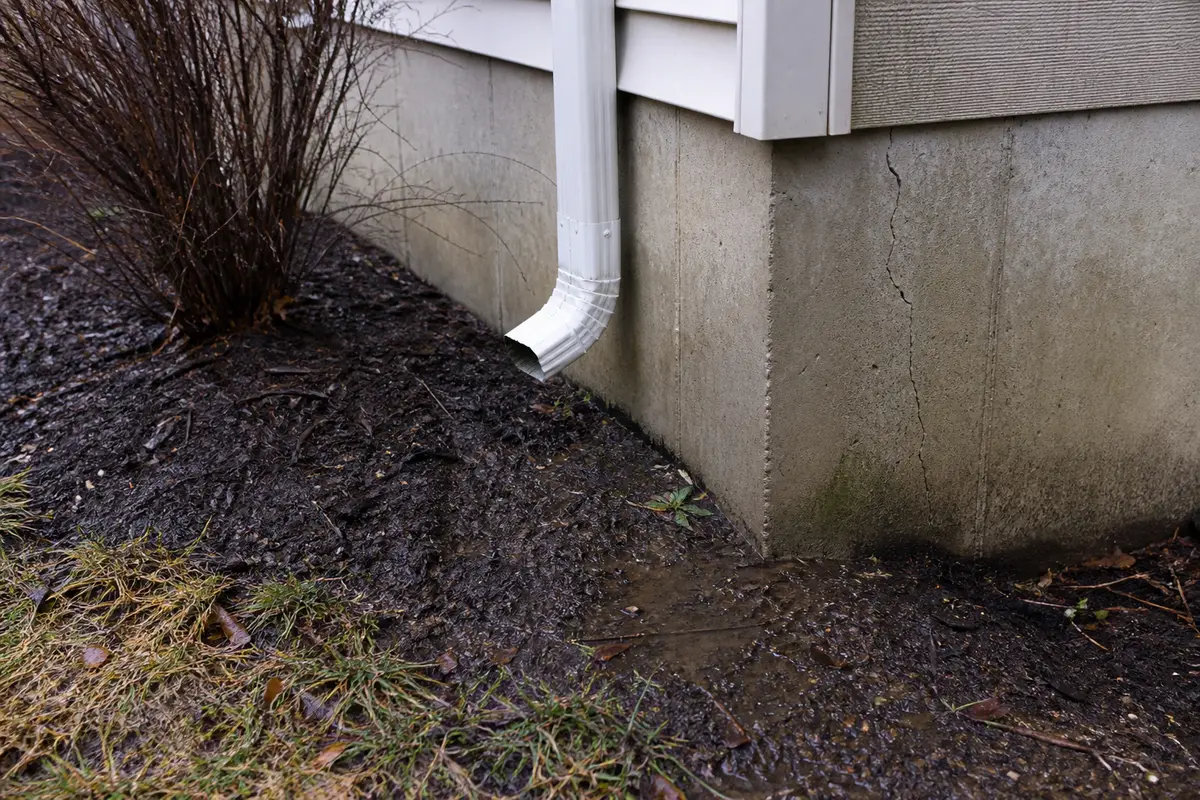
Match the exact diagnosis before shopping. Confirm width change, wall flatness, water timing, outside drainage, foundation type, and whether the crack is stable enough for injection or only ready for monitoring.
A hairline crack is usually caused by shrinkage or settlement, but visible growth means movement must be measured before patching.
Patching too early removes the evidence you need to judge movement.
Separate harmless surface shrinkage from active movement before buying repair materials.
| Finding | Likely meaning | Next move |
|---|---|---|
| Flat, dry, unchanged | Old shrinkage crack | Monitor before cosmetic repair |
| Wider after rain or thaw | Water pressure or soil movement | Fix drainage and keep monitoring |
| Offset or bowing | Structural movement warning | Stop DIY and get evaluation |
| Wet at one narrow path | Possible water-entry crack | Check movement before injection |
Choose repair only after the crack is proven stable or the source pressure is reduced.
Use these only after documenting whether the crack is stable, dry, and appropriate for a homeowner-level repair.
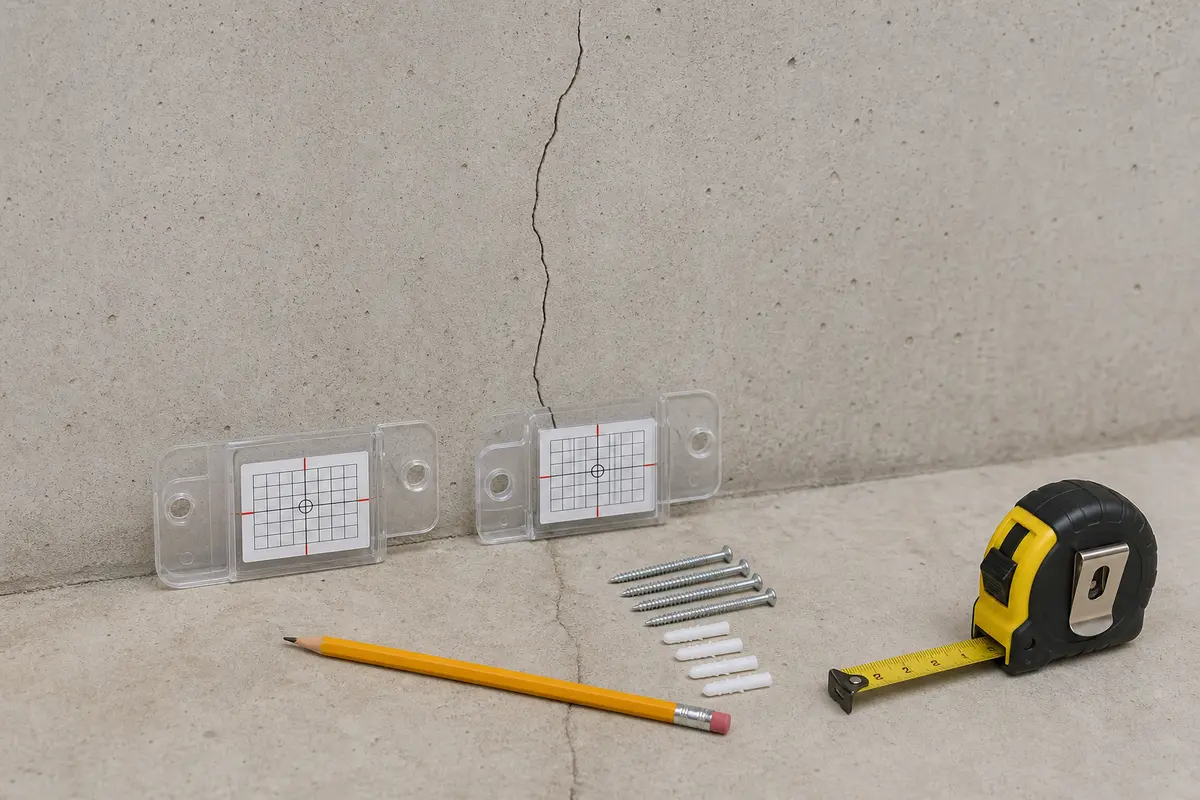
Helps when: Use a crack monitor gauge to track whether the basement hairline crack is actively widening over time.
Skip it when: Skip cosmetic patching if the gauge shows movement or the crack changes quickly.
Compare crack monitor gauges on Amazon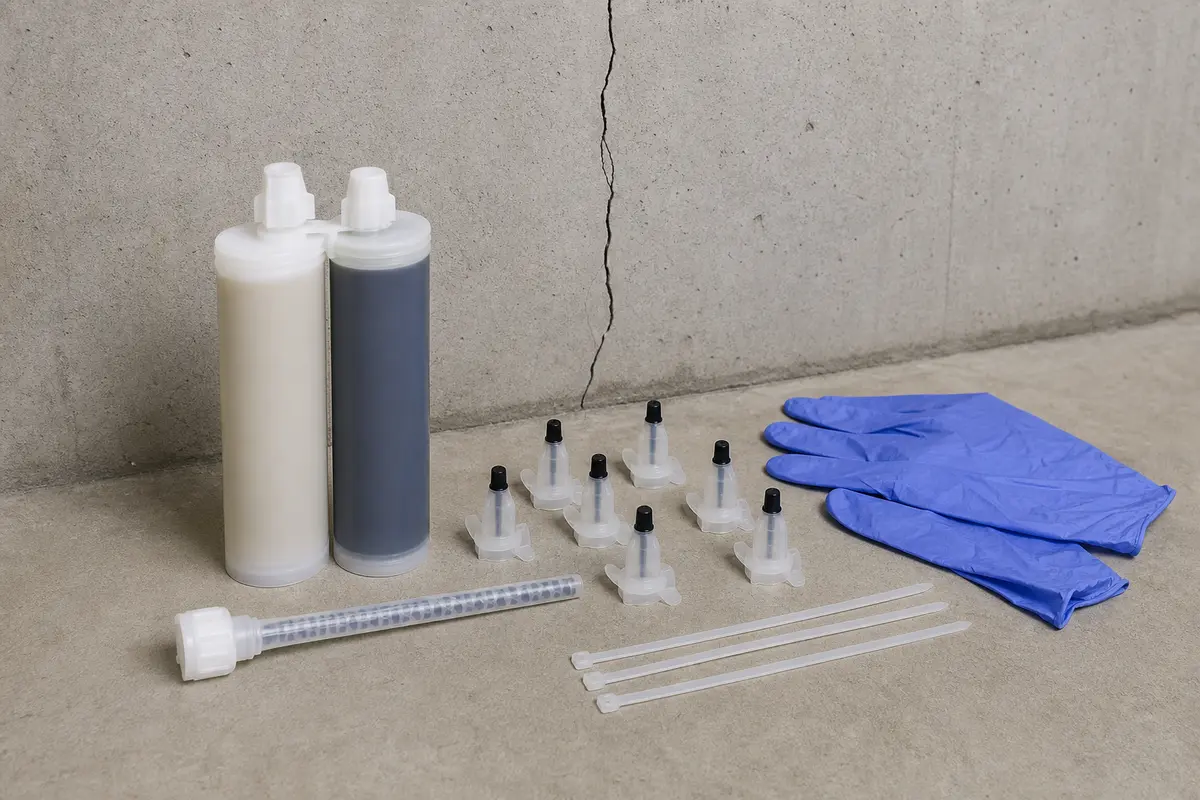
Helps when: Use a foundation crack injection kit only for a stable, suitable crack after drainage and moisture checks are complete.
Skip it when: Skip injection for moving cracks, wide displacement, structural symptoms, or active water under pressure.
Compare foundation crack injection kits on Amazon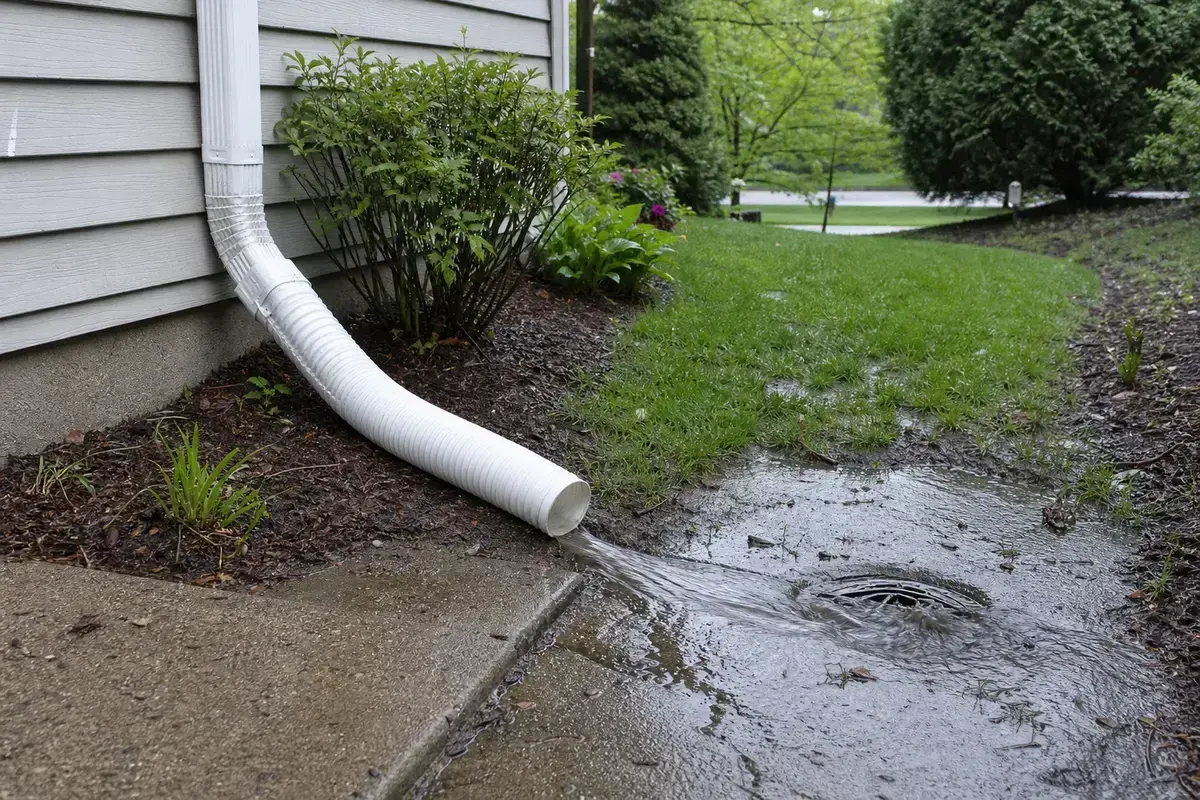
Helps when: Use a downspout extension when roof runoff is landing near the wall section with the growing crack.
Skip it when: Skip interior patching as the first fix if exterior water is still draining against the foundation.
Compare downspout extensions on AmazonAs an Amazon Associate I earn from qualifying purchases. Repair Riot may earn a commission at no extra cost to you.
Use these tools to document size, moisture, and change before deciding whether to patch or call a foundation pro.
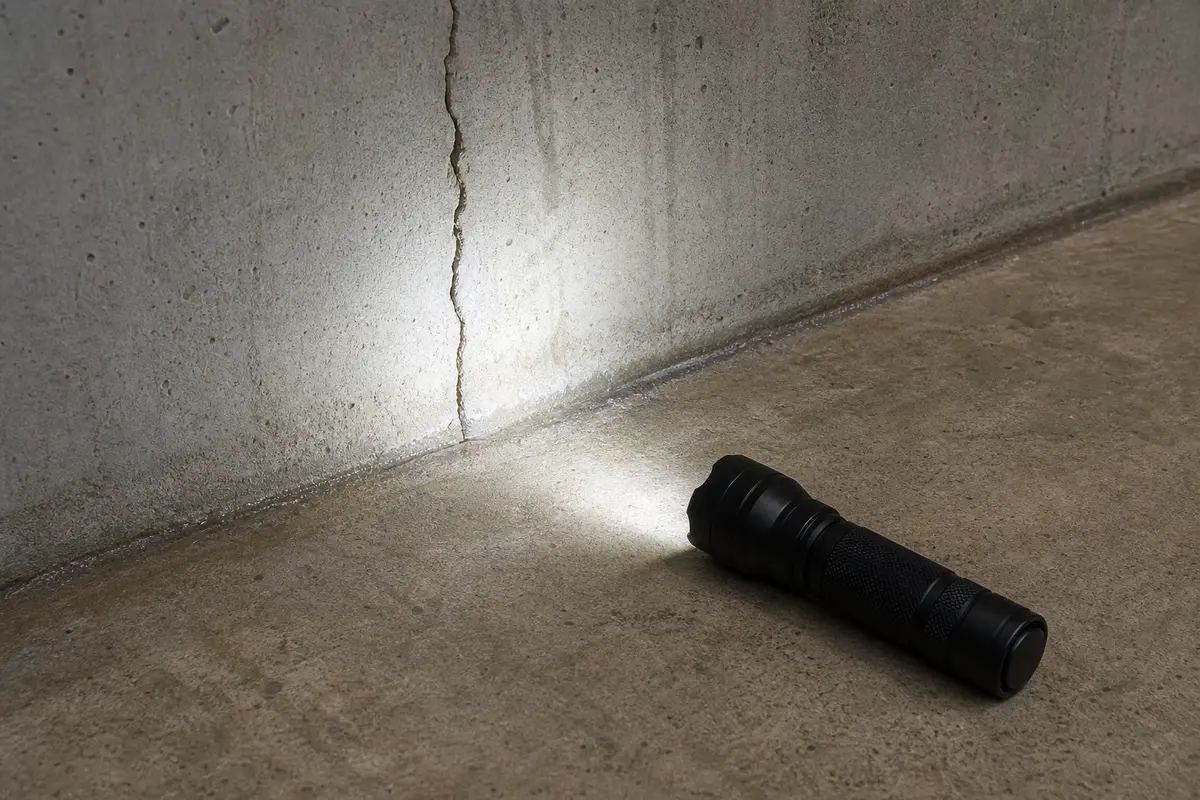
Helps when: Use an inspection flashlight to look for branching, staining, displacement, or damp edges along the hairline crack.
Skip it when: Skip close inspection if water, unstable storage, or electrical hazards make the wall unsafe to approach.
Compare inspection flashlights on Amazon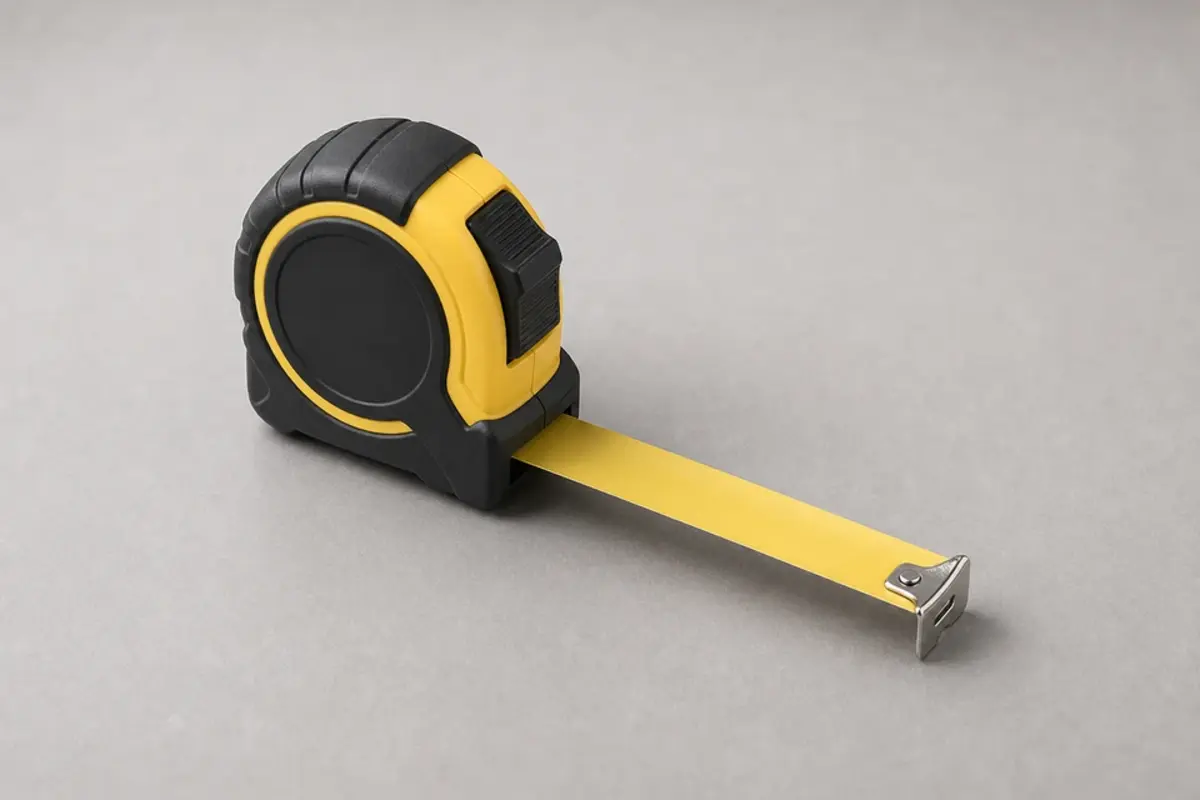
Helps when: Use measuring tape to record crack length, distance from corners, and repeat measurement points.
Skip it when: Skip freehand notes; repeatable measurements make growth easier to verify.
Compare measuring tapes on Amazon
Helps when: Use a pinless moisture meter to compare damp readings near the crack with dry control areas on the wall.
Skip it when: Skip assuming the crack is dry because the surface looks light; hidden dampness can affect repair choice.
Compare pinless moisture meters on AmazonAs an Amazon Associate I earn from qualifying purchases. Repair Riot may earn a commission at no extra cost to you.
It can be. A flat dry crack may only need monitoring, but widening, offset, bowing, or wet staining means the wall or outside pressure needs attention.
Measure the same point, photograph it with scale, or install a crack monitor gauge. Guessing from memory is unreliable.
Not first. Patch only after it stays flat, dry, and unchanged through the same weather or seasonal trigger.
Call for bowing, offset, stair-step cracks, slab heave, fast widening, repeated seepage, or several cracks changing in the same wall.
Water pressure and saturated soil can contribute to seasonal movement, especially when downspouts or grading load the same wall.
Only for a narrow stable poured-concrete crack with a confirmed water path. Moving or structural cracks need evaluation first.
At minimum, compare through the same trigger conditions: heavy rain, thaw, dry season, or winter opening.
No. Keep the crack visible until it is proven stable and dry.
Repair Riot built this page around crack-growth clues: repeatable measurement, wall flatness, fresh edges, moisture timing, and drainage-first repair sequencing.