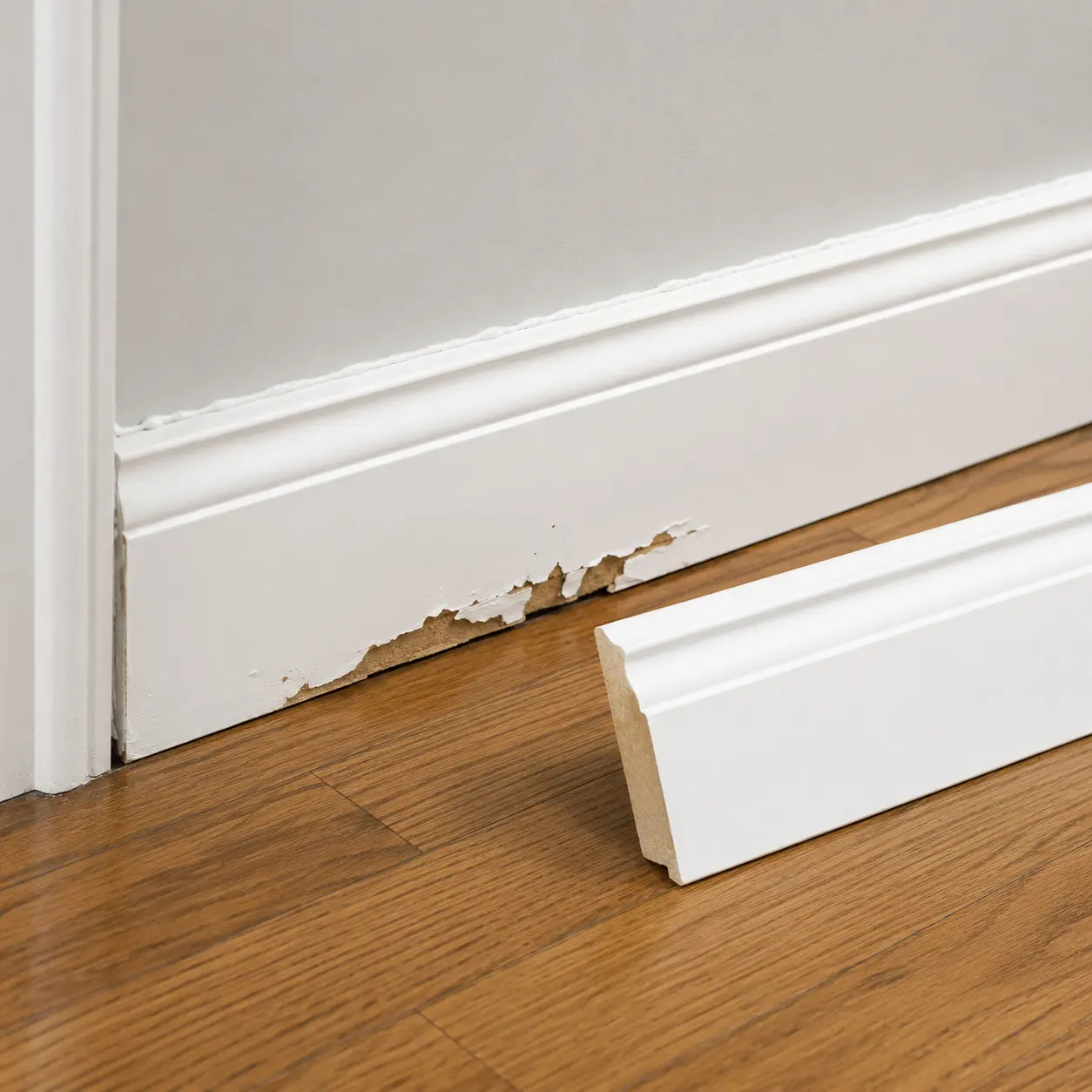
Cabinet toe kick swollen from leak
A swollen cabinet toe kick usually means water has been sitting at the cabinet base. Find the source first, dry the area, and decide whether the toe kick can be saved or needs replacement.
Start with where the water appears, when it happens, and what is above or outside the area before repairing surfaces.
A swollen cabinet toe kick usually means water has been sitting at the cabinet base. Find the source first, dry the area, and decide whether the toe kick can be saved or needs replacement.
A ceiling bubble that appears after an upstairs shower usually means an active bathroom leak, not just old staining. Start with safe checks to separate splash and caulk issues from drain, valve, or supply leaks before opening the ceiling.
Ceiling water stain? Sort active leaks, old rings, roof or plumbing sources, condensation, and drywall damage before painting or patching.
Find out why water shows up after a shower by separating splash-out, drain leaks, supply leaks, and failed shower waterproofing before you patch or recaulk anything.
Track down a leak that shows up only during rain by separating roof, window, siding, and condensation lookalikes before you patch or caulk the wrong spot.
Find where unexplained water on the floor is really coming from. Start with simple source checks, separate condensation from active leaks, and know when to stop and call a pro.
A damp wall spot that keeps coming back usually means an active leak or condensation path. Start by separating true leaks from surface moisture, then trace the source before patching.
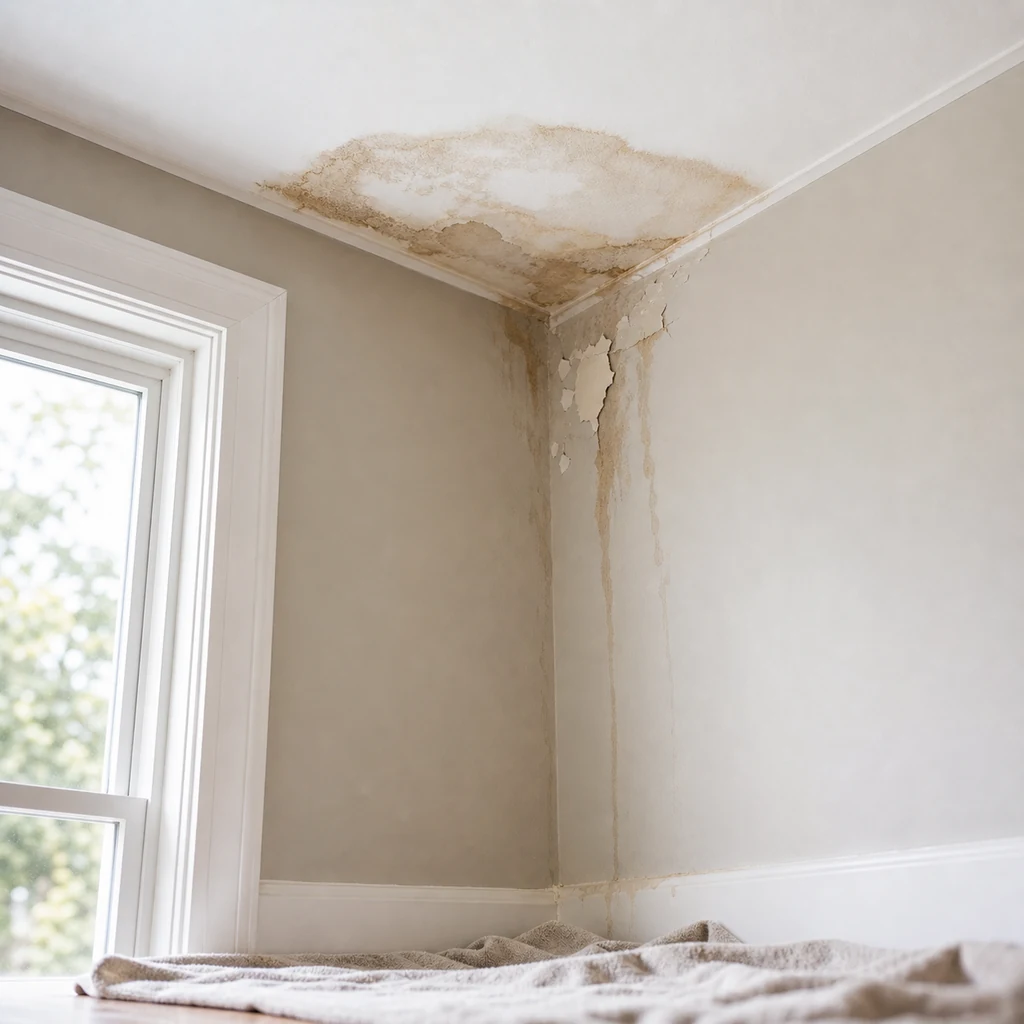
A ceiling spot that keeps coming back usually means the leak path is still active. Start by separating plumbing, roof, and condensation clues before patching the ceiling.
A wall water stain usually means moisture is traveling from above, from a window, or from plumbing in the wall. Start by separating condensation from an active leak, then trace the source before patching drywall or painting.
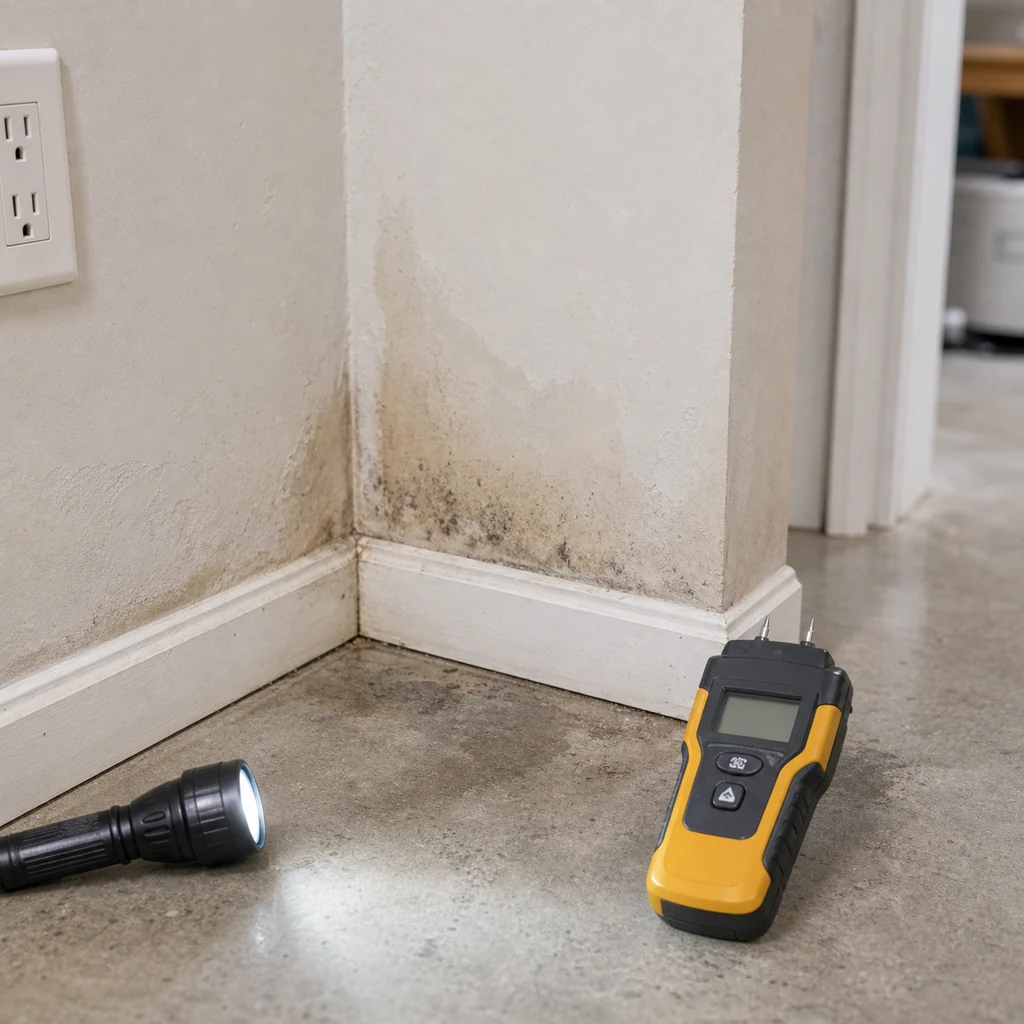
Find the source of water damage around a baseboard by separating leaks from condensation, checking nearby fixtures, windows, and exterior walls, and stopping the damage before patching trim or drywall.
Find where a home leak is really starting before patching stains or buying materials. Separate condensation, plumbing, roof, window, and foundation leak paths with safe first checks.
A musty smell after water damage usually means materials are still damp or mold is starting. Find the moisture source first, dry the area, and know when to open walls or call a pro.
Water dripping from a smoke detector area usually means the detector is just where the leak shows up, not where it starts. Shut power to that area, remove the alarm from the water path, and trace the source above before patching anything.
A wall leak after a freeze usually points to a split water line, but attic frost melt and exterior leaks can look similar. Start by shutting off water, separating active plumbing leaks from thaw-related moisture, and opening the wall only where it helps.
A ceiling stain that shows up after rain usually means a roof, flashing, vent, or window leak above it. Start by confirming active moisture, tracing the path, and protecting the ceiling before patching anything.
Find out whether water under flooring is from a fresh leak, a slow plumbing seep, or condensation, and take the right next step before the floor and subfloor get worse.
Wet drywall without an obvious leak usually comes from condensation, a hidden plumbing leak, roof or window water travel, or moisture moving from above. Start by separating active dripping from dampness and tracing the path before patching.
If a wet spot dries and then comes back, the source is still active. Use timing, location, and simple checks to separate condensation from a true leak before patching anything.
Wood trim that swells, softens, or separates usually means water is still getting to it or recently did. Start by telling leak from condensation, then trace the source before patching or repainting.
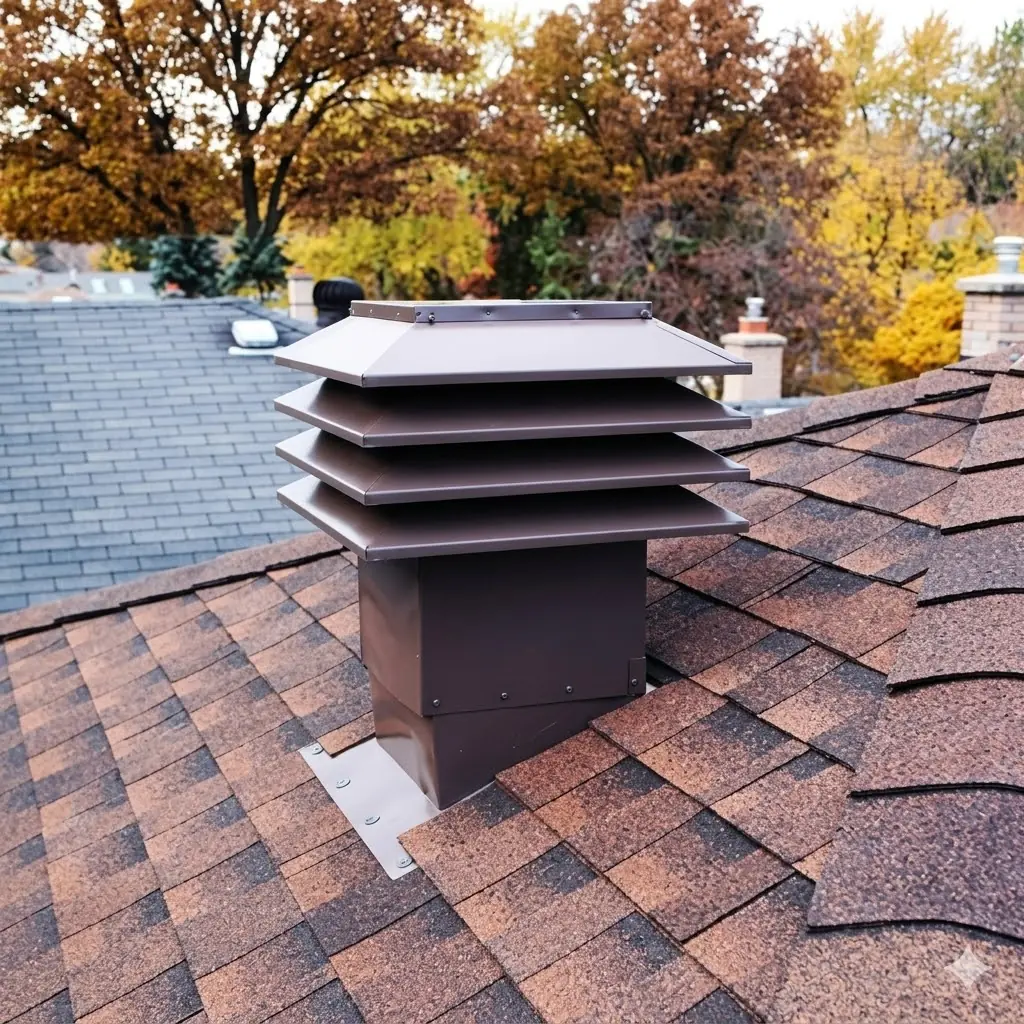
Learn how to find a roof leak safely by tracing stains, checking the attic, and testing likely roof entry points without making the damage worse.
Replace a battery smoke detector safely by confirming the old unit is the problem, removing it, installing the new detector, and testing it in real use.
Replace a hardwired smoke detector safely by confirming the right unit, shutting off power, swapping the alarm, and testing it under real use.
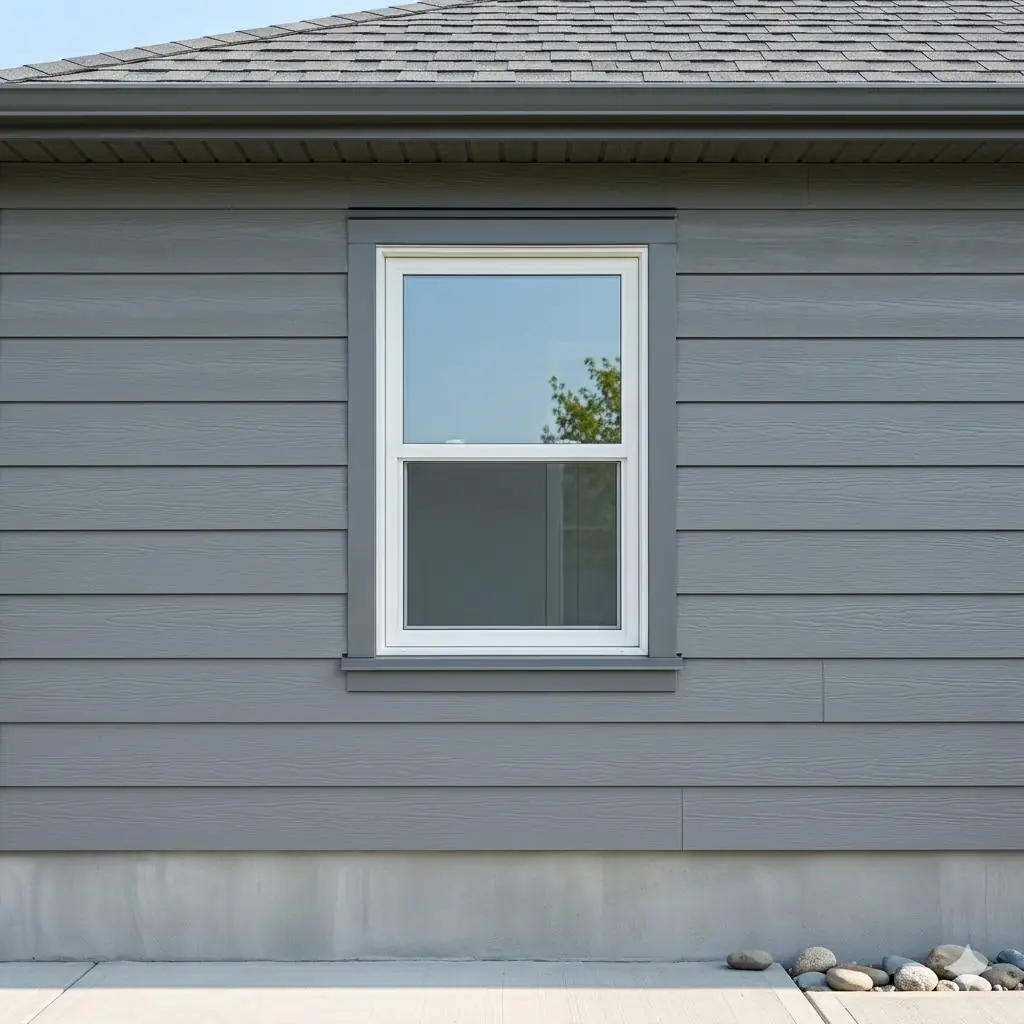
Learn how to clean out and reseal an exterior window gap so water stays outside and the seal holds through the next rain.
Start with sensors, reversal behavior, and control-side causes before opener parts.