Highest wet point on wall?
Look outside at that exact height and wall section.
A basement leak after heavy rain is usually outside water reaching a weak wall, well, or cove-joint path. First check the highest wet point, then match it to downspouts, grade, cracks, or window wells before patching.
The common causes are roof runoff near the foundation, low grade, overwhelmed window wells, cove-joint seepage, or one foundation crack under pressure.
Good clue: first stain beats biggest puddle. Photograph, dry a test patch, and keep the source visible through the next comparable storm.
Don’t start with: Do not start with interior waterproof paint, random caulk, or a crack kit before you know exactly where the rainwater enters.
Look outside at that exact height and wall section.
Clear debris, check drain behavior, and consider a cover.
Correct roof water and grading before patching inside.
Check stability before crack injection.
Measure humidity so condensation is not mistaken for seepage.
Rain leaks need entry height, outside alignment, and repeat timing.
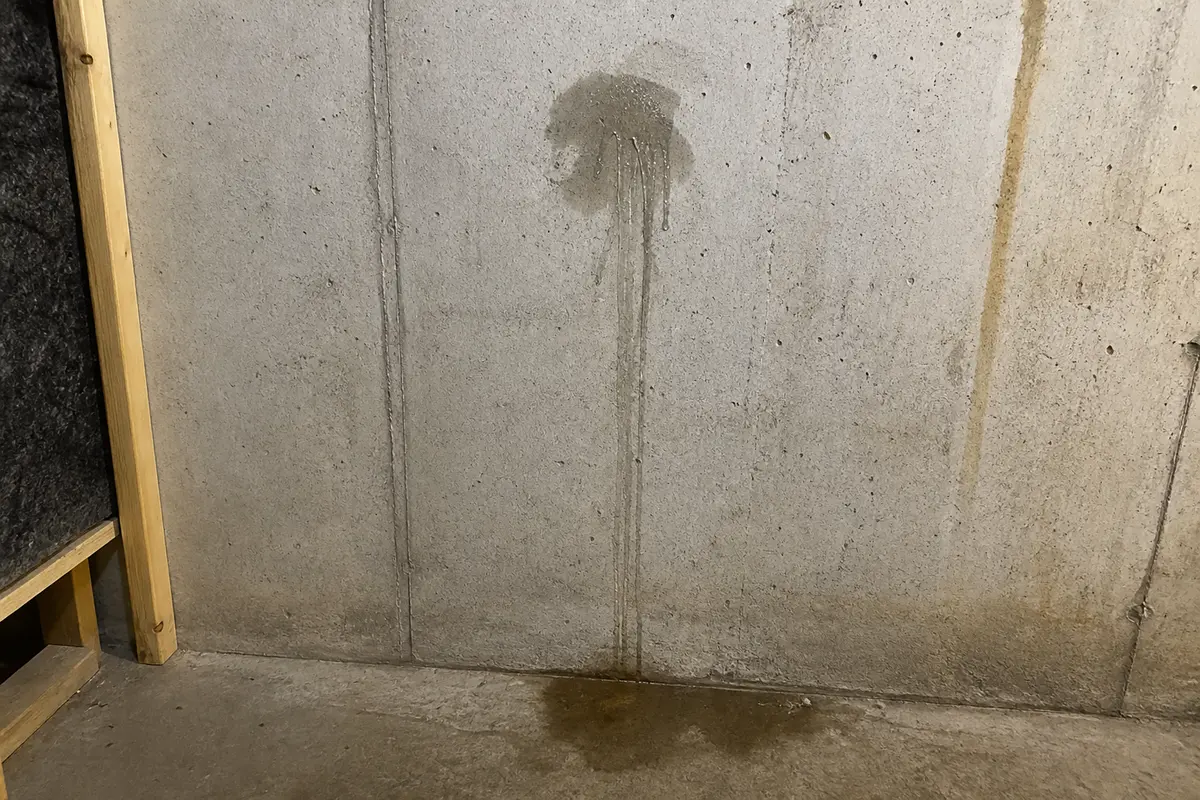
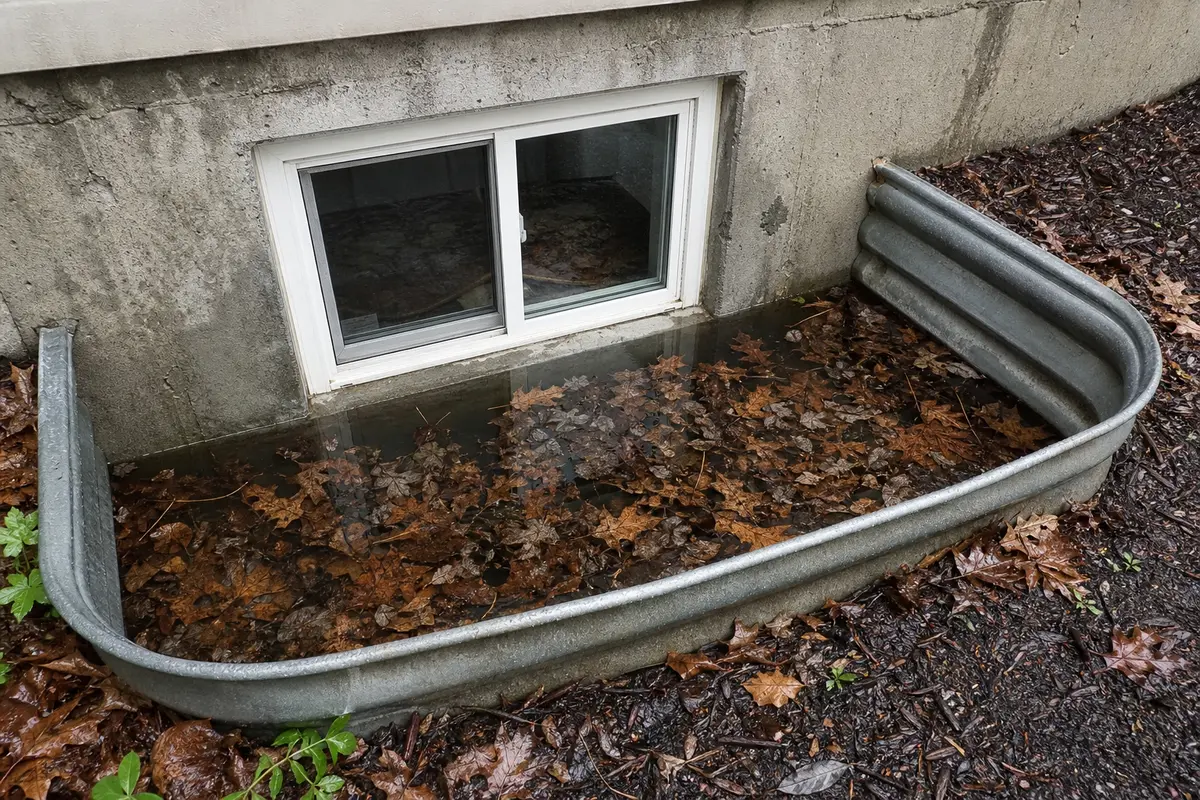
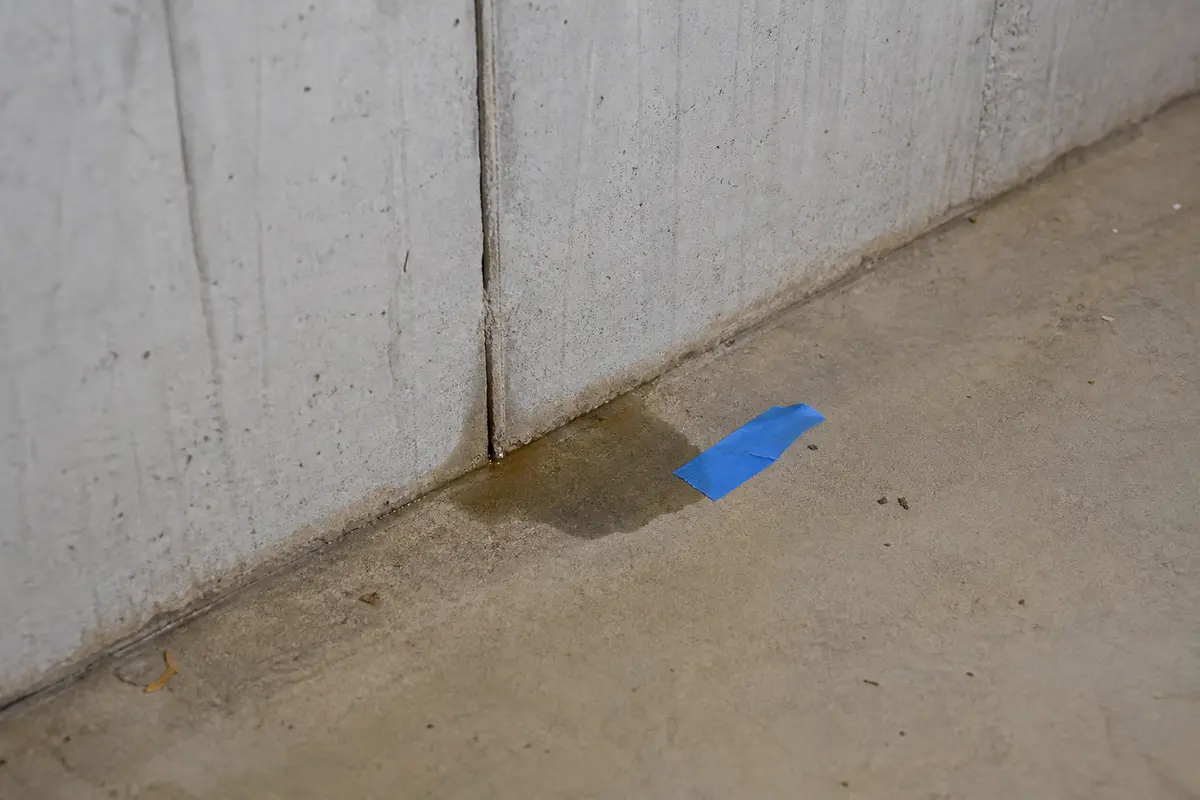
Match the exact diagnosis before shopping. Confirm the highest wet point, exterior alignment, rain timing, window-well condition, crack stability, and cleanup safety.
The biggest puddle is often not the entry point.
Inside patches fail when rainwater is still loading the wall.
Storm timing gives you the best clues while the water path is visible.
| Wet pattern | First suspect | Next move |
|---|---|---|
| High wall stain | Crack or penetration | Inspect matching exterior area |
| Below window | Window well drainage | Clear/cover well and verify |
| Wall-floor edge | Cove-joint pressure | Correct runoff and grade first |
| Broad film only | Condensation | Check humidity before patching |
Fix rain delivery before sealing the exit point.
Use these only after the wet-point pattern proves an exterior drainage, window-well, or narrow-crack path.
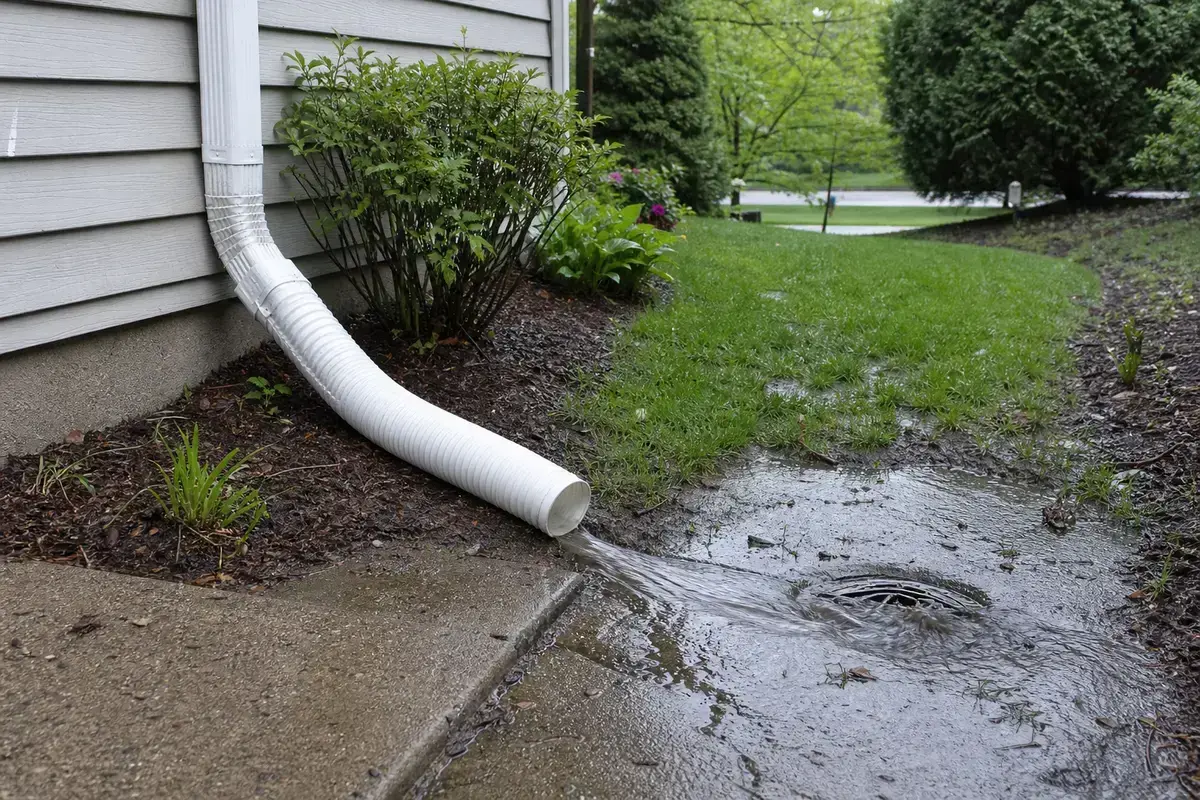
Helps when: Use a downspout extension when heavy rain runoff lands beside the foundation aligned with the wet basement area.
Skip it when: Skip interior patching first if the downspout is still dumping water next to that wall.
Compare downspout extensions on Amazon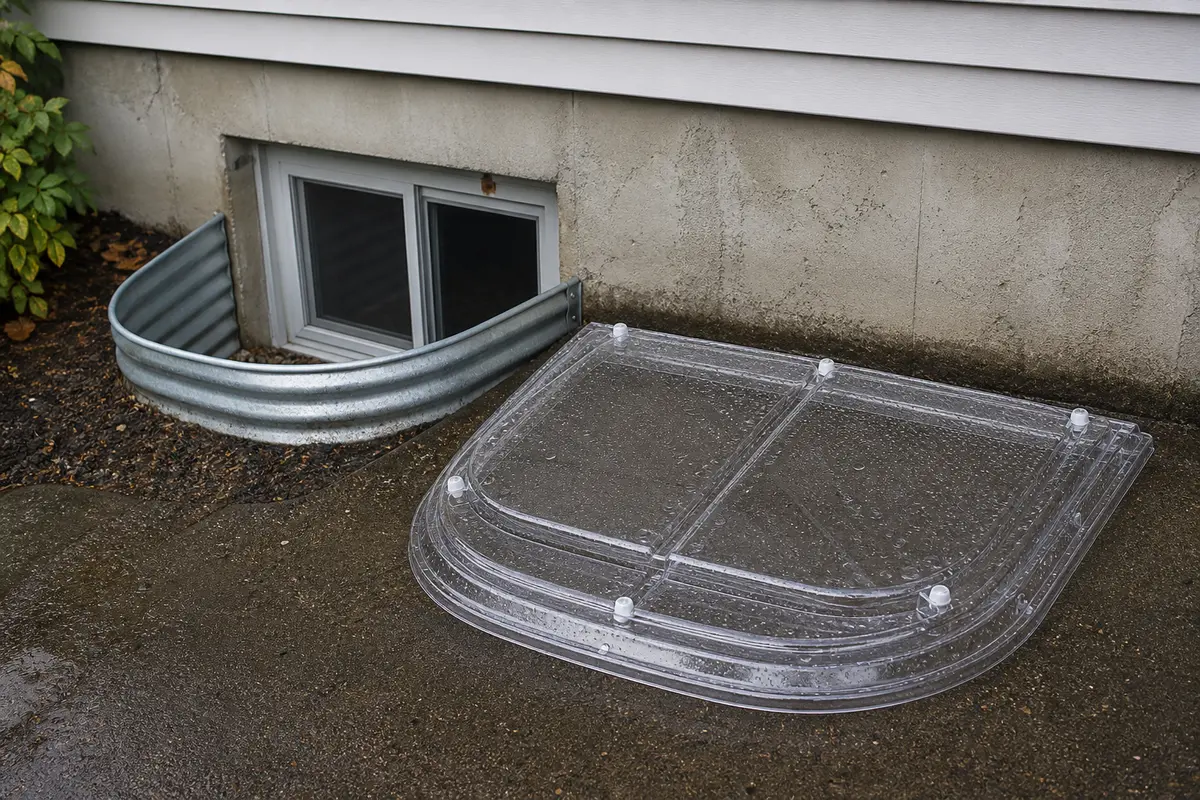
Helps when: Use a clear window well cover when heavy rain enters or overwhelms an exposed basement window well.
Skip it when: Skip a cover as the only fix if the well drain is clogged, the well is too low, or soil slopes toward it.
Compare basement window well covers on Amazon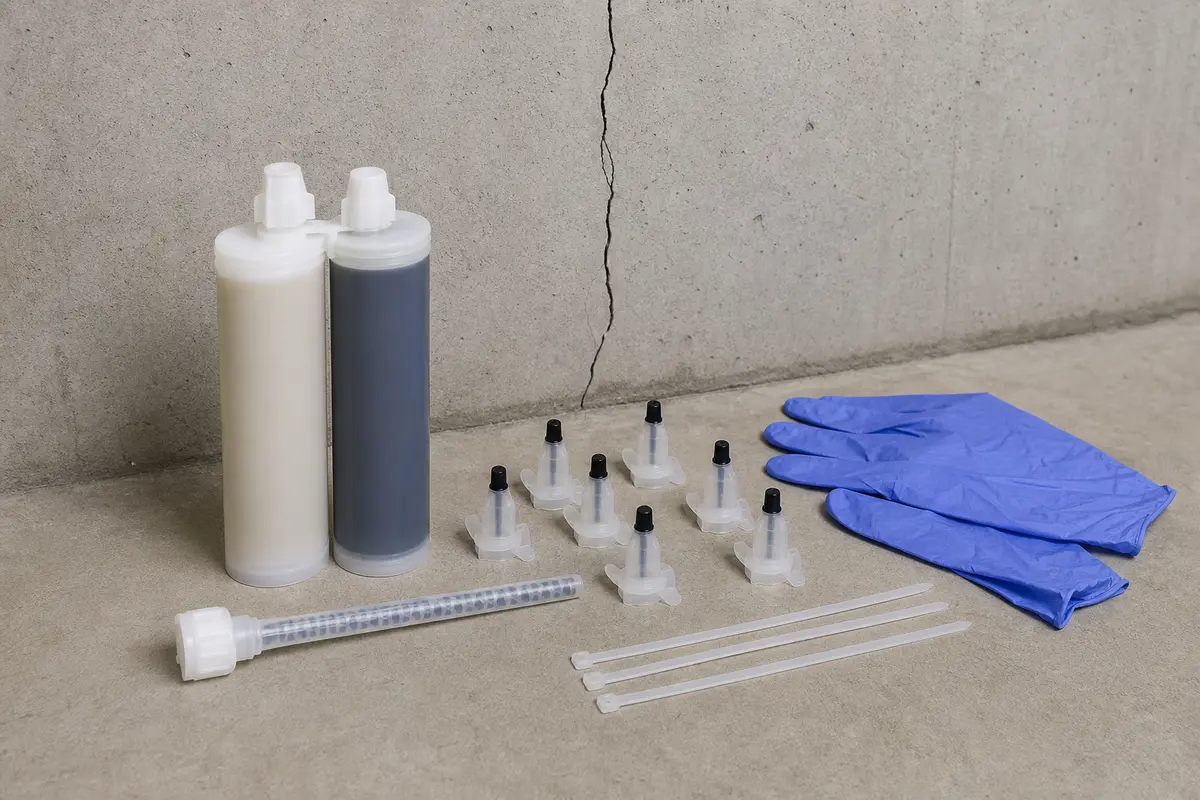
Helps when: Use a foundation crack injection kit only for a narrow, stable poured-concrete crack with a confirmed rain-water path.
Skip it when: Skip injection for moving cracks, block walls, wide displacement, or active water pressure that needs drainage correction.
Compare foundation crack injection kits on AmazonAs an Amazon Associate I earn from qualifying purchases. Repair Riot may earn a commission at no extra cost to you.
Use these tools to map the rain leak and clean up only after the source slows or is safe to handle.
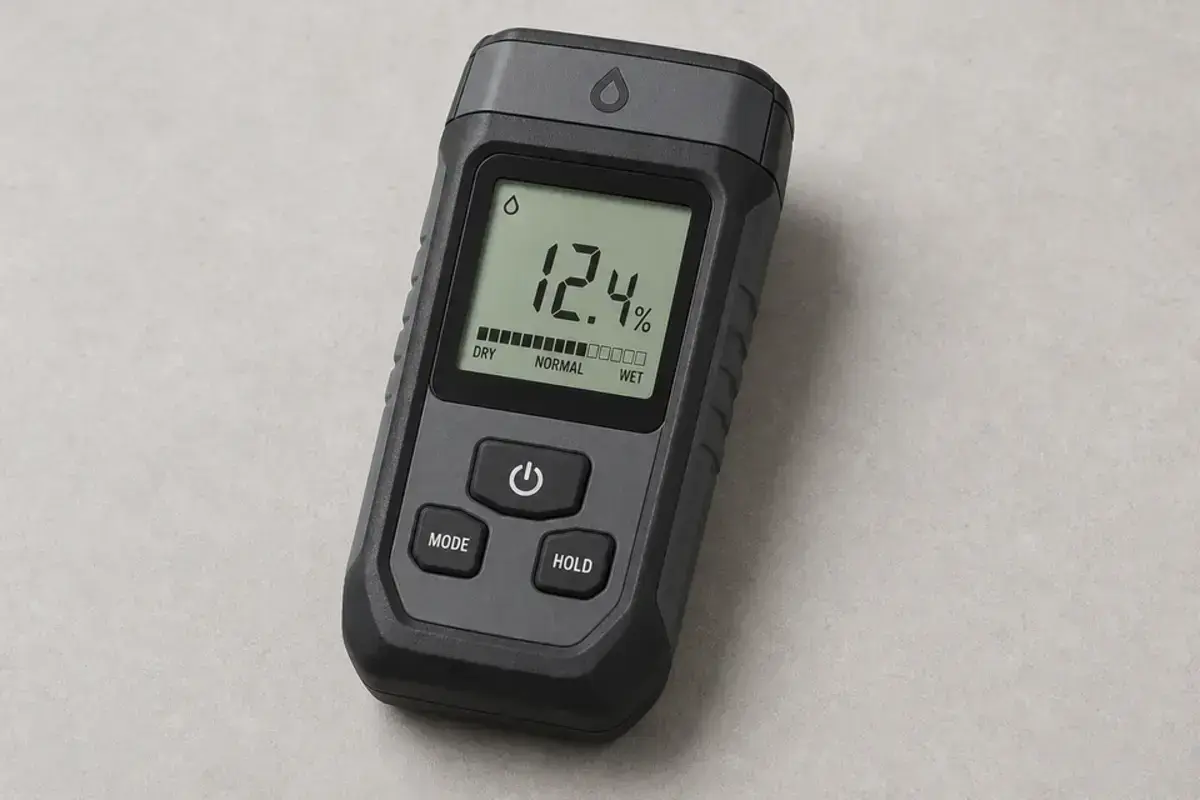
Helps when: Use a pinless moisture meter to compare the storm-wet wall or floor with the cove joint and a dry control area.
Skip it when: Skip one-spot readings; rain leaks spread sideways and can make the first wet point hard to see.
Compare pinless moisture meters on Amazon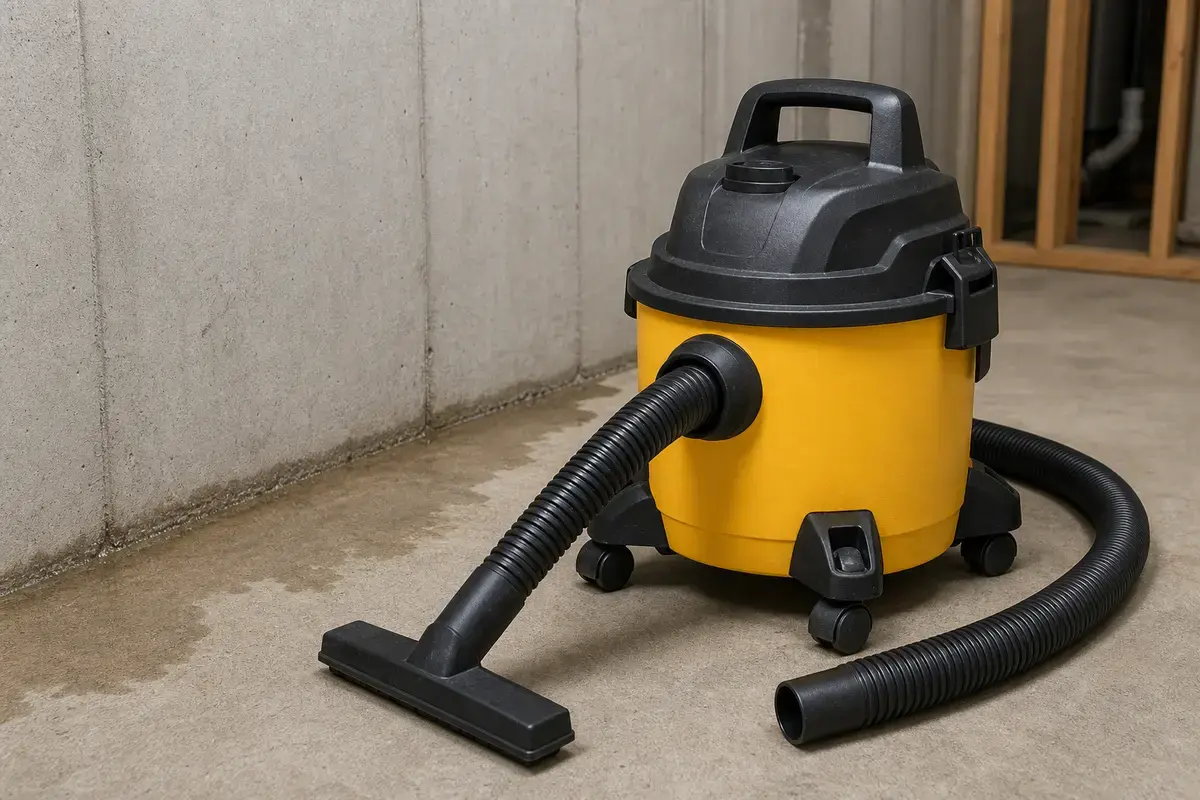
Helps when: Use a wet/dry vacuum for small clean-water pickup after the heavy-rain source slows or is contained.
Skip it when: Skip vacuuming if water may involve sewage, fuel, electrical hazards, or unknown contamination.
Compare wet/dry vacuums on Amazon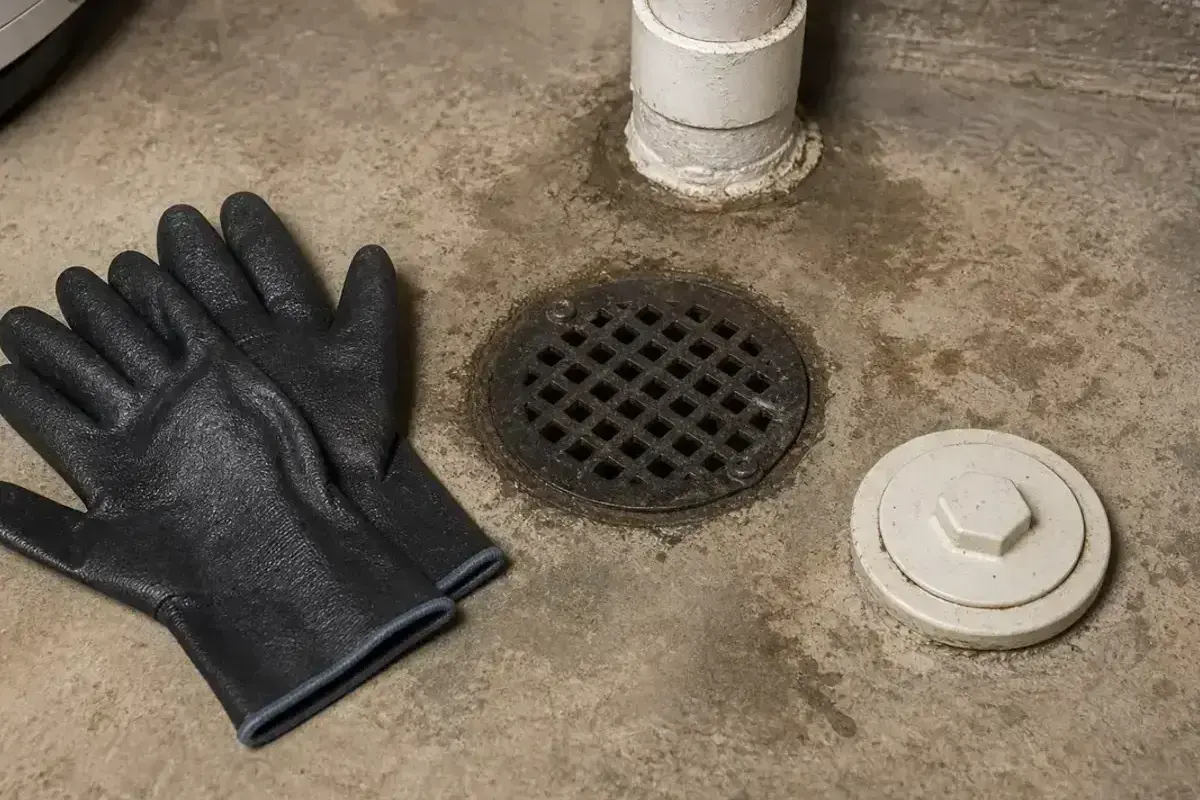
Helps when: Use waterproof work gloves when moving damp storage, wiping masonry, or handling dirty cleanup towels.
Skip it when: Skip bare-handed cleanup around sharp debris, standing water, or suspect contamination.
Compare waterproof work gloves on AmazonAs an Amazon Associate I earn from qualifying purchases. Repair Riot may earn a commission at no extra cost to you.
Heavy rain can overload gutters, downspouts, grade, window wells, and soil around the foundation until water finds a crack or cove joint.
No. Sealants rarely solve outside pressure by themselves and can hide the entry path.
It is the highest fresh damp mark before water runs down or spreads. It often points closer to the actual entry path.
Yes. Debris, poor drainage, missing covers, or grading toward the well can send water through or around the window.
Only for a narrow stable poured-concrete crack with a confirmed single water path.
The same marked spot should stay dry through a comparable heavy rain, not just a light shower.
Call for fast inflow, bowing walls, slab heave, long perimeter seepage, electrical risk, contaminated water, or repeated leaks after drainage work.
It helps with small clean-water cleanup, but it does not fix the rainwater path.
Repair Riot built this page around heavy-rain clues: highest wet point, window wells, cove-joint timing, crack stability, and drainage-first verification.