Water tracks the crack?
Crack path is likely.
A leaking basement wall crack usually means outside water found a narrow path through the wall. First prove water is tracking the crack itself, then check movement, drainage pressure, and cove-joint lookalikes.
The usual cause is saturated soil or roof runoff loading the wall during rain, then pushing through a stable vertical or diagonal crack.
Best clue: the highest wet point sits on the crack, not along the floor seam or window edge.
Don’t start with: Do not start with waterproof paint or caulk over a wet crack. Those hide the path and can fail when pressure returns.
Crack path is likely.
Treat as cove-joint seepage.
Rule out condensation.
Stop patching and evaluate movement.
Check downspouts and saturated soil.
A real crack leak has a path you can see before cleanup erases it.
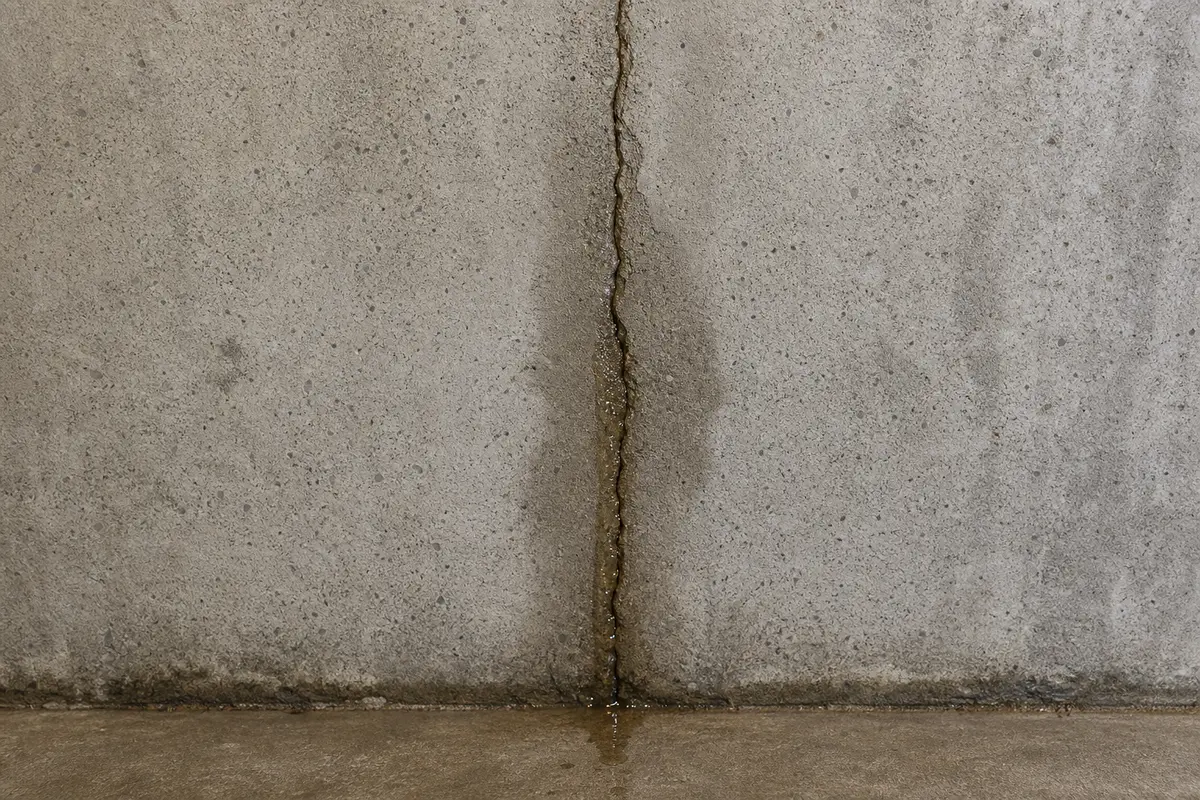
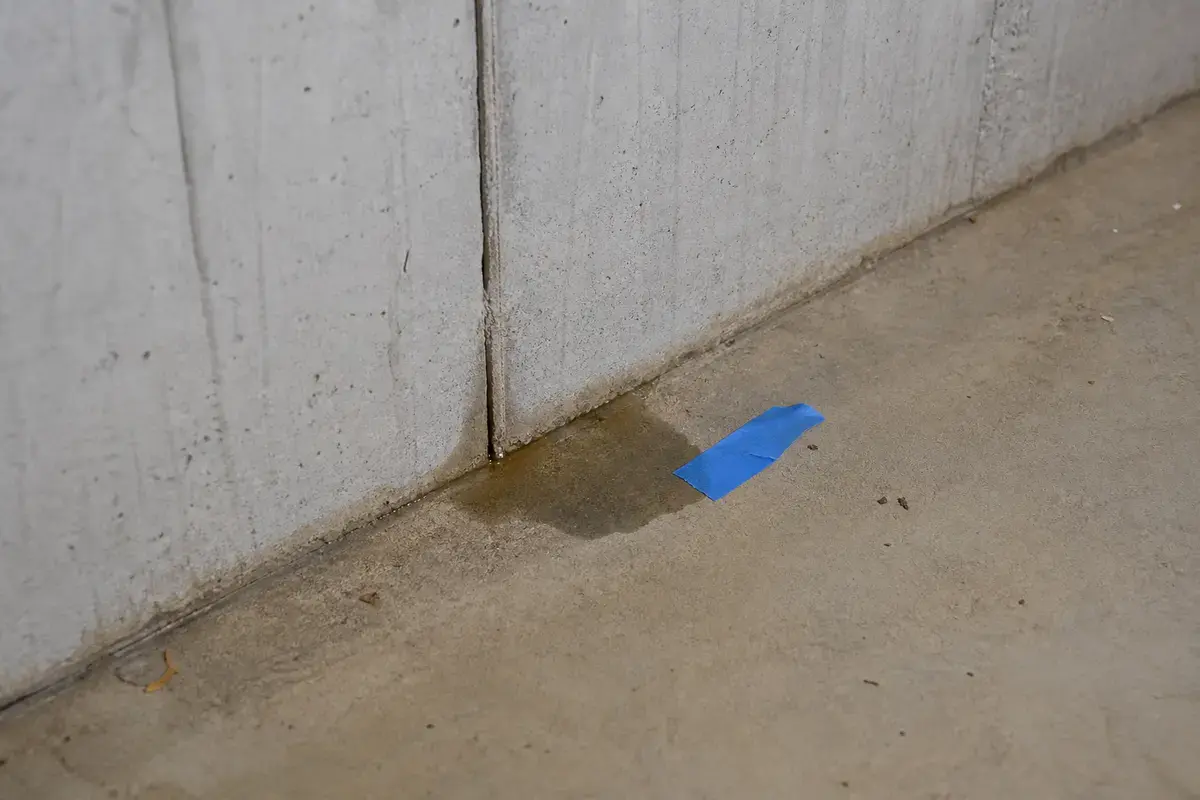
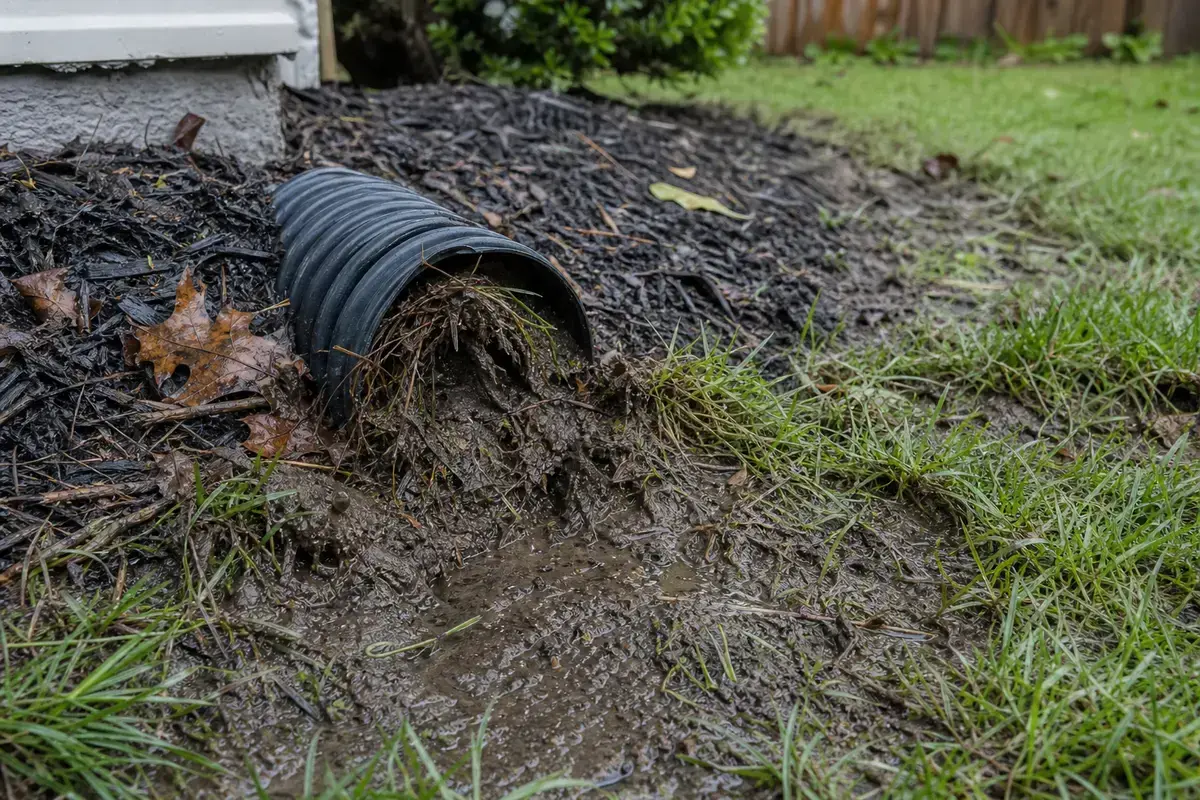
Match the exact diagnosis before shopping: crack path, wall stability, water timing, cove-joint lookalikes, and outside drainage. The wrong filler can hide the clue and fail later.
The highest wet point usually matters more than the puddle below.
Do not hide the crack path before movement and outside pressure are checked.
A moving crack is not a simple seal job.
Even a good inside seal can fail if pressure stays high.
Repair only the path you proved.
Use these only after the crack path is proven, the wall is stable, and outside water pressure is addressed.
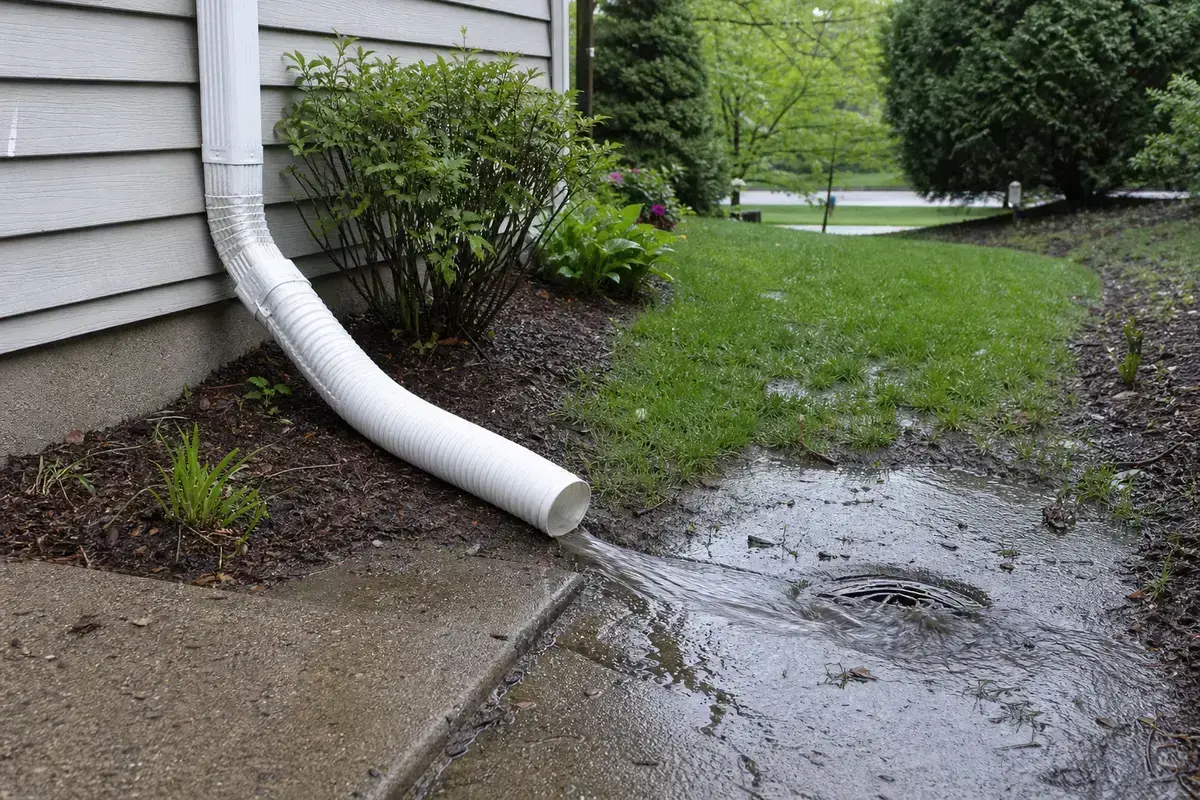
Helps when: Use a downspout extension when roof runoff lands beside the wall section with the leaking crack.
Skip it when: Skip interior crack repair first if exterior water is still loading that wall.
Compare downspout extensions on Amazon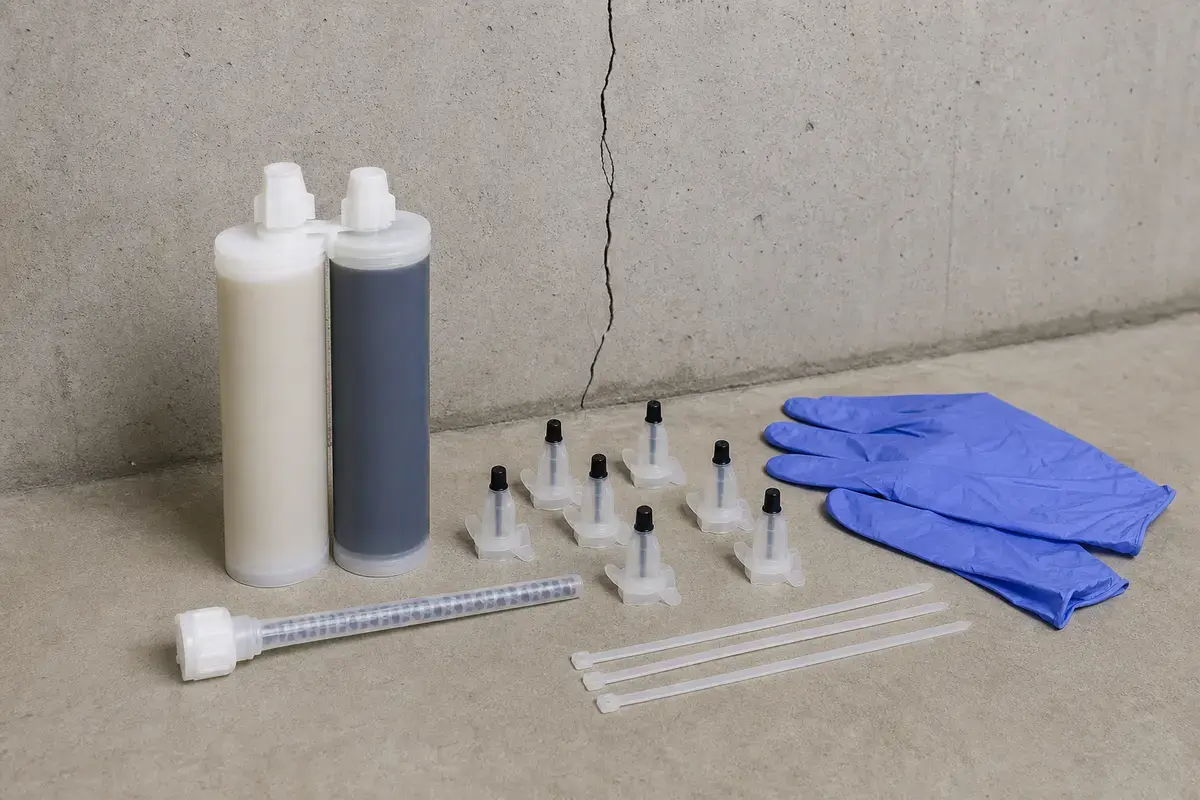
Helps when: Use a foundation crack injection kit only for a stable, suitable poured-concrete crack with a confirmed water path.
Skip it when: Skip injection for moving cracks, block walls, wide displacement, or active pressure that needs drainage correction.
Compare foundation crack injection kits on AmazonAs an Amazon Associate I earn from qualifying purchases. Repair Riot may earn a commission at no extra cost to you.
Use these tools to prove the crack path, document movement, and clean up small safe water.
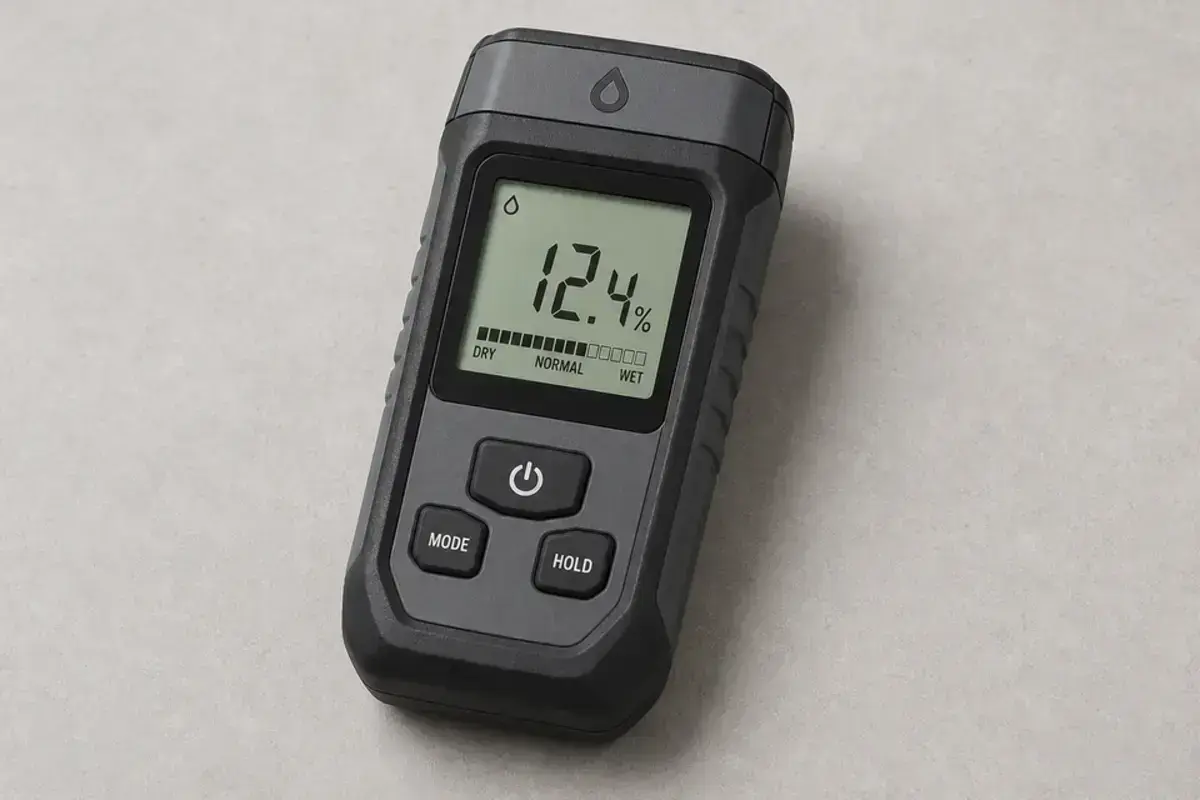
Helps when: Use a pinless moisture meter to compare dampness on the crack, nearby wall, cove joint, and dry control spots.
Skip it when: Skip one reading because crack leaks can spread sideways before they drip.
Compare pinless moisture meters on Amazon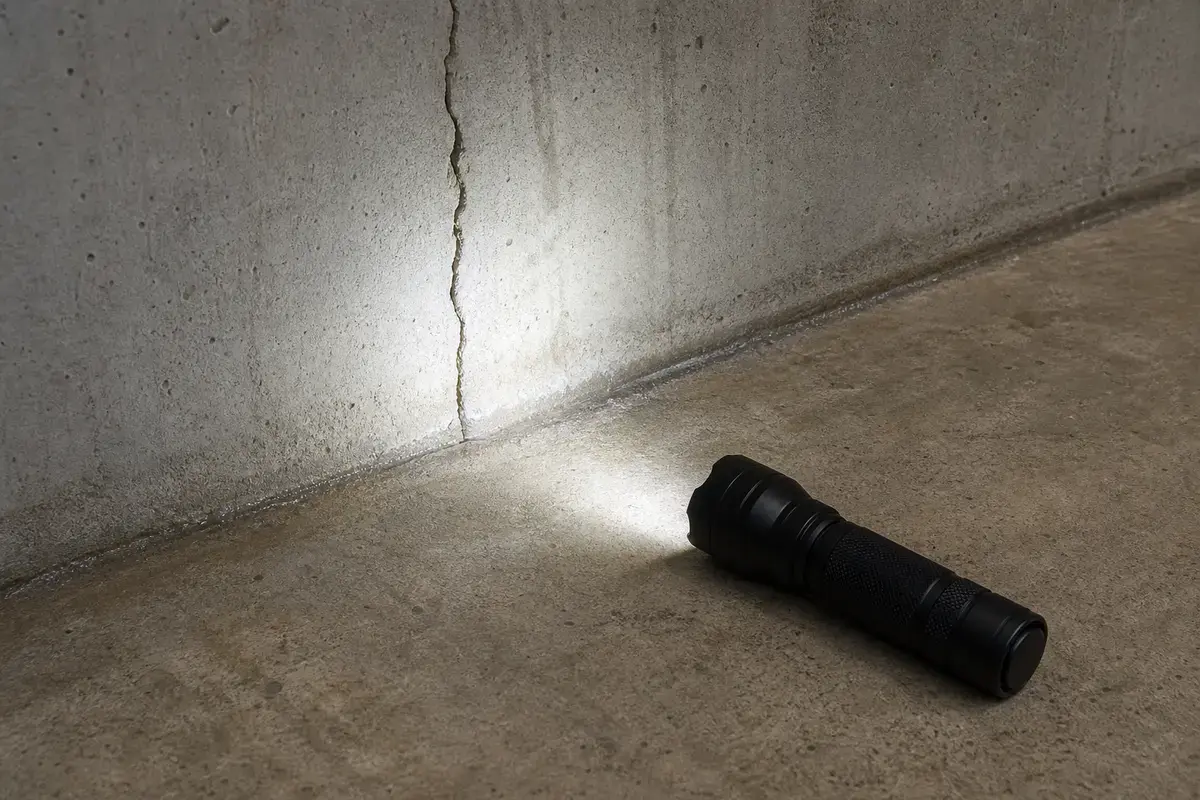
Helps when: Use an inspection flashlight to trace the highest wet point and see crack edges clearly.
Skip it when: Skip close inspection if standing water or electrical hazards make the area unsafe.
Compare inspection flashlights on Amazon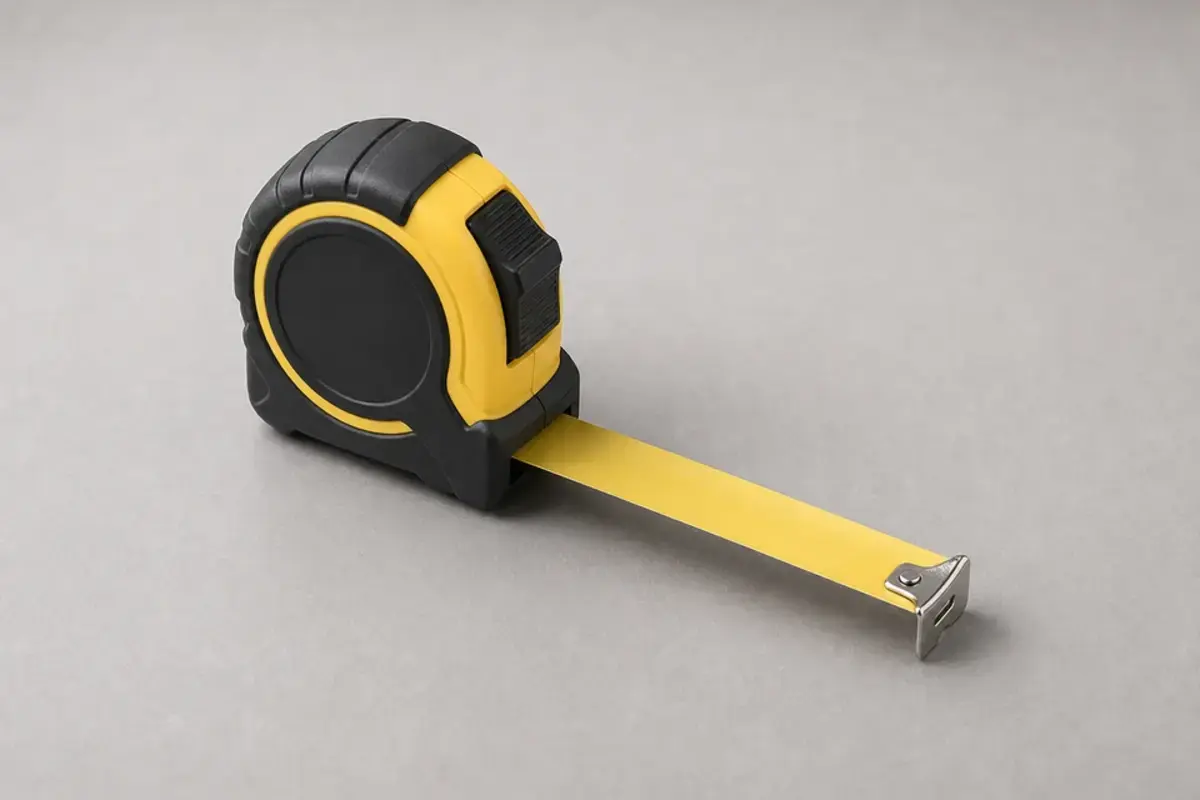
Helps when: Use measuring tape to record crack length, width points, and distance from corners or windows.
Skip it when: Skip freehand notes because leak repairs need repeatable measurements.
Compare measuring tapes on Amazon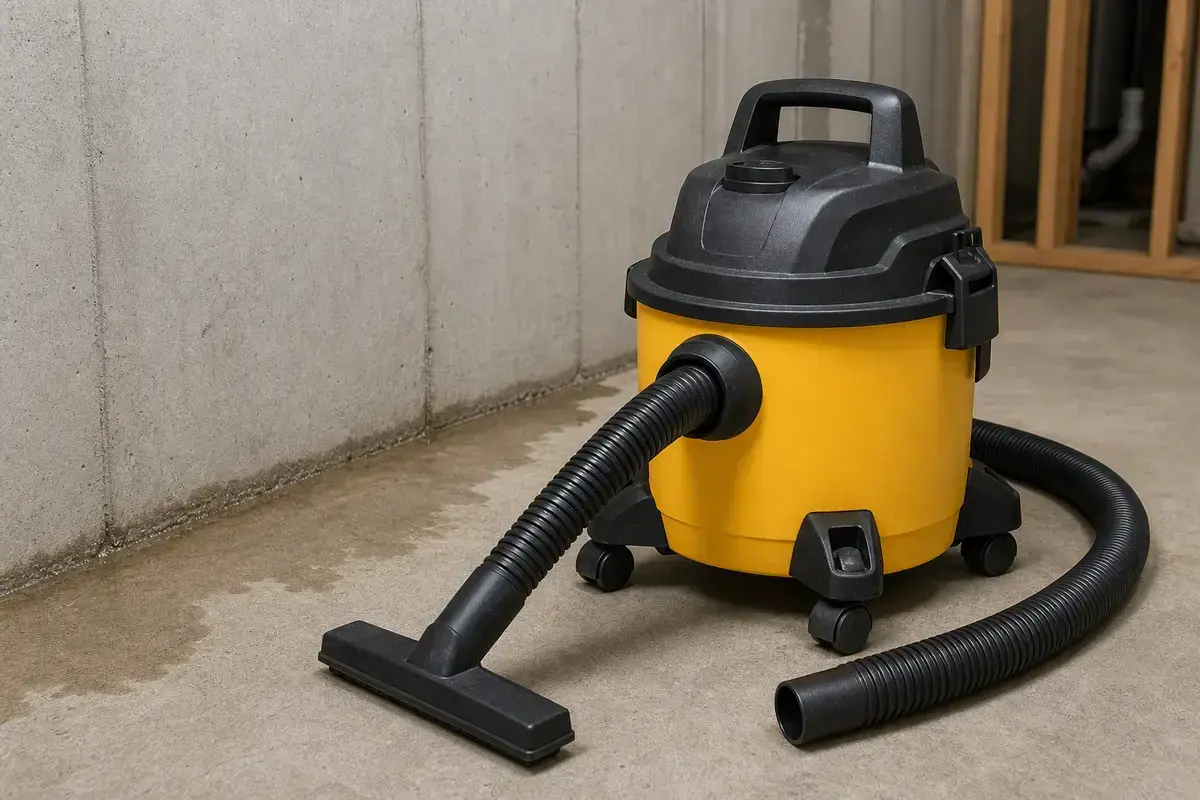
Helps when: Use a wet/dry vacuum for small clean-water pickup after the crack leak slows or is contained.
Skip it when: Skip vacuuming sewage, fuel, electrical hazards, or unknown contamination.
Compare wet/dry vacuums on Amazon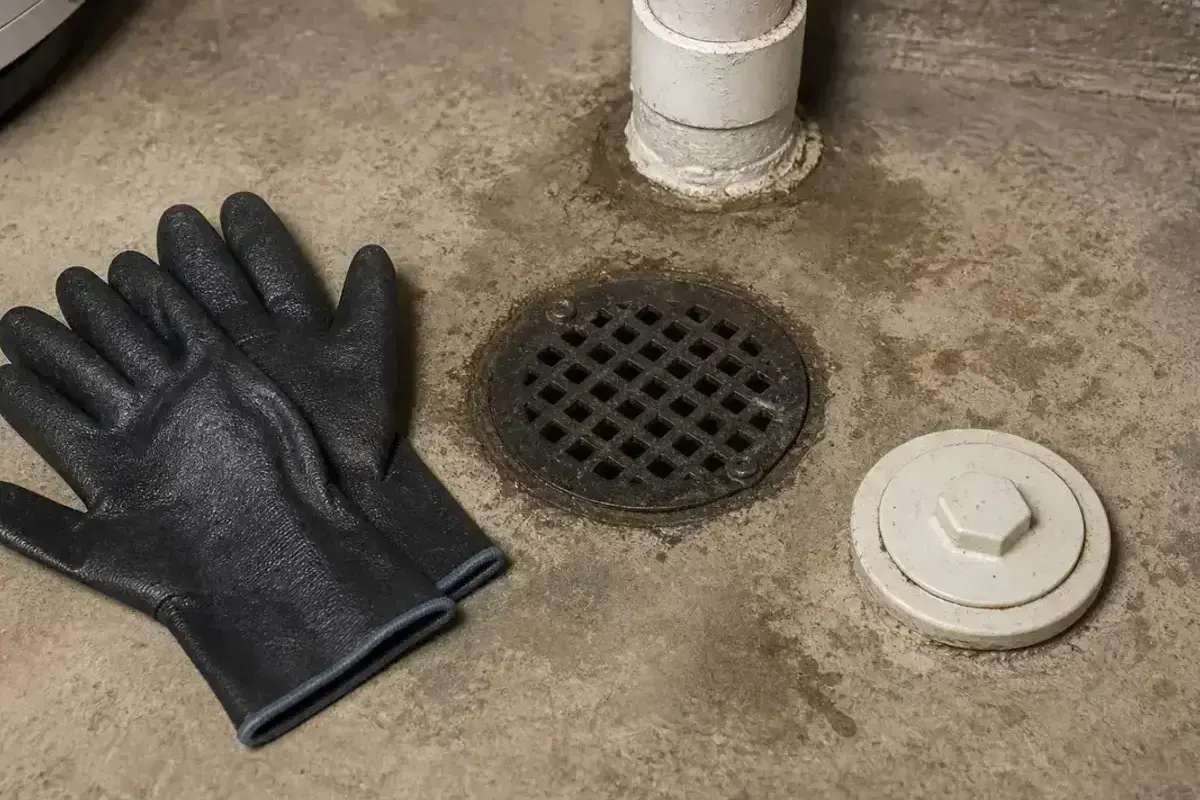
Helps when: Use waterproof work gloves when handling damp towels, storage, or cleanup debris near the crack.
Skip it when: Skip bare-handed cleanup around standing water, sharp debris, or suspect contamination.
Compare waterproof work gloves on AmazonAs an Amazon Associate I earn from qualifying purchases. Repair Riot may earn a commission at no extra cost to you.
Good clue: the highest wet point follows the crack, not the wall-floor joint or a broad condensation film.
Only on a small stable poured-concrete crack after movement and outside water load are handled.
Block-wall cracks need more caution because water can move through cores and mortar joints.
No. Paint hides the path and does not reduce outside pressure.
Look for roof runoff, short downspouts, low grade, patios, walks, and saturated soil at the matching wall.
Yes. Condensation usually forms beads or film across a cold area instead of starting at one crack.
Call for wall movement, offset, bowing, fast inflow, repeated leaks, or cracks that widen after storms.
Watch the same crack through the same rain or thaw trigger and confirm the marked wet path stays dry.
Repair Riot built this page around wall-crack leak clues: highest wet point, crack path, cove-joint lookalikes, movement signs, drainage pressure, and safe cleanup limits.