Slot has daylight gaps?
The ridge may be open; check soffit intake and house-air leaks next.
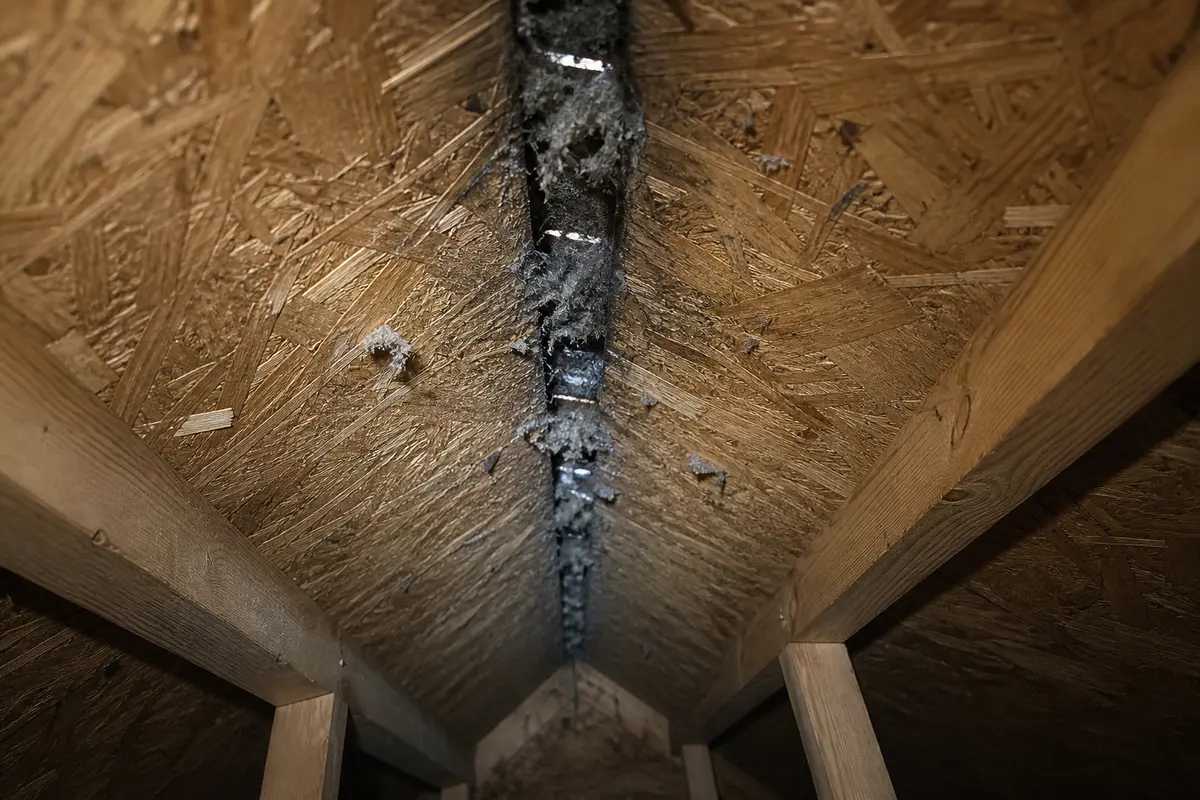
A blocked attic ridge vent is usually debris at the slot, crushed vent material, a bad cutout, or weak soffit intake. Start inside: look for daylight along the ridge slot, then check eave airflow before buying roof parts.
Common clue: the ridge looks open outside but the attic still has blocked eaves, dust-packed slots, or moisture near the peak.
The ridge is only the exhaust side; blocked intake can make a good ridge vent act blocked.
Don’t start with: Do not add a powered fan or seal the ridge from inside. Prove low intake and ridge-slot clearance first.
The ridge may be open; check soffit intake and house-air leaks next.
Document the blocked area and clear only safe, reachable loose debris.
Treat it as roof-side service before buying attic supplies.
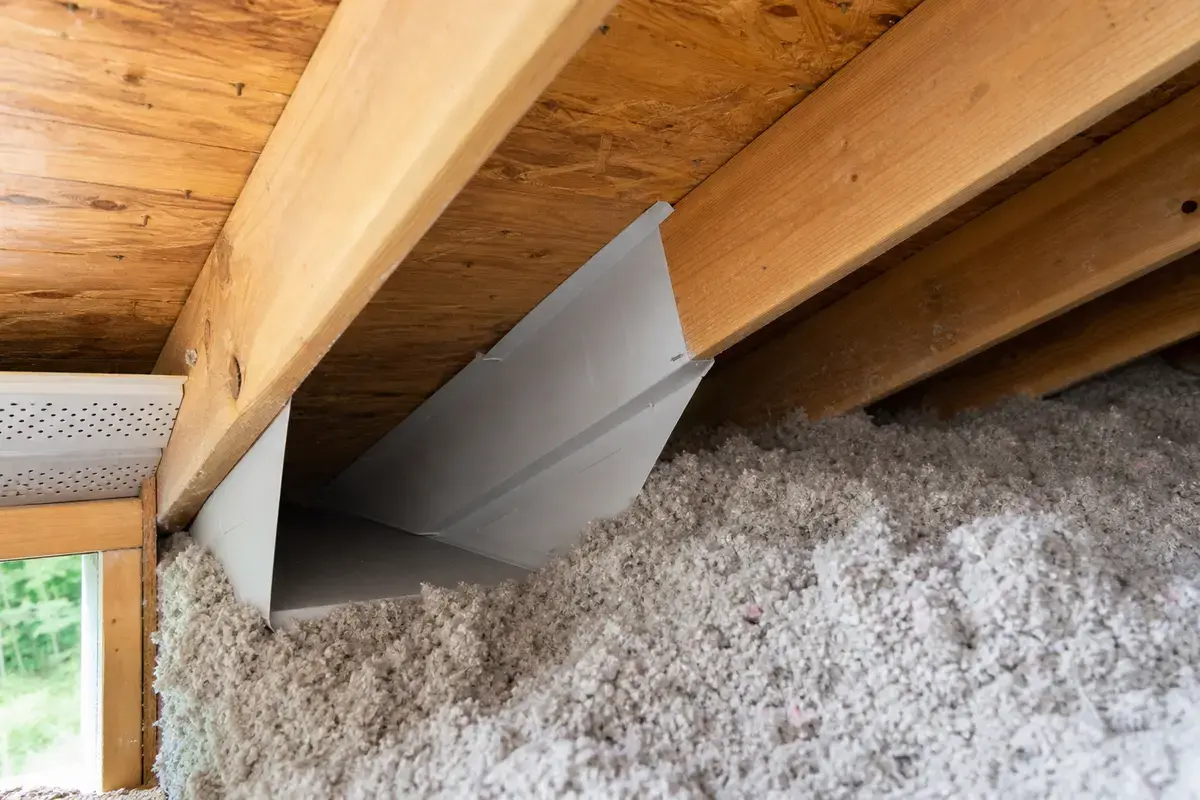
Use baffles where a real soffit intake exists.
Check both airflow and warm indoor air leakage before cleanup.
Look inside for blocked ridge-slot areas, then confirm the attic can draw air from below.
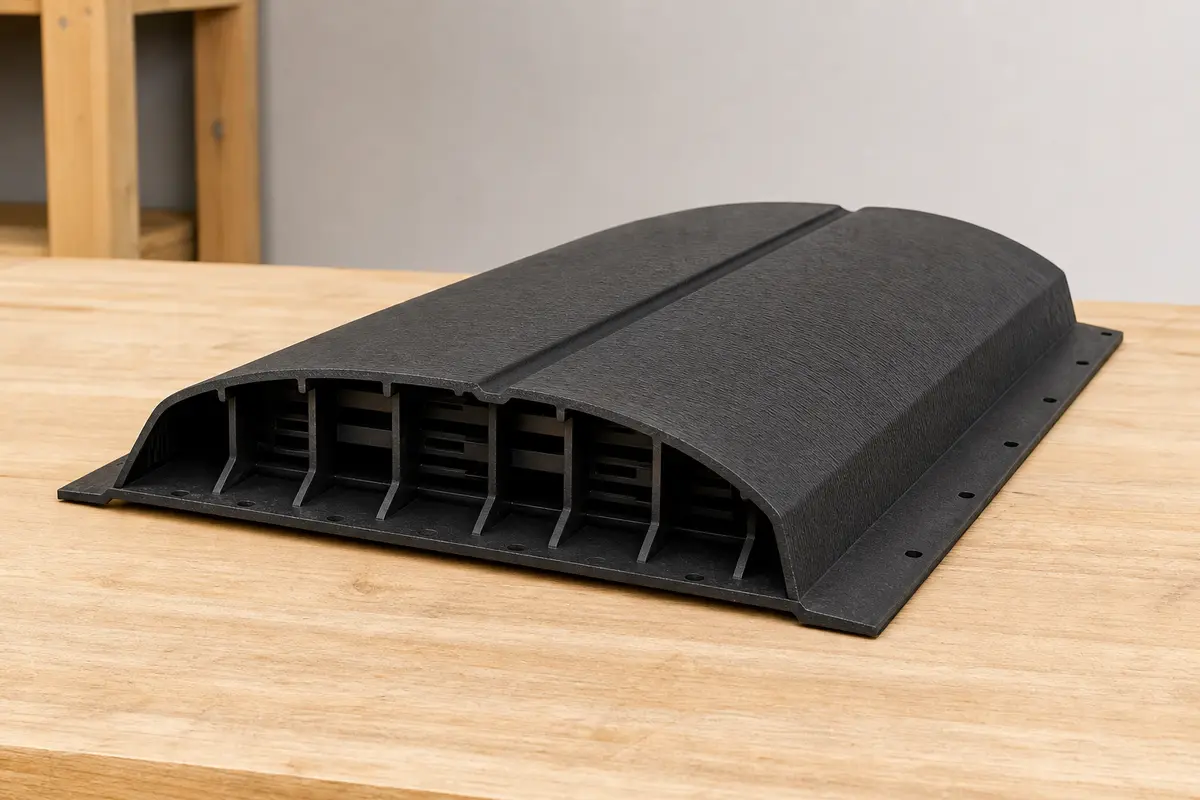
Match the exact diagnosis, roof style, ridge slot width, vent profile, and cap-shingle setup before buying anything. A blocked soffit path needs baffles, a crushed ridge product needs roof service, and a damp attic floor leak needs air sealing.
From the attic walkway, look for daylight at several ridge-slot sections, dust clumps, or crushed vent material before buying roof parts.
The wrong first move can reduce ventilation or miss the real intake problem.
Use inside and outside clues before choosing attic work or roof service.
| What you see | Likely meaning | Next move |
|---|---|---|
| No daylight along long ridge areas | Blocked slot or poor cutout | Document from inside and get roof-side evaluation. |
| Daylight present but attic stays damp | Intake or air leakage problem | Check soffits, hatch, top plates, and bath ducts. |
| Flattened exterior ridge cap | Damaged vent product | Use ground photos and call roofing service. |
| Insulation packed into eaves | Low intake blocked | Use baffles where the soffit path exists. |
| Moisture strongest at peak | Warm air rising and poor exhaust | Correct leaks and airflow before cleanup. |
Most ridge diagnosis starts from the attic floor and the ground, not the roof.
Use these only when the ridge or intake clue names the part.
Helps when: Use only when a roofer confirms the ridge vent is crushed, clogged inside the product, missing baffles, or sized wrong.
Skip it when: Skip when the real restriction is blocked soffit intake, a missing ridge slot, or any roof work you cannot access safely.
Compare ridge vents on AmazonHelps when: Use when weak ridge airflow is really caused by insulation blocking low soffit intake below the roof deck.
Skip it when: Skip if the soffit channels are open or the ridge slot itself is missing, crushed, or blocked by roof materials.
Compare attic ventilation baffles on Amazon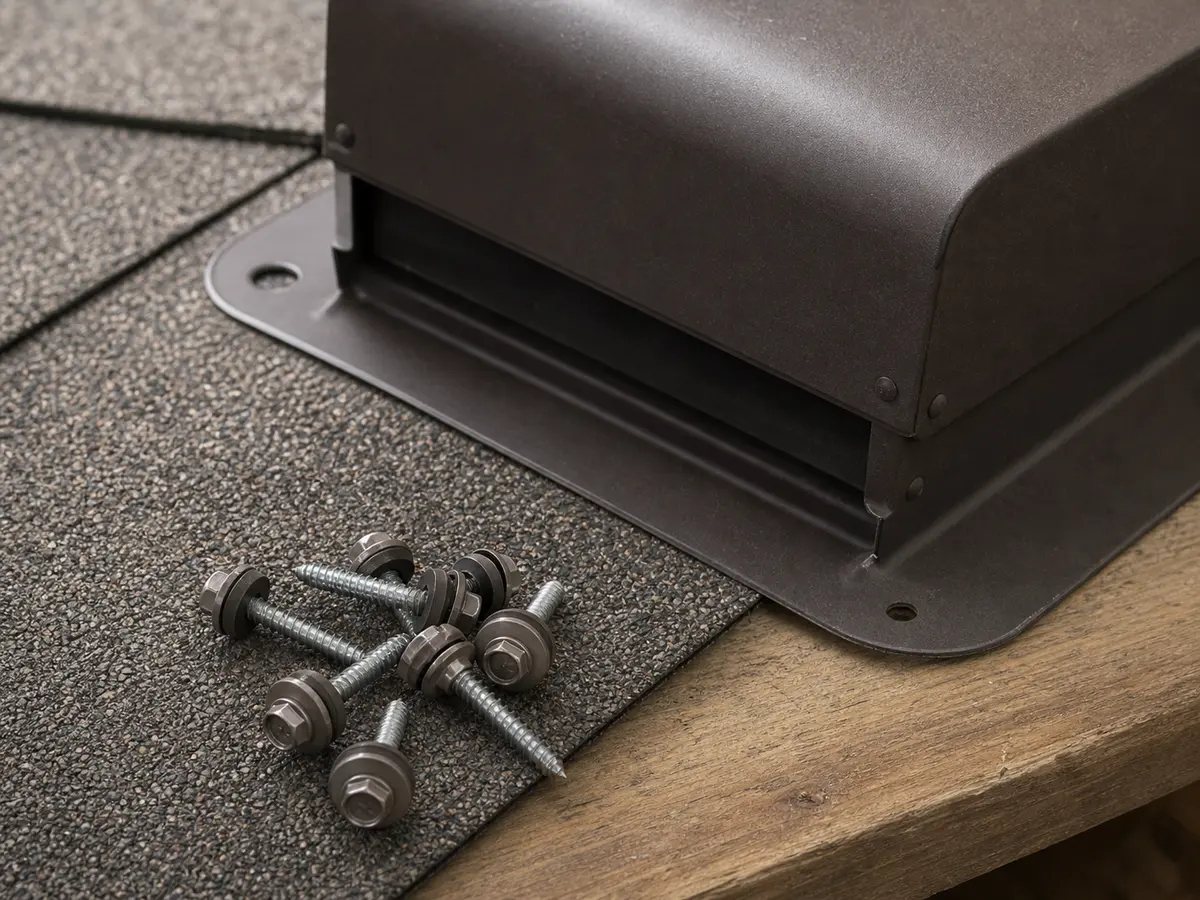
Helps when: Use only for matching exterior vent or cap fasteners during a confirmed roof-side repair.
Skip it when: Skip for interior diagnosis, unsafe roof access, wrong metal compatibility, or any repair that should be handled by a roofer.
Compare roofing screws on AmazonAs an Amazon Associate I earn from qualifying purchases. Repair Riot may earn a commission at no extra cost to you.
These support safe inspection from the ground or attic side.
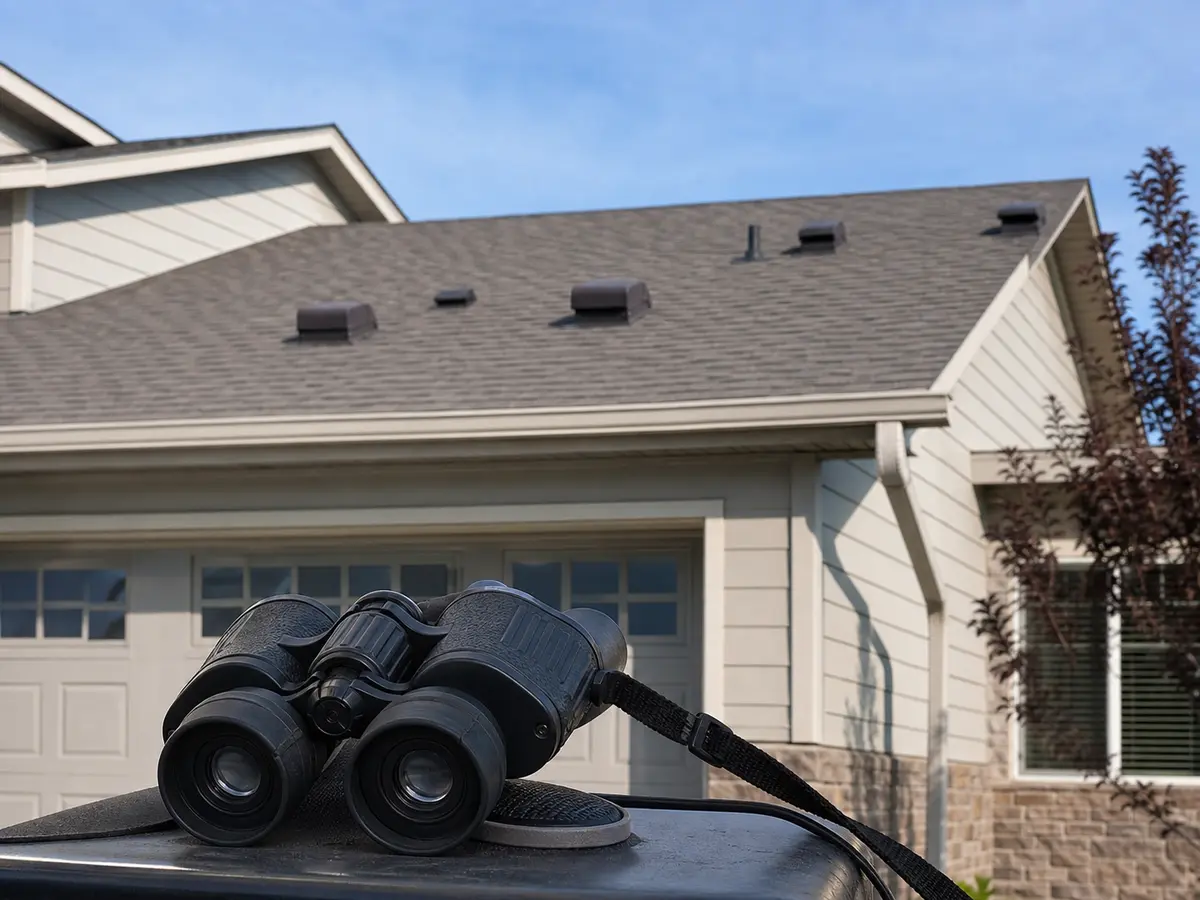
Helps when: Use from the ground to look for flattened ridge vent sections, missing cap shingles, or debris.
Skip it when: Skip if the ridge cannot be seen clearly; do not climb a roof for this diagnosis.
Compare inspection binoculars on Amazon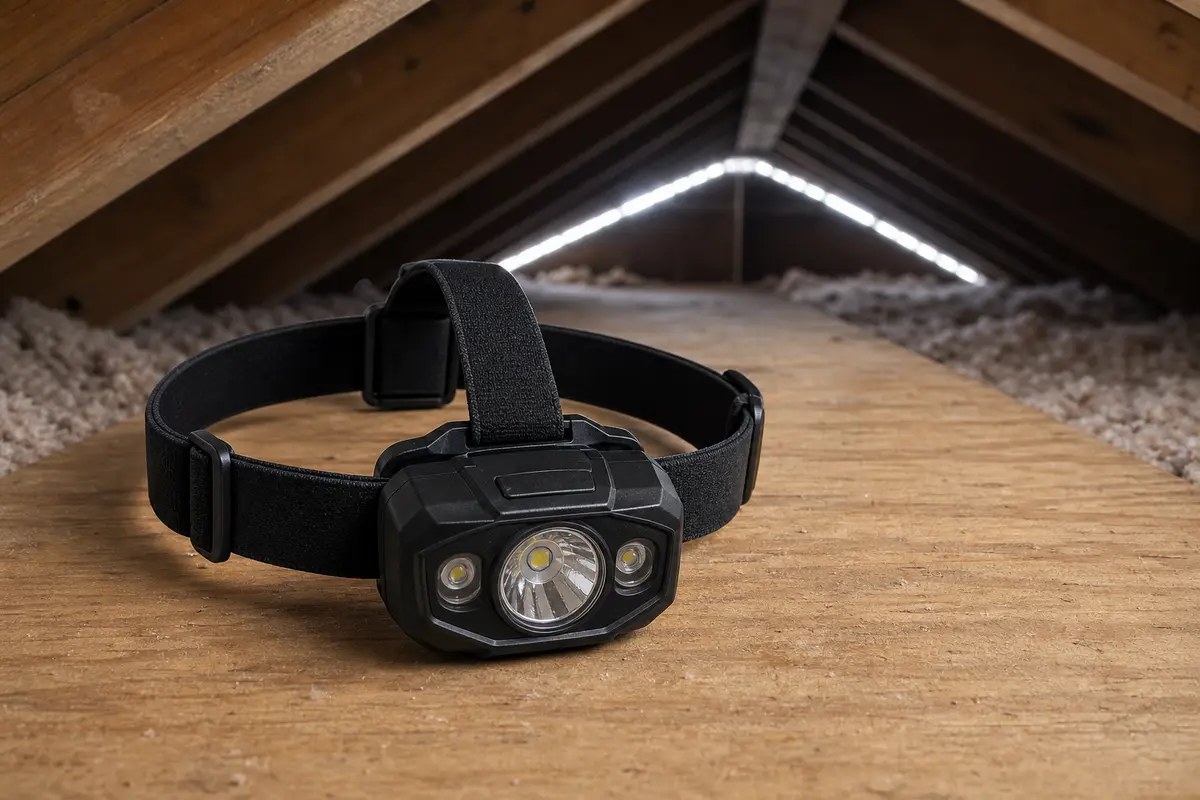
Helps when: Use inside the attic to look for daylight gaps, blocked ridge slot areas, and dust staining near the peak.
Skip it when: Skip attic entry if access, wiring, insulation contamination, or heat makes the inspection unsafe.
Compare headlamps on Amazon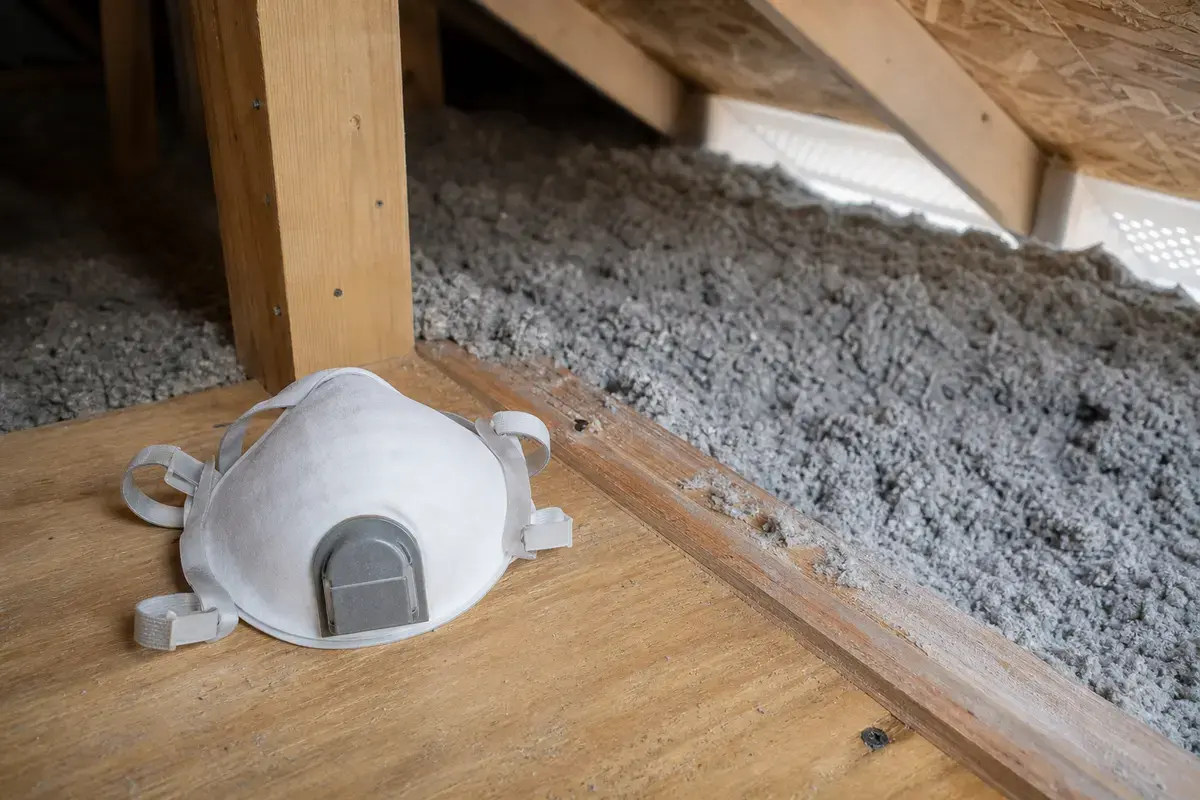
Helps when: Use when checking dusty insulation and ridge debris from a safe attic walkway.
Skip it when: Call a pro for heavy mold, animal contamination, wet insulation, wiring concerns, or unsafe attic access.
Compare dust masks on AmazonAs an Amazon Associate I earn from qualifying purchases. Repair Riot may earn a commission at no extra cost to you.
Look from inside for missing daylight, debris, or a poorly cut slot. Then check eave intake, because blocked soffits can mimic a blocked ridge.
Only loose, safe, reachable debris. Do not cut, pry, or scrape roofing materials from inside the attic.
No. The ridge vent is meant to exhaust attic moisture year-round.
Yes. A ridge vent needs low intake air. Buried soffits can make the ridge look ineffective.
Not first. A fan can make pressure problems worse if intake is blocked or the ceiling plane leaks.
Replacement is a roof-side decision when the vent product is crushed, clogged internally, missing, or installed over a bad slot.
It can contribute, but warm house-air leaks and blocked intake often matter too.
Call for roof access, damaged cap shingles, crushed vent material, soft sheathing, or an unclear ridge cutout.
Repair Riot built this page around visible ridge vent clues: inside daylight, debris, roof-side damage, eave intake, peak moisture, and stop points before roof work.