Eaves are buried?
Use baffles only where soffit air can enter.
Start at the eaves: confirm open soffit slots above insulation, intact baffles at several bays, and clear local vent screens. If those pass, dust lines around the hatch point to house-air leakage.
Common clue: the eaves are packed or baffles are crushed even though upper vents look open.
Ventilation is a path, not one part. Low intake, high exhaust, and house-air separation all have to work together.
Don’t start with: Skip roof cuts, powered fans, and parts orders until the blocked intake, damaged cover, or leaking hatch is visible.
Use baffles only where soffit air can enter.
Replace the failed channel before judging upper vents.
Repair the local cover or screen instead of changing the whole attic.
Seal and fit the access before adding insulation.
Check air leaks and exhaust ducts before cleanup.
Start at the attic side and prove whether air can enter low, leave high, and stay separated from the house below.
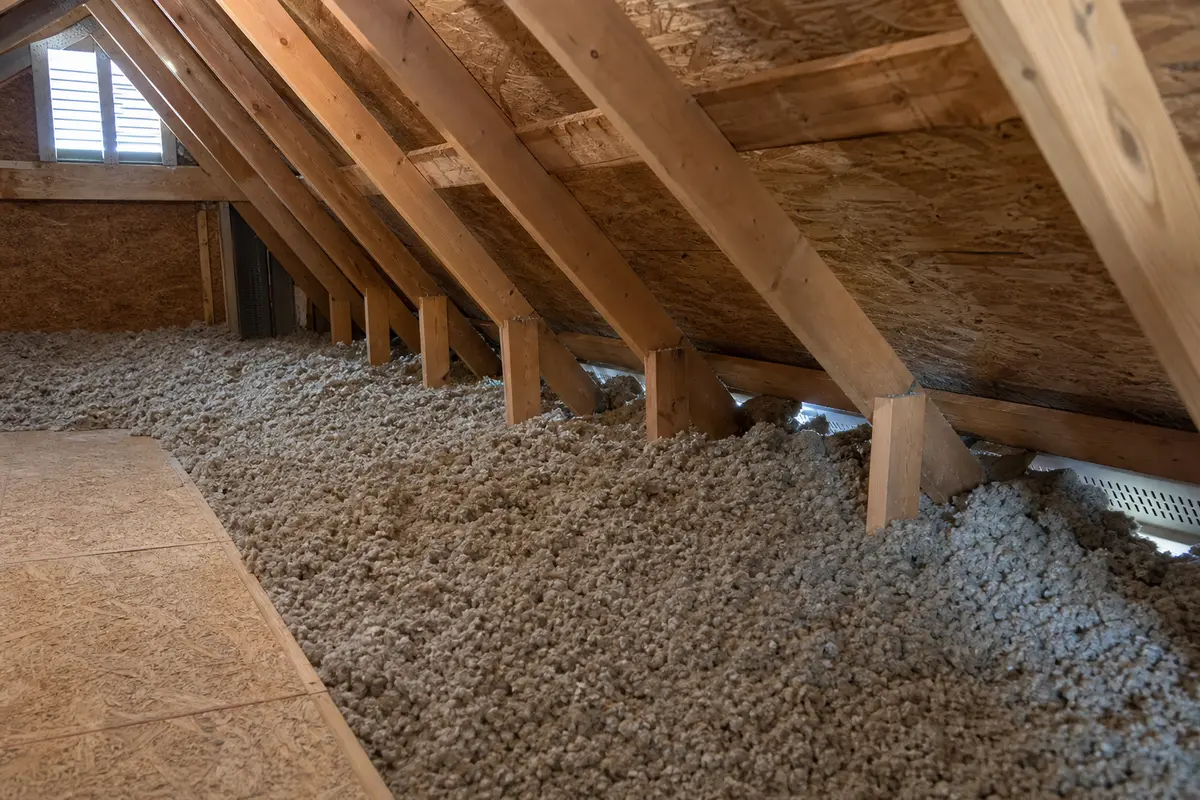
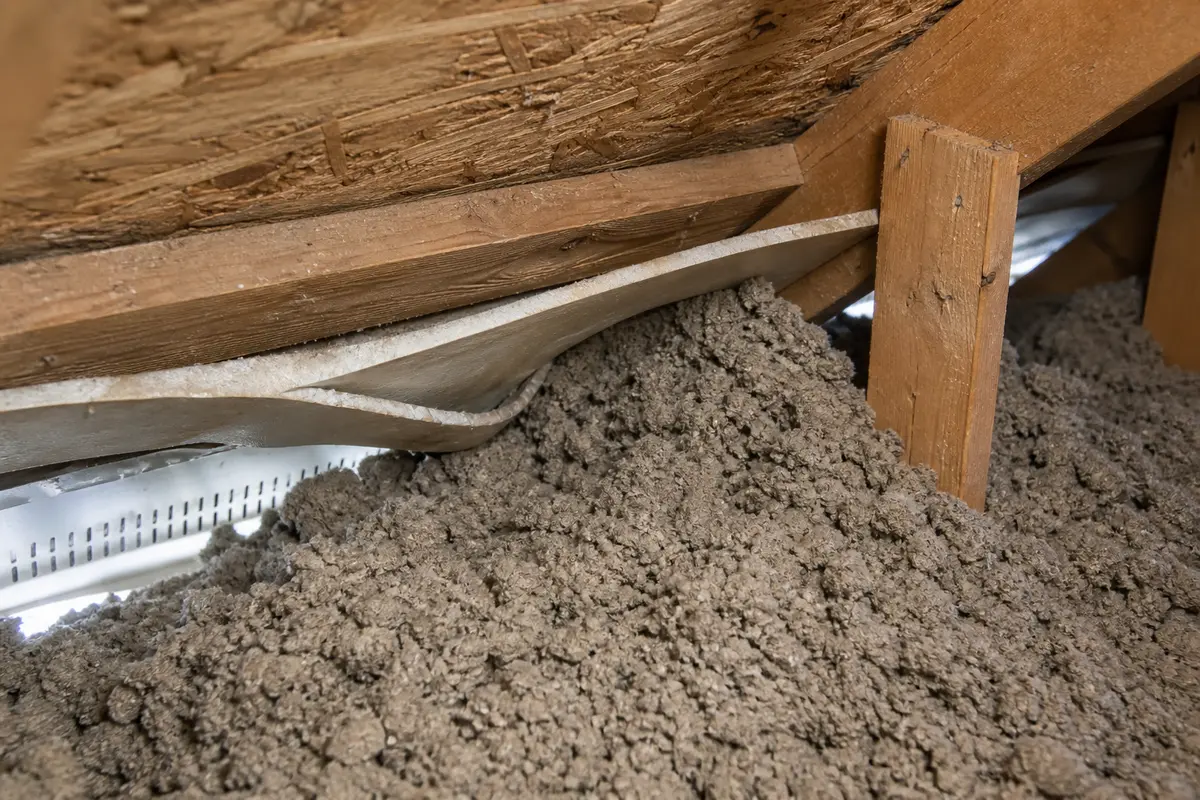
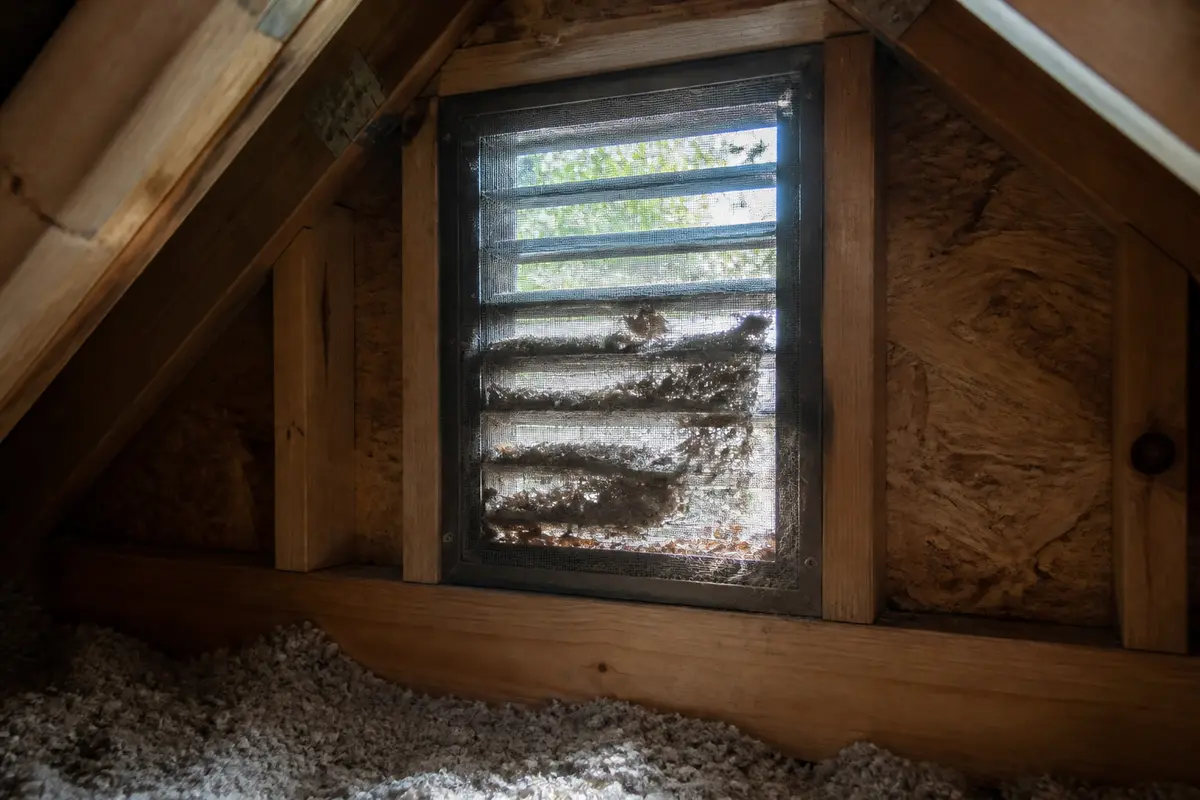
Match the exact diagnosis before shopping. Check soffit layout, rafter spacing, vent cover style, and hatch size. Baffles, covers, and hatch seals solve different visible failures.
Match the symptom to the path: low intake, high exhaust, local cover, or hatch leakage.
Adding parts before the failed path is known can make pressure and moisture problems worse.
Use this map before choosing baffles, covers, hatch seals, or roof service.
| What you see | Likely meaning | Next move |
|---|---|---|
| Insulation tight to roof deck | Low intake blocked | Open channel and add baffles where soffit intake exists. |
| Crushed or missing baffle | Air path collapsed | Replace the failed channel. |
| One vent clogged or broken | Local cover problem | Repair cover, screen, or frame. |
| Dust and drafts at hatch | House-air leakage | Fit and weatherstrip hatch. |
| Ridge slot or roof vent damaged | Roof-side failure | Document and call roof service. |
Most ventilation diagnosis starts from stable attic framing and the ground.
Use these only when the visible clue names the part.
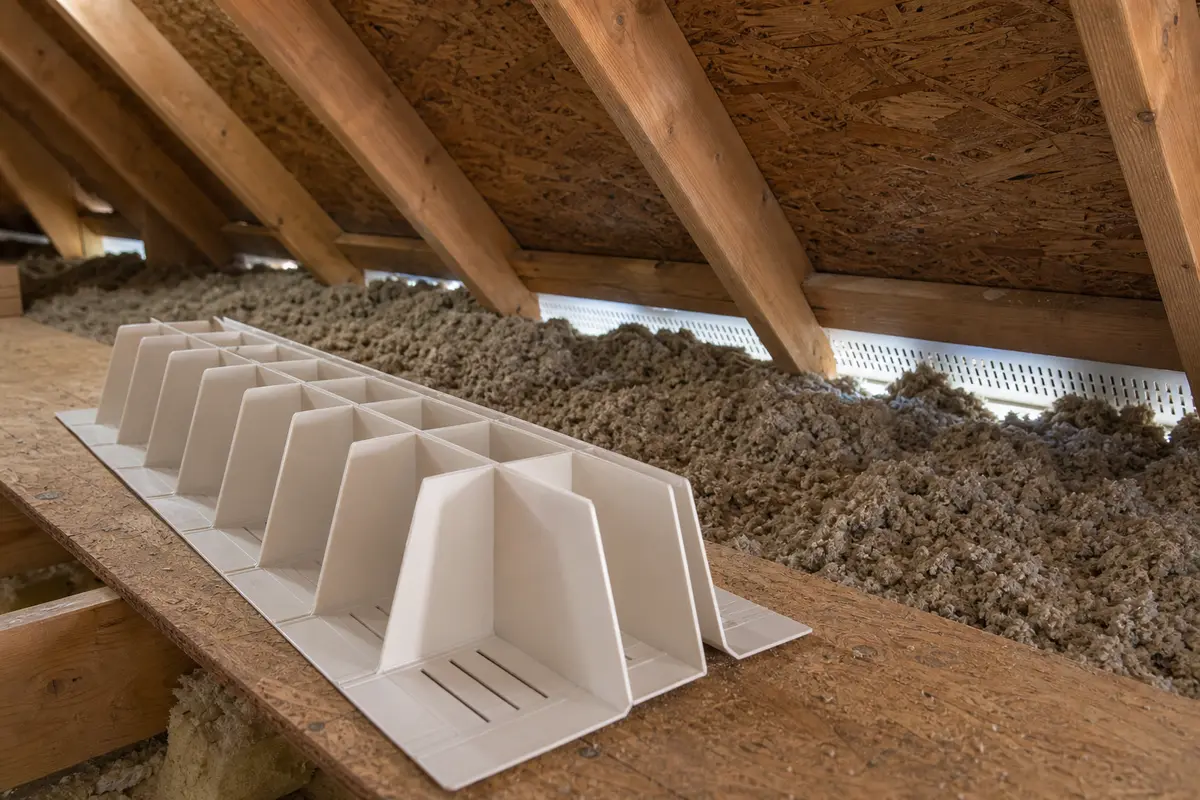
Helps when: Use when insulation blocks a real soffit intake channel below the problem roof or eave area.
Skip it when: Skip when the soffit path is already open, the problem is a damaged local vent, or roof-side work is needed.
Compare attic ventilation baffles on Amazon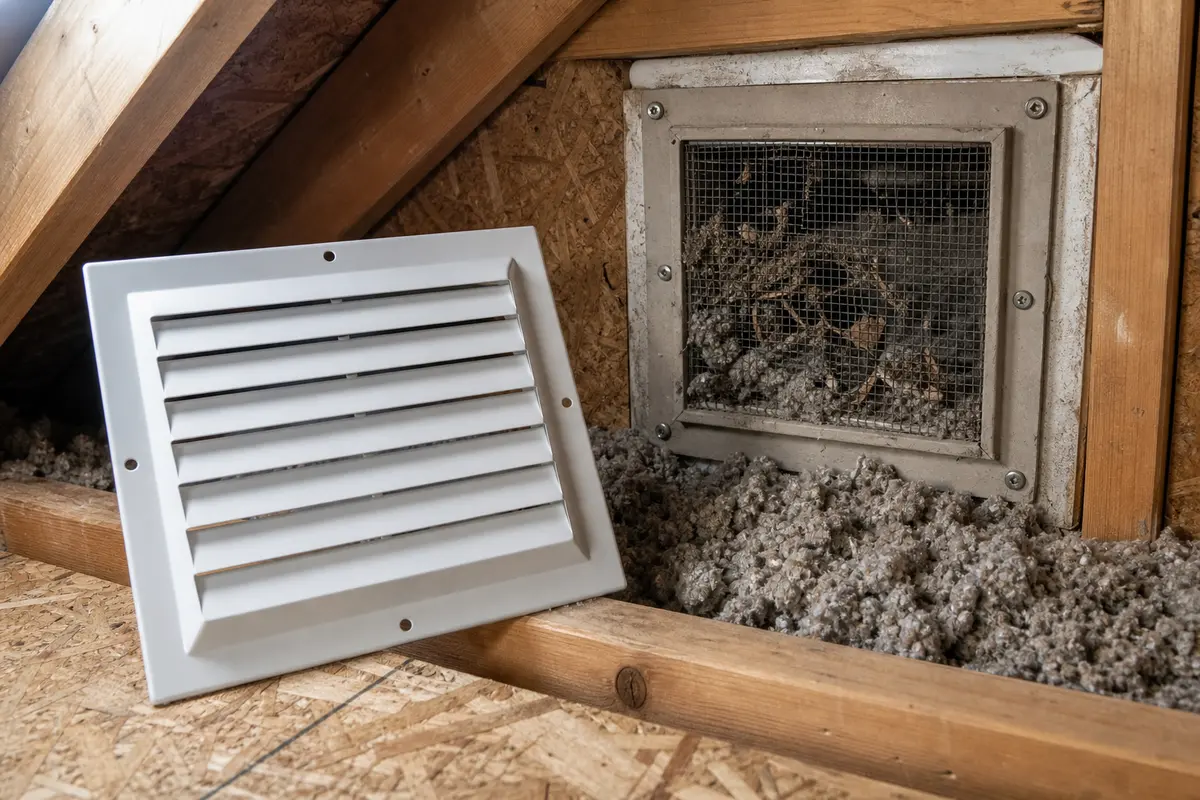
Helps when: Use when one local gable, roof, or wall vent cover is cracked, missing, clogged, or damaged.
Skip it when: Skip if the real issue is blocked soffit intake, missing baffles, or broad attic air leakage.
Compare attic vent covers on Amazon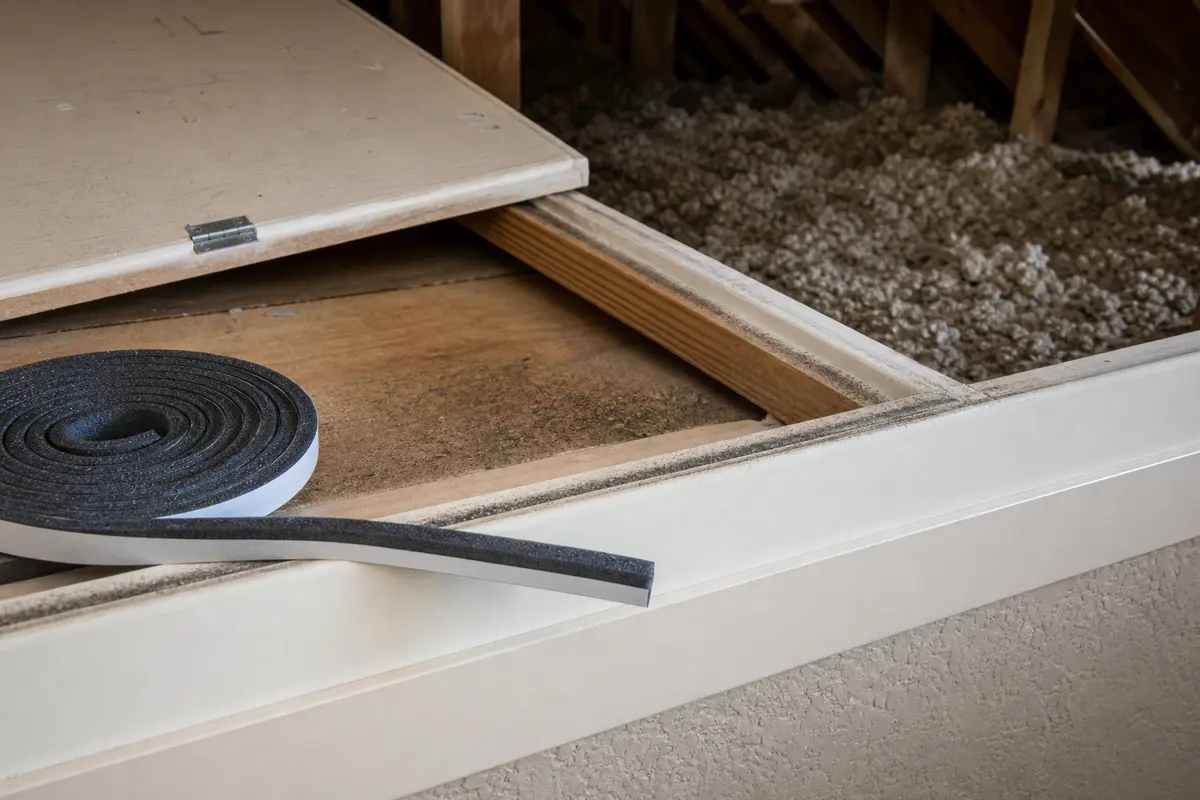
Helps when: Use when dust lines, drafts, heat loss, frost, or odor patterns show the hatch is leaking house air into the attic.
Skip it when: Skip when the hatch is warped, will not close flat, or the symptom traces to a local roof or vent opening.
Compare attic hatch weatherstripping on AmazonAs an Amazon Associate I earn from qualifying purchases. Repair Riot may earn a commission at no extra cost to you.
These support inspection and light documentation. They do not make unsafe attic access safe.
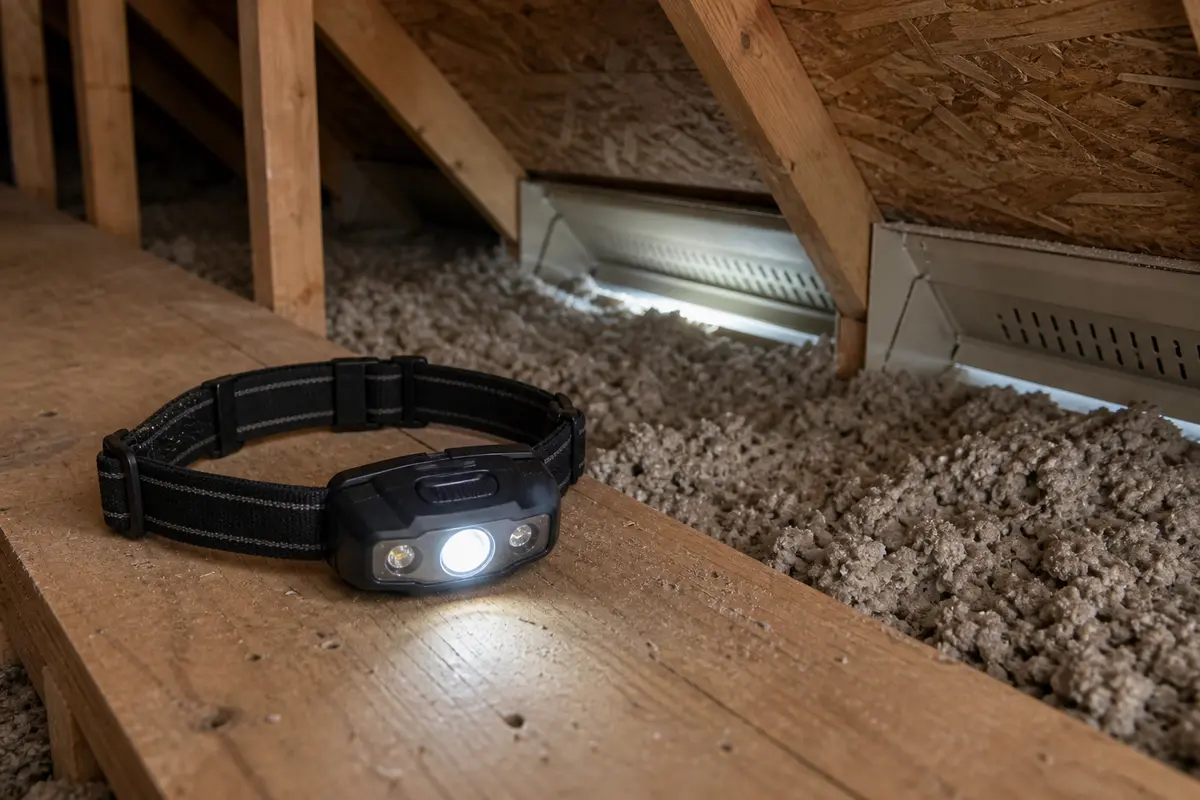
Helps when: Use inside the attic to see vent paths, eave bays, dust tracks, screen edges, and wet or snowy footprints while keeping hands free.
Skip it when: Skip attic entry if the walkway, wiring, contamination, heat, or access conditions are unsafe.
Compare headlamps on Amazon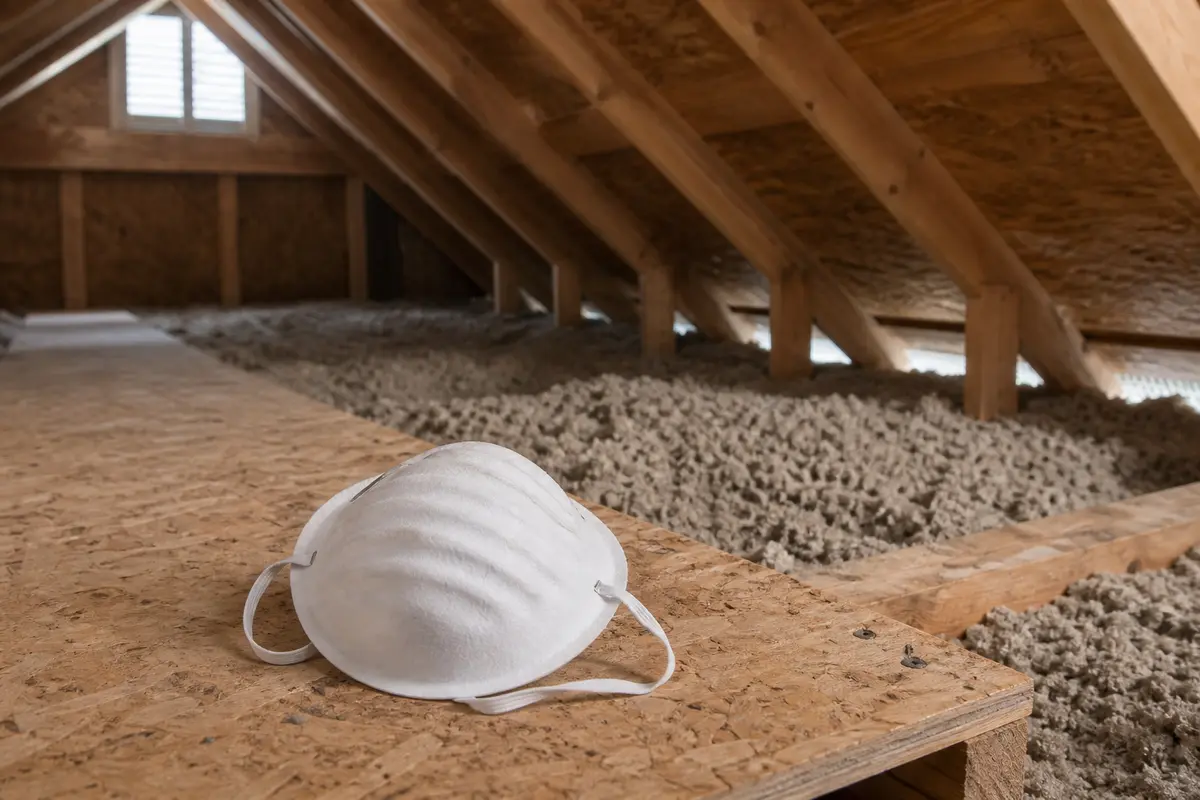
Helps when: Use for a short dusty attic inspection from stable framing or a walkway.
Skip it when: Call a pro for heavy mold, animal contamination, soaked insulation, wet wiring, or unsafe attic access.
Compare dust masks on Amazon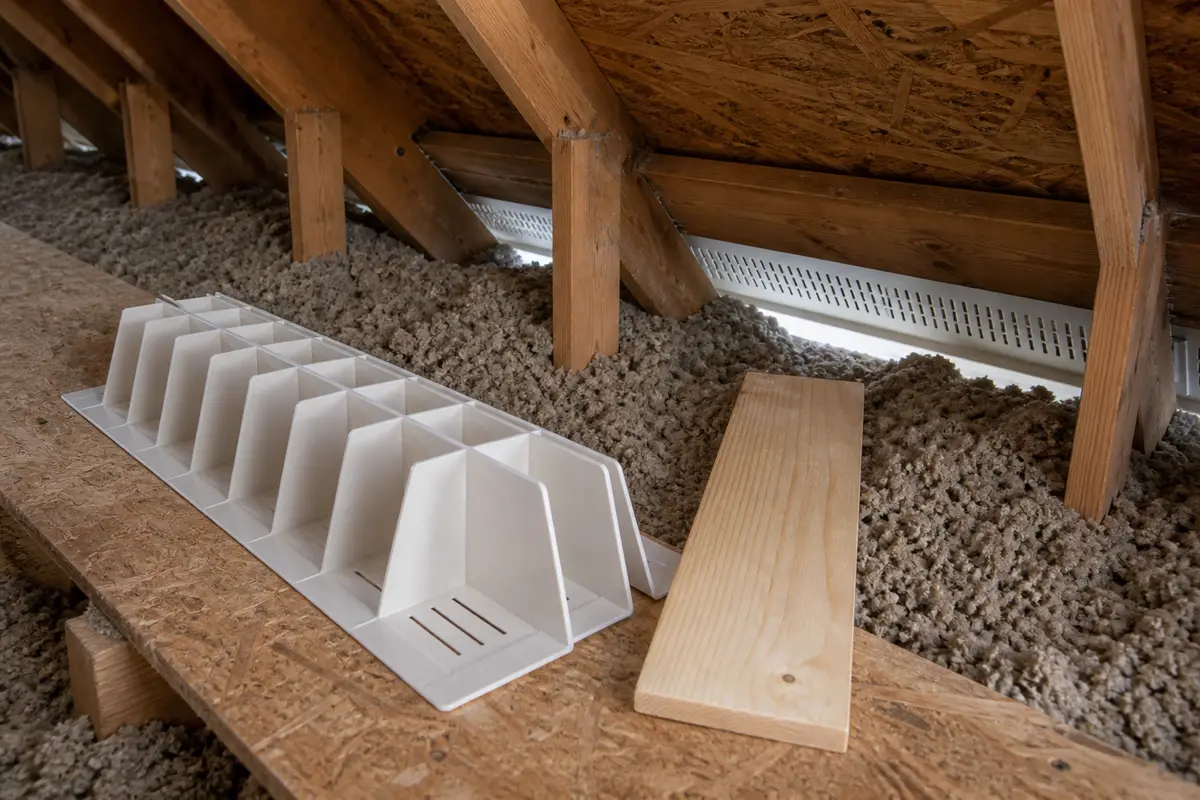
Helps when: Use when insulation blocks a real soffit intake channel below the problem roof or eave area.
Skip it when: Skip when the soffit path is already open, the problem is a damaged local vent, or roof-side work is needed.
Compare attic ventilation baffles on AmazonAs an Amazon Associate I earn from qualifying purchases. Repair Riot may earn a commission at no extra cost to you.
Look for symptoms tied to a failed path: packed eaves, crushed baffles, blocked covers, hatch drafts, frost, or one stagnant zone.
Not first. Extra vents do not fix buried soffit intake, crushed baffles, or hatch leaks.
Yes. Low intake is often the failure even when upper vents look open.
Yes. A leaky hatch can feed house air into the attic and change moisture and pressure.
When the local cover, screen, or frame is cracked, clogged, missing, or no longer secured.
No. Closing attic vents can trap moisture and make frost worse.
Call for roof access, damaged ridge or roof vents, wet wiring, heavy mold, animal contamination, or unsafe footing.
The corrected path stays open, moisture or heat patterns improve, and no new dead airflow zone appears.
Repair Riot built this page around visible attic ventilation clues: eave intake, baffle condition, local vent covers, hatch leakage, moisture patterns, and roof-side stop points.