Moisture appears after rain?
Check roof boot, flashing, and sheathing track before air-sealing work.
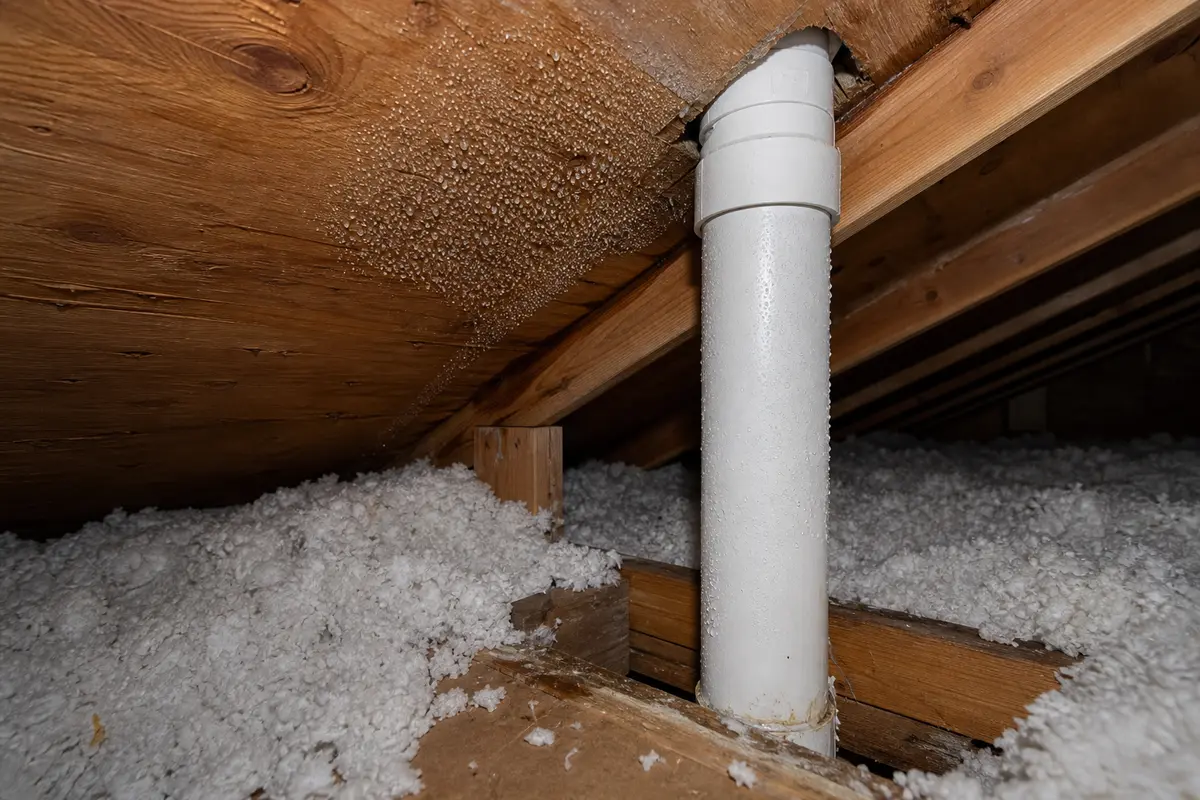
Moisture near a plumbing stack is often warm indoor air condensing on a cold pipe or nearby sheathing. First separate rain-leak timing from winter condensation, then check the attic-floor gap around the stack, soffit airflow, attic hatch leakage, and bath fan moisture.
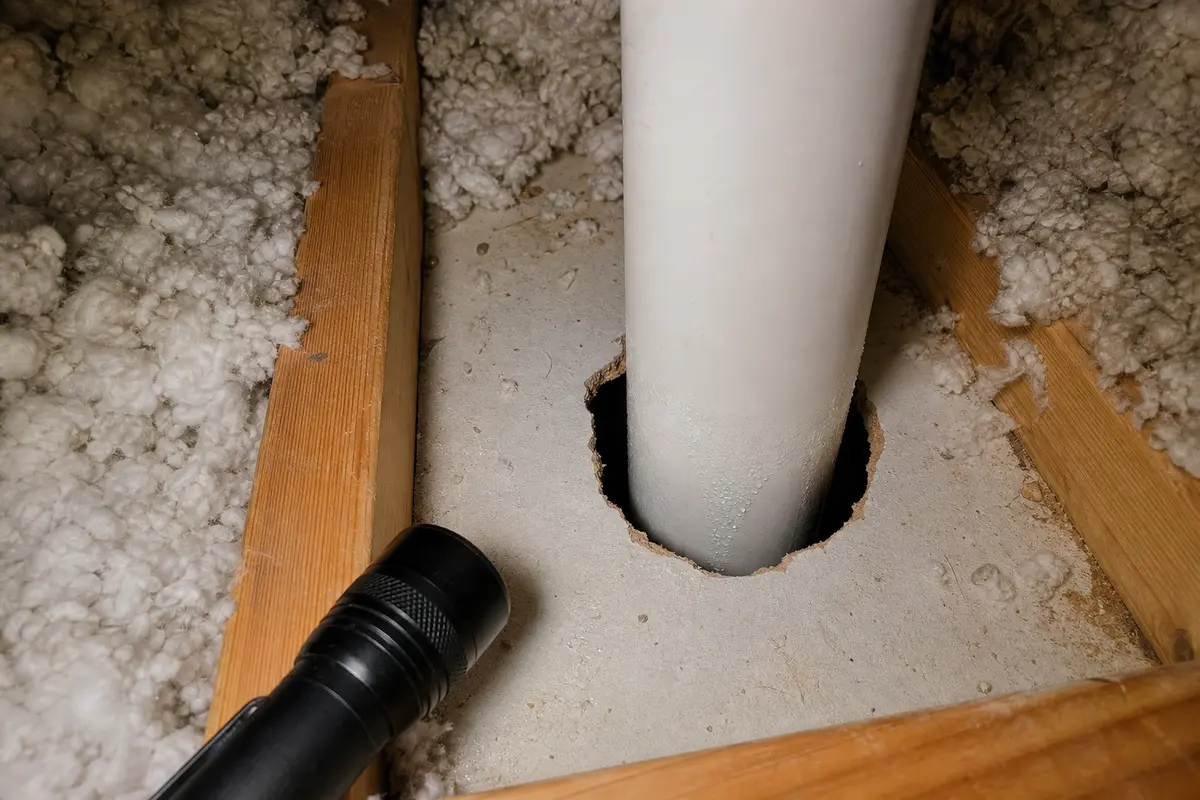
The common clue is an unsealed gap where the stack passes through the ceiling plane, letting warm humid house air rise into the attic and condense on cold surfaces.
The stack is often where moisture shows up, not where the moisture started.
Don’t start with: Do not start with roof cement, pipe wrap, or random insulation. If the source is indoor air leakage, top-side patching does not fix it.
Check roof boot, flashing, and sheathing track before air-sealing work.
Check indoor humidity and attic air leakage around the stack.
Seal the correct ceiling-plane gap with an appropriate material.
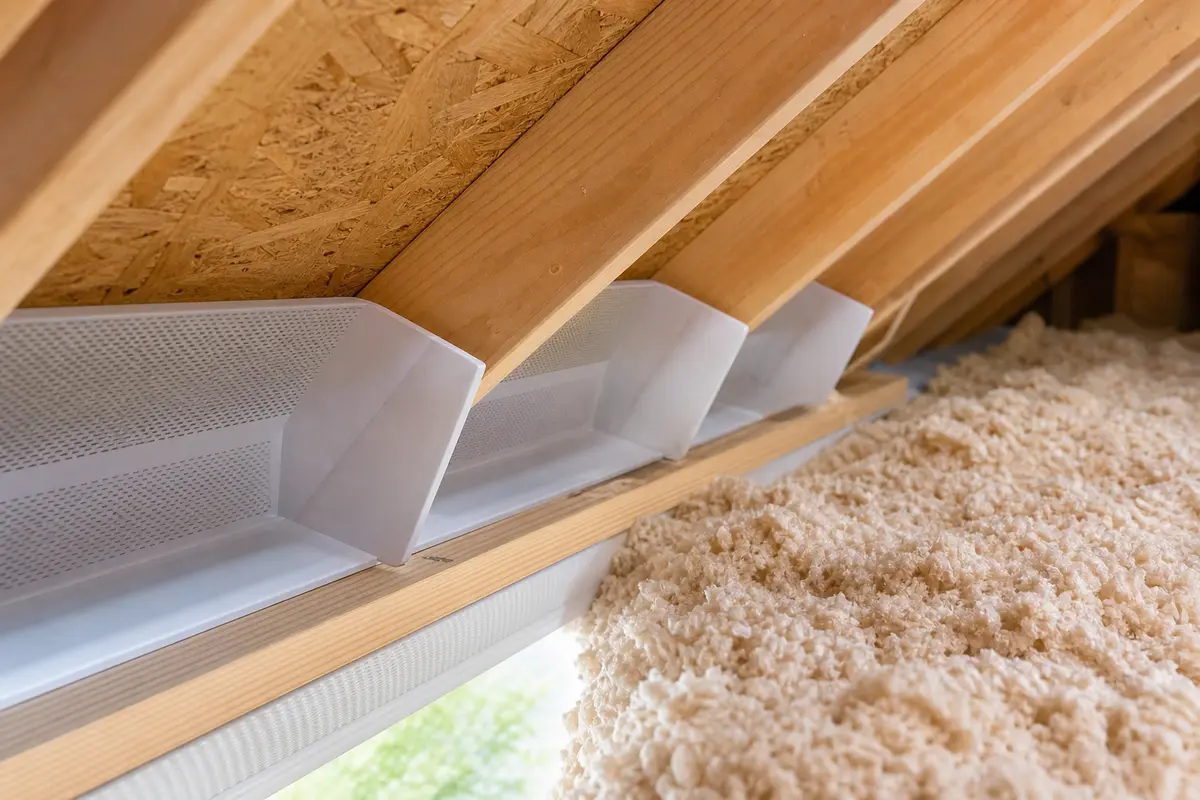
Restore intake airflow with baffles before adding more insulation.
Call service for ventilation, air sealing, and moisture-source diagnosis.
Look for timing, an attic-floor air gap, and blocked airflow before using roof cement or wrapping the pipe.
Buy only after the moisture pattern names the fix. Match sealant to the gap, pipe material, fireblocking need, and local code; match baffles to rafter spacing and soffit layout; match hatch weatherstripping to the actual hatch gap. Confirm exact model, size, rating, and assembly details before ordering. Use roof products only when rain timing points to a roof boot or flashing leak.
A plumbing stack in the attic can be a cold surface where moisture collects. It does not automatically mean the drain or vent pipe is leaking.
Do not patch the visible wet spot until the timing and source match.
Use the pattern to decide whether the next move is roof, air sealing, airflow, or service.
| What you see | Likely meaning | Next move |
|---|---|---|
| Moisture after rain | Roof boot or flashing leak possible | Trace water from above and call roof help if needed. |
| Frost or beads on cold mornings | Condensation | Check air leaks, humidity, and attic airflow. |
| Open gap around stack at attic floor | Warm air leak | Seal the ceiling-plane gap with an appropriate material. |
| Insulation blocks soffit bay | Poor intake airflow | Install or restore baffles before adding insulation. |
| Moisture near bath fan duct too | Bathroom exhaust source | Fix fan exhaust path before treating the stack area. |
Air sealing works only when the leak is the ceiling-plane gap around a non-hot plumbing stack.
The right supply depends on the visible clue: gap, blocked intake, or hatch leakage. Skip products that do not match the diagnosis.
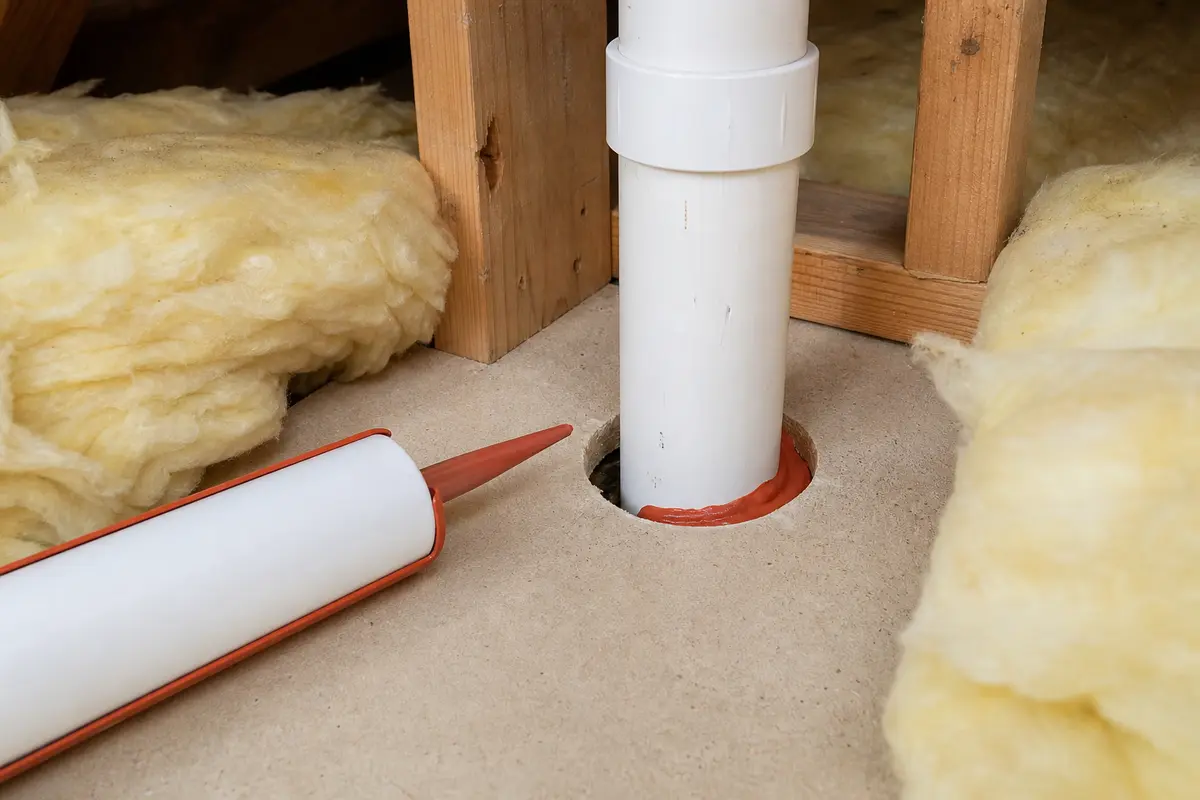
Helps when: Use when a small, dry ceiling-plane gap around a non-hot plumbing stack is leaking warm house air into the attic.
Skip it when: Skip for chimneys, flues, active roof leaks, large open chases, wet materials, or any code detail you cannot confirm.
Compare fireblock sealants on AmazonHelps when: Use when insulation is blocking the soffit intake path near the damp plumbing-stack area.
Skip it when: Skip when the eave channel is already open, the wetting follows rain, or roof flashing is the next repair.
Compare attic ventilation baffles on Amazon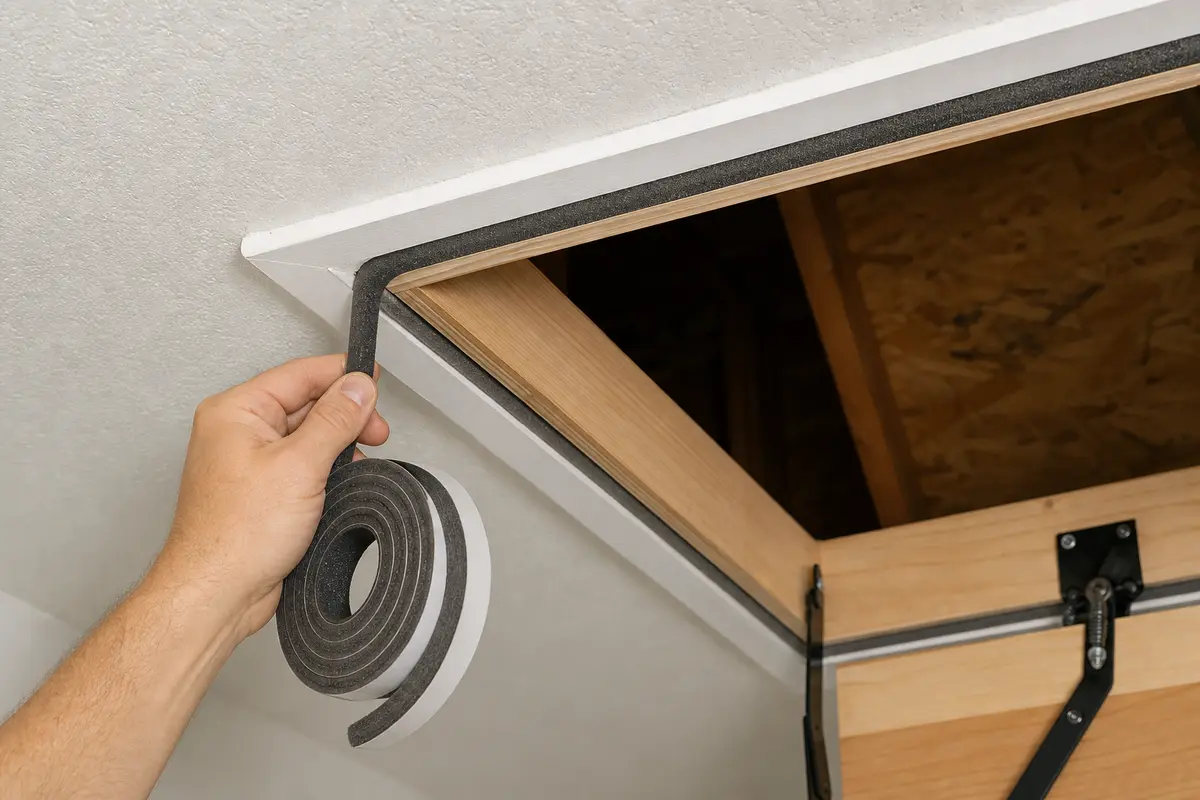
Helps when: Use when hatch leakage is feeding the broader attic condensation pattern near the stack.
Skip it when: Skip if moisture is isolated to a roof boot leak or the hatch already closes tightly.
Compare attic hatch weatherstripping on AmazonAs an Amazon Associate I earn from qualifying purchases. Repair Riot may earn a commission at no extra cost to you.
These help you inspect and document the moisture pattern without guessing.
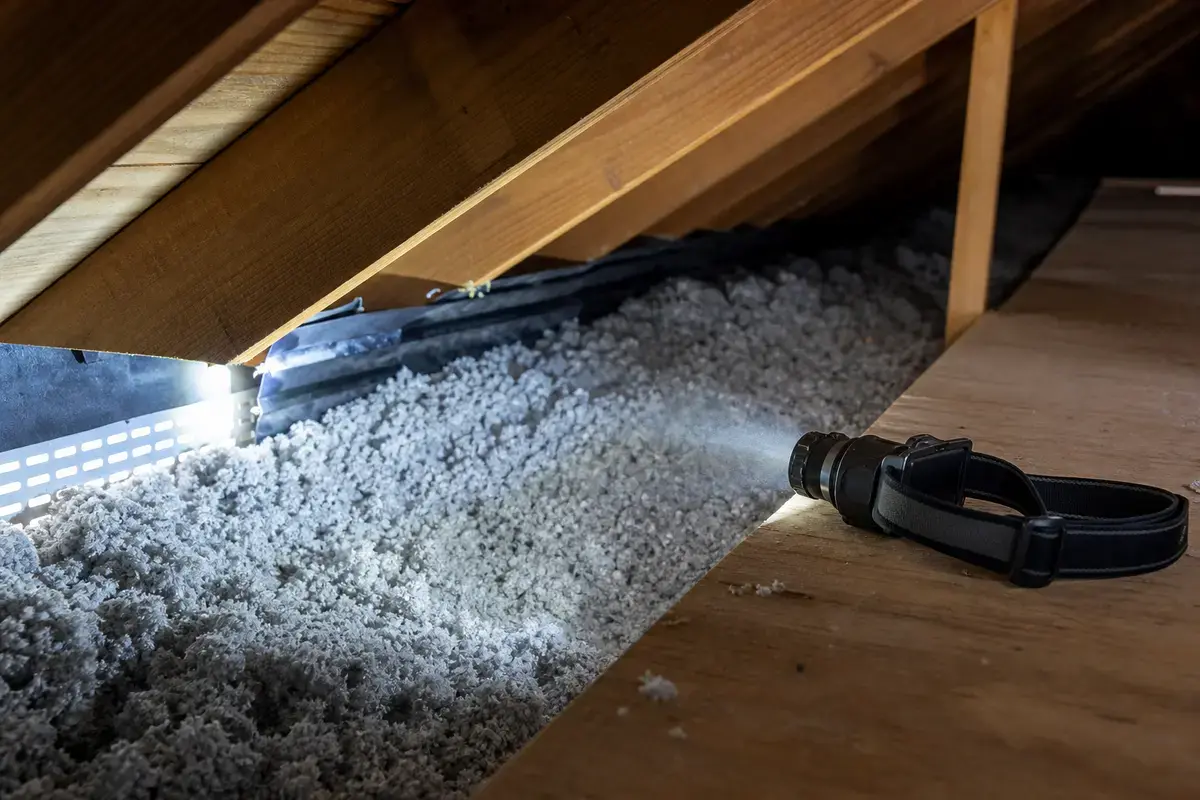
Helps when: Use to inspect the pipe gap, roof sheathing, soffit bay, and moisture pattern while keeping both hands free.
Skip it when: Skip attic entry if the walkway, wiring, contamination, heat, or access conditions are unsafe.
Compare headlamps on Amazon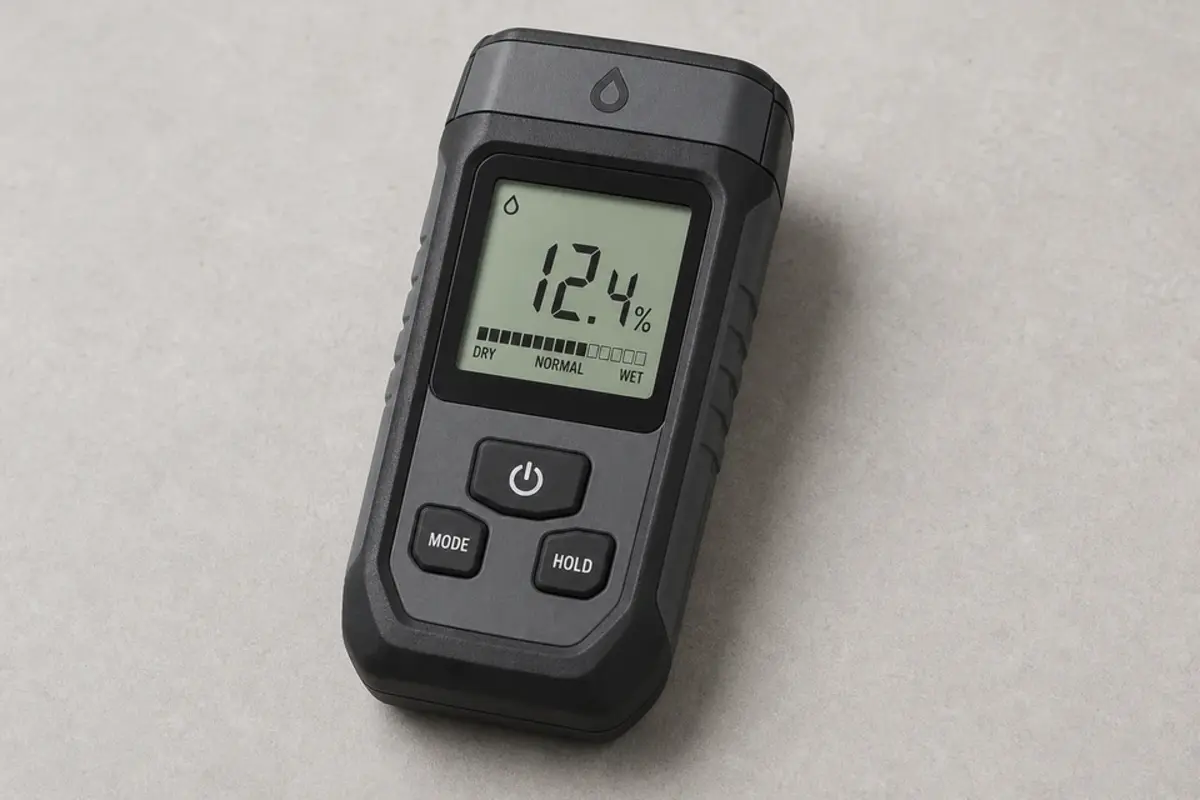
Helps when: Use to compare damp and dry sheathing, framing, or ceiling areas without poking holes.
Skip it when: Skip treating meter numbers as proof by themselves; pair readings with timing and visible moisture clues.
Compare pinless moisture meters on Amazon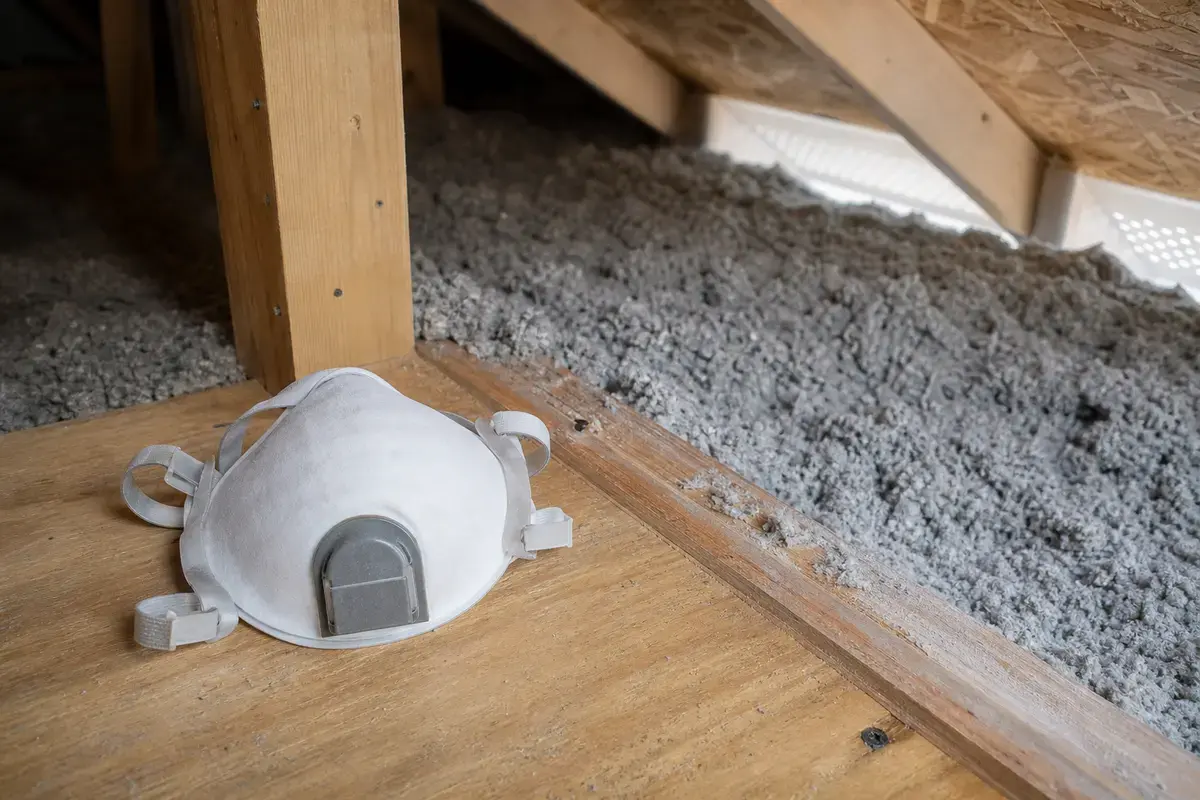
Helps when: Use when you need to inspect dusty bays or move a small amount of loose insulation around the moisture clues.
Skip it when: Call a pro for heavy mold, animal contamination, soaked insulation, wet wiring, or unsafe attic access.
Compare dust masks on AmazonAs an Amazon Associate I earn from qualifying purchases. Repair Riot may earn a commission at no extra cost to you.
Usually no. In attics, the stack is often a cold surface where moisture from indoor air condenses.
Condensation tends to show on cold mornings or after humid indoor activity. Roof leaks usually follow rain or snow melt and track from above.
Only if the evidence points to roof boot or flashing leakage. It will not fix warm air leaking around the pipe at the attic floor.
Not first. Seal the air leak and correct humidity or airflow sources before insulating the pipe.
Yes. A bath fan dumping into the attic can make nearby cold surfaces, including plumbing stacks, collect moisture.
Small gaps around a non-hot plumbing stack can often be sealed with an appropriate material. Do not seal around flues, chimneys, active leaks, or large chases without help.
Yes. Blocked intake can trap humid air near cold roof surfaces and make condensation worse.
Call for roof leaks, widespread frost or mold, soft sheathing, wet wiring, unsafe access, large chases, or moisture that returns after obvious air leaks are sealed.
Repair Riot built this page around visible attic moisture clues: timing, duct path, air leakage, wet insulation, sheathing condition, and stop points before roof, electrical, or unsafe attic work.