Eaves are packed?
Open the low intake path with baffles only where a real soffit exists.
A hot attic is normal in summer, but extreme attic heat usually means outside air cannot enter low, hot air cannot leave high, or conditioned house air is leaking upward. Start at the soffits, hatch, and upper vents before buying fans.
Good clue: the roof edge feels dead and packed with insulation while upper vents look open.
In practice, a hot attic check starts at the boring lower edge. Watch for eave bays where insulation touches the roof deck.
Don’t start with: Do not start with a powered fan, radiant coating, or more insulation. Prove the air path and hatch seal first.
Open the low intake path with baffles only where a real soffit exists.
Document the blocked vent and choose roof-side service if access is unsafe.
Fix closure and weatherstripping before adding an insulation cover.
Trace the duct and correct termination before changing attic ventilation.
Compare several readings before calling it a repair problem.
Compare the hot surface, the eave path, and the attic access before buying cooling parts.
Match the exact diagnosis before shopping. Measure rafter spacing and soffit layout before baffles. Check hatch size, closure, and compression before seals or covers. Do not buy a fan until intake is proven.
Use the hottest surface as the clue, then look for the eave below it and the hatch nearest the living space.
The wrong first fix can hide the blocked path and make pressure problems worse.
Use location and timing before choosing ventilation, hatch sealing, or duct work.
| What you see | Likely meaning | Next move |
|---|---|---|
| Packed eave bays | Low intake blocked | Use baffles only where soffit air can enter. |
| Upper vents look blocked | Exhaust path restricted | Document and use safe roof-side service if needed. |
| Hot hatch frame | House air leak | Fix closure, seal, and cover in that order. |
| Hot duct area | Air dumped into attic | Trace and terminate the duct correctly. |
| High afternoon readings everywhere | Solar heat load | Compare readings before buying parts. |
The attic has to move outdoor air without pulling conditioned air from below.
Use these only when the visible clue names the part.
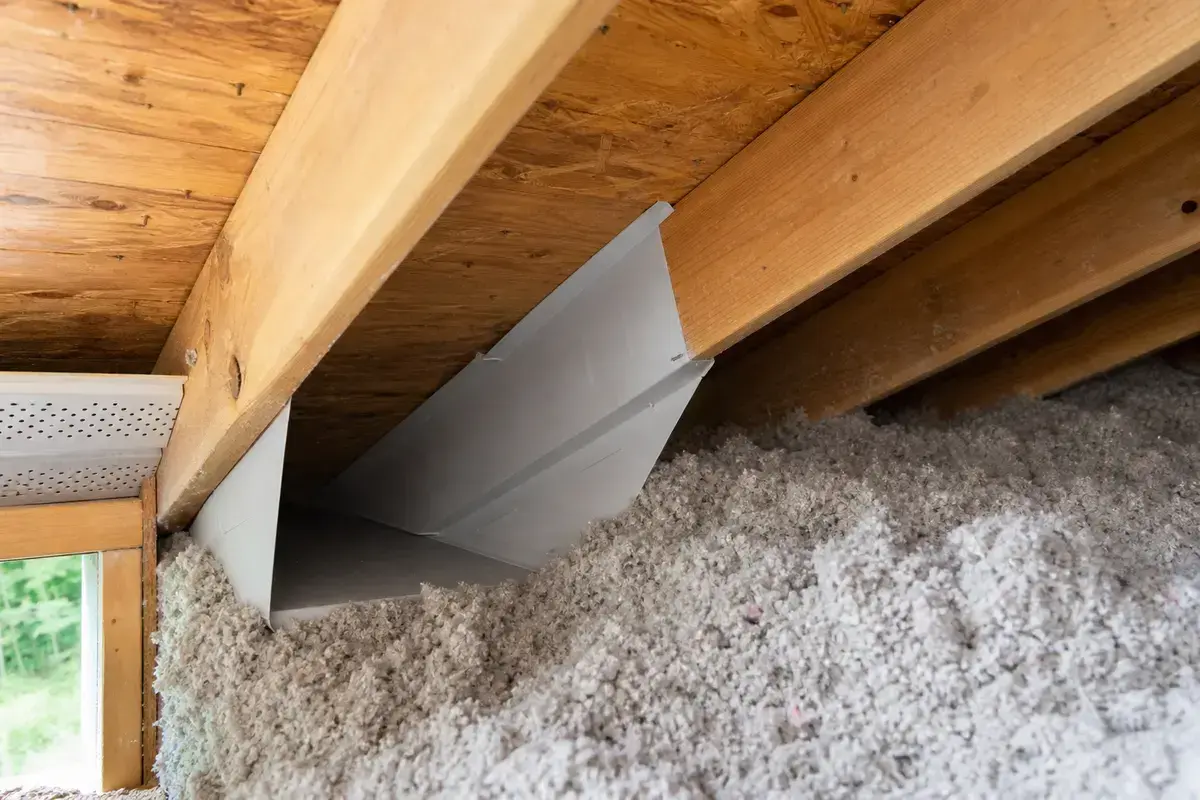
Helps when: Use when insulation blocks a real soffit intake channel below the problem roof or eave area.
Skip it when: Skip when the soffit path is already open, the problem is a damaged local vent, or roof-side work is needed.
Compare attic ventilation baffles on Amazon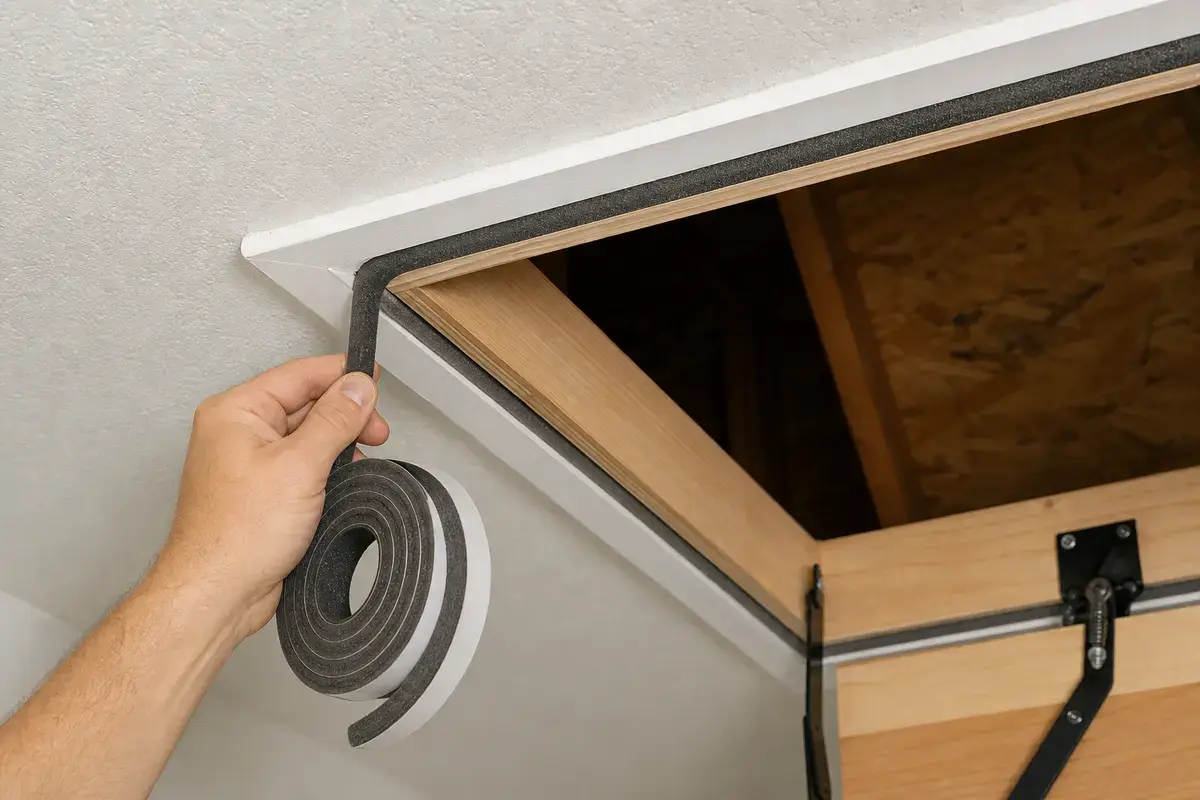
Helps when: Use when dust lines, drafts, heat loss, frost, or odor patterns show the hatch is leaking house air into the attic.
Skip it when: Skip when the hatch is warped, will not close flat, or the symptom traces to a local roof or vent opening.
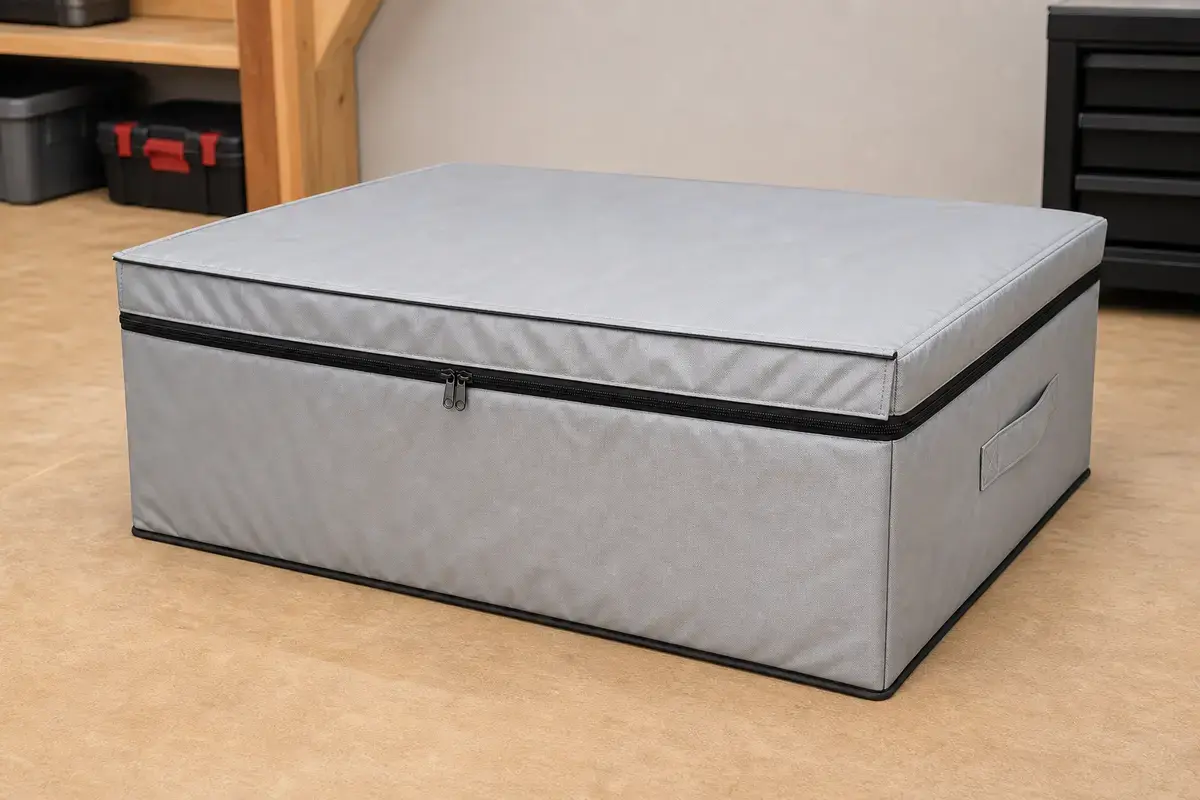
Compare attic hatch weatherstripping on AmazonHelps when: Use after the perimeter seal closes evenly and the hatch still needs a thermal cap.
Skip it when: Skip until the hatch closes flat and the cover clears the frame, ladder hardware, and access path.
Compare attic hatch insulation covers on AmazonAs an Amazon Associate I earn from qualifying purchases. Repair Riot may earn a commission at no extra cost to you.
These support inspection and documentation. They do not make unsafe attic heat safe.
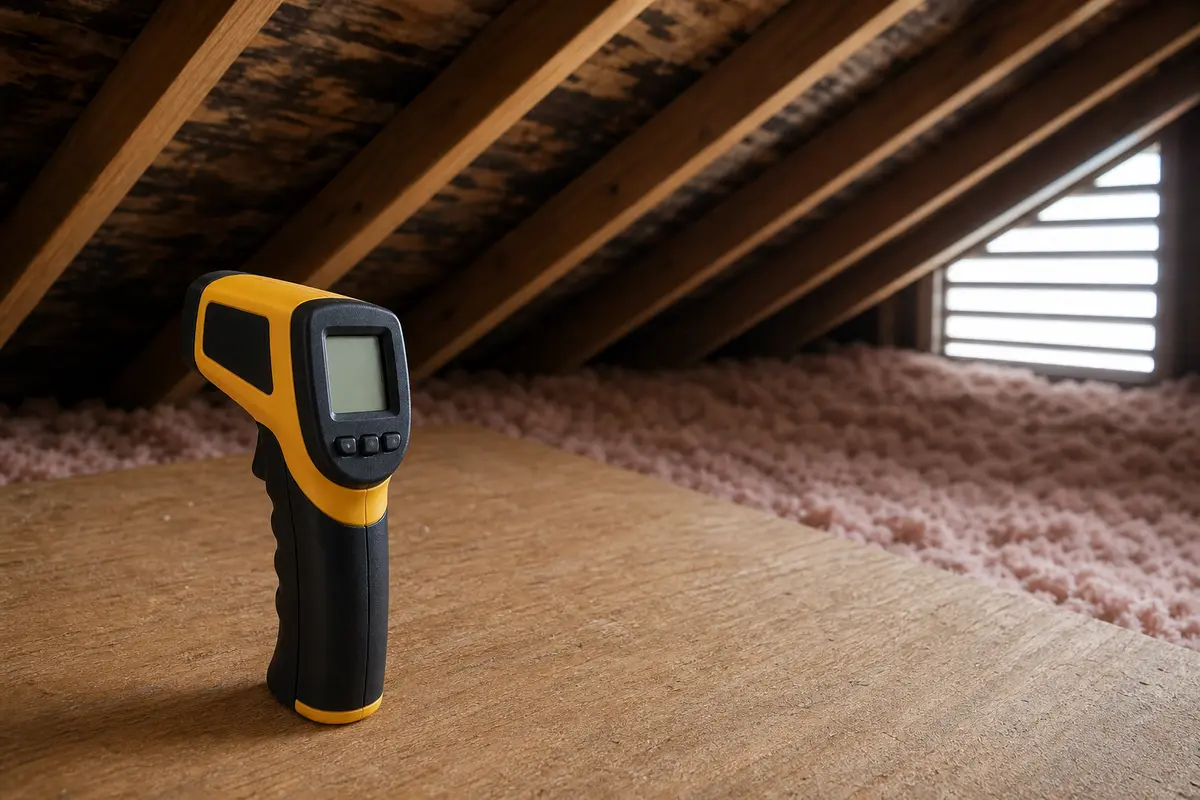
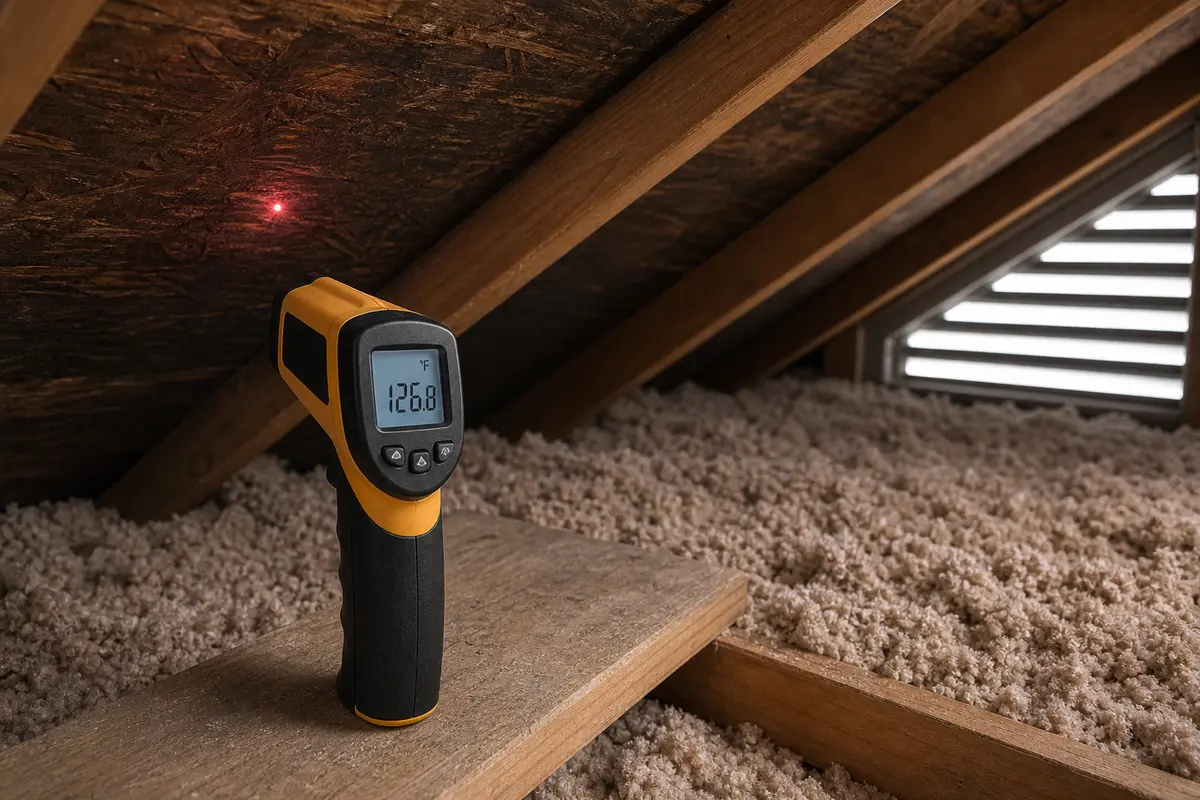
Helps when: Use to compare roof deck, attic air path, hatch, and ceiling temperatures on the same afternoon.
Skip it when: Skip treating one reading as proof; compare locations, timing, and airflow clues together.
Compare infrared thermometers on Amazon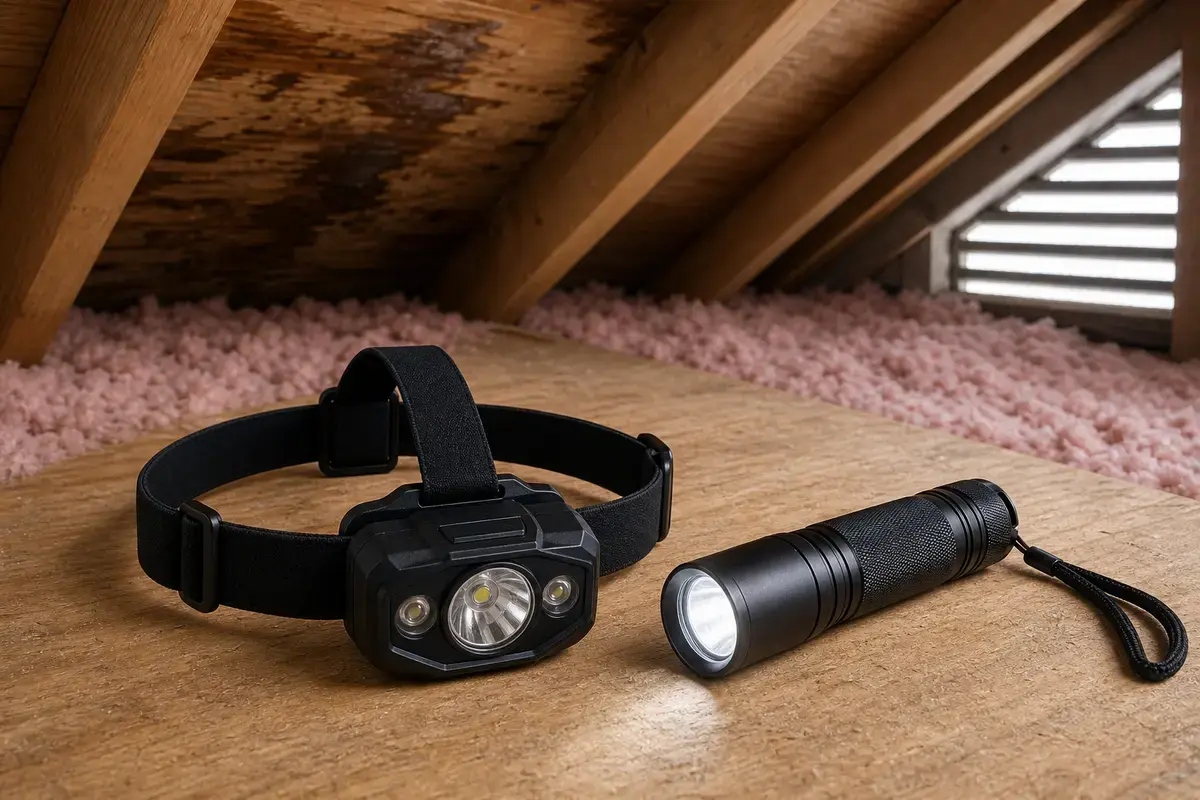
Helps when: Use inside the attic to see vent paths, eave bays, dust tracks, screen edges, and wet or snowy footprints while keeping hands free.
Skip it when: Skip attic entry if the walkway, wiring, contamination, heat, or access conditions are unsafe.
Compare headlamps on Amazon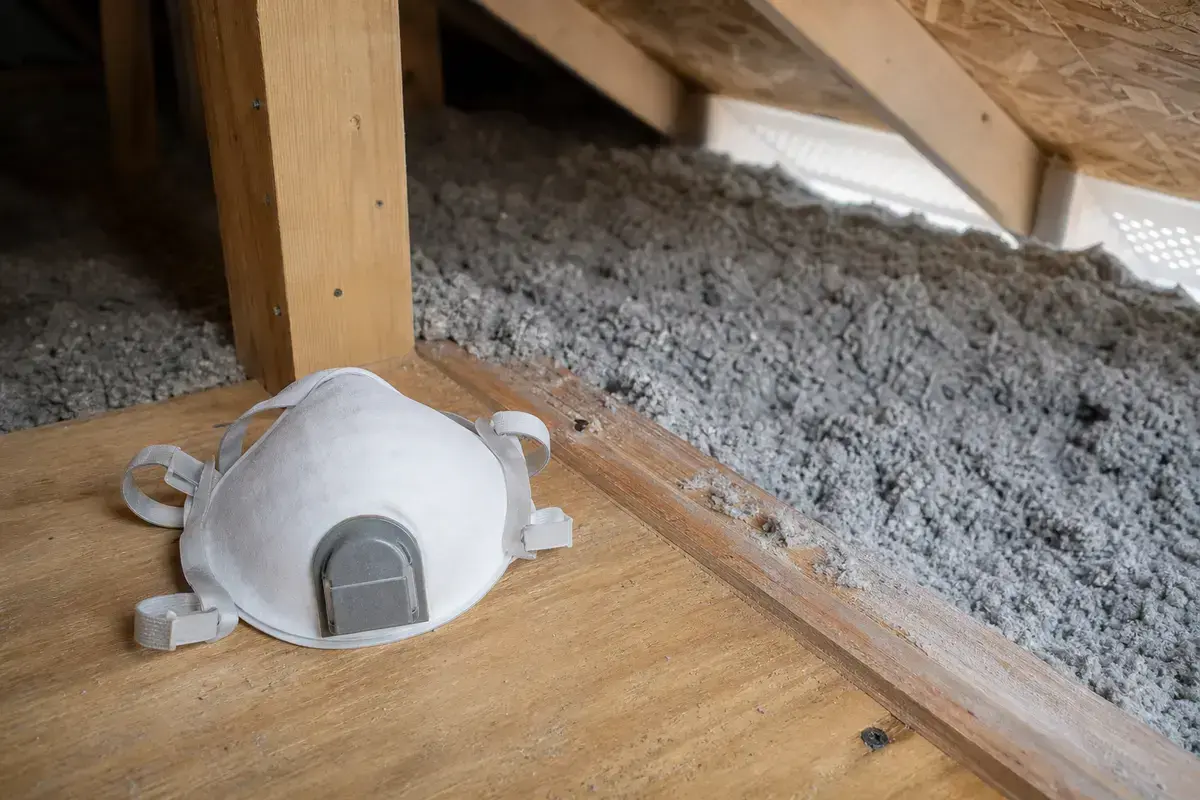
Helps when: Use for a short dusty attic inspection from stable framing or a walkway.
Skip it when: Call a pro for heavy mold, animal contamination, soaked insulation, wet wiring, or unsafe attic access.
Compare dust masks on AmazonAs an Amazon Associate I earn from qualifying purchases. Repair Riot may earn a commission at no extra cost to you.
One number is not enough. Compare outdoor temperature, roof deck readings, eave airflow, and the living-space ceiling below before choosing a fix.
Not if intake is blocked or the ceiling plane leaks. A fan can pull conditioned air from the house when the air path is wrong.
Yes. If low intake is buried, upper vents cannot move much air.
Yes. A leaky hatch can feed warm or conditioned air into the attic and change pressure.
Only after the attic is dry, air leaks are handled, and soffit channels stay open.
Yes. Screens, debris, crushed products, or poor cutouts can restrict exhaust.
Stop for unsafe heat, wet wiring, soft sheathing, contamination, roof access, or footing you cannot trust.
The same areas run closer to expected temperature and the attic no longer has dead eaves, hatch drafts, or dumped duct air.
Repair Riot built this page around visible hot-attic clues: eave intake, upper exhaust, hatch leakage, duct termination, temperature comparison, and stop points before powered fans.