One screw or corner is loose?
Check whether the backing is solid, then use exterior-rated fasteners that hold the flange flat.
A loose attic gable vent is usually a fastener, flange, screen, trim, or backing problem. Start from the ground: look for the lifted corner, missing screw, or cracked louver, then check inside for daylight or water marks before sealing.
Common clues are a backed-out screw, loose flange, cracked frame, warped louver, torn insect screen, or water-stained sheathing around the opening.
A gable vent is both a weather detail and a ventilation opening; movement or staining changes the repair.
Don’t start with: Do not start by caulking every edge or closing the louvers. Secure the vent mechanically first and keep the ventilation opening functional.
Check whether the backing is solid, then use exterior-rated fasteners that hold the flange flat.
A replacement gable vent louver may be cleaner than trying to fasten broken plastic or split wood.
Trace siding, trim, flashing, and vent frame gaps before sealing the exterior edge.
Keep pests out while preserving the net free vent area the attic needs.
Stop DIY repair and schedule exterior service.
Confirm whether the vent is loose at the exterior flange, the interior frame, or the louver itself.
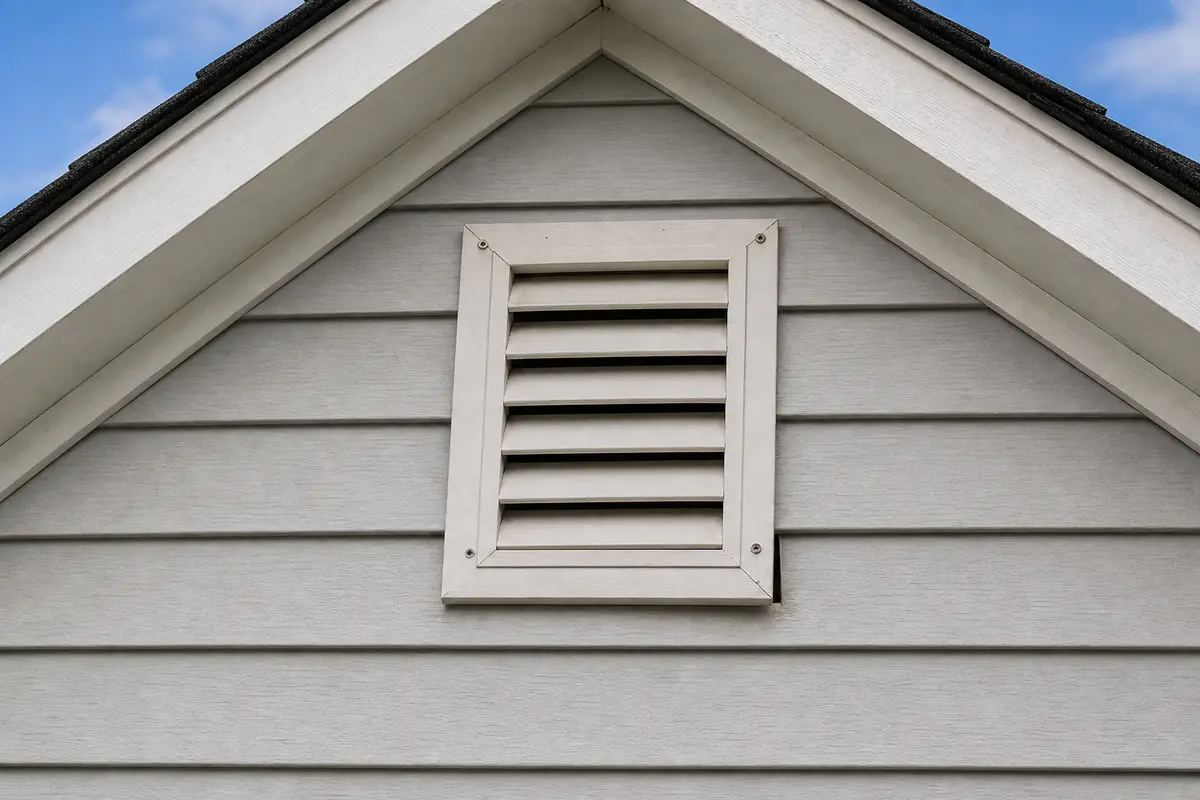
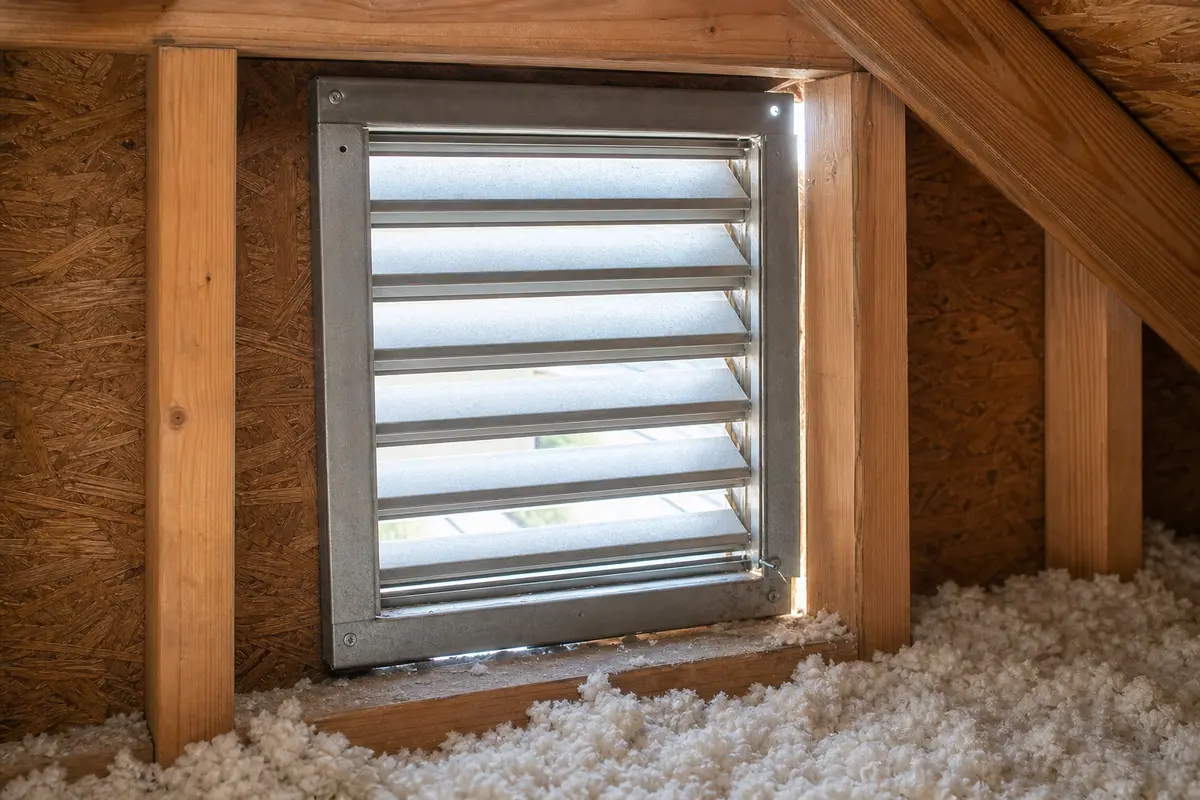
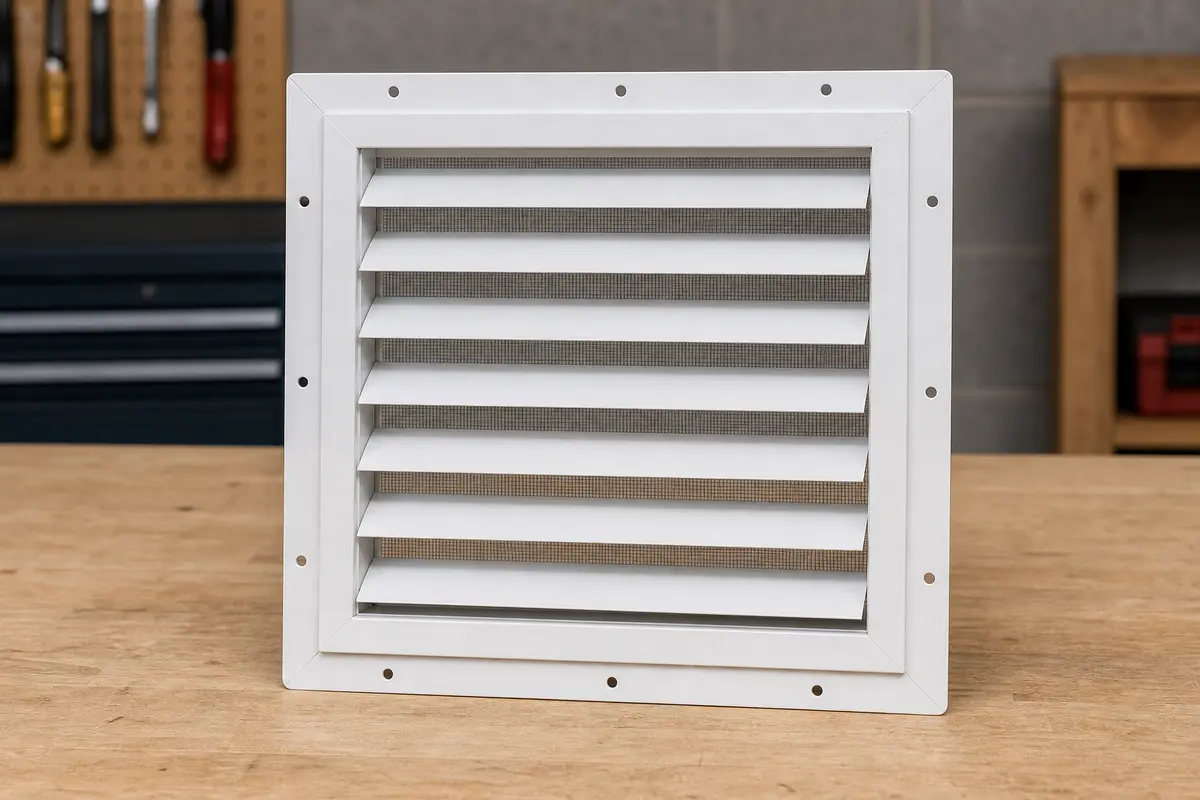
Match the exact diagnosis, opening size, and vent style before buying anything. A sound vent may need exterior screws with washers and a small weather seal. A cracked, warped, or undersized louver may need replacement. Rotten backing, siding movement, or high access is not a shopping problem.
A loose gable vent is a failure at the attachment point until the inside edge proves otherwise. First check which corner moves, then look from the attic side for daylight, wet staining, or screen damage.
A gable vent still has to ventilate. Repair the attachment and weather edge without blocking airflow.
Use the visible movement and the interior clue before choosing fasteners, sealant, or replacement.
| What you see | Likely meaning | Next move |
|---|---|---|
| One flange corner lifted | Backed-out fastener or weak backing | Check backing from inside and refasten if sound. |
| Vent frame cracked or bowed | Louver body has failed | Measure the rough opening and compare replacement louvers. |
| Water stain below frame | Weather edge or siding detail is leaking | Dry the area, trace the exterior path, and call service if framing is soft. |
| Screen torn or missing | Pest entry risk | Repair or replace screen without reducing ventilation more than the product allows. |
| Whole wall area moves | Siding, trim, or sheathing problem | Stop and get exterior repair help. |
Most homeowners can document the issue from the ground and attic side before deciding whether access is safe.
Use these only when the visible clue matches the part: failed louver, loose fastener, or small weather gap.
Helps when: Use when the vent frame is cracked, warped, rotted, missing slats, or will not fasten flat to sound trim.
Skip it when: Skip if surrounding trim or sheathing is soft, the opening is custom-sized, or the work requires unsafe ladder or roof access.
Compare gable vent louvers on Amazon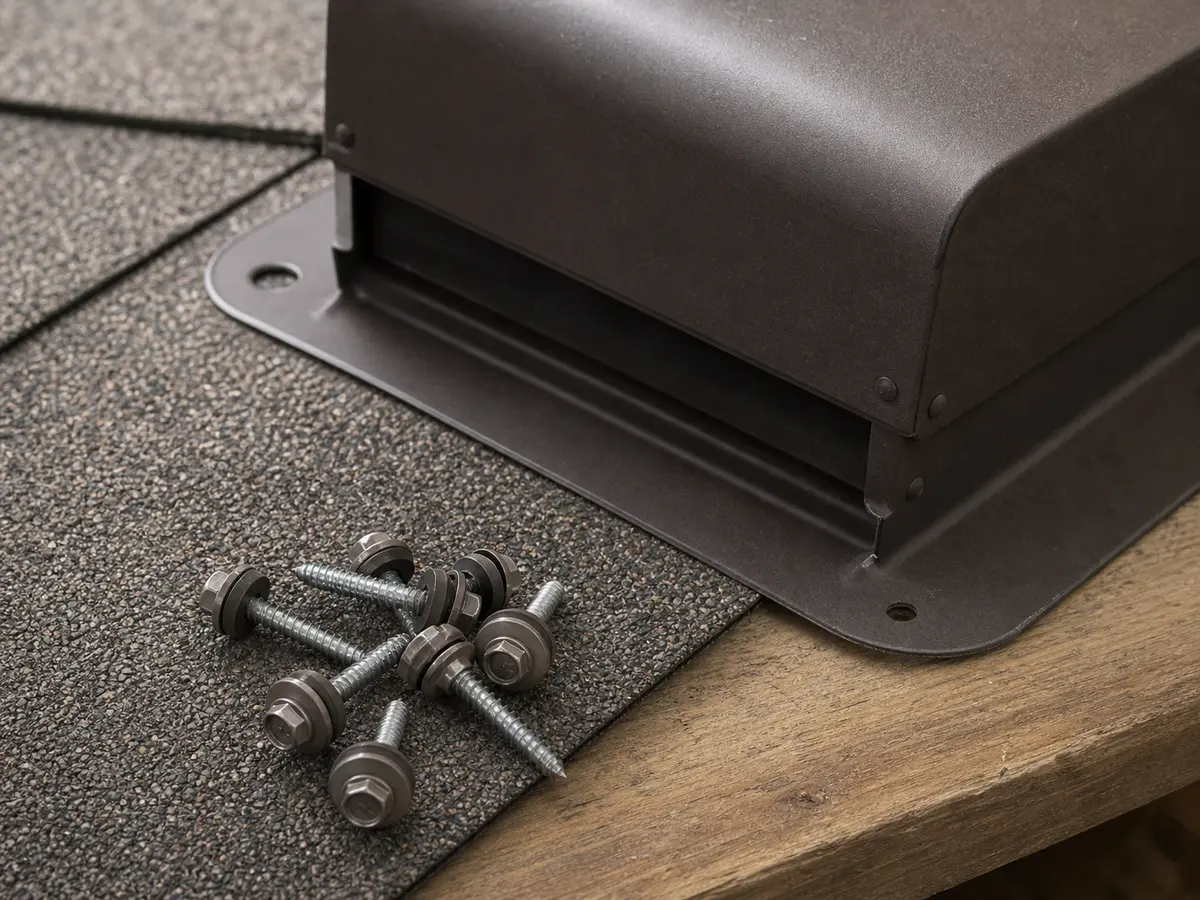
Helps when: Use when the vent flange is sound and needs exterior-rated fasteners that hold it flat without splitting trim.
Skip it when: Skip if the frame is cracked, the wood is soft, or the vent still moves after fasteners are snug.
Compare exterior screws on Amazon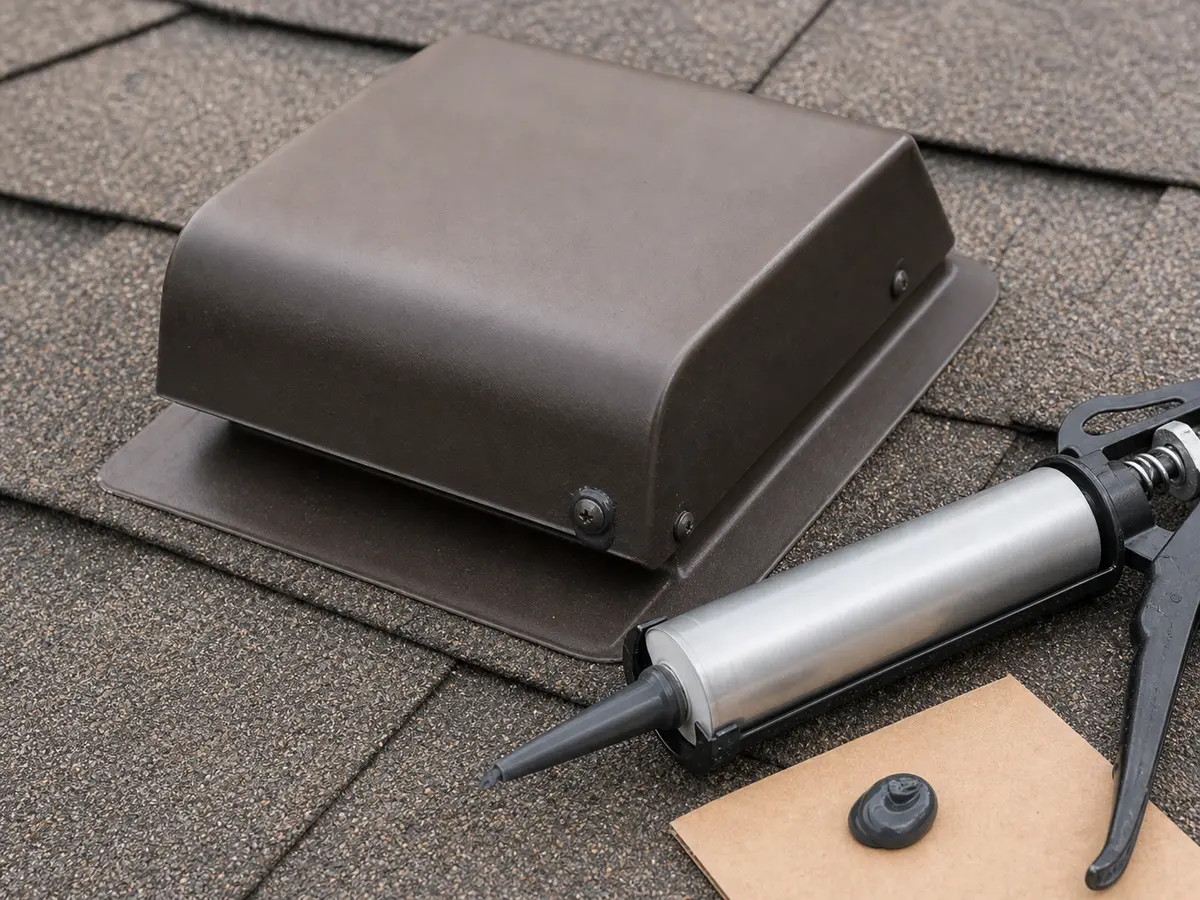
Helps when: Use as a weather-rated seal at small exterior gaps only after the vent is mechanically secured and dry.
Skip it when: Skip using sealant as the main fastener or over wet, rotten, moving, or unflashed vent edges.
Compare exterior sealants on AmazonAs an Amazon Associate I earn from qualifying purchases. Repair Riot may earn a commission at no extra cost to you.
These support inspection and accessible fastener work. They do not make high exterior access safe.
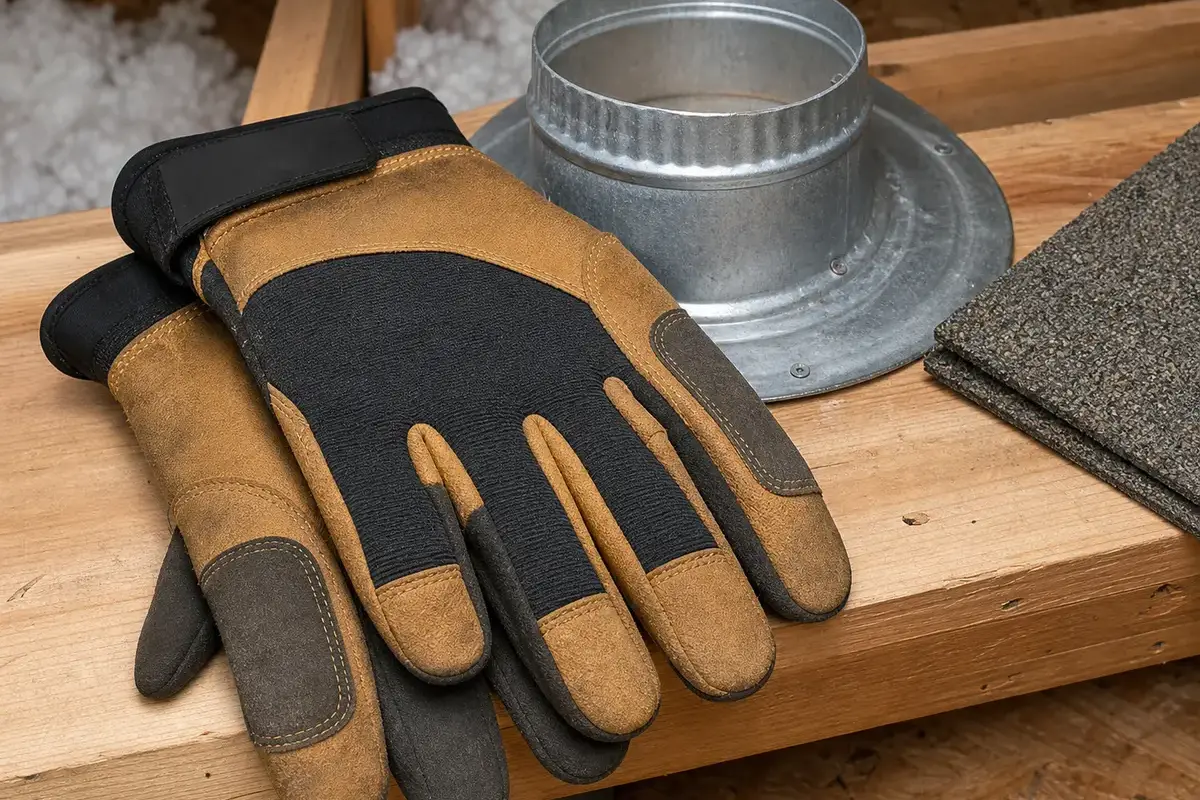
Helps when: Use for sharp vent edges, screen mesh, fasteners, and rough attic framing around the opening.
Skip it when: Skip hands-on work if the vent is high, unstable, wet, or only reachable from an unsafe ladder position.
Compare work gloves on Amazon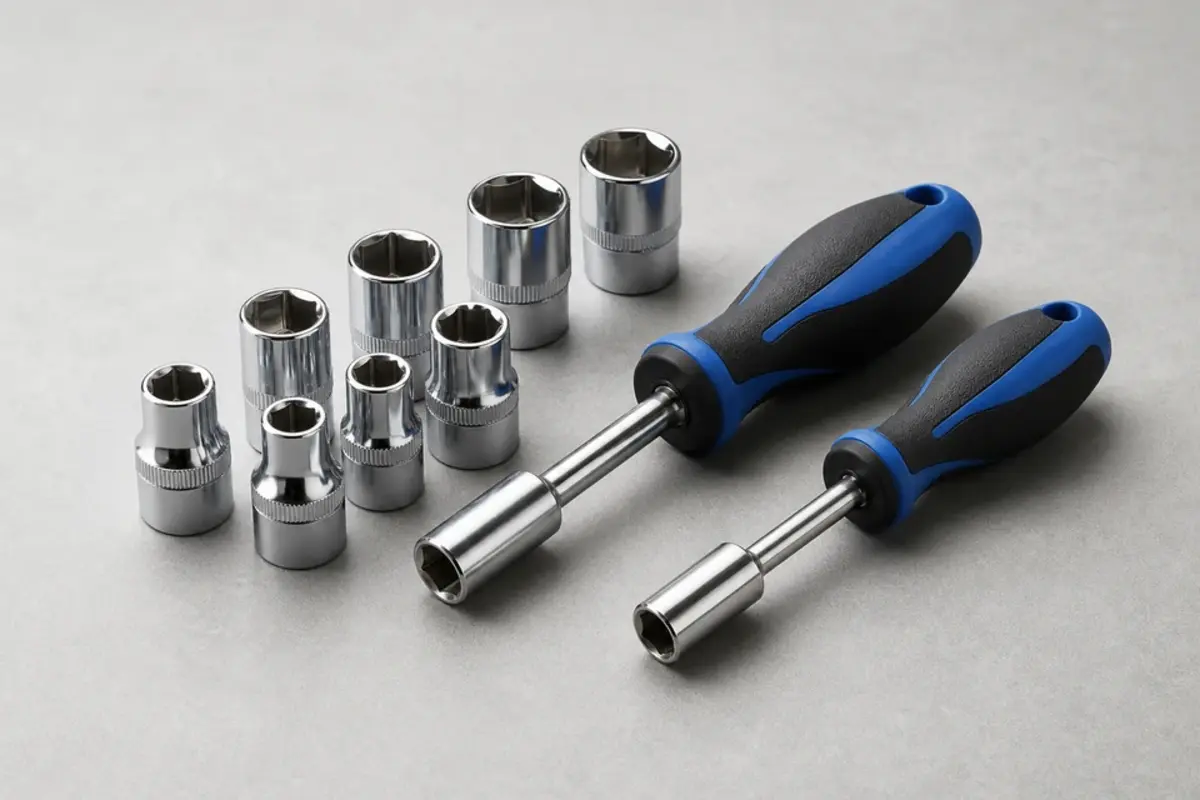
Helps when: Use to snug accessible gable vent fasteners from the safe side after checking the frame and screen.
Skip it when: Skip if the fastener location requires roof access, the trim is split, or the vent frame will not sit flat.
Compare nut driver sets on Amazon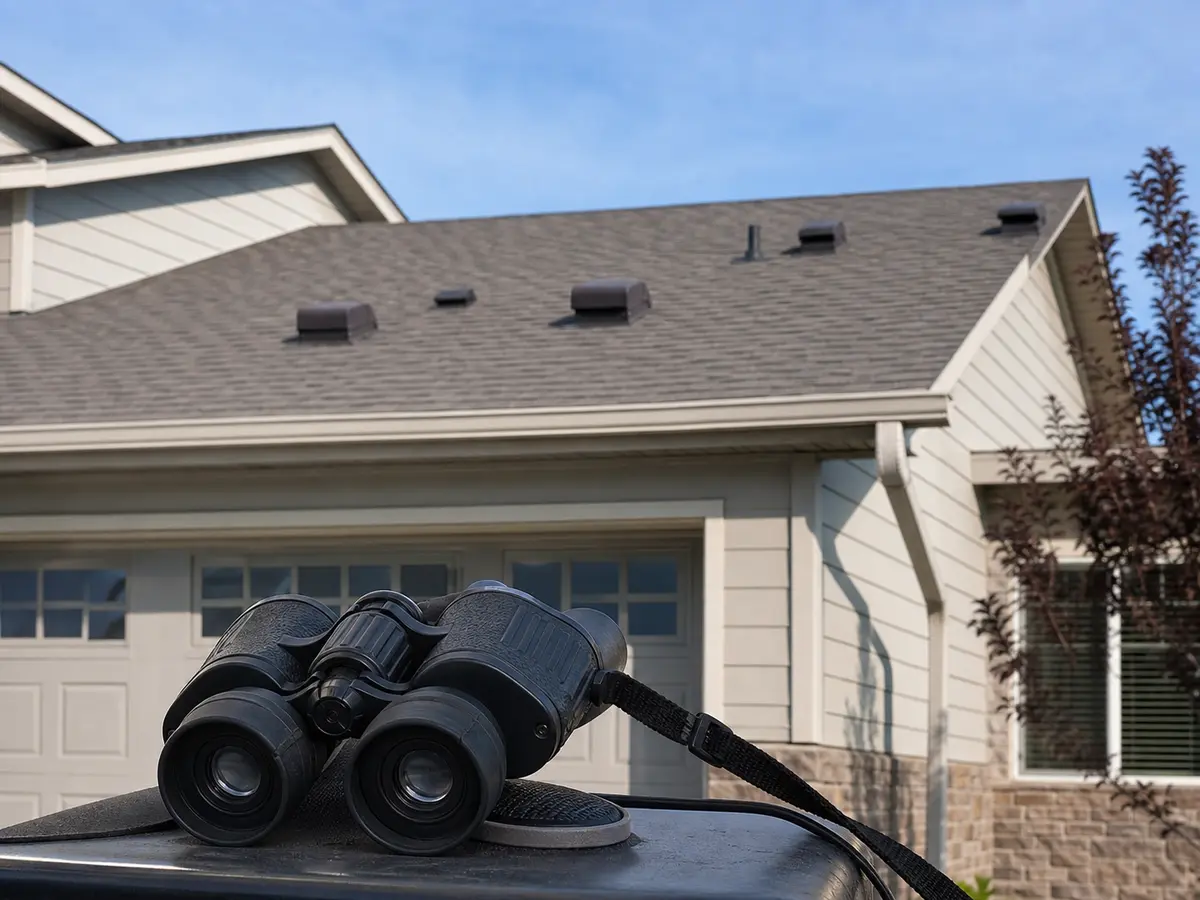
Helps when: Use from the ground to confirm which corner is loose before setting a ladder or entering the attic.
Skip it when: Skip if you already have safe close access or the vent is hidden by roofline details that need a pro inspection.
Compare inspection binoculars on AmazonAs an Amazon Associate I earn from qualifying purchases. Repair Riot may earn a commission at no extra cost to you.
Only after the vent is mechanically secure and dry. Sealant should close a small weather edge, not hold a moving frame.
No. The vent is part of attic airflow. If rain is entering, fix the flange, screen, hood, siding, or product fit without closing the ventilation opening.
Replace it when the frame is cracked, warped, undersized, missing slats, or unable to fasten flat against sound backing.
It can allow wind-driven rain or pests, but broad attic condensation usually points to air leakage and ventilation balance too.
Look for daylight around the frame, torn screen, water stains below the opening, loose backing, and insulation pushed against the vent.
Only for low, stable, easy access. High gables, steep grades, rotten trim, or storm damage are service calls.
Use exterior-rated screws sized for the vent and sound backing. Washers help hold a flange without over-crushing it.
Yes, if the frame and weather edge are sound. Keep the screen compatible with the vent so airflow is not reduced more than intended.
Repair Riot built this page around exterior and attic-side gable vent clues: fastener movement, louver condition, interior daylight, screen damage, water staining, ventilation function, and ladder stop points.