Whistle changes with wind angle?
Look for a narrowed opening, bent mesh, or sharp gap.
Attic vent whistling usually comes from wind squeezing through a narrowed opening, bent screen, lifted flange, or loose cover edge. First identify the exact vent and sound type, then repair the loose or narrowed detail without blocking airflow.
Common clue: a clean whistle changes with wind direction while a loose cap rattles or chatters.
Whistle, rattle, and flap sounds point to different fixes, even when they come from the same vent area.
Don’t start with: Do not caulk every seam, stuff insulation into the vent, or close louvers. Find the narrow opening or loose edge first.
Look for a narrowed opening, bent mesh, or sharp gap.
Check screws, washers, flange, and cap movement.
Use ground photos and roof service for access.
Confirm the vent still sheds water before sealant.
Repair edges without blocking the vent.
Use sound type, wind direction, and visible movement before choosing screen, fastener, or sealant work.
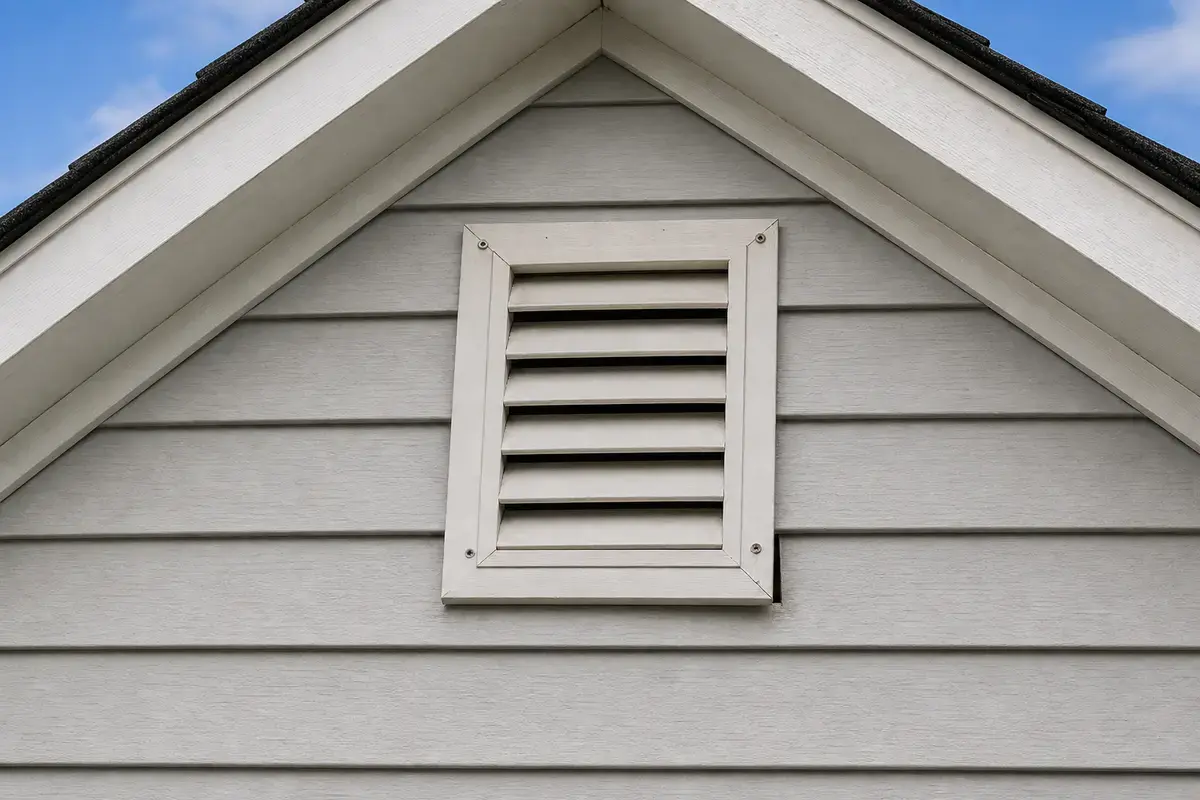
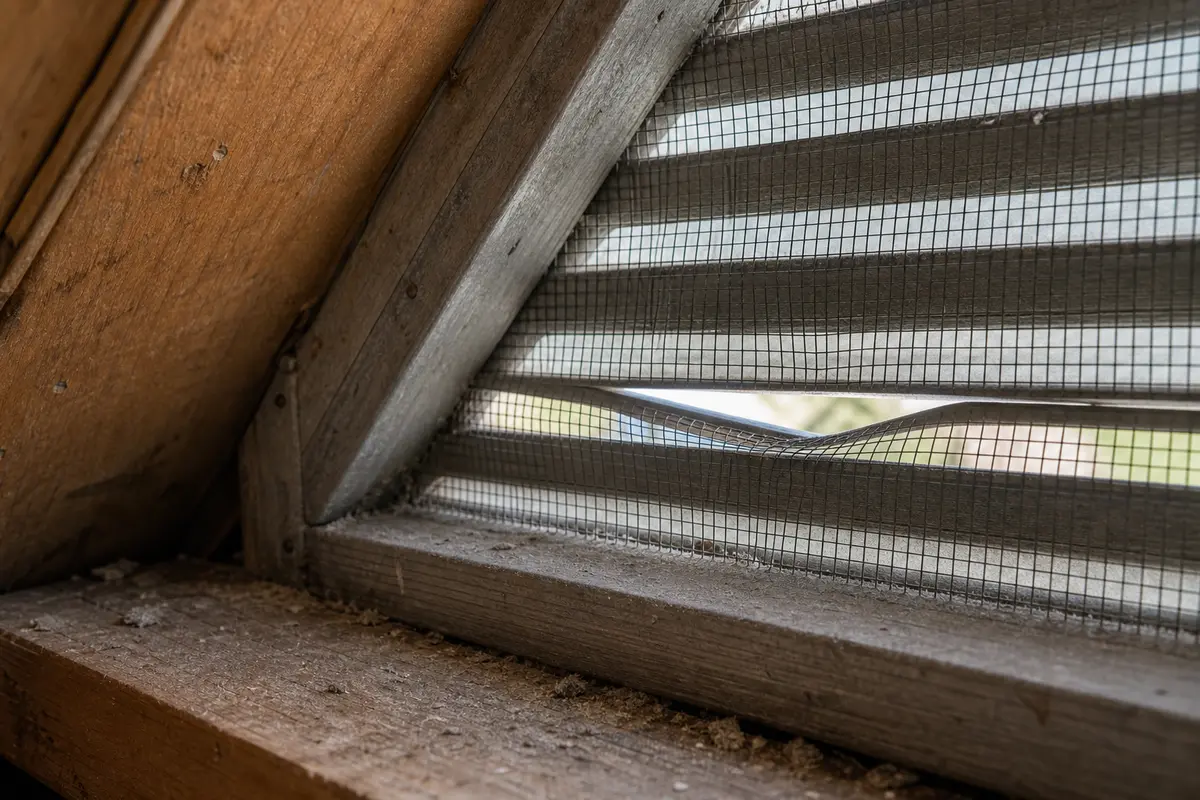
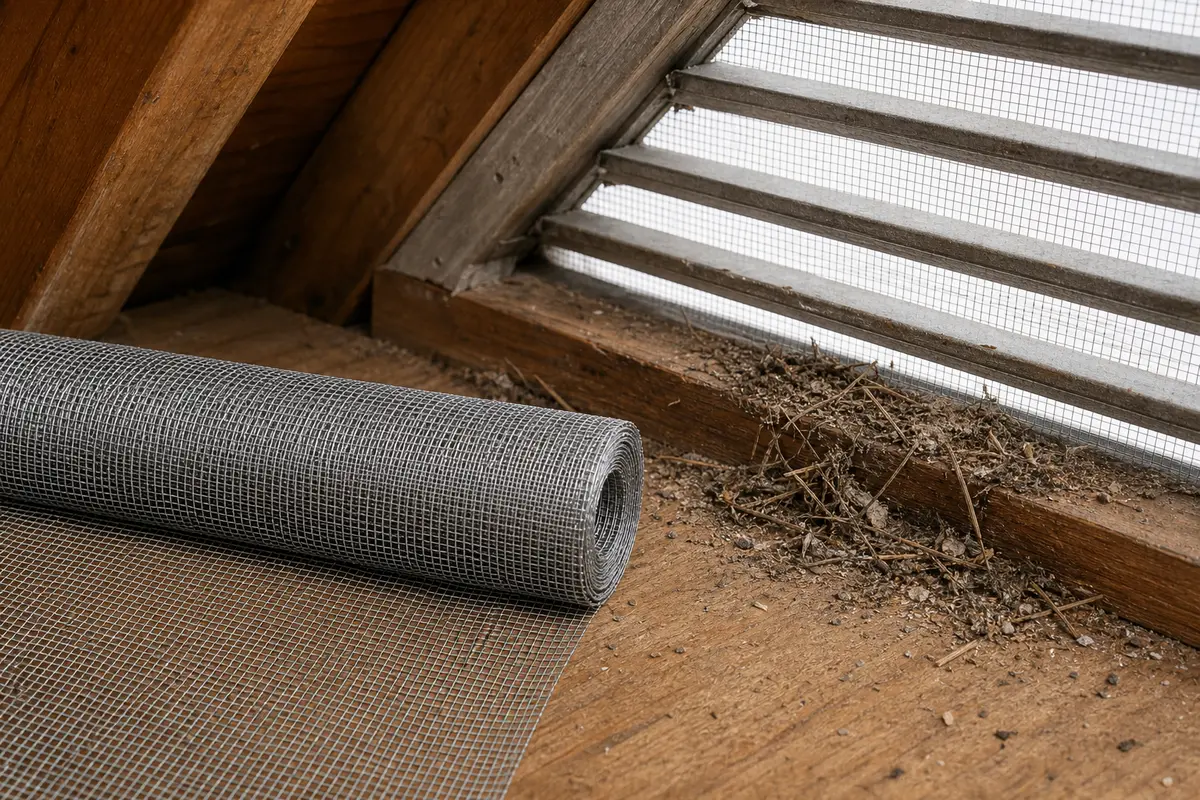
Confirm the exact vent, sound type, and access side. Screen mesh, fasteners, sealant, and full vent replacement solve different wind-noise clues.
Listen for the sound type, then look for movement, a narrow slit, or bent mesh at the exact vent.
Quieting the sound by blocking ventilation can create moisture problems.
Use the sound and visible clue before choosing parts.
| What you hear or see | Likely meaning | Next move |
|---|---|---|
| Clean whistle in one wind direction | Narrow screen or edge gap | Inspect mesh, louver, and frame gap. |
| Tinny rattle | Loose flange or cap | Check fasteners from ground and attic side. |
| Flapping | Loose screen or damper | Secure or replace the moving piece. |
| Stain below vent | Weather entry | Trace water path before noise-only repair. |
| Noise at roof height | Roof-side access issue | Document and use roof service. |
The repair should remove vibration or a sharp gap without reducing attic ventilation.
Use these only when the sound and visible clue name the part.
Helps when: Use when the vent screen is torn, rusted, missing, bowed, or clogged after activity is ruled out.
Skip it when: Skip if the vent frame is rotten, active insects remain, or the repair would block required airflow.
Compare attic vent screen mesh on Amazon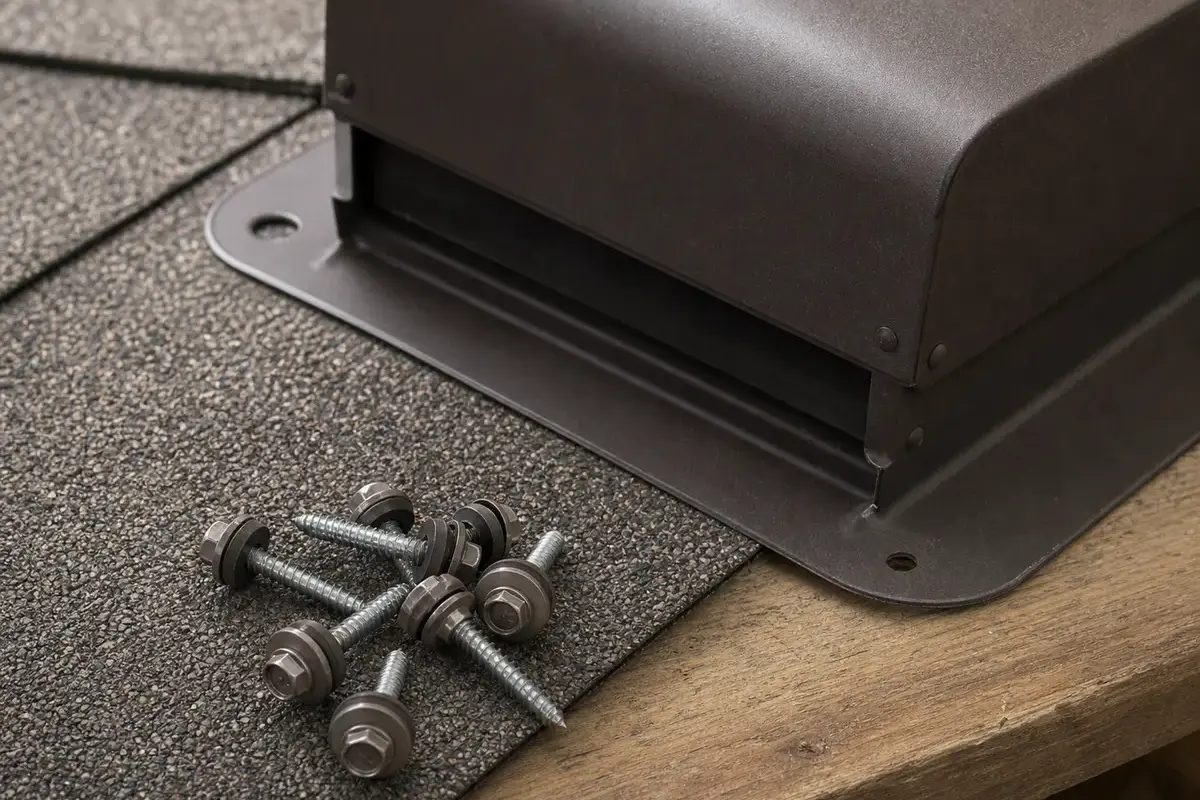
Helps when: Use when a sound vent flange, cap, or screen retainer needs exterior-rated fasteners to sit flat.
Skip it when: Skip if the frame is cracked, the wood is soft, the vent still moves when snug, or access is unsafe.
Compare exterior screws on Amazon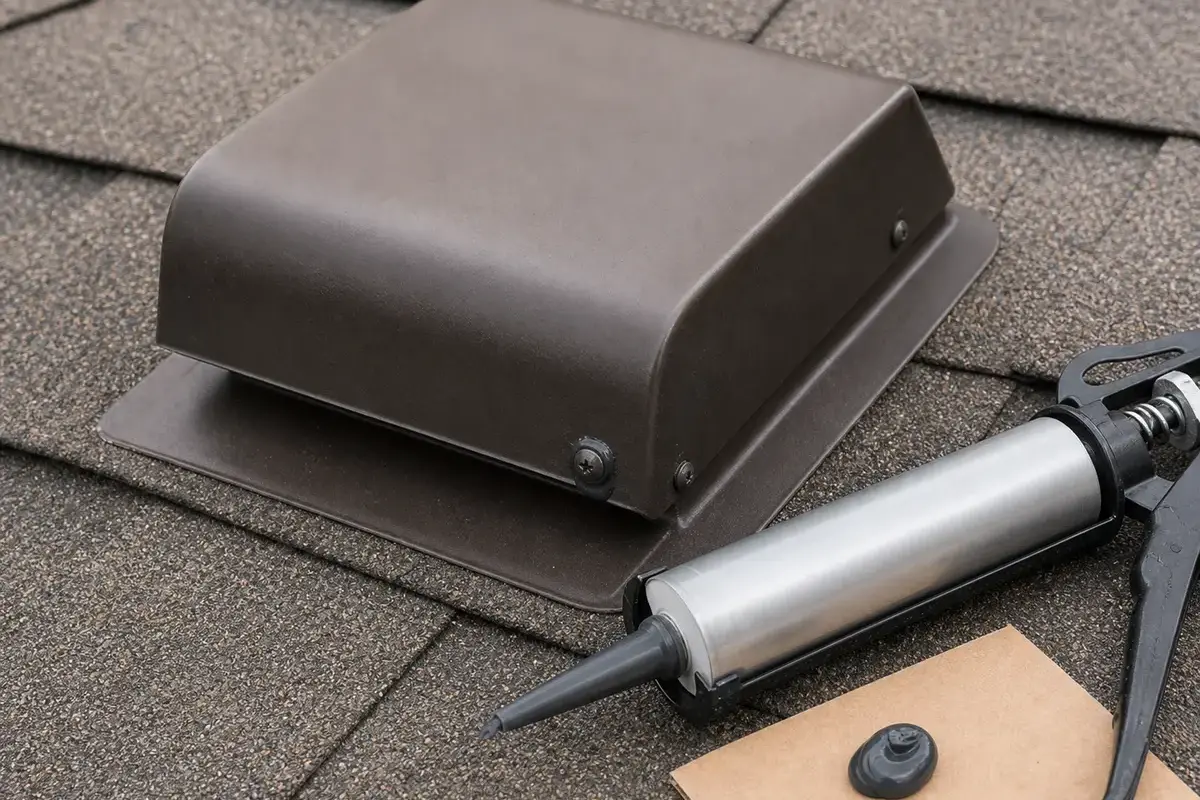
Helps when: Use for a small dry weather gap only after the vent is mechanically secured and still ventilates.
Skip it when: Skip using sealant as the main fastener, over wet material, or anywhere it would block intended airflow.
Compare exterior sealants on AmazonAs an Amazon Associate I earn from qualifying purchases. Repair Riot may earn a commission at no extra cost to you.
These support safe inspection from the ground or attic side.
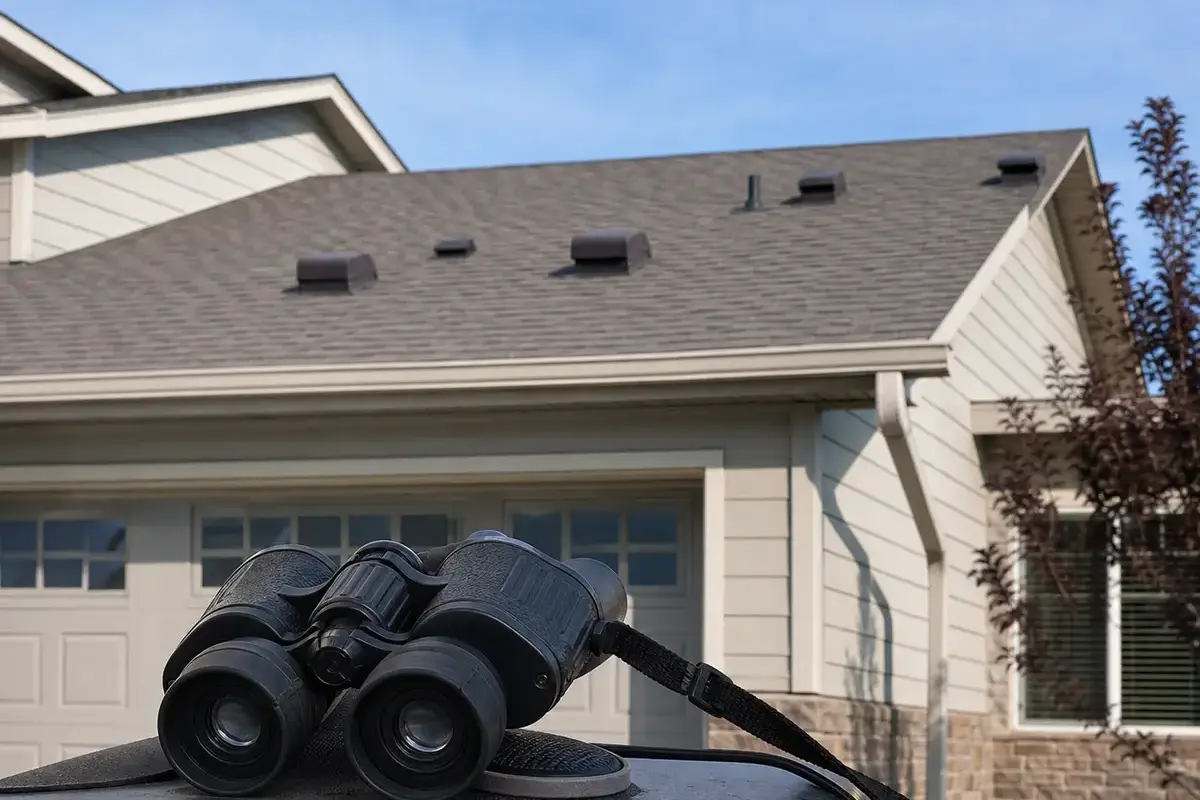
Helps when: Use from the ground to identify a bent louver, lifted flange, loose screen, missing cap, or snow stain before access is considered.
Skip it when: Skip if the vent is hidden by roof geometry or the clue needs close inspection by a pro.
Compare inspection binoculars on Amazon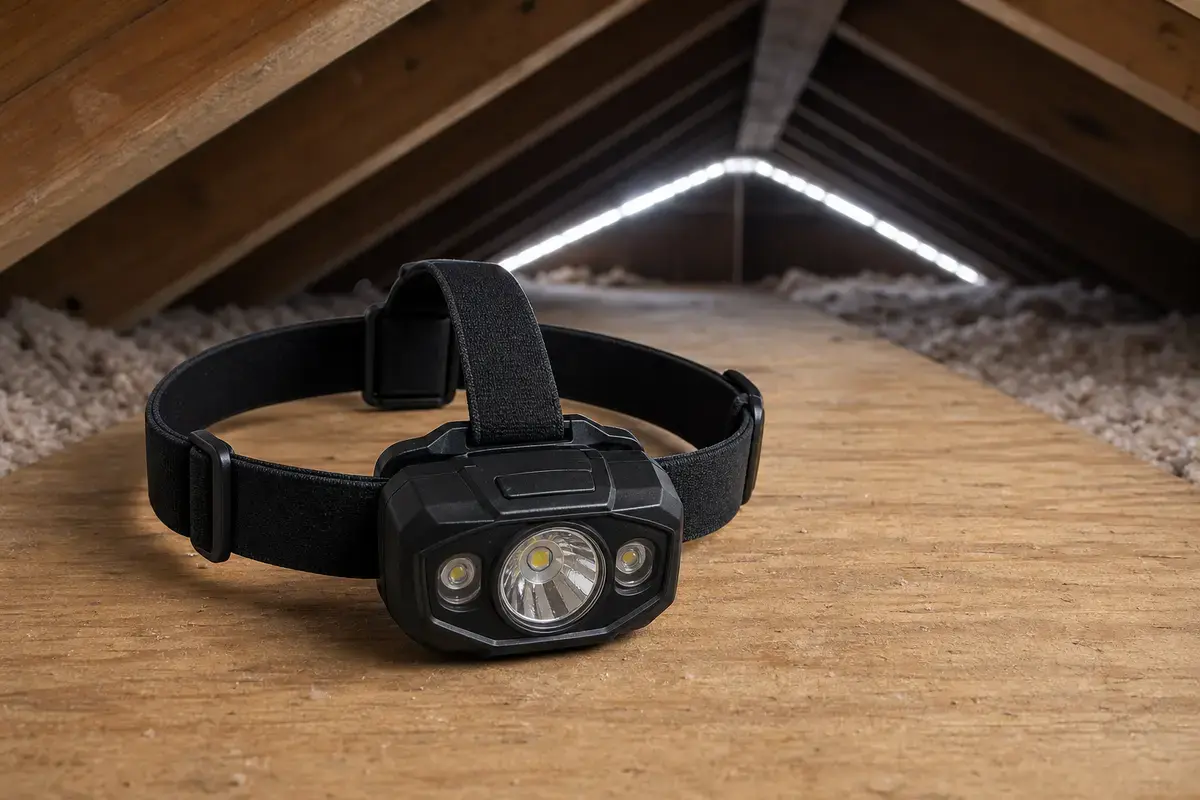
Helps when: Use inside the attic to see vent paths, eave bays, dust tracks, screen edges, and wet or snowy footprints while keeping hands free.
Skip it when: Skip attic entry if the walkway, wiring, contamination, heat, or access conditions are unsafe.
Compare headlamps on Amazon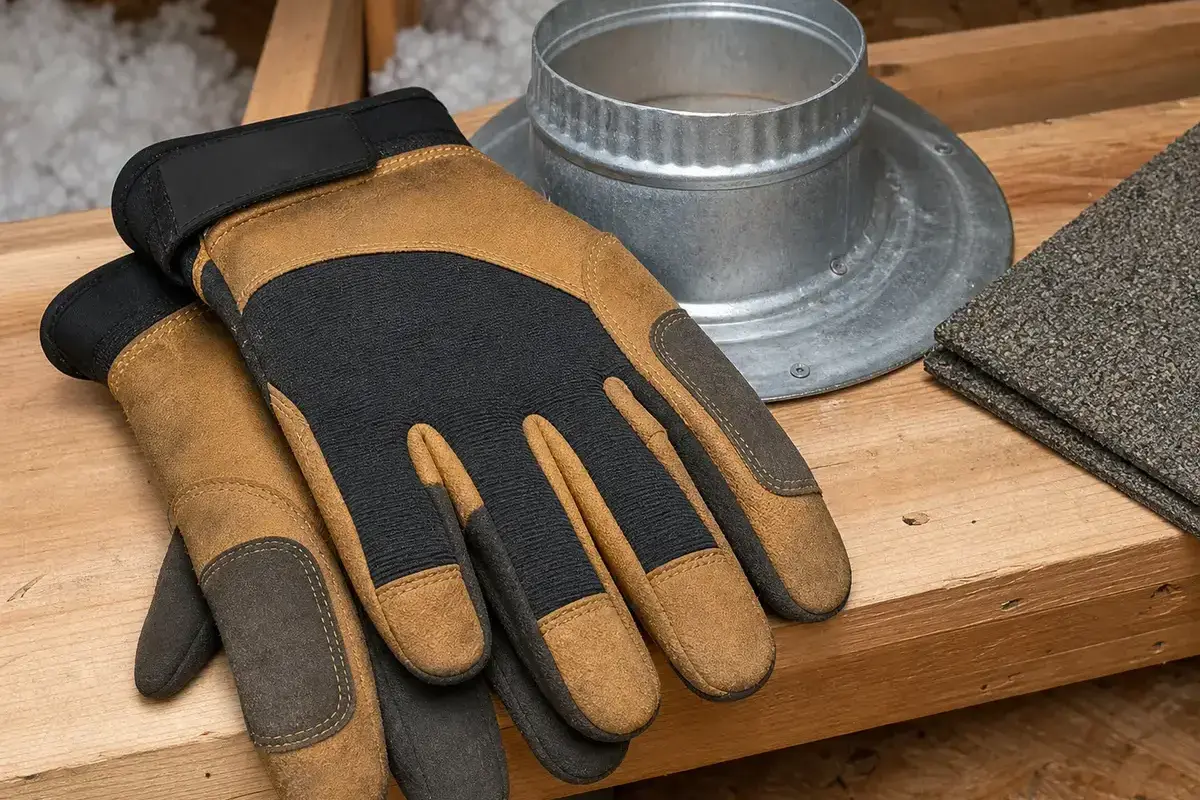
Helps when: Use when the vent screen is torn, rusted, missing, bowed, or clogged after activity is ruled out.
Skip it when: Skip if the vent frame is rotten, active insects remain, or the repair would block required airflow.
Compare attic vent screen mesh on AmazonAs an Amazon Associate I earn from qualifying purchases. Repair Riot may earn a commission at no extra cost to you.
Wind is usually being forced through a narrow slit, bent screen, sharp louver edge, or loose frame gap.
No. Attic vents need airflow. Repair the edge, screen, fastener, or cover without blocking the opening.
Use wind direction, ground photos, and an attic-side check for daylight gaps or movement.
No. Rattling points more toward loose metal or fasteners; whistling points toward a narrow air path.
Yes. Bent mesh can narrow the opening and create a clean tone in wind.
Only for a small dry frame gap after the vent is mechanically secure. Do not seal louvers or mesh.
Call for roof vents, damaged cap shingles, high access, water stains, or any repair that requires roof work.
The vent remains open, the loose or narrowed part is corrected, and the sound does not return in similar wind.
Repair Riot built this page around visible wind-noise clues: sound type, wind direction, bent mesh, loose flange, water marks, and airflow preservation.