Attic Ventilation

Bat Guano in Soffit Cleanup

Direct answer: Bat guano at a soffit usually means bats have been roosting at or just behind a soffit vent, gap, or loose cover. Start by confirming whether activity is current, because cleanup before exclusion just gets contaminated again.

Most likely: The most common setup is a small opening at the soffit edge or vent cover where bats can slip in, then droppings collect on the vent, insulation edge, or the ground below.

Treat this as a source-first job, not just a cleaning job. A light, old deposit around one soffit vent is very different from fresh droppings, staining, odor, and repeated buildup. Reality check: if you still see fresh pellets after cleanup, the bats are still using that spot. Common wrong move: caulking the hole before you know whether bats are inside.

Don’t start with: Don’t start by sweeping dry droppings, sealing the opening the same day, or spraying chemicals into the soffit. Those moves can spread contamination or trap live bats inside.

If droppings are fresh or keep appearing,pause cleanup and confirm active bat use at dusk before sealing anything.
If it’s a small, old, dry deposit with no current activity,clean carefully, then repair the soffit vent or gap that let them in.
Last reviewed: 2026-04-21

What you’re seeing around the soffit

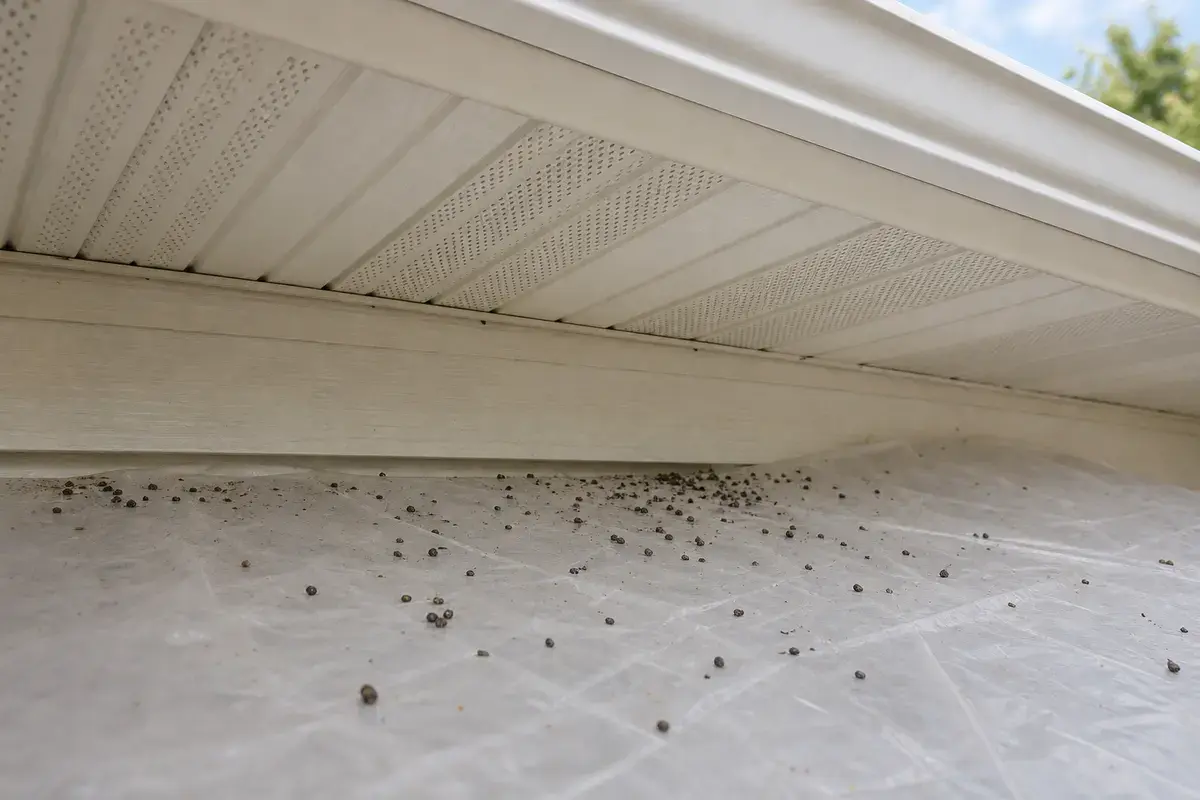
Small pile directly below one soffit vent

Dark crumbly pellets on the ground, window ledge, or siding below a single vent or gap.

Start here: Check whether the vent cover is loose, bent, or open at one edge before assuming the whole attic has a bat problem.

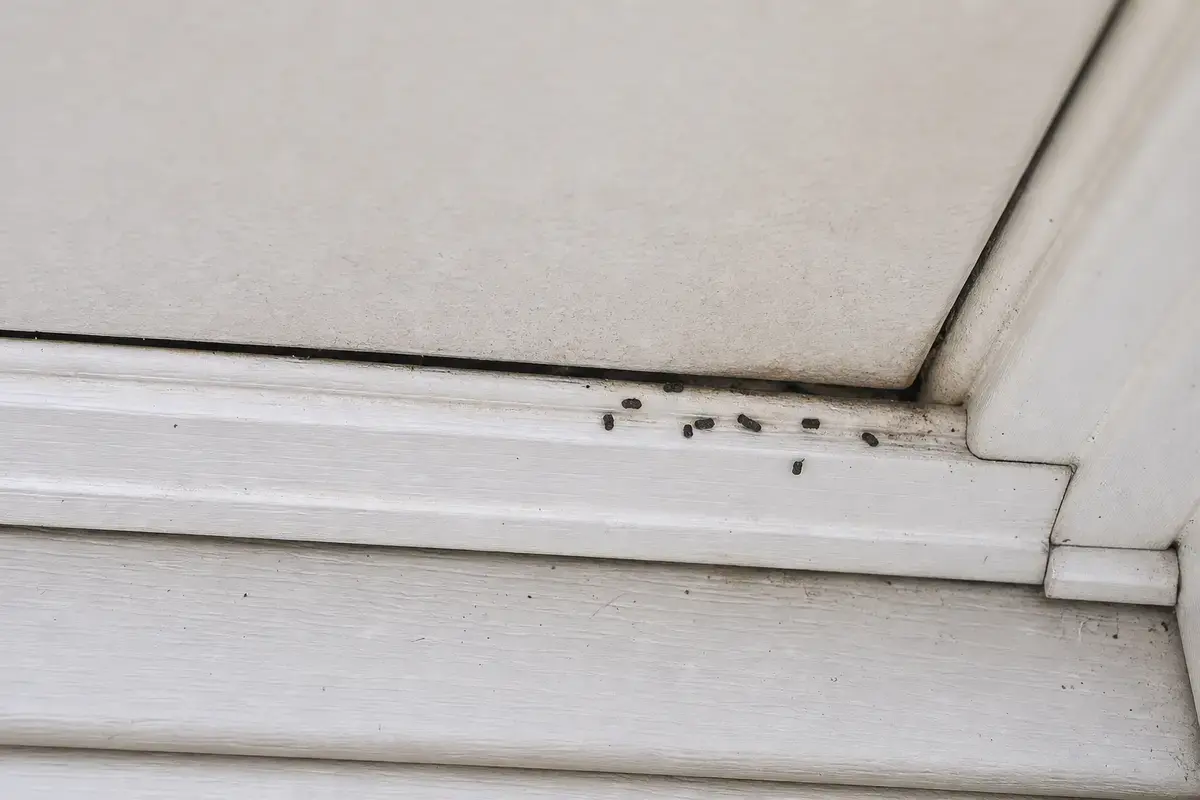
Droppings and brown staining at the vent itself

Pellets stuck on the vent, oily smudges, or staining around the opening.

Start here: Treat that as a likely active entry point and look for fresh buildup rather than cleaning first.

Strong odor with heavier contamination

A sharp animal smell, larger piles, or guano visible inside the soffit or attic edge.

Start here: Stop short of disturbing it. Heavier deposits raise the cleanup risk and usually need exclusion plus remediation, not just a quick wipe-down.

Looks like guano but may be something else

Dark spotting, damp staining, or fuzzy growth near the soffit with little or no pellet pile below.

Start here: Rule out roof leakage, mold, or condensation first, especially if the material is wet, smeary, or spread over a wide area.

Most likely causes

1. Active bat entry at a soffit gap or vent opening

Fresh pellets, repeat buildup, staining, and dusk activity point to bats using that exact spot as an entry or roost edge.

Quick check: At dusk, watch from outside for 20 to 30 minutes and see whether bats slip out from one vent, seam, or corner.

2. Old guano from a past bat issue

Dry, weathered pellets with no new droppings, no odor, and no evening activity often mean the animals are gone but the mess was never cleaned.

Quick check: Clean a small test area, then recheck the same spot over the next few evenings for fresh pellets.

3. Loose or damaged soffit vent cover

A bent screen, missing fastener, or gap at the vent edge gives bats an easy entry path and explains why contamination is concentrated at one opening.

Quick check: Use a flashlight to inspect for lifted corners, torn mesh, or a gap large enough for a finger.

4. Roof leak, mold, or condensation mistaken for guano

Wet staining, fuzzy growth, or broad dark patches without distinct pellets usually come from moisture, not animals.

Quick check: Look for actual pellet-shaped droppings that crumble into shiny insect bits when dry; if the material is wet or smeared, treat it as a different problem.

Step-by-step fix

Step 1: Confirm whether this is really guano and whether it’s active

You need to separate active bat use from old residue and from moisture lookalikes before you clean or seal anything.

  1. Look from the ground first for pellet-shaped droppings below the soffit, on trim, or on a nearby window ledge.
  2. Check the suspect area in daylight with a flashlight for staining, stuck pellets, or a visible gap at the vent or soffit seam.
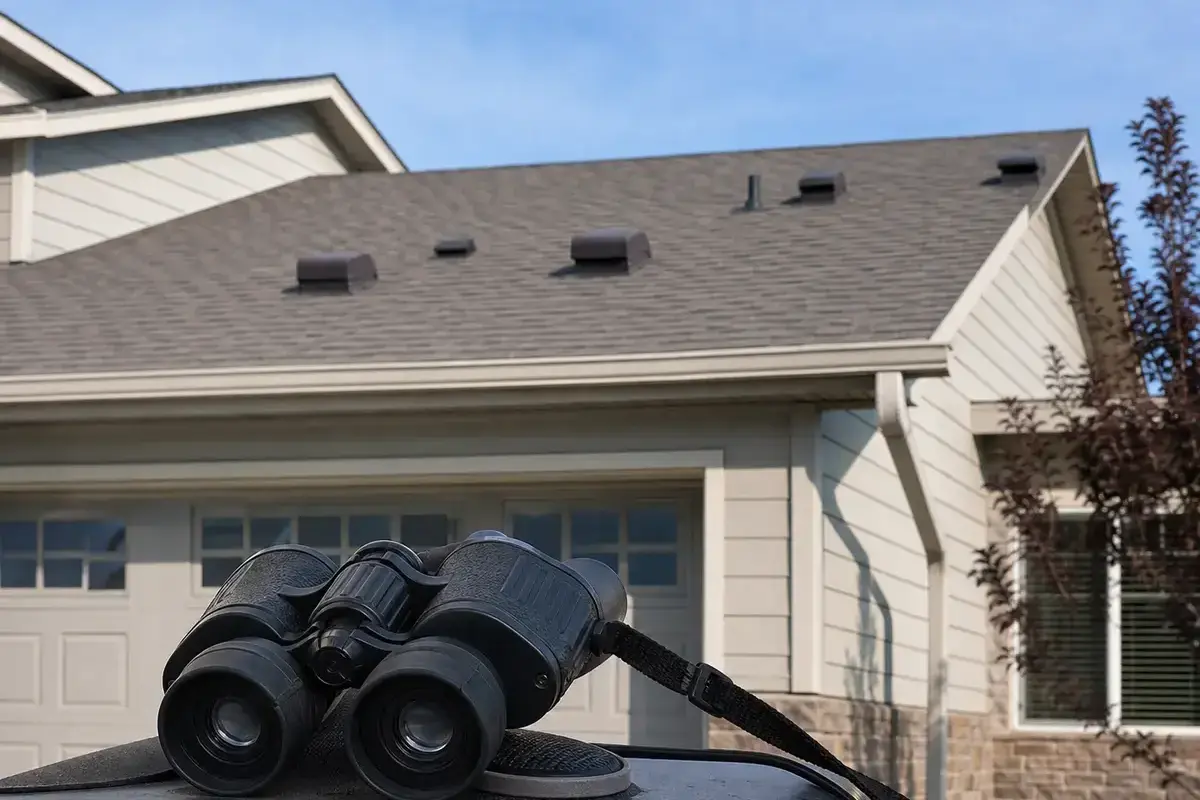
  3. If it can be done from the ground safely, watch the area at dusk for 20 to 30 minutes to see whether bats exit from one exact spot.
  4. If the material is wet, fuzzy, or spread like a stain instead of pellets, stop treating it as guano and inspect for roof leak or condensation signs instead.

Next move: You narrow this down to active bat use, old contamination, or a moisture problem before disturbing anything. If you cannot safely see the area well enough to tell, don’t guess from the ground debris alone.

What to conclude: Fresh pellets and dusk activity point to an active entry. Dry residue with no new buildup suggests an old issue. Wet or fuzzy material points away from bats.

Stop if:
  • You would need to climb onto a steep roof or unstable ladder to inspect it.
  • You see live bats hanging in the opening or hear movement inside the soffit.
  • The material is heavy, widespread, or directly above living space air leaks.

Step 2: Limit exposure before any cleanup

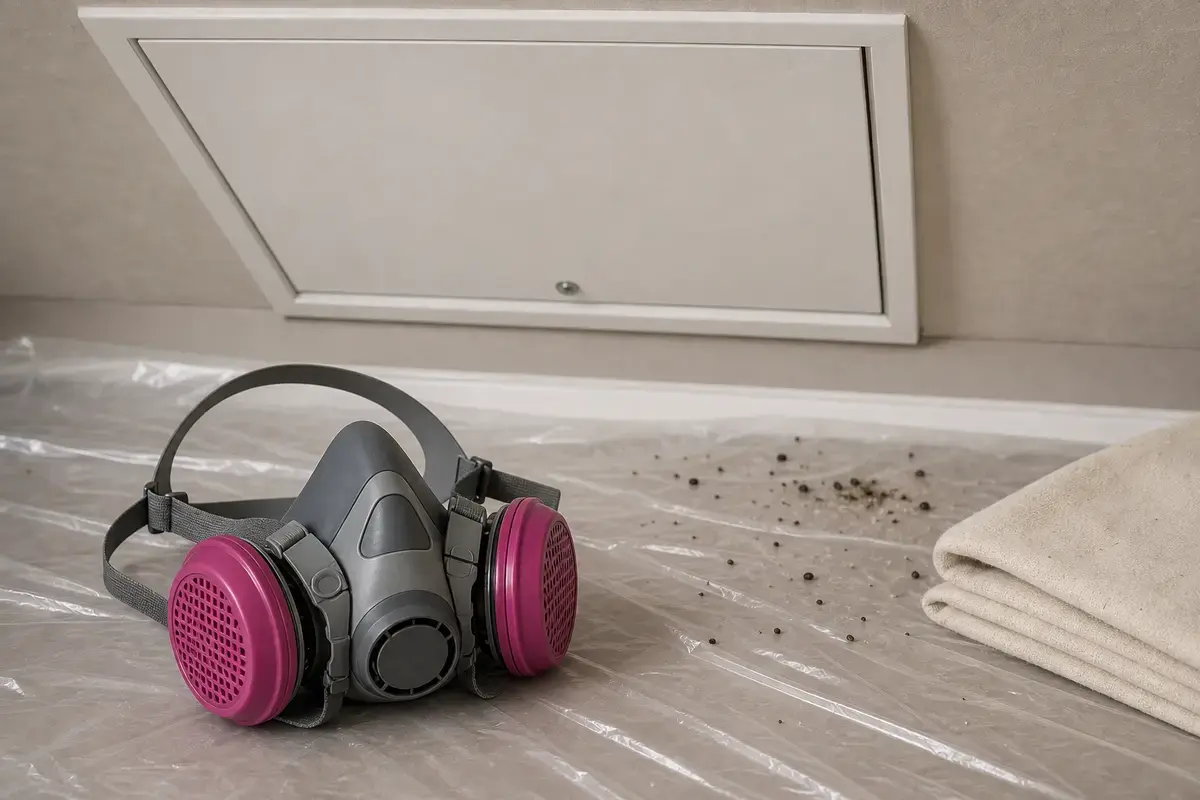
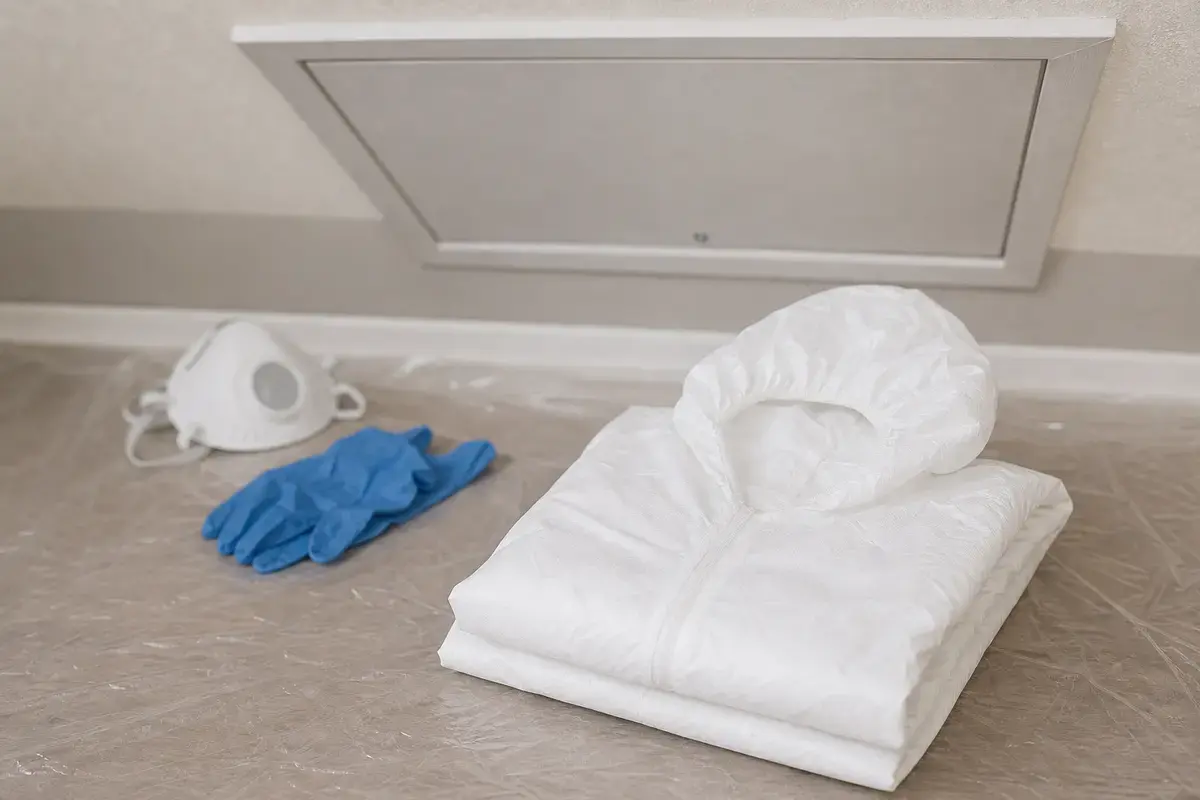
Dry guano should not be swept around casually. The goal is to avoid stirring up dust while you decide whether this is a small cleanup or a pro-level contamination job.

  1. Keep kids and pets away from the area below the soffit until cleanup is finished.
  2. Do not dry sweep, leaf-blow, or shop-vac loose droppings.
  3. If you have only a small outdoor deposit and no active bat use, lightly mist the droppings with plain water to keep dust down before pickup.
  4. Bag the waste carefully and wipe the immediate hard surface with warm water and mild soap if the finish allows it.

Next move: You reduce dust and keep a small cleanup from becoming a bigger contamination problem. If the deposit is large, inside enclosed soffit cavities, or falling into attic insulation, this is beyond a simple homeowner cleanup.

What to conclude: Small, localized outdoor residue can sometimes be handled carefully. Larger or enclosed contamination needs exclusion and remediation planning first.

Step 3: Find the actual entry point at the soffit

Cleanup will not hold if the opening is still there. On this kind of call, the source is usually one bad vent cover, one loose panel edge, or one corner gap.

  1. Inspect the soffit vent cover and surrounding seams for lifted edges, torn screen, missing fasteners, or warped material.
  2. Look for brown rub marks or staining at the edge of the opening, which often shows the path bats are using.
  3. Check nearby soffit sections too, because bats may enter one bay and leave droppings at the next opening over.
  4. Mark the suspect opening so you can recheck it after dusk or after a few dry days.

Next move: You identify the exact opening that needs repair after exclusion or after confirming the bats are gone. If you find several gaps, widespread damage, or no clear opening, the soffit may need a broader inspection by wildlife exclusion or roofing help.

Step 4: Clean the residue only after the spot is inactive or professionally excluded

This is where homeowners get into trouble by cleaning first and sealing second. Once the bats are out and the area is inactive, you can finish the cleanup and repair work without recontamination.

  1. Recheck for fresh pellets after a few evenings or after exclusion work. No new droppings is the green light.
  2. For a small outdoor deposit, lightly mist, pick up the material, bag it, and wipe the surrounding hard surface with warm water and mild soap.
  3. Avoid harsh chemicals, bleach mixing, or pressure washing into the soffit cavity.
  4. If staining remains on painted trim or siding, clean gently without forcing water into vent openings or seams.

Next move: The visible contamination is removed and you can move on to repairing the vent opening or gap. If odor, staining, or debris continues to come from inside the soffit, there is likely contamination deeper in the cavity that needs more than surface cleanup.

Step 5: Repair the soffit opening so it stays closed

Once the area is inactive and cleaned, the lasting fix is to restore the soffit vent path without leaving a bat-sized gap.

  1. Replace a torn or bent soffit vent cover if that is the confirmed opening.
  2. Refasten or replace a loose soffit vent cover that has pulled away from the panel.
  3. If the opening is at the panel edge rather than the vent itself, repair the soffit section so the vent area sits tight again.
  4. After the repair, check from below for full attachment, no lifted corners, and no visible side gaps at the vent or panel edge.

A good result: You close the entry point and stop repeat contamination at that soffit location.

If not: If the opening cannot be repaired cleanly, or bats return to a nearby bay, bring in wildlife exclusion or exterior repair help for a wider soffit-edge fix.

What to conclude: A damaged vent cover is a repairable local failure. Repeat activity after a local repair usually means there are additional openings nearby.

Replacement Parts

Repair Riot may earn a commission from qualifying purchases, at no extra cost to you.

FAQ

Can I just hose off bat guano from the soffit?

Not as a first move. Hosing can drive contamination into the soffit cavity, spread residue down siding, and make a small cleanup messier. For a light outdoor deposit, a light mist to control dust, careful pickup, and gentle washing of the finished surface is the better approach.

How do I tell bat guano from mouse droppings at a soffit?

Bat guano is often found directly below an entry point and tends to crumble easily when dry, sometimes showing shiny insect bits. Mouse droppings are usually more scattered along travel paths. At a soffit, repeated buildup under one vent or seam strongly points to bats.

Should I seal the soffit hole as soon as I find it?

Not if bats may still be using it. Sealing too early can trap animals inside the soffit or attic edge. Confirm the spot is inactive or have exclusion handled first, then repair the opening.

When is this too much for DIY cleanup?

If the deposit is heavy, inside enclosed cavities, spread into insulation, or producing strong odor, it is no longer a simple wipe-and-repair job. That usually needs wildlife exclusion plus contamination cleanup beyond what most homeowners should disturb.

Why did guano show up at only one soffit vent?

Because bats usually use one easy opening, not every vent. A single loose cover, bent screen, or open seam can become the preferred entry while the rest of the soffit line looks fine.

Do I need to replace the whole soffit?

Usually not. If the problem is one damaged vent cover or one local gap, a local repair is often enough after the bat issue is inactive. Whole-soffit replacement is more likely when there is widespread rot, multiple openings, or badly failed panels.