Dust line around the hatch?
Warm house air is likely leaking into the attic at the perimeter.
Condensation on the ceiling around an attic hatch usually means warm humid house air is leaking through the hatch perimeter or a cold hatch panel. Confirm it follows cold weather, then check the hatch gap, latch compression, insulation, and attic-side frost before repainting the ceiling.
The common cause is a hatch that does not close flat or lacks a continuous seal. A cold, uninsulated panel can add condensation even when the perimeter gap is partly sealed.
A ceiling stain around the hatch is often the symptom below the real problem: warm air moving through a weak access door into a cold attic.
Don’t start with: Do not repaint the stain, stuff loose insulation over the hatch, or add a cover before the hatch closes flat. The air leak has to be corrected first.
Warm house air is likely leaking into the attic at the perimeter.
Check warping, latch pull, stop height, and weatherstripping compression before adding more foam.
Treat hatch air leakage and a cold panel as the likely moisture path.
Pause hatch repairs and trace roof or plumbing leak clues first.
Document the area and stop homeowner cleanup until the moisture source is corrected.
Compare the ceiling stain, hatch perimeter gap, and insulation cover need before choosing supplies.
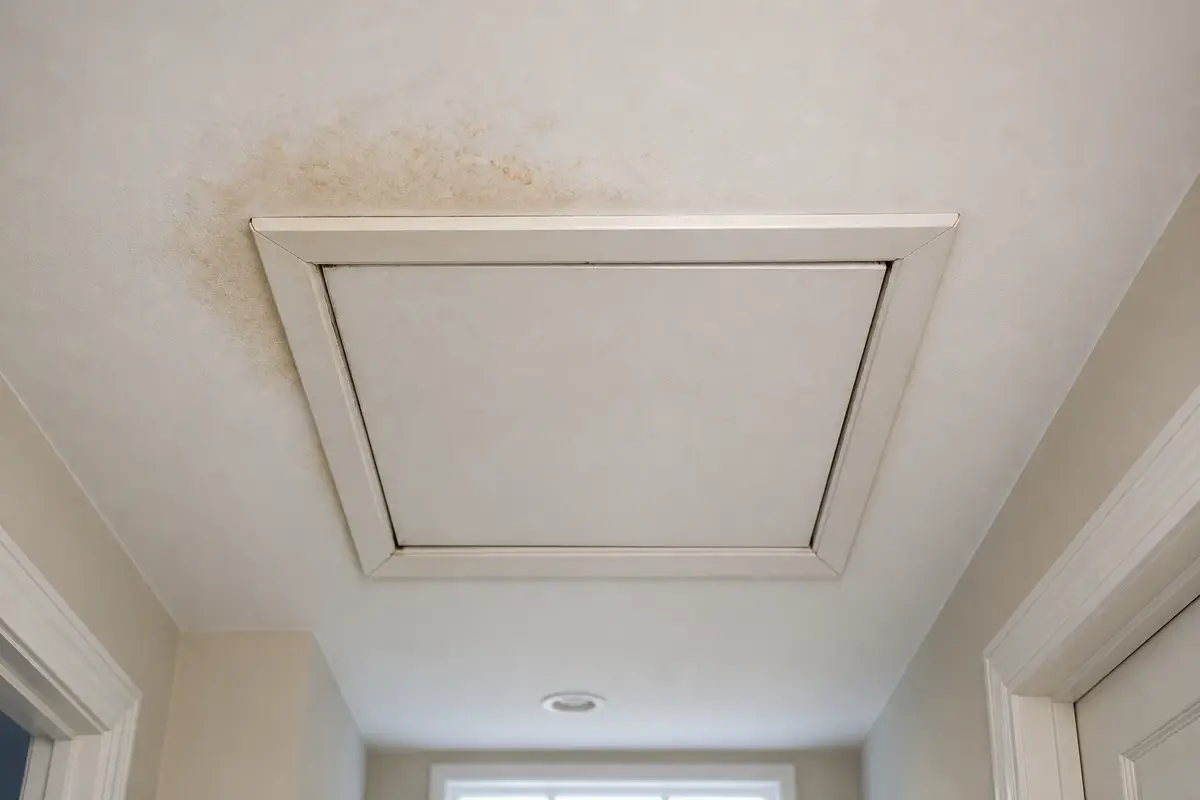
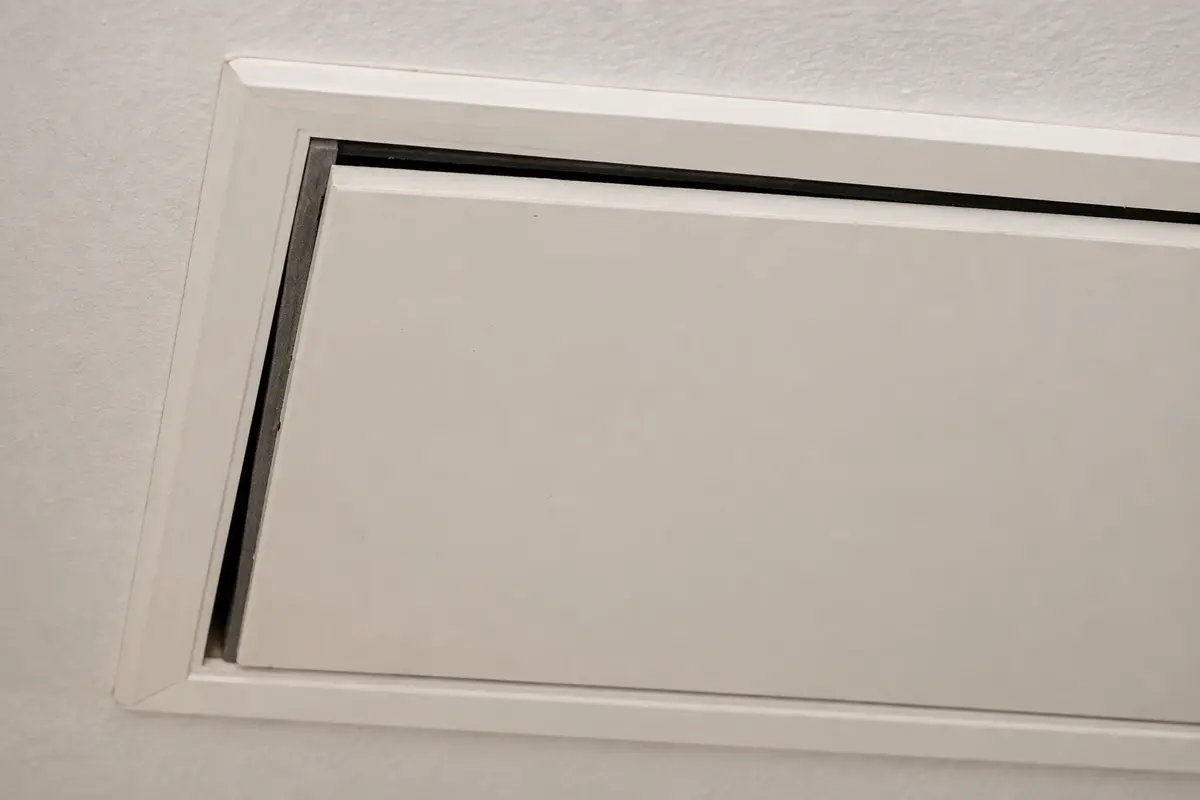
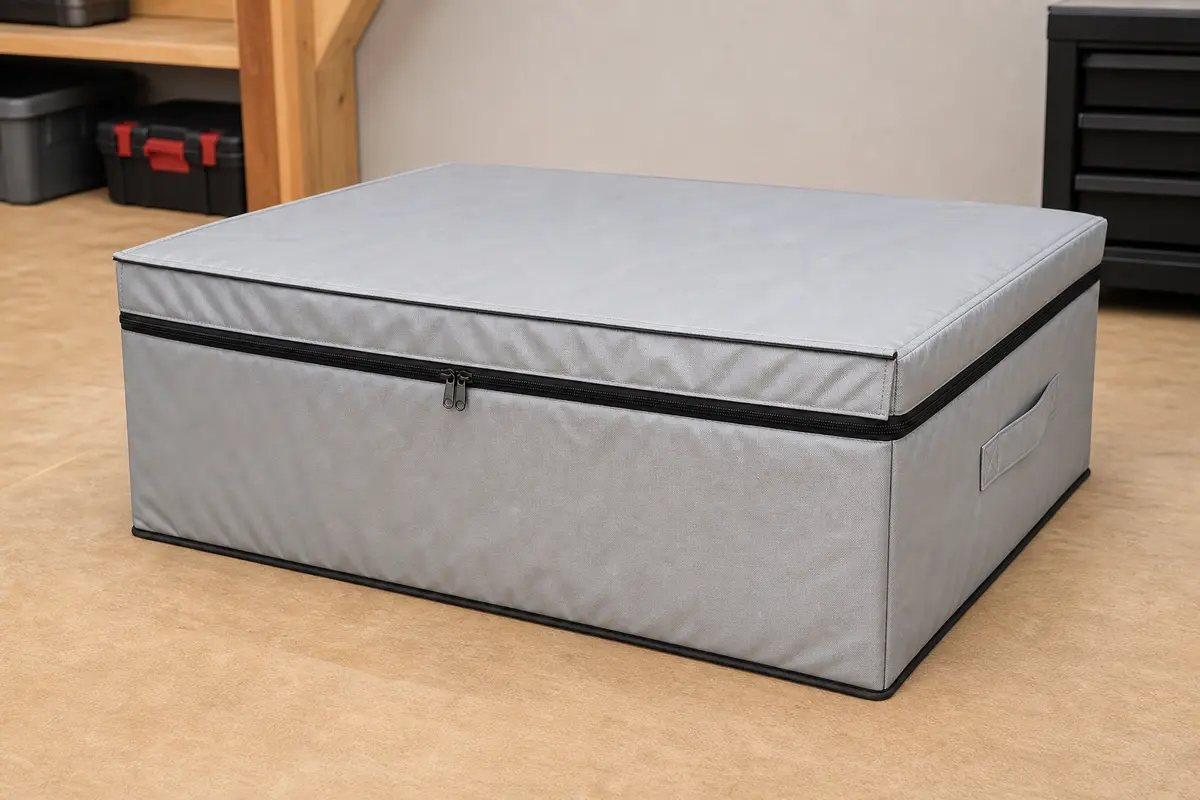
Match the exact hatch diagnosis, opening size, panel thickness, and closure gap before buying anything. Weatherstripping needs an even compression gap, an insulation cover needs a sealed perimeter first, and a latch only helps when the panel and frame are sound enough to pull flat.
An attic hatch is a door in the ceiling plane. A small gap can move a lot of warm humid air into a cold attic.
A hatch fix has to seal air, compress evenly, and stay usable for service access.
Use the gap pattern and timing before choosing weatherstripping, a latch, an insulation cover, or carpentry.
| What you see | Likely meaning | Next move |
|---|---|---|
| Cold-weather ring around hatch | Warm air leakage at perimeter | Check seal continuity and latch compression. |
| Dark dust line on one edge | Air is moving through that gap | Adjust panel fit and replace uneven weatherstripping. |
| Condensation on panel face | Panel is cold or uninsulated | Seal perimeter first, then add a compatible insulation cover. |
| Stain grows after rain | Roof or plumbing leak possible | Trace above before treating it as hatch condensation. |
| Panel rocks or drops open | Latch or frame problem | Correct mechanical fit before adding foam. |
A hatch cover works best after the panel closes flat and the perimeter seal is continuous.
Use these supplies only when the hatch clue names them: perimeter gap, cold panel, or weak compression.
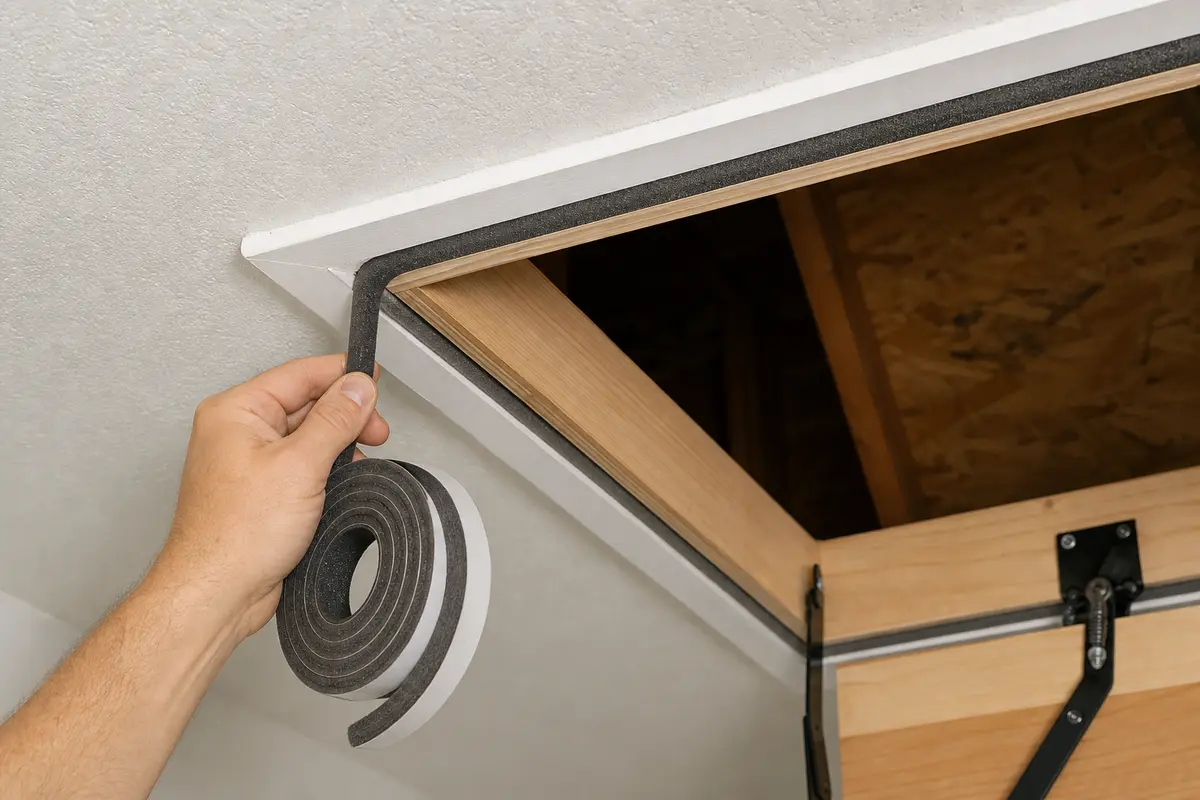
Helps when: Use when a visible hatch perimeter gap or dust line shows warm house air feeding ceiling condensation.
Skip it when: Skip if the hatch is warped, the frame is out of square, or rain timing points to a roof leak instead.
Compare attic hatch weatherstripping on AmazonHelps when: Use when the hatch perimeter seals but the panel itself stays cold enough to sweat or chill the ceiling edge.
Skip it when: Skip if the hatch still leaks air around the perimeter or the access opening needs carpentry before insulation.
Compare attic hatch insulation covers on Amazon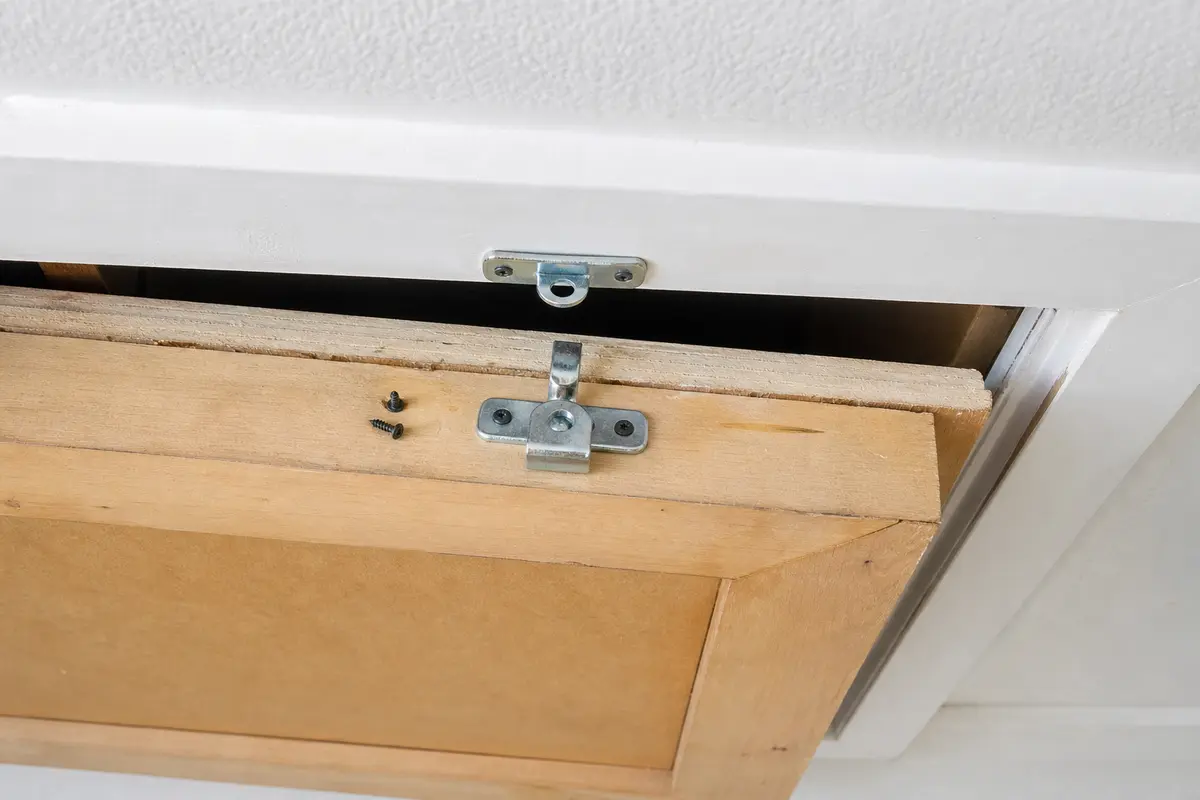
Helps when: Use when the hatch has good gasketing but needs even pull-down pressure to stay closed flat.
Skip it when: Skip if the panel is warped, the frame is damaged, or the latch would block safe emergency access.
Compare attic hatch latches on AmazonAs an Amazon Associate I earn from qualifying purchases. Repair Riot may earn a commission at no extra cost to you.
Use these for safe inspection and light adjustment. They do not solve an unsafe access opening or structural frame problem.
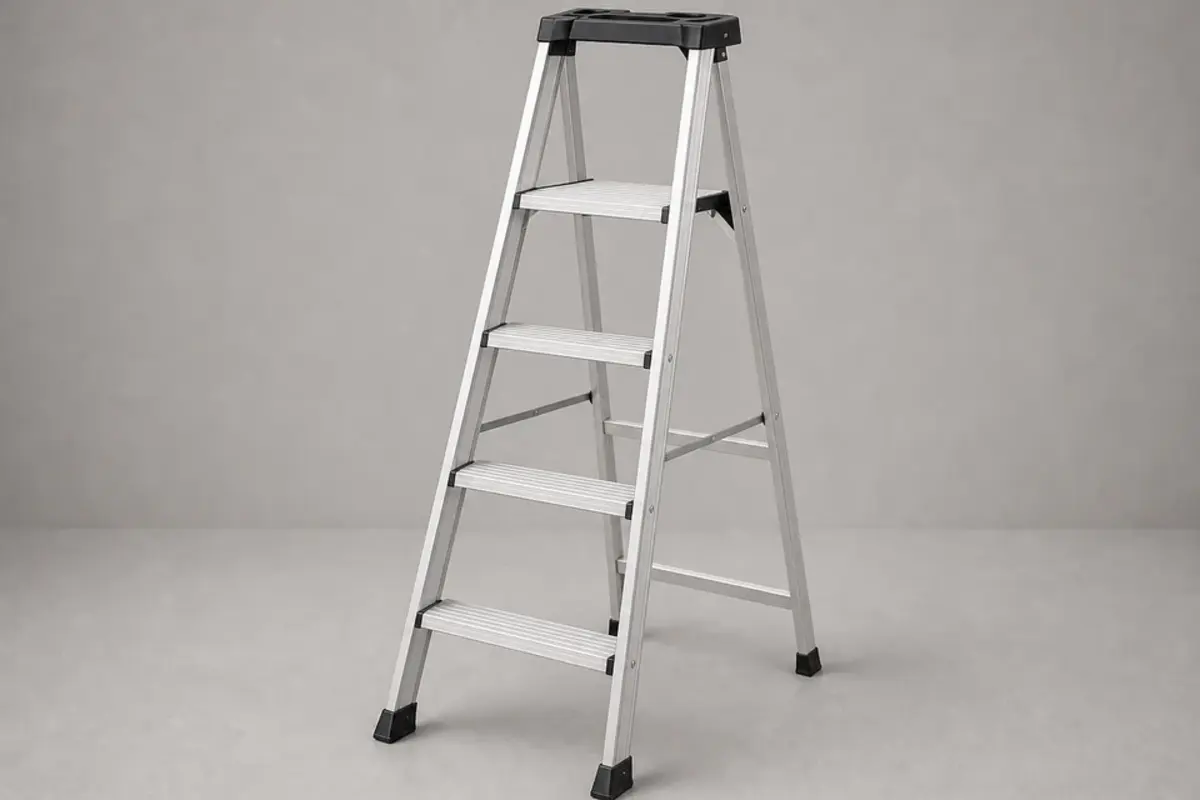
Helps when: Use to inspect the ceiling stain and hatch perimeter from below without standing on furniture.
Skip it when: Skip if the ladder cannot sit level, the floor is wet, or the hatch is above a stairwell or unsafe landing.
Compare step ladders on Amazon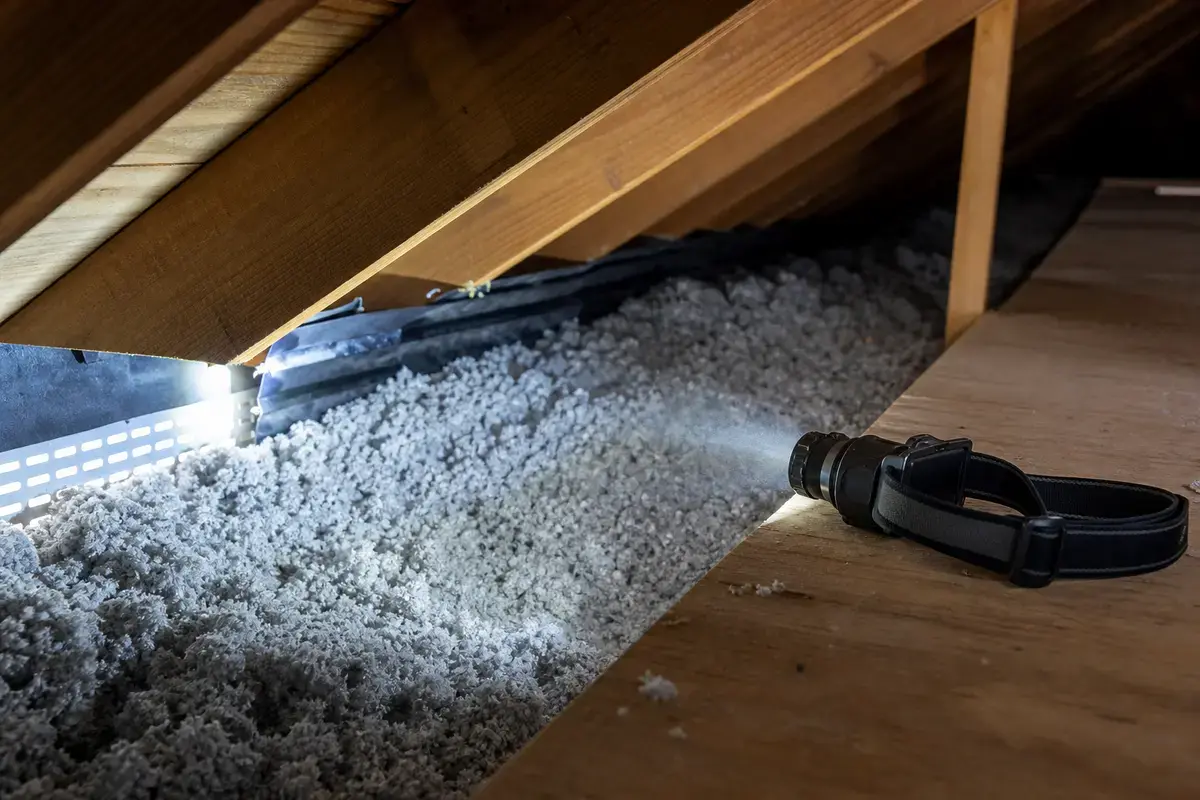
Helps when: Use from the attic side to see frost, dust lines, wet insulation, and hatch frame gaps while keeping hands free.
Skip it when: Skip attic entry if access, wiring, insulation contamination, or heat makes the inspection unsafe.
Compare headlamps on Amazon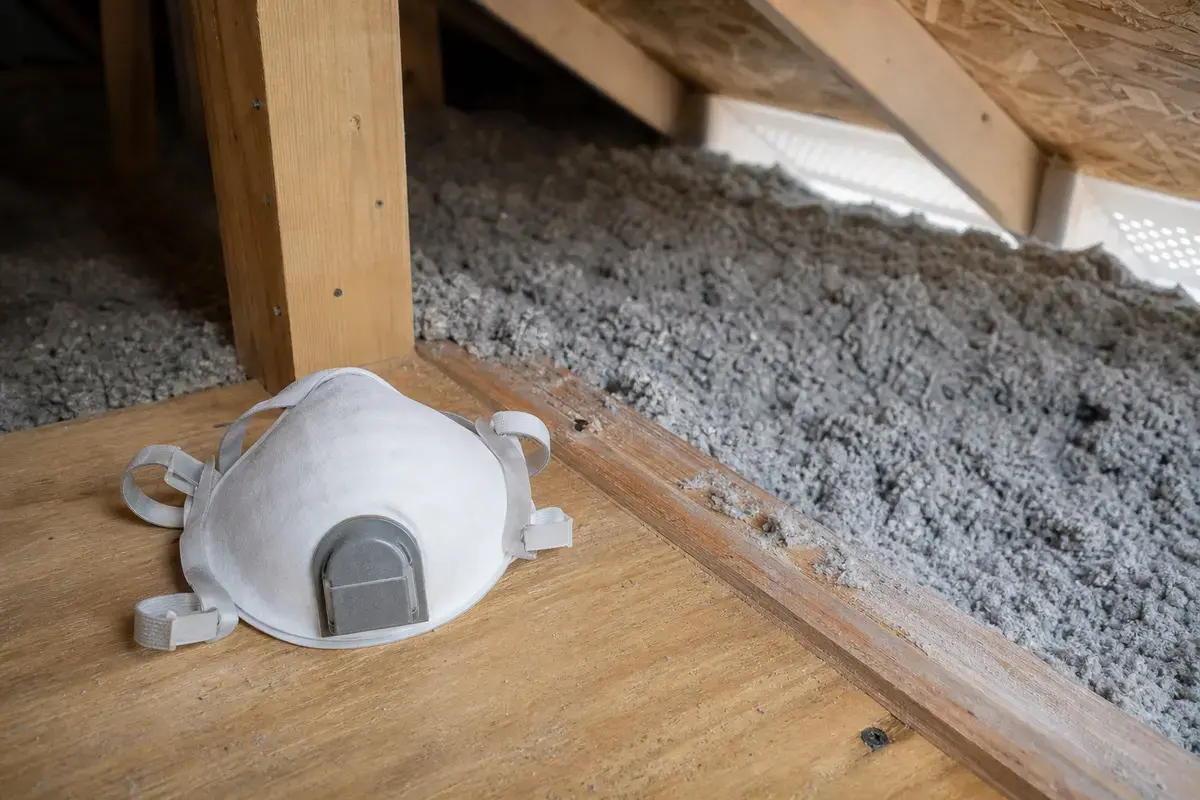
Helps when: Use when checking dusty insulation or the attic side of the hatch frame.
Skip it when: Call a pro for heavy mold, animal contamination, soaked insulation, wet wiring, or unsafe attic access.
Compare dust masks on AmazonAs an Amazon Associate I earn from qualifying purchases. Repair Riot may earn a commission at no extra cost to you.
Warm humid house air is likely leaking through the hatch or cooling against an uninsulated panel. The hatch is part of the ceiling air barrier.
Cold-weather timing, a ring around the hatch, and dust lines at the frame point to condensation. Rain timing or a track from above points to a leak.
Weatherstripping helps only if the panel closes flat enough to compress the seal on all sides.
A cover helps when the hatch panel is cold, but it should come after the perimeter air leak is sealed.
Loose insulation can fall, block access, and miss air leaks. Use a hatch cover or panel insulation that preserves safe access.
Replace or adjust it when the panel is sound but cannot pull evenly against the seal.
Call for wet wiring, active leaks, soft drywall, heavy mold, a warped opening, or staining that keeps growing after hatch repairs.
After the hatch stays dry through similar weather and the ceiling material is dry.
Repair Riot built this page around homeowner-visible hatch clues: perimeter dust lines, ceiling staining, panel gaps, latch compression, cold panel surfaces, attic-side frost, and stop points before cleanup or carpentry.