Boiler air in radiators
If boiler air is trapped in radiators, bleed the worst radiator carefully, then check pressure and recurring air clues before opening boiler parts.
Match boiler symptoms like no heat, pressure issues, leaks, breaker trips, noises, or cold radiators to the safest next check.
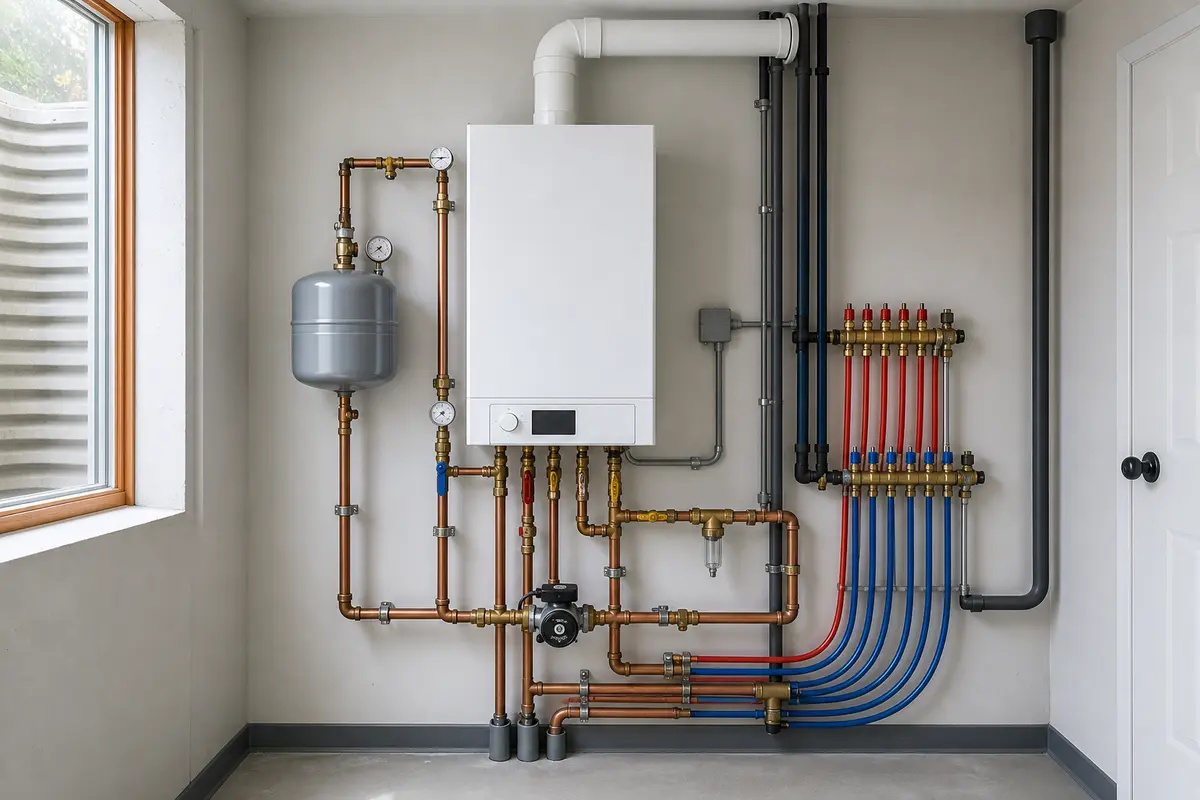
If boiler air is trapped in radiators, bleed the worst radiator carefully, then check pressure and recurring air clues before opening boiler parts.
If a boiler bangs when heating, separate pipe expansion from trapped air, low pressure, poor circulation, or unsafe overheating before resetting or buying parts.
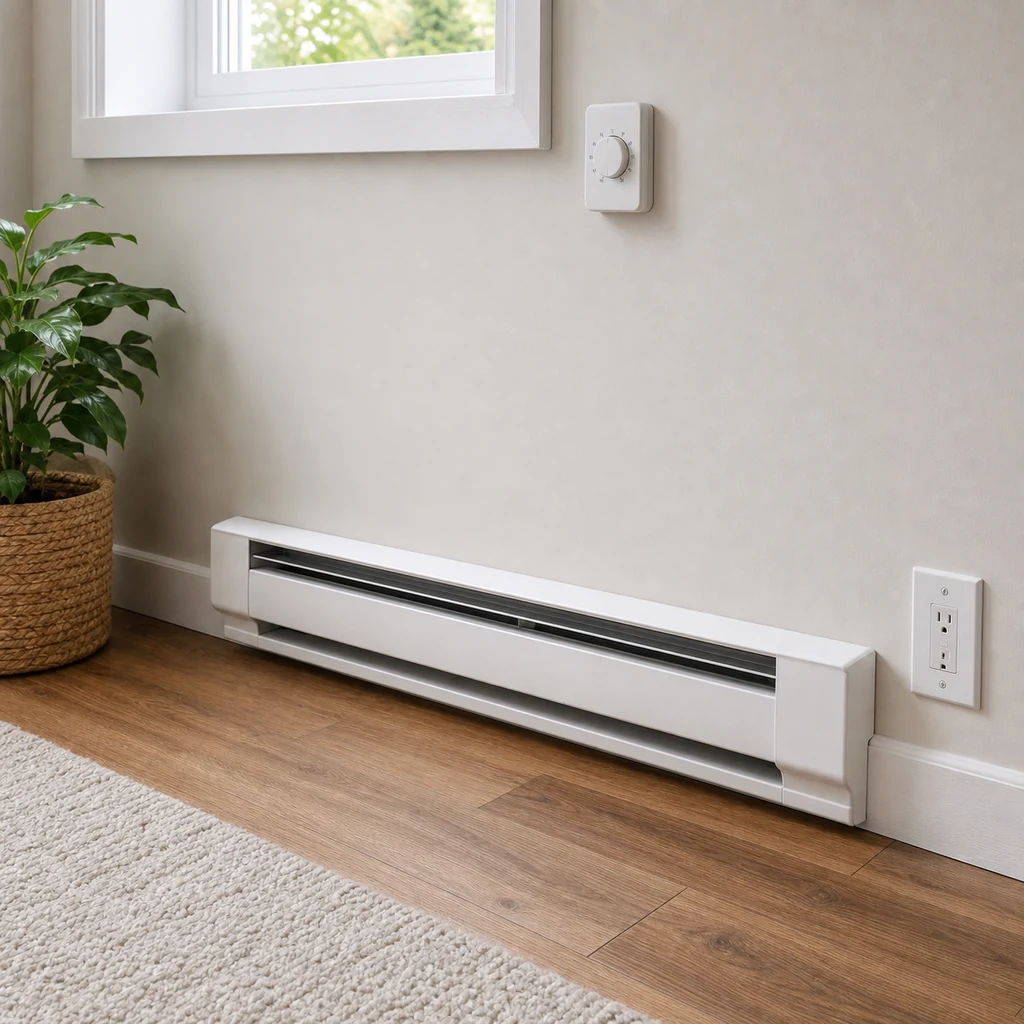
If boiler baseboards are cold in one zone, check the thermostat call, zone valve, air, and supply-return pipe temperatures before blaming the boiler.
If a boiler breaker trips on startup, stop repeated resets and check for water, pump drag, service switch clues, and fault timing before calling for service.
If a boiler burner lights then shuts off, record the timing and check thermostat call, venting, condensate, flame-proving, and circulation clues before replacing parts.
If a boiler drips after pressure rises, check whether the relief valve is opening, pressure climbs as it heats, or the expansion tank or fill valve needs service.
A waterlogged boiler expansion tank often shows up as pressure rising during heat calls, relief-valve discharge, or repeated dripping after the boiler gets hot.
If boiler heat is slow to recover, separate thermostat setback, low pressure, trapped air, weak circulation, and boiler service issues before changing parts.
If boiler heat works downstairs only, separate upstairs thermostat, zone valve, trapped air, low pressure, and circulation problems before bleeding or buying controls.
If a boiler hisses when heating, separate normal air venting from relief-valve discharge, trapped air, steam, scale, or combustion safety concerns before touching parts.
A boiler kettling noise usually means water is overheating locally from poor flow, trapped air, scale, sludge, or pressure trouble. Check safe clues before resetting.
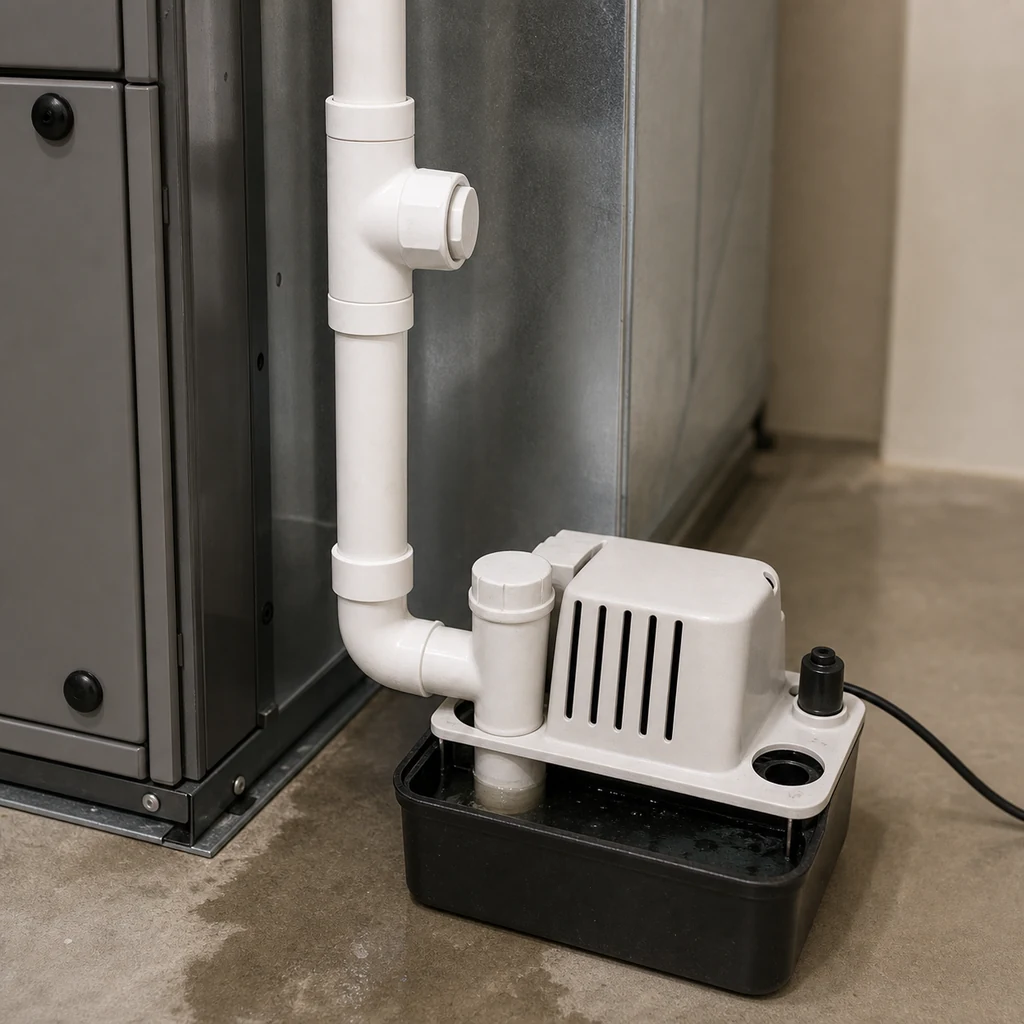
If your boiler is leaking water, trace the first wet point, separate relief discharge from fitting leaks, and know when to shut the boiler down.
If a boiler leaks after heating, compare cold and hot pressure, check the relief discharge pipe, and look for fittings that only wet during a heat call.
A boiler that leaks only when hot often points to pressure rise, relief discharge, heat-opened fittings, or boiler-body leakage. Track the exact first wet point.
If a boiler locked out after a power outage, check safe power, thermostat call, pressure, condensate, and fault display clues before repeated resets.
If your boiler keeps losing pressure, check the cold gauge, visible leaks, relief discharge, and expansion-tank clues before topping it up again.
If your boiler has no hot water, separate whole-boiler shutdown from hot-water-only failure, then check power, pressure, demand, and lockout clues.
Boiler not heating? Check thermostat call, service switch, breaker, pressure, and circulation clues before resetting again or buying parts.
If your boiler runs but never reaches temperature, check thermostat call, pressure, air, zone flow, and burner stop clues before replacing parts.
Troubleshoot a boiler that is not working by sorting no power, no heat, low pressure, thermostat demand, and lockout clues before buying parts.
Boiler overheating? Stop for relief discharge or lockout, then check pressure, thermostat call, flow clues, and circulator symptoms before parts.
Boiler pilot light out? Check gas smell, carbon monoxide safety, draft, pilot flame, and thermocouple clues before relighting or replacing parts.
Boiler pipes gurgle? Separate trapped air from low pressure, poor flow, and banging noises before bleeding radiators or adding water.
Boiler pressure relief valve leaking? Confirm the relief outlet, watch pressure hot and cold, and check expansion clues before replacing the valve.