Air conditioner condensation on vents
Find out why AC vents sweat or drip. Check humidity, airflow, insulation, and loose registers first, then decide whether it is a simple vent fix or a larger HVAC problem.
Find the airflow, register, duct, odor, condensation, or noise symptom before replacing vents or chasing the wrong HVAC issue.
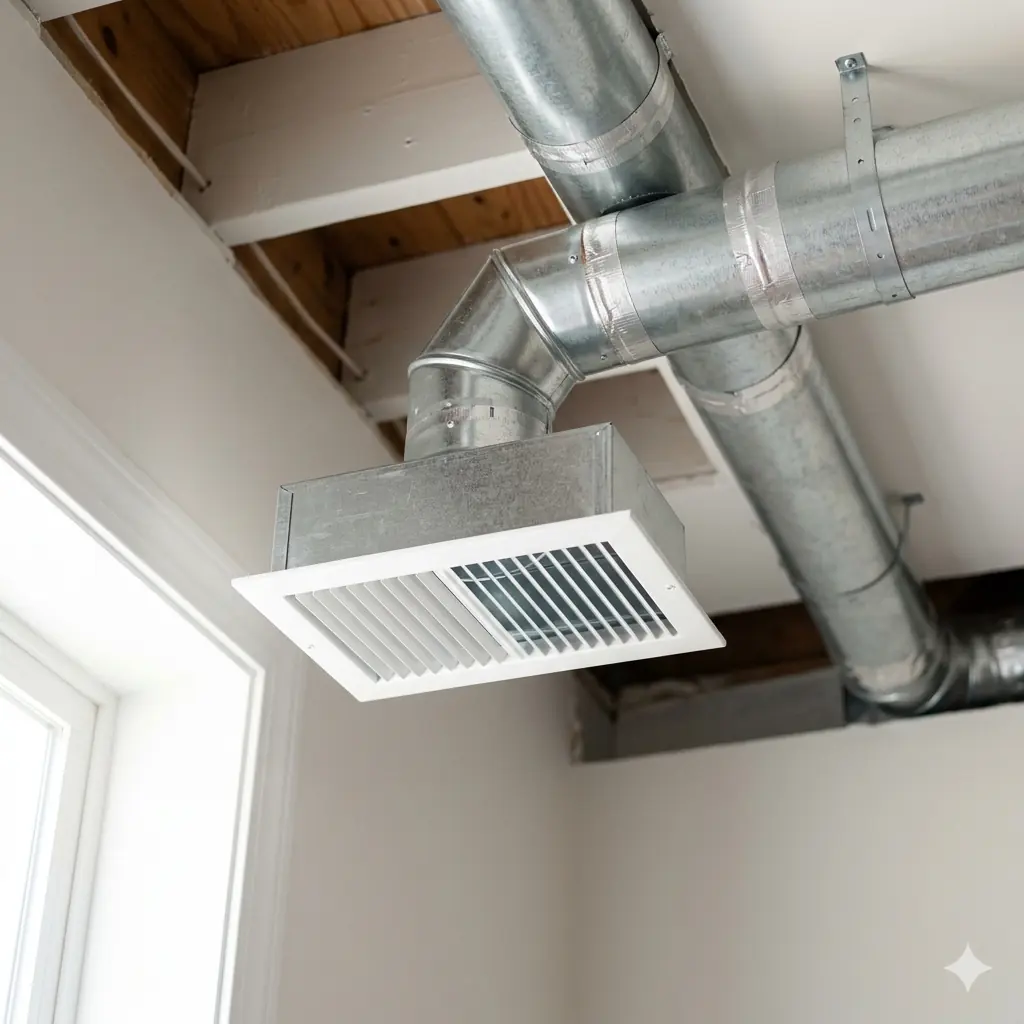
Find out why AC vents sweat or drip. Check humidity, airflow, insulation, and loose registers first, then decide whether it is a simple vent fix or a larger HVAC problem.
Figure out why your air conditioner cools one floor but not the other. Check thermostat settings, filters, dampers, registers, and duct issues before calling for service.
Air conditioner drips at supply register? Check condensation, humid room air, filter airflow, boot insulation, and drain clues before replacing the grille.
Find out why your AC has low airflow from vents by checking the filter, registers, return airflow, and duct issues before assuming a major system failure.
Find out why your air conditioner has weak airflow by checking the filter, vents, dampers, returns, and accessible duct issues before calling for blower or duct service.
Track down a burning smell from HVAC vents safely. Start with dust burnoff and filter checks, then separate electrical, belt, and overheating signs before calling for service.
Track down a moldy or musty smell from vents by separating dirty vent covers, damp ducts, standing condensate, and whole-system odor problems before replacing anything.
Find out why black dust is collecting around a vent or register. Start with soot-like ghosting, filter and airflow checks, then confirm whether the fix is cleaning, sealing, or replacing the vent grille.
Find out why a ceiling HVAC register is dripping water. Start with condensation clues, airflow checks, and safe next steps before opening ceilings or replacing parts.
Find out why a ceiling register is sweating or dripping. Start with airflow, humidity, and insulation checks before replacing the register or grille.
Find out why HVAC ducts are sweating and what to check first, from high indoor humidity and missing insulation to low airflow and overcooling.
Find out why HVAC vents sweat or drip, starting with humidity, airflow, and insulation checks before replacing any vent parts.
Track down a dirty smell coming from an AC register by separating dust, musty moisture, dead-pest, and system odor clues before replacing anything.
Figure out why downstairs vents have weak airflow. Start with registers, dampers, filter, and obvious duct issues before assuming the HVAC system needs major repair.
Track down whether the banging is sheet metal popping, a loose register, high static pressure, or a failing HVAC component. Start with safe checks before calling for service.
Find out why dust is blowing from vents, starting with simple register and filter checks before moving to duct leaks, dirty ducts, or damaged vent parts.
Track down a dusty smell from HVAC vents by checking the filter, registers, return grilles, and whether the odor is really dust, mustiness, or an electrical smell. Know when a simple vent fix helps and when to call for service.
Low airflow from furnace vents is usually caused by a dirty filter, closed registers, a weak blower, or a duct restriction. Check the easy airflow blockers first, then narrow down whether the problem is house-wide or just one branch.
If your furnace heats downstairs only, start with registers, dampers, filter, and airflow checks before blaming the furnace. Find the likely cause and the right next step.
If the furnace heats downstairs but not upstairs, start with thermostat settings, filter and vent checks, then look for a closed damper, disconnected duct, or a failed upstairs zone damper.
Find out why furnace registers squeal by checking airflow, loose register parts, and localized vent issues before calling for duct or furnace service.
Find out why a heat pump is sweating or dripping at supply registers. Start with airflow, humidity, and insulation checks before replacing a vent or register damper.
Figure out why your vents smell like hot attic air. Check for duct leaks, return-side gaps, dirty filters, and overheated components before replacing anything.
Track down a chemical smell coming from HVAC vents by separating new-material odors from overheating, electrical, and contamination problems, and know when to stop and call a pro.