Rumble inside boiler body?
Poor flow, air, scale, or sludge becomes likely.
A boiler kettling noise usually means water is getting too hot in one spot because flow is poor, air is trapped, or scale/sludge is restricting heat transfer. First watch pressure, note whether pipes heat unevenly, and stop if the boiler overheats, leaks, or locks out.
A rumble from the boiler body with quick temperature rise is a stronger clue than light pipe ticking. Good clues are gurgling, low pressure, rapid cycling, and hot supply piping with weak return flow.
The useful split is pipe expansion noise versus a boiler-body rumble tied to pressure, air, or circulation.
Don’t start with: Do not keep resetting the boiler, drain it by guess, or add chemical cleaner without a real diagnosis.
Poor flow, air, scale, or sludge becomes likely.
Expansion noise is a different branch.
Air or low pressure moves up.
Circulation or limit service is likely.
Stop and treat as pressure safety.
Kettling is a boiler-side noise, but pressure, air, and circulation clues decide what service path makes sense.
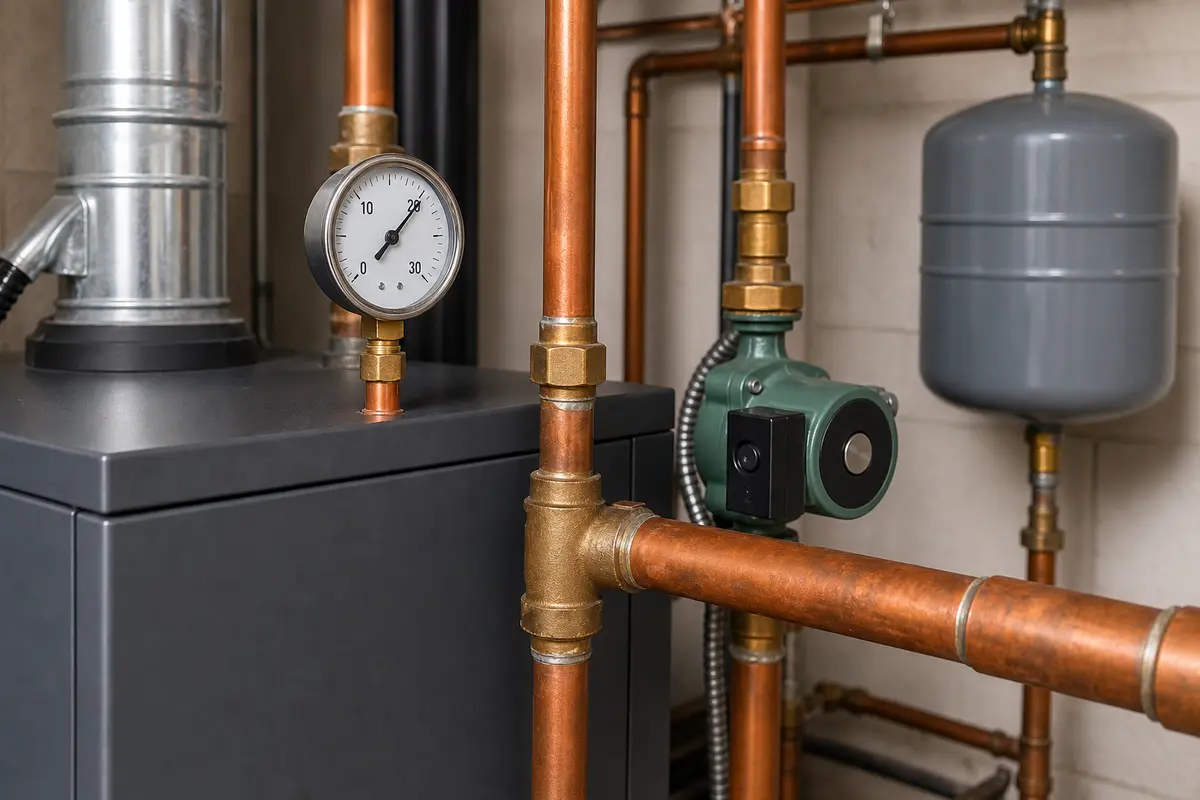
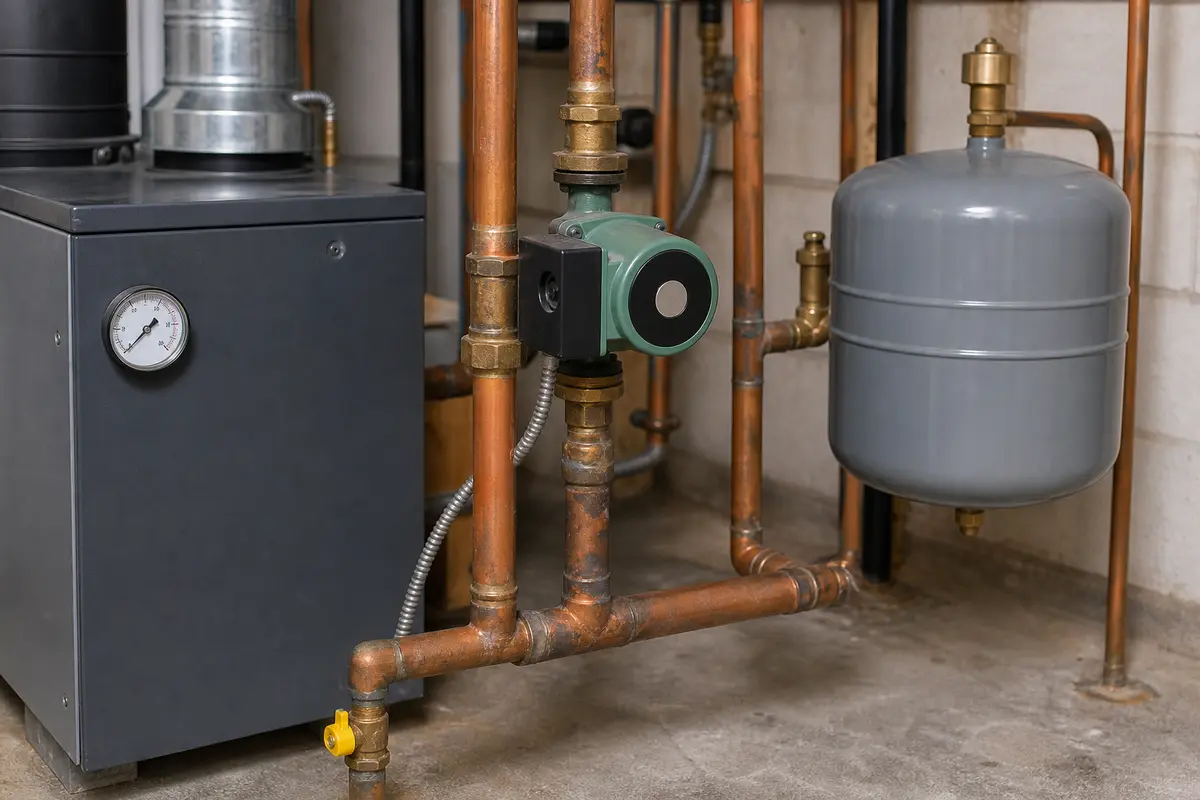
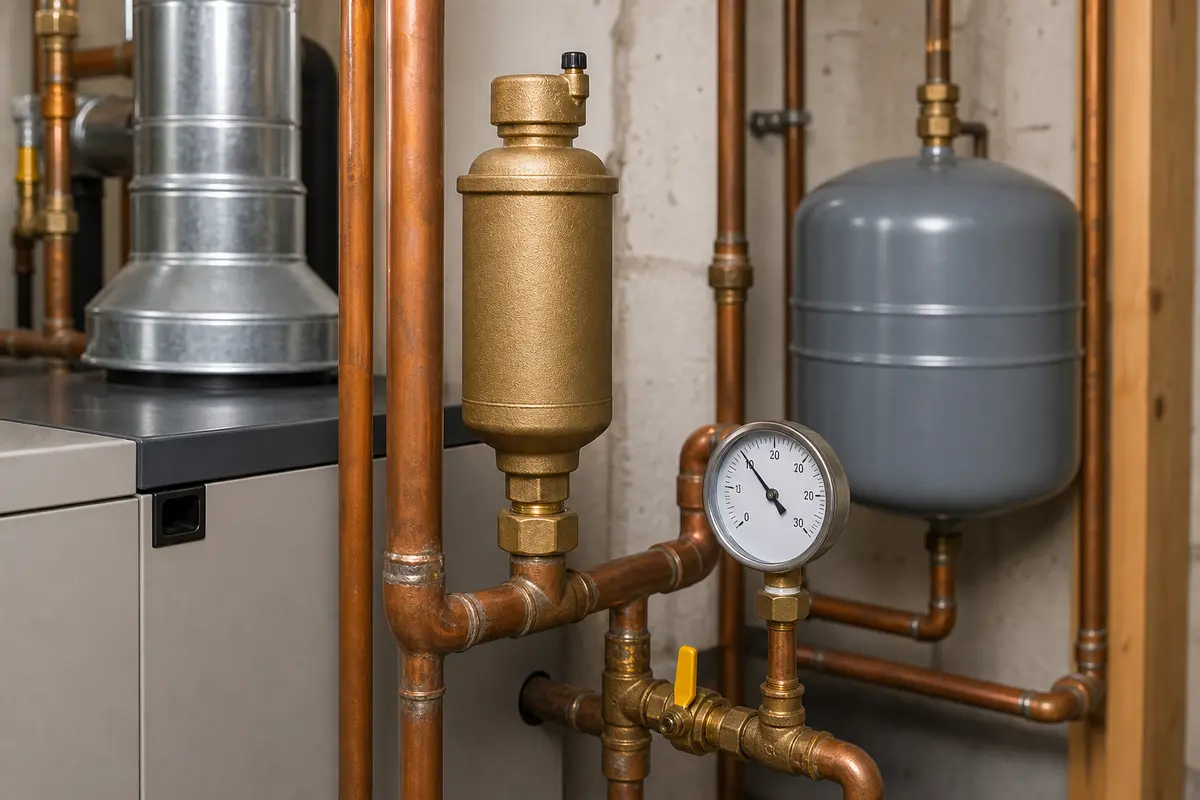
Confirm the sound source and whether pressure, air, or flow clues point to service. Match the exact symptom, boiler type, gauge behavior, and service boundary before ordering anything.
Kettling is the sound of water overheating locally instead of moving heat smoothly through the system.
Kettling repairs are often mis-sold as quick chemicals or random part swaps.
Use sound location, pressure, and flow clues together.
| Clue | Likely branch | Next move |
|---|---|---|
| Boiler body rumbles | Local overheating | Call for flow/scale diagnosis. |
| Gurgling with noise | Air or low pressure | Check pressure path. |
| Boiler heats fast then stops | Poor flow or limit shutdown | Stop repeated resets. |
| Pipes tick as they warm | Expansion noise | Inspect supports instead. |
Good flow carries heat away from the boiler. If the circulator, zone valves, air separator, or dirty water side cannot move water properly, the boiler can rumble even while the house heats poorly.
Stop when kettling comes with high pressure, relief-valve discharge, lockout, overheating, or any combustion warning.
These tools help document pressure, flow, and timing without touching hot piping or opening the boiler.
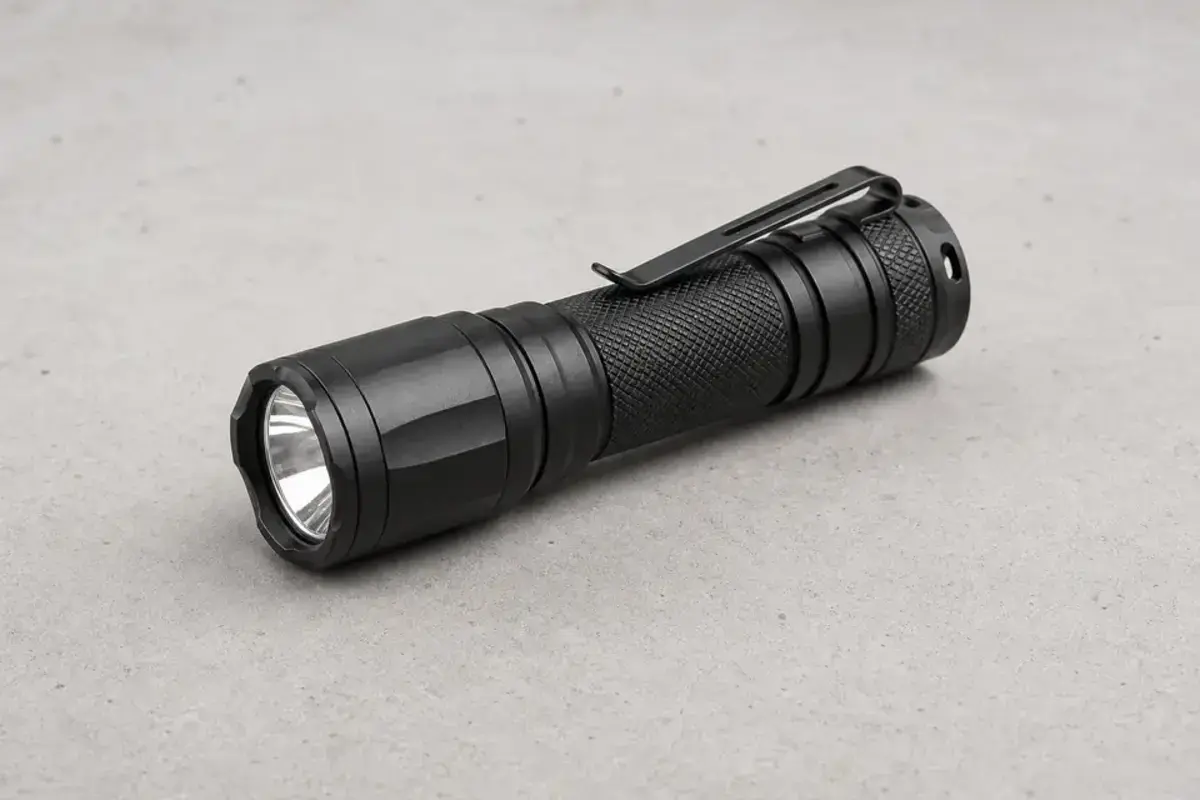
Helps when: Helps read gauges, displays, valve positions, leak tracks, and piping clues without touching hot parts.
Skip it when: Skip close inspection when the boiler is leaking near electrical parts, locked out, overheating, or giving combustion warnings.
Compare boiler-room flashlight on Amazon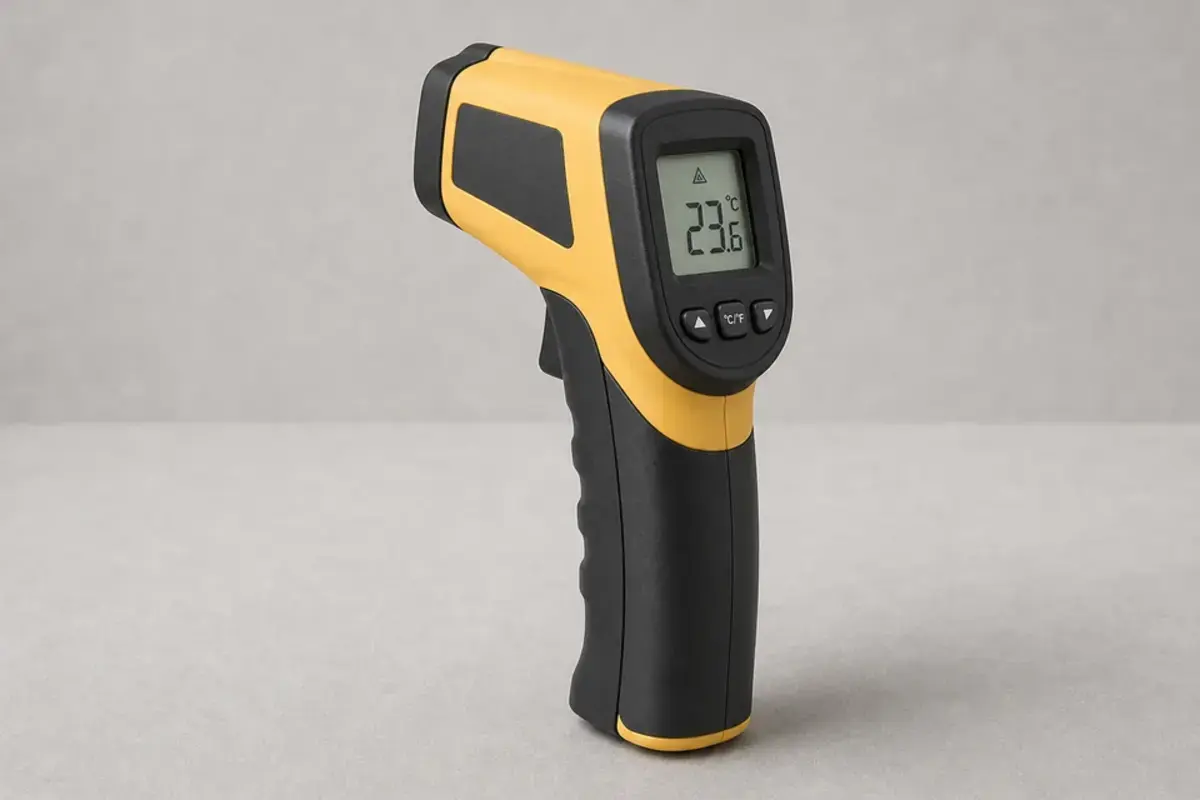
Helps when: Compares accessible pipe or baseboard temperatures without touching hot metal when flow or overheating is suspected.
Skip it when: Skip temperature checks when piping is not safely reachable or the boiler is leaking, locked out, or overheating.
Compare infrared thermometer on Amazon
Helps when: Records gauge readings, lockout timing, leak timing, noise timing, and what changed after an outage or heat call.
Skip it when: Skip buying one if clear photos and a written symptom timeline are already ready for the technician.
Compare notebook or phone notes on AmazonAs an Amazon Associate I earn from qualifying purchases. Repair Riot may earn a commission at no extra cost to you.
It often sounds like rumbling, boiling, or a kettle-like noise from the boiler body rather than light ticking in the pipes.
It can become serious when it comes with overheating, pressure rise, relief discharge, leaks, or lockout.
Yes. Air can reduce flow and create gurgling or rumbling noises.
Only if scale or sludge is confirmed and the cleaner is appropriate. Do not add chemicals by guess.
Call when the boiler body rumbles repeatedly, short cycles, overheats, leaks, or pressure changes.
Only if there is no leak, relief-valve discharge, lockout, gas smell, carbon monoxide alarm, overheating, or electrical concern. Stop and call for service when any safety clue appears.
Photograph the pressure gauge, display or fault light, the first wet point or affected zone, and the timing of the symptom during a heat call.
Pressure swings, relief discharge, leaks, recurring lockouts, burner trouble, electrical symptoms, or a symptom that returns after basic observation belongs with a qualified boiler technician.
Repair Riot reviewed this page around boiler-body rumbling, air, pressure, poor flow, scale/sludge clues, and safe stop points. The source links support boiler maintenance and safety context; the diagnostic sequence is original guidance.