Trip is instant?
Leave off and call for electrical/boiler service.
A boiler breaker that trips on startup should not be reset over and over. The usual safe clues are water near electrical parts, a seized circulator, damaged wiring, a bad control, or a startup component drawing too much current. Your job is to observe and stop early.
Water near the boiler, a pump that hums or locks, or a trip at the exact startup moment are stronger clues than the breaker itself.
Breaker trips are a stop-and-document symptom. The pattern helps the technician; repeated resets can make the fault worse.
Don’t start with: Do not replace the breaker, open live controls, or keep resetting until something stays on.
Leave off and call for electrical/boiler service.
Leave the breaker off and call for service.
Pump/control fault is possible.
Treat as electrical fault.
Leave and call emergency help.
Safe clues are external: service switch position, dampness near components, and the display or fault timing.
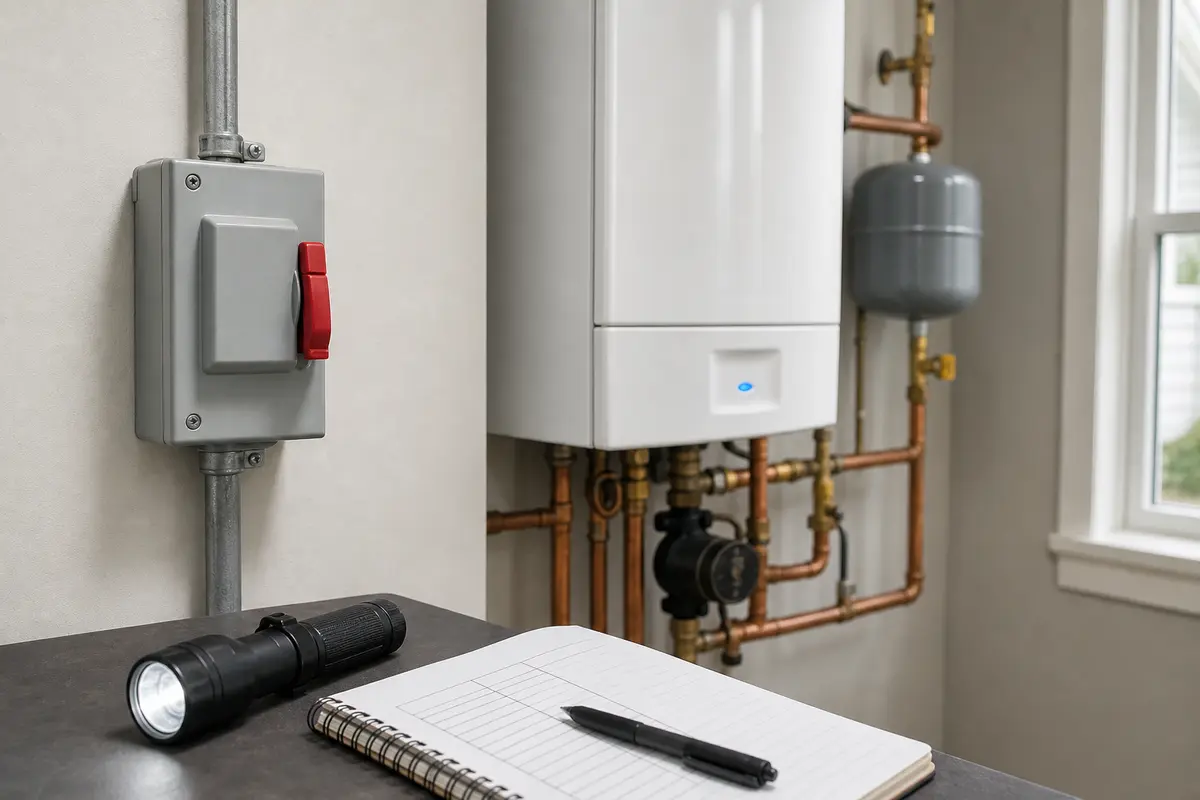
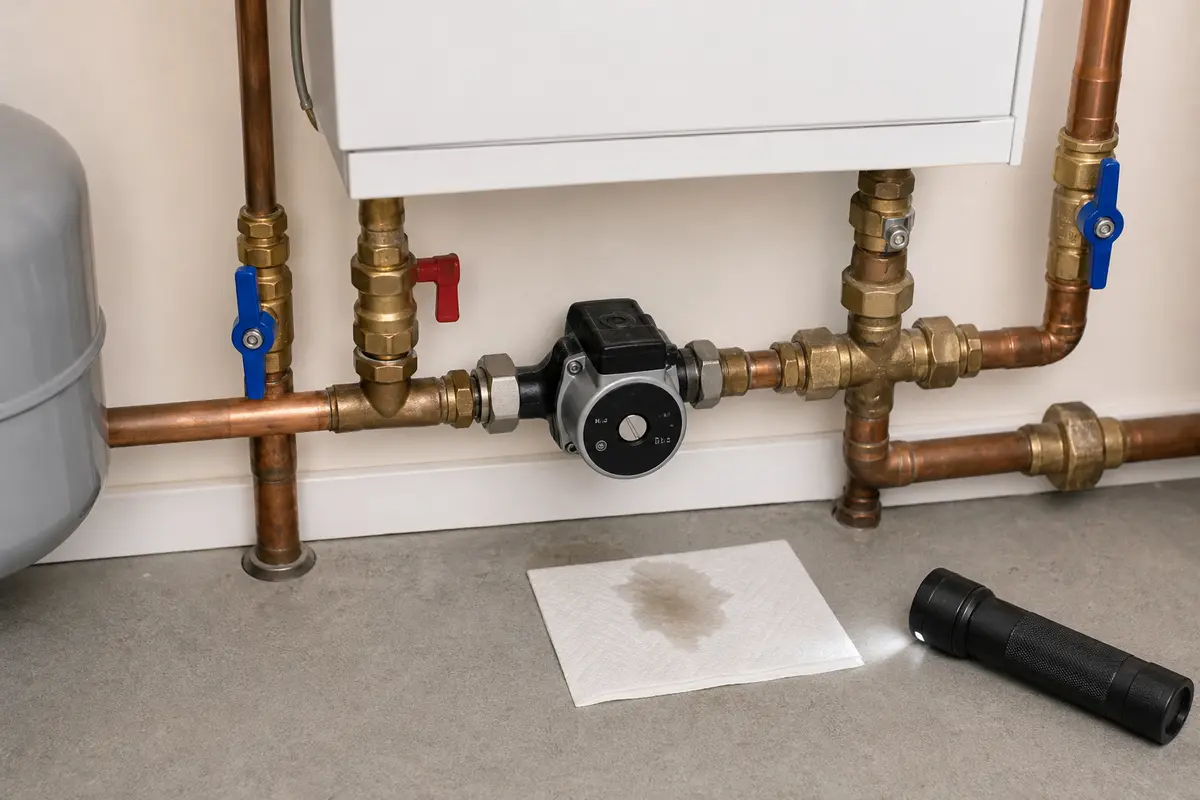
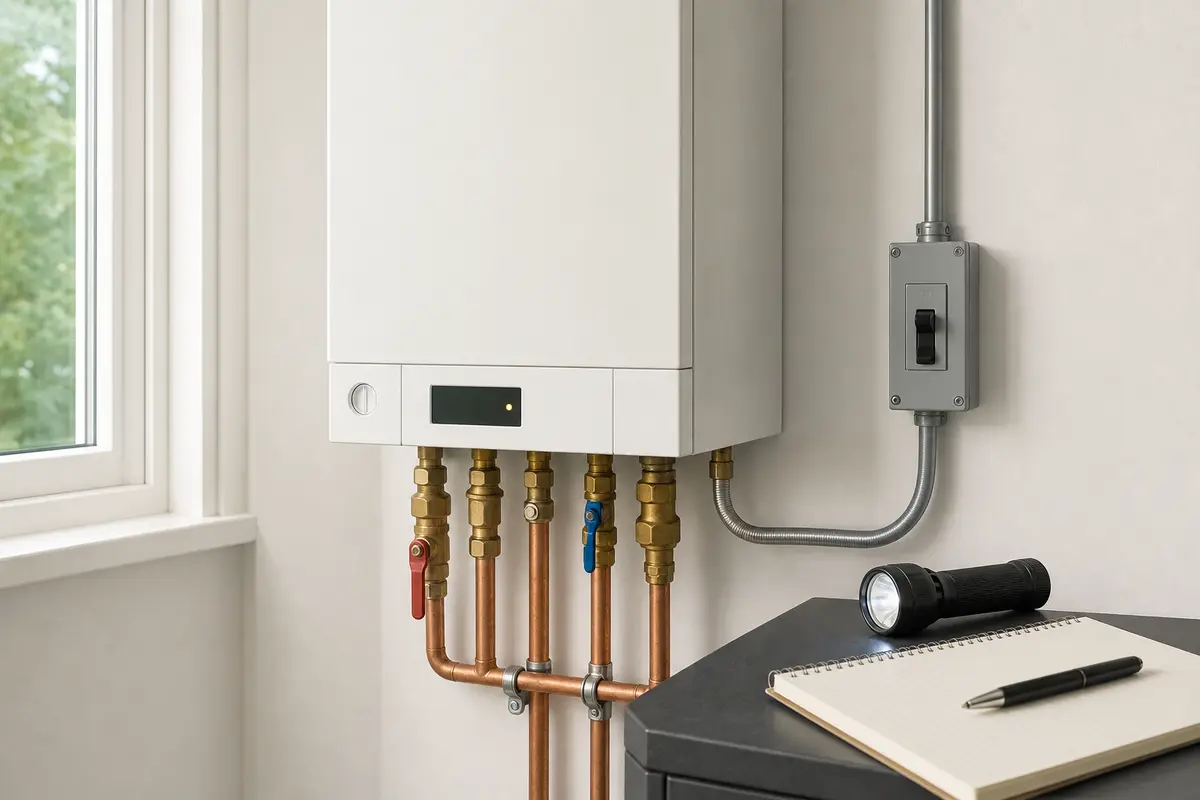
Document the exact trip timing and any water clue, then stop resetting the breaker. Match the exact diagnosis, boiler type, model/manual, and service boundary before ordering anything.
A startup trip usually means a component or wire path is faulting under load.
A repeatable breaker trip is already a diagnostic result. The next move is to document timing and stop, not to keep cycling power until the fault gets worse.
The timing of the trip is the most useful clue you can safely collect.
| Trip pattern | Likely branch | Next move |
|---|---|---|
| Instant reset trip | Short or breaker fault | Leave off and call. |
| Trip when pump starts | Circulator or control load | Record timing for service. |
| Water near controls | Leak plus electrical risk | Do not reset. |
| Only after long run | Overload/heat issue | Call with timing details. |
Boilers put water and electricity near each other. Dampness changes the risk immediately.
Breaker trips are usually caused by a short, wet component, seized pump, damaged wiring, or load that appears only at startup. Watch for exactly which action triggers the trip.
These tools support outside-the-cover observation only. They are not permission to open live boiler controls.
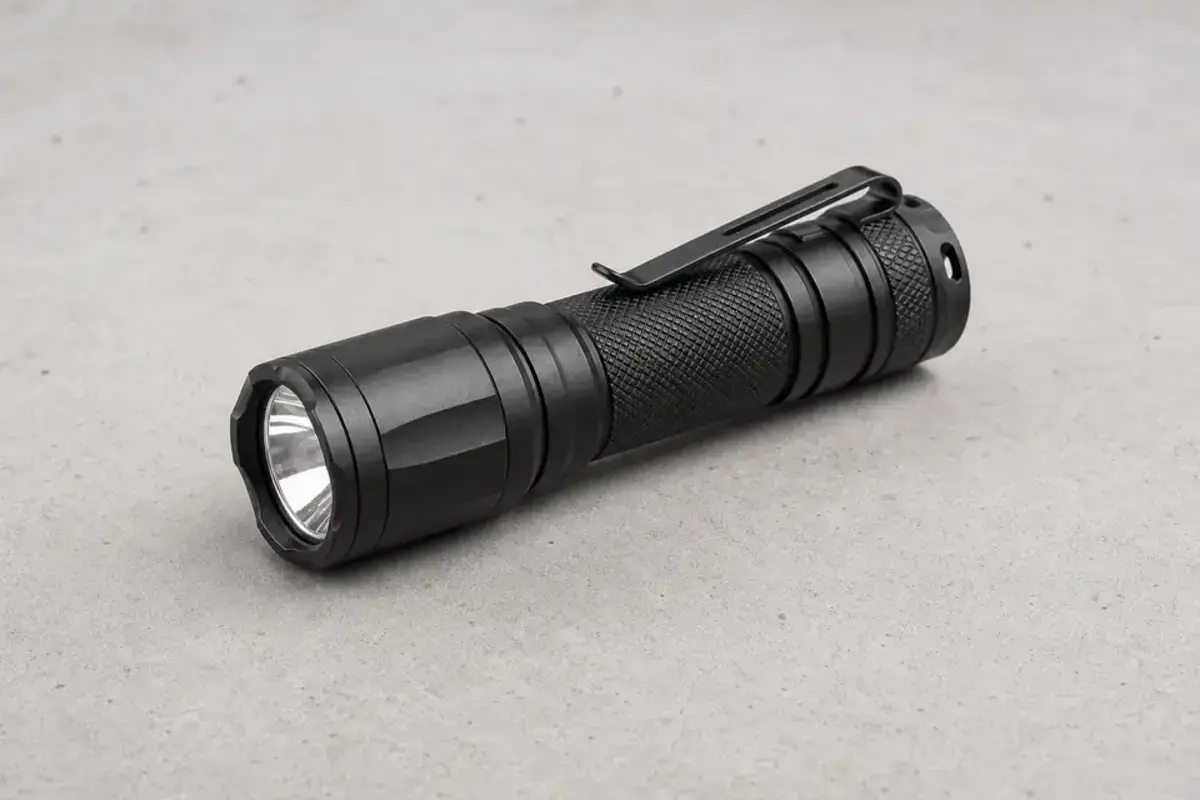
Helps when: Read gauges, labels, fault lights, leak tracks, and valve positions without leaning into hot piping.
Skip it when: Skip close inspection when the boiler is locked out, leaking near electrical parts, or giving combustion warnings.
Compare boiler-room flashlight on Amazon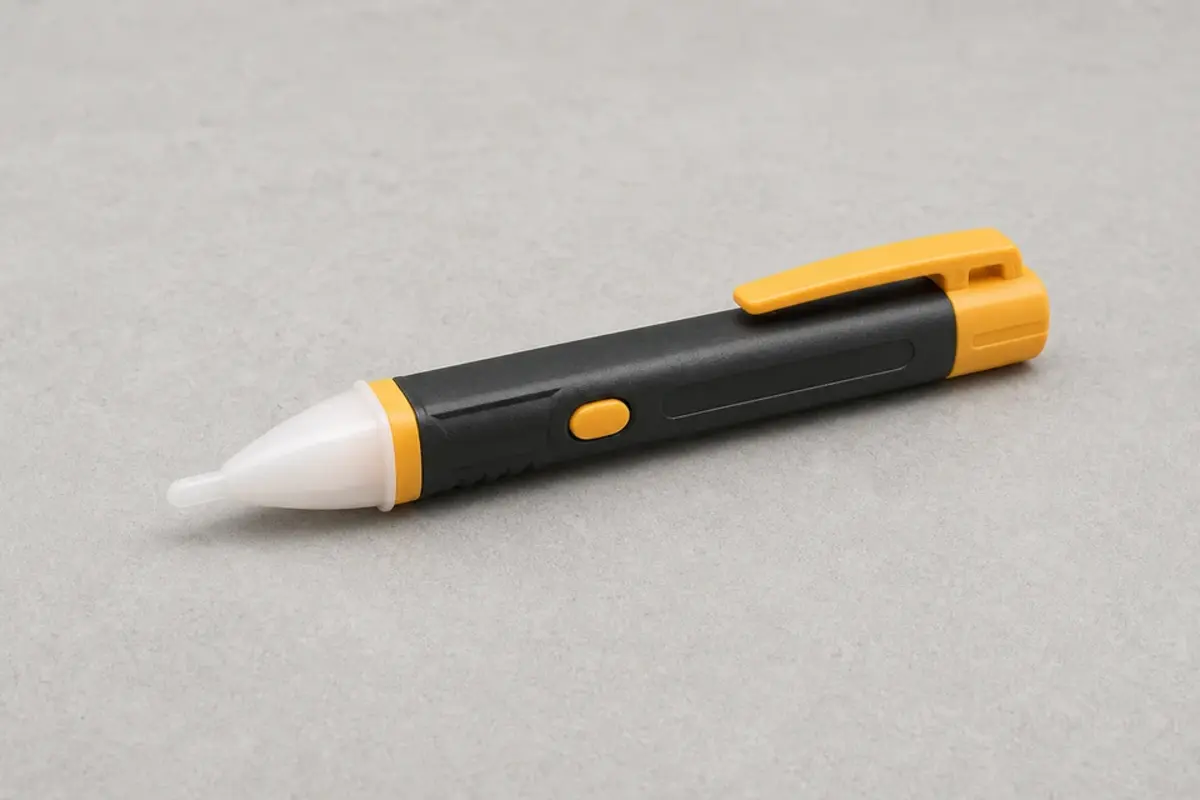
Helps when: Supports a contact-free outside-the-cover power check at switches or service points you can access safely.
Skip it when: Skip it if any cover must be opened, wiring is wet, the breaker trips immediately, or you are not trained for electrical work.
Compare non-contact voltage tester on Amazon
Helps when: Record pressure, display clues, reset timing, which zone heats, and what changed before a service call.
Skip it when: Skip buying one if clear photos and a written symptom timeline are already ready for the technician.
Compare notebook or phone notes on AmazonAs an Amazon Associate I earn from qualifying purchases. Repair Riot may earn a commission at no extra cost to you.
A short, wet component, seized pump, damaged wiring, or failing control can trip the breaker as the boiler starts.
No. Repeated resets can worsen an electrical fault.
Not as a guess. The boiler load and wiring need diagnosis.
Leave the breaker off and call for service.
Observation is DIY; electrical repair on a boiler is not.
Only if there is no leak, lockout, gas smell, carbon monoxide alarm, relief-valve discharge, or overheating clue. Stop and call for service when any safety clue appears.
Photograph the pressure gauge, display or fault light, the affected zone or radiator, any damp area, and the exact timing of the symptom.
Repeated lockout, pressure changes, leaks, combustion clues, electrical trips, stuck controls, or symptoms that return after a basic safe check all belong with a qualified boiler technician.
Repair Riot reviewed this page around breaker reset limits, wet electrical stop points, circulator startup clues, closed-cover observation, and boiler service boundaries. Source links support heating equipment maintenance and combustion safety context; the diagnostic sequence is original guidance.