Is the top cold and bottom warm?
Bleed that radiator carefully.
Air in boiler radiators usually shows up as a cold top section, gurgling, or rushing-water noise. Bleed the worst radiator only after the boiler is off and cooled, then check whether pressure stays in range so you do not turn a simple air pocket into a low-pressure problem.
Trapped air after service, seasonal startup, or a pressure drop is the usual cause. Recurring air points to a leak, low pressure, or boiler-side air vent issue.
The right check is small and observable: one radiator, one vent, one pressure reading before and after.
Don’t start with: Do not open boiler components, adjust fill valves blindly, or keep bleeding radiators when the pressure gauge is already low.
Bleed that radiator carefully.
Look for pressure loss or small leaks.
Check system pressure before bleeding more.
Stop; the system may be low on pressure.
Move to circulation or zone diagnosis.
The page-specific clues are the radiator vent, the pressure gauge, and whether the cold top returns after bleeding.
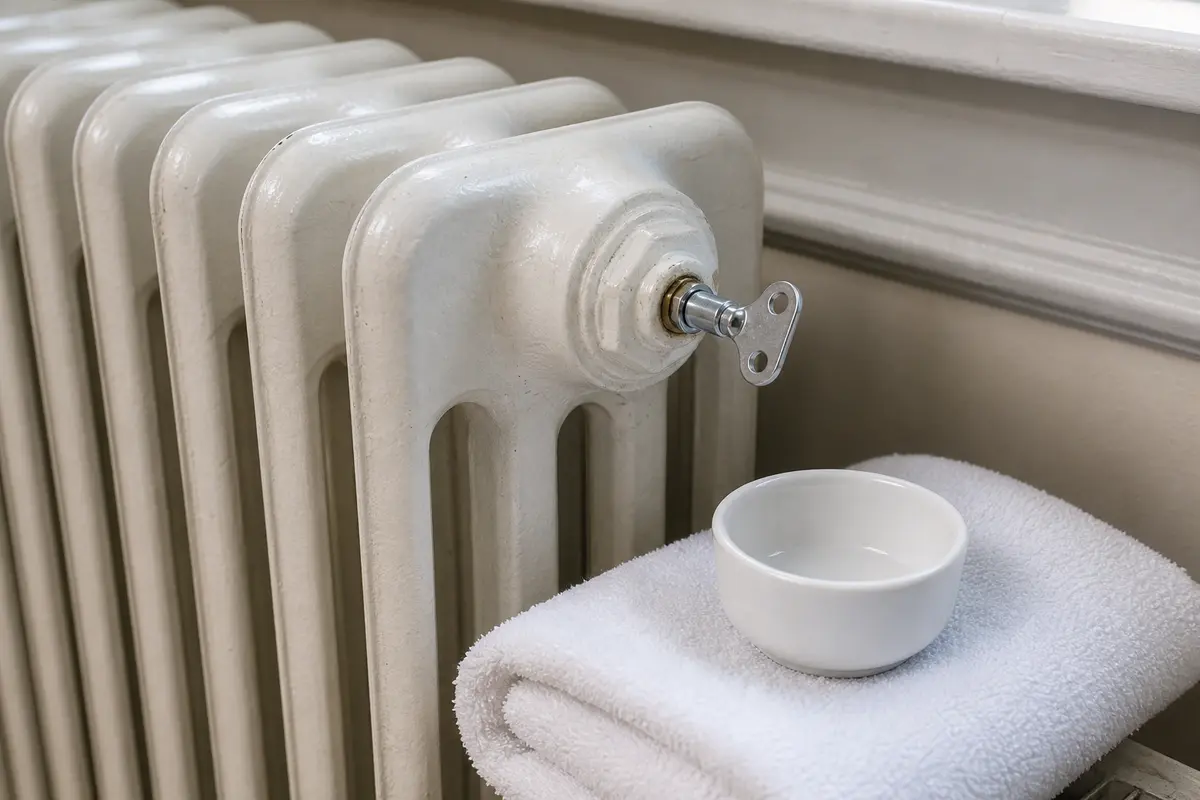
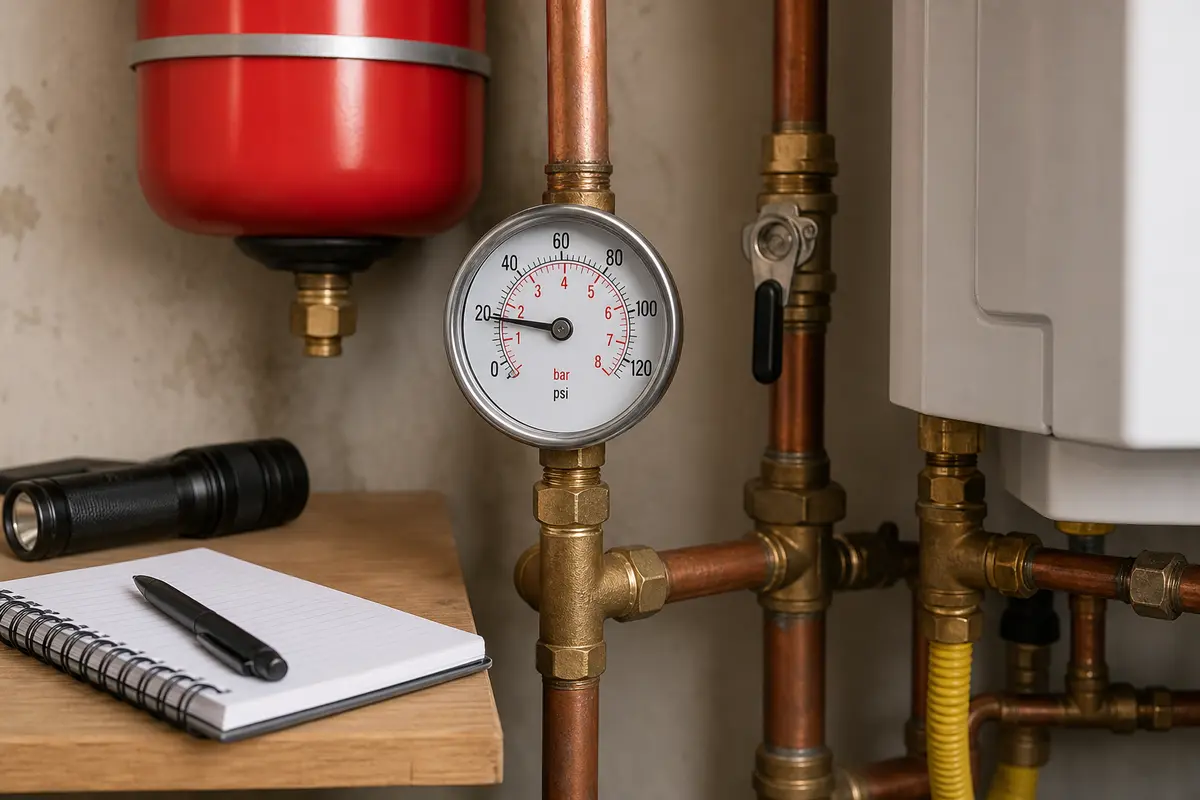
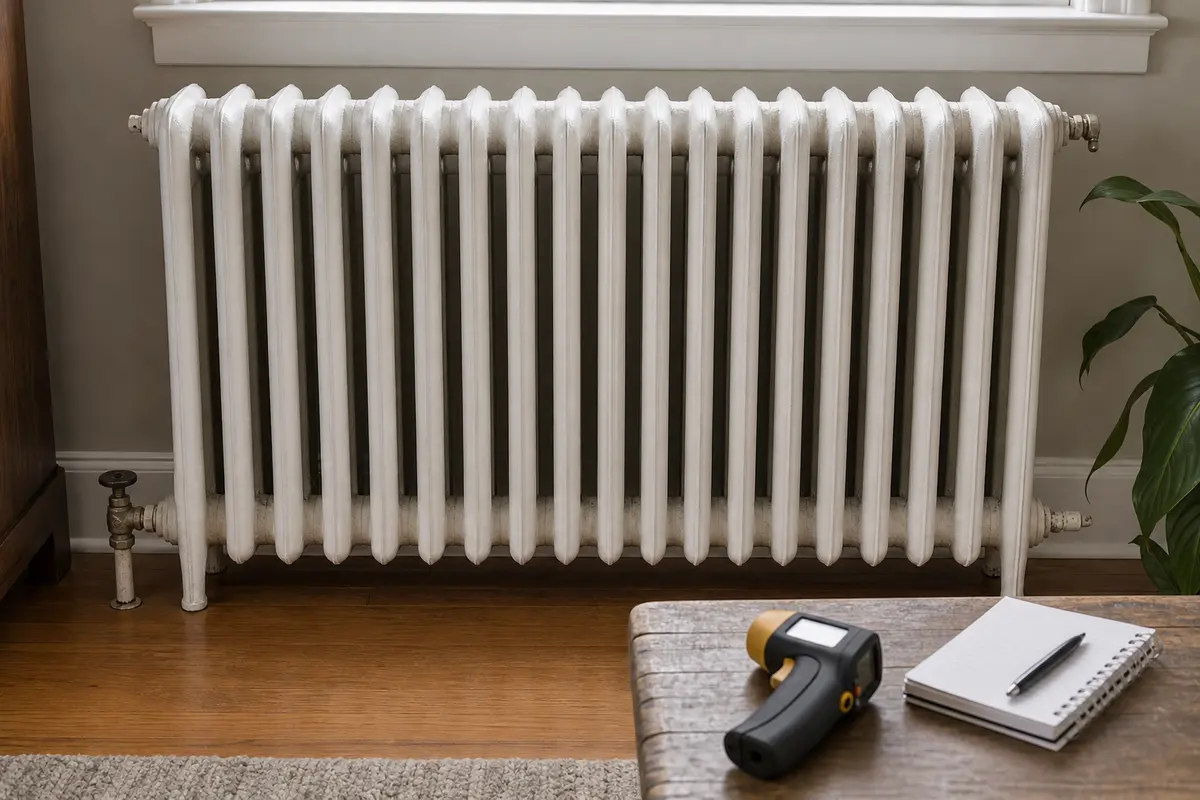
Bleed one radiator only after checking pressure and confirming the symptom is truly trapped air. Match the exact diagnosis, boiler type, model/manual, and service boundary before ordering anything.
Air collects at high points and blocks hot water from filling the radiator completely.
Boiler systems punish guessing because pressure, heat, and combustion all interact.
Use the vent result and pressure gauge together; either clue alone can mislead.
| What happens | What it means | Next move |
|---|---|---|
| Air hisses then water runs | Trapped air released | Close vent and recheck pressure. |
| No water follows air | Pressure may be low | Stop bleeding and diagnose pressure. |
| Air returns soon | Leak or air vent issue | Look for damp clues and call if pressure falls. |
| Radiator still cold | Flow or zone problem | Check zone/circulation path. |
Bleeding removes air and can lower system pressure. The key is whether the gauge recovers and stays stable.
A radiator that needs bleeding once after service is common. A radiator that needs bleeding every week is usually caused by pressure loss, a small leak, or a boiler-side air-removal problem.
These are safe observation and cleanup tools. They do not replace boiler pressure or venting service when air returns.
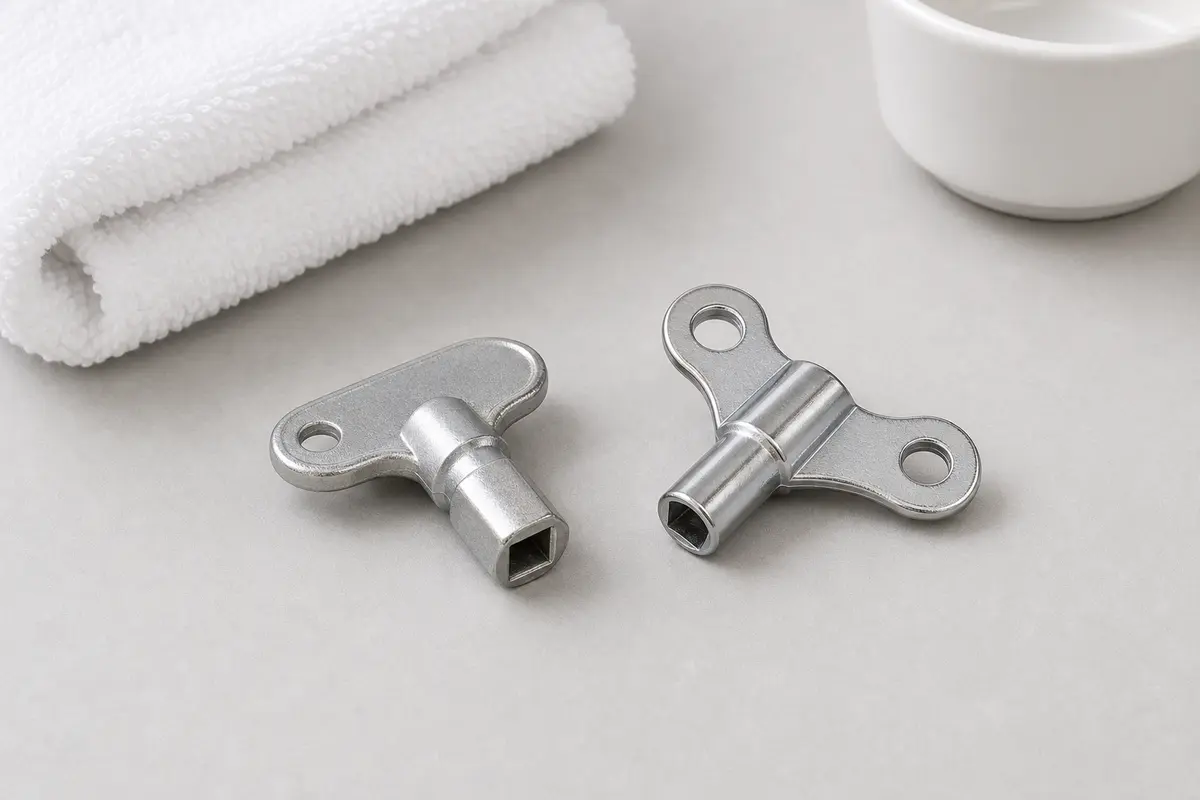
Helps when: Opens common radiator bleed vents without chewing up the fitting during a controlled air-bleed check.
Skip it when: Skip it if your radiator uses a slotted vent screw or the boiler pressure is already too low to bleed safely.
Compare radiator bleed key on Amazon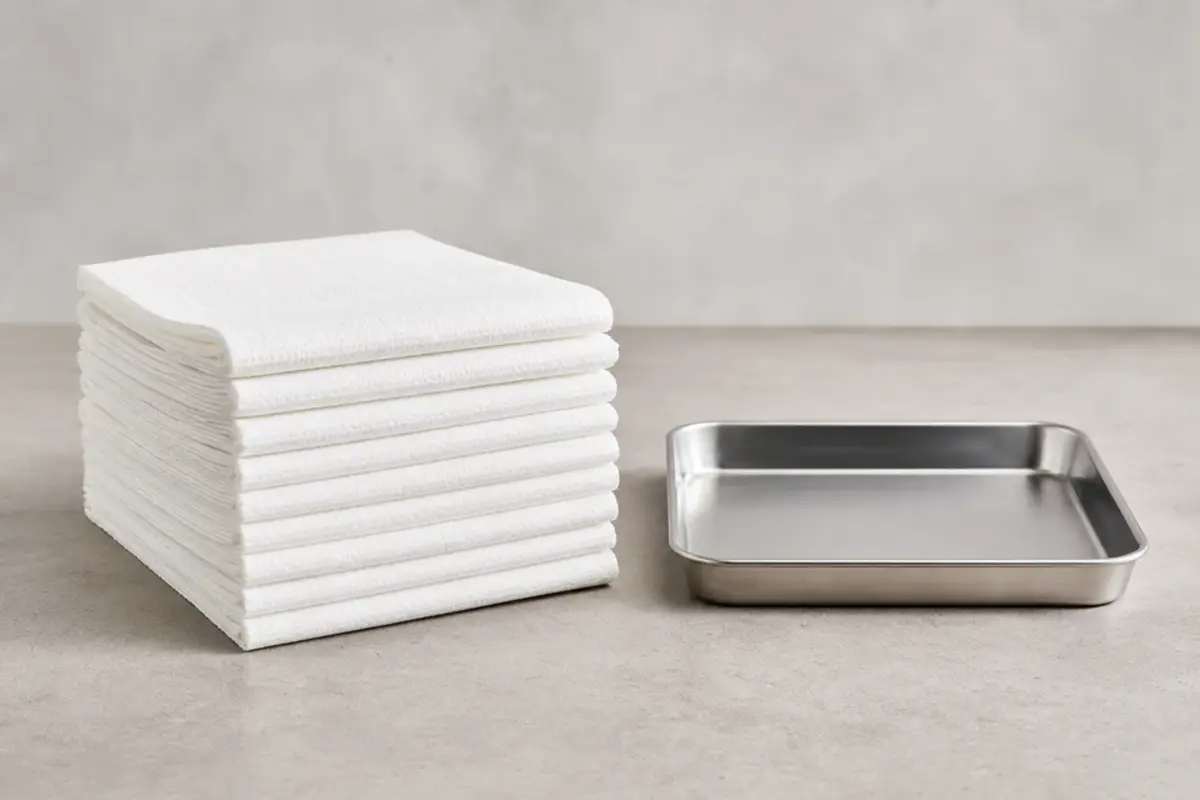
Helps when: Catch the small spit of water that appears when air is gone and help spot a damp valve after the check.
Skip it when: Skip towel-only cleanup when water keeps weeping from the vent, valve, or boiler piping.
Compare absorbent towels on Amazon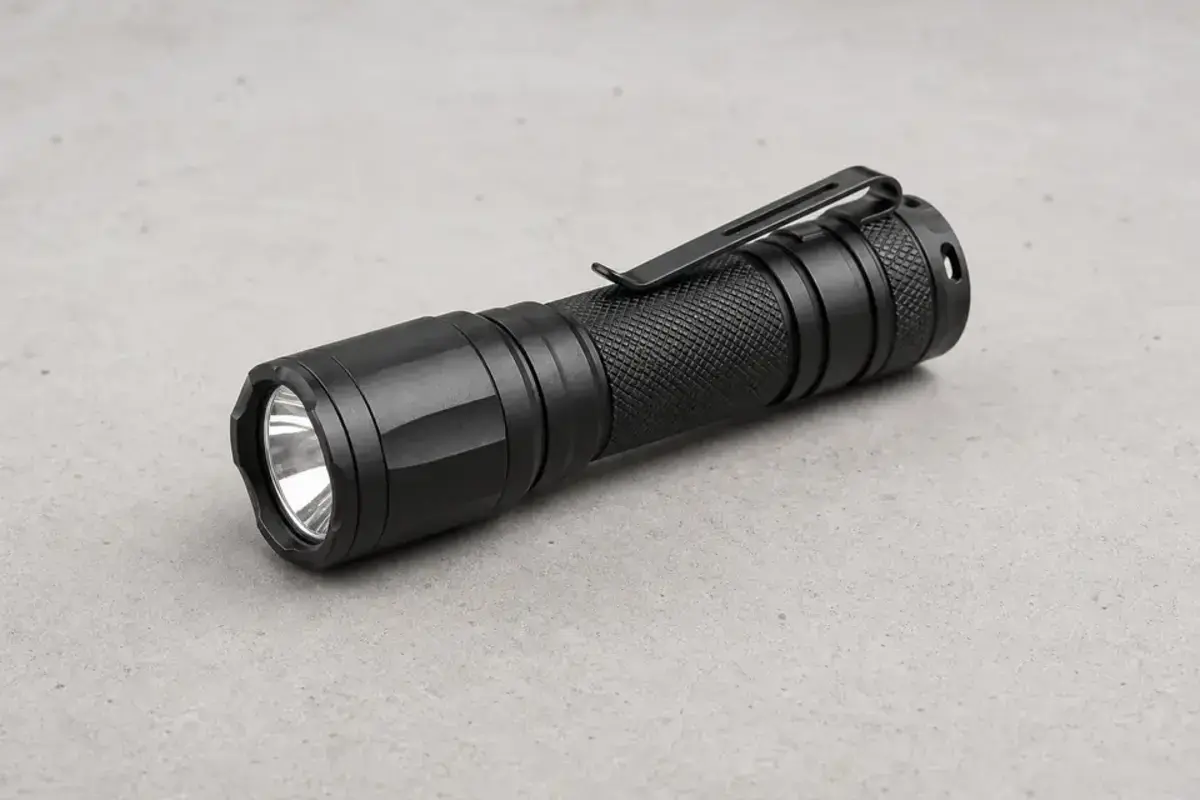
Helps when: Read gauges, labels, fault lights, leak tracks, and valve positions without leaning into hot piping.
Skip it when: Skip close inspection when the boiler is locked out, leaking near electrical parts, or giving combustion warnings.
Compare boiler-room flashlight on AmazonAs an Amazon Associate I earn from qualifying purchases. Repair Riot may earn a commission at no extra cost to you.
A cold top with a warm bottom usually means trapped air is blocking water from filling the radiator.
No. Start with the worst or highest radiator and watch pressure.
Recurring air usually means pressure loss, a small leak, or poor boiler-side air removal.
It can be if the water is hot or pressure is low. Cool the system and keep the check small.
Call when pressure falls, leaks appear, or the same radiator keeps taking on air.
Only if there is no leak, lockout, gas smell, carbon monoxide alarm, relief-valve discharge, or overheating clue. Stop and call for service when any safety clue appears.
Photograph the pressure gauge, display or fault light, the affected zone or radiator, any damp area, and the exact timing of the symptom.
Repeated lockout, pressure changes, leaks, combustion clues, electrical trips, stuck controls, or symptoms that return after a basic safe check all belong with a qualified boiler technician.
Repair Riot reviewed this page around radiator bleeding, cold-top clues, pressure loss, recurring air, and boiler-side venting boundaries. The source links support hydronic boiler safety and service context; the diagnostic sequence is original guidance.