Air conditioner condensate line clogged
Find out whether your AC condensate line is actually clogged, clear the simple blockage safely, and know when a float switch, trap, or hidden drain issue needs service.
Trace water, float-switch trips, clogged tubing, pump behavior, and pan overflow symptoms before replacing condensate parts.
Find out whether your AC condensate line is actually clogged, clear the simple blockage safely, and know when a float switch, trap, or hidden drain issue needs service.
A full AC drain pan usually points to a clogged condensate line, bad slope, or a stuck condensate float switch. Start with safe cleanup and simple checks before buying parts.
Find out why an air handler condensate pan is full, starting with the safest checks. Learn when a clogged drain line, bad float switch, or damaged trap is the real problem.
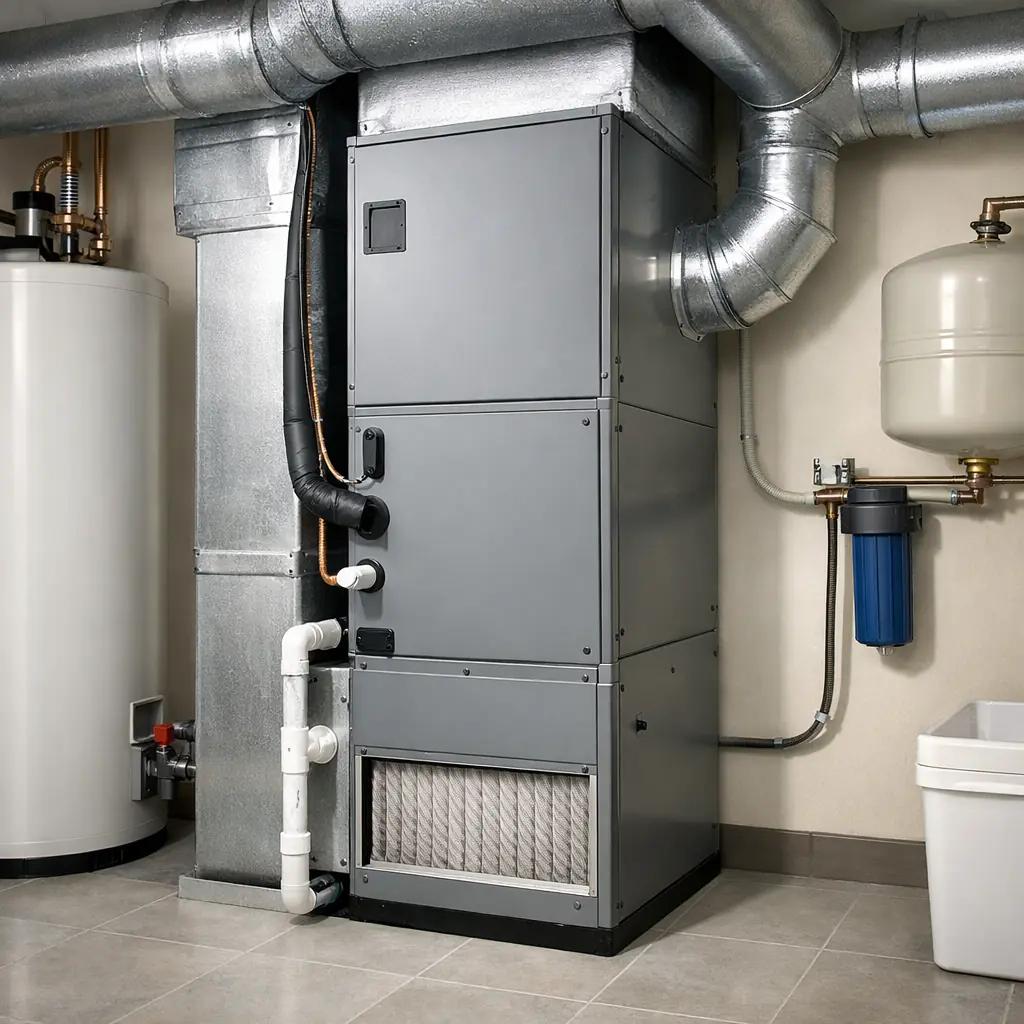
If your air handler overflows when the AC runs, start with the condensate drain, trap, pan, and float switch. Check the safest common causes first before replacing parts.
Find out why your air handler is leaking water after a humid day. Start with the drain, pan, airflow, and sweating checks before replacing condensate drain parts.
Find out why water is around your air handler after a storm. Start with rainwater vs condensate clues, then check the drain line, pan, float switch, and nearby roof or wall leaks safely.
Find out why your air handler has water in the secondary pan. Start with the common drain clog checks, separate overflow from sweating or leaks, and know when to stop and call for service.
Find out why boiler condensate is leaking by checking where the water starts, whether the drain is blocked, and whether the trap or drain line is split before buying parts.
If your AC condensate drain backs up every summer, start with the outlet, trap, and slime buildup before assuming a bigger HVAC failure. Here’s how to sort out the common causes safely.
Find out why your condensate drain is backing up, where to check first, and when a clog, float switch, or damaged drain line is the real fix.
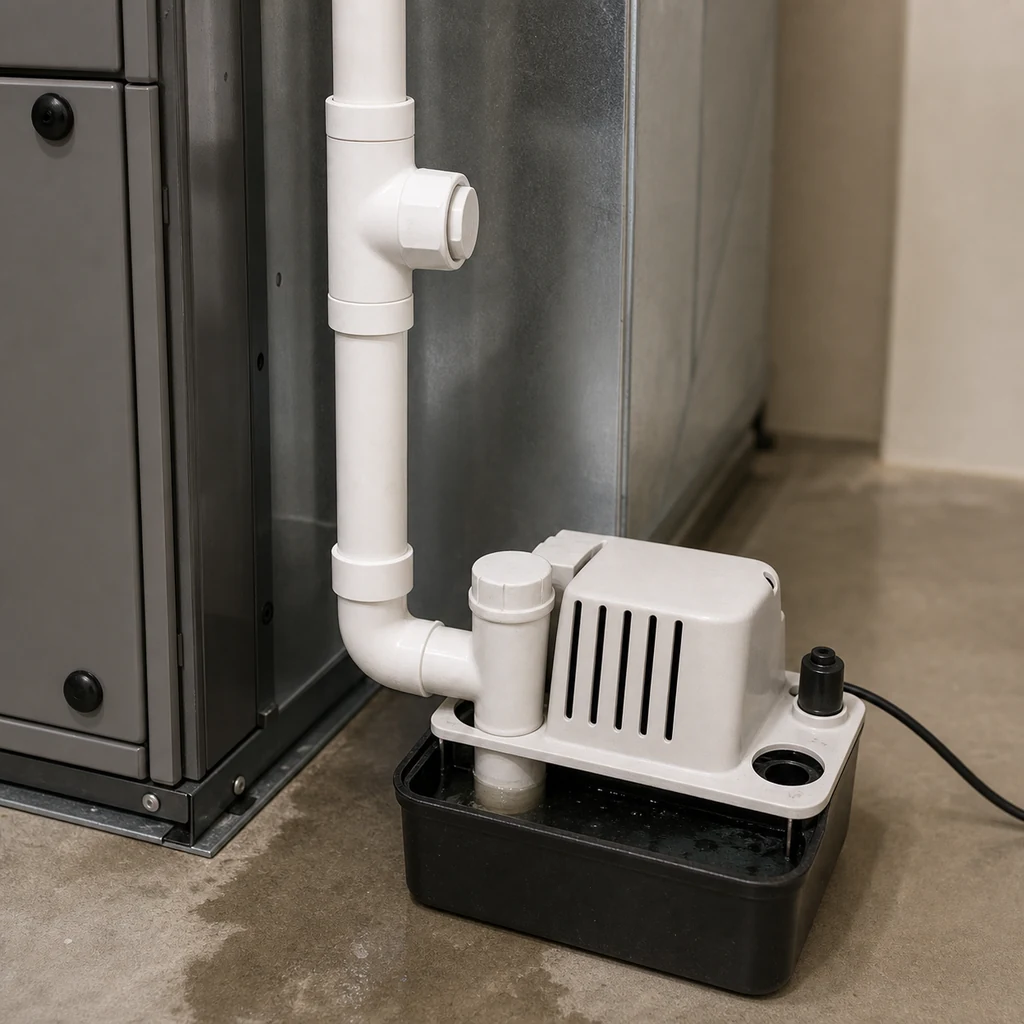
If your condensate drain is clogged, check the pan, cleanout, outlet, pump, and float switch safely before replacing HVAC parts.
If your condensate drain clogs after rain, first separate a true drain blockage from rainwater intrusion, a sagging outlet line, or a buried discharge end. Start with safe visible checks before replacing anything.
Figure out why a condensate drain drips after rain by separating normal runoff, a clogged line, a bad trap, or rain getting into the drain termination.
If your condensate drain float switch tripped, start by checking for standing water, a clogged drain line, or a stuck switch before replacing parts.
Find out why a condensate drain freezes, how to separate a simple cold-spot issue from a clog or airflow problem, and when to stop and call an HVAC pro.
A gurgling condensate drain usually points to a partial clog, a dry or dirty trap, or poor drain pitch. Check the drain line, trap, and pan before replacing parts.
Find out why a condensate drain is leaking by checking where the water starts, whether the line is clogged, and whether the trap or float switch has failed.
Find out why an HVAC condensate drain is leaking at a joint, starting with loose fittings, clogs, bad slope, or a cracked trap. Check the leak pattern before replacing parts.
If your condensate drain line keeps clogging, start with the outlet, trap, and slime buildup before assuming a bigger HVAC failure. Here’s how to clear it safely and spot when the line or float switch needs replacement.
Find out why a condensate drain line is sweating, when it is just humid-air condensation, and when poor drainage, missing insulation, or an airflow problem needs attention.
Condensate drain overflowing? Turn cooling off, check the pan, outlet, slope, and float switch before clearing clogs or buying parts.
If your condensate drain started overflowing after a filter change, check filter fit, airflow direction, drain slope, trap blockage, and float switch issues before buying parts.
Find out why an AC condensate drain overflows right when the system starts. Check for a partial clog, bad slope, blocked trap, or float switch issue before replacing parts.
A condensate drain pan full of water usually means a clogged drain line, blocked trap, bad float switch, or poor drainage slope. Start with safe cleanup and simple checks before replacing parts.