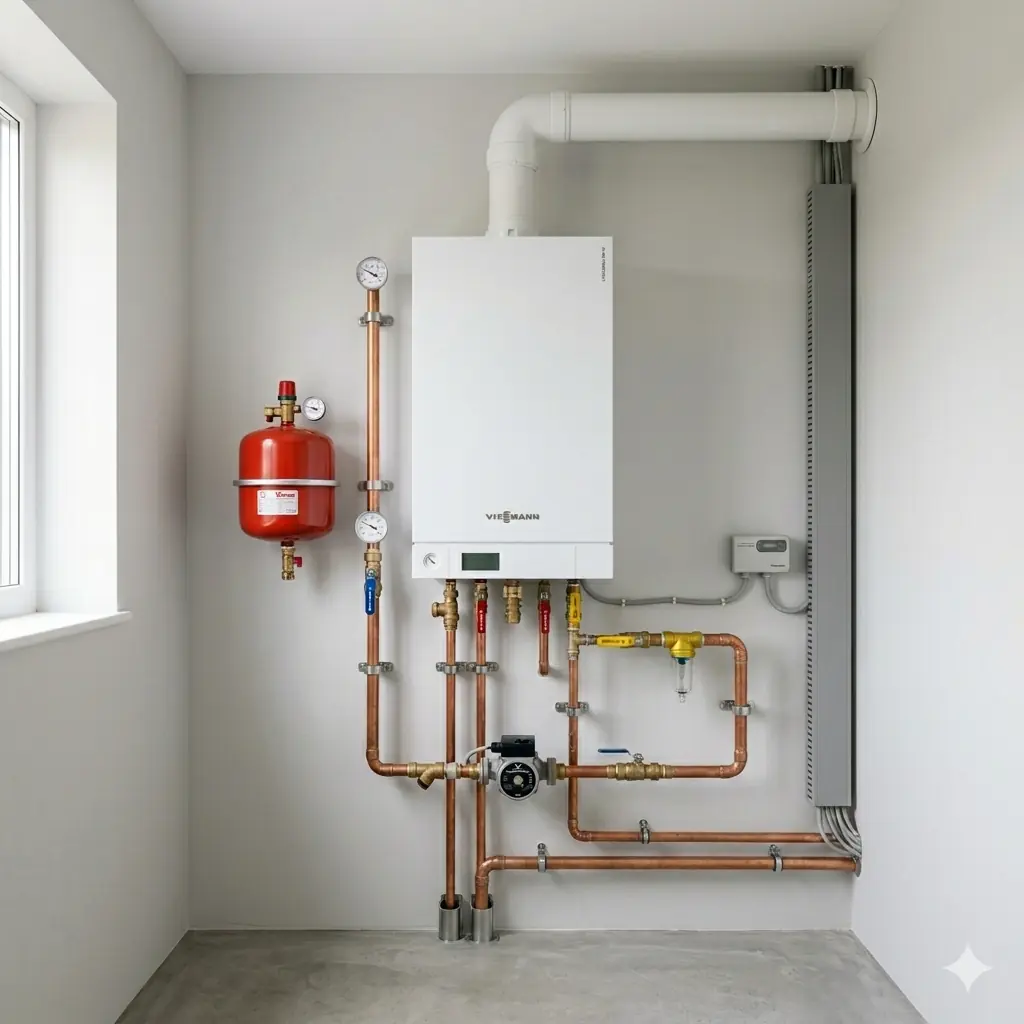
Condensation on furnace cabinet
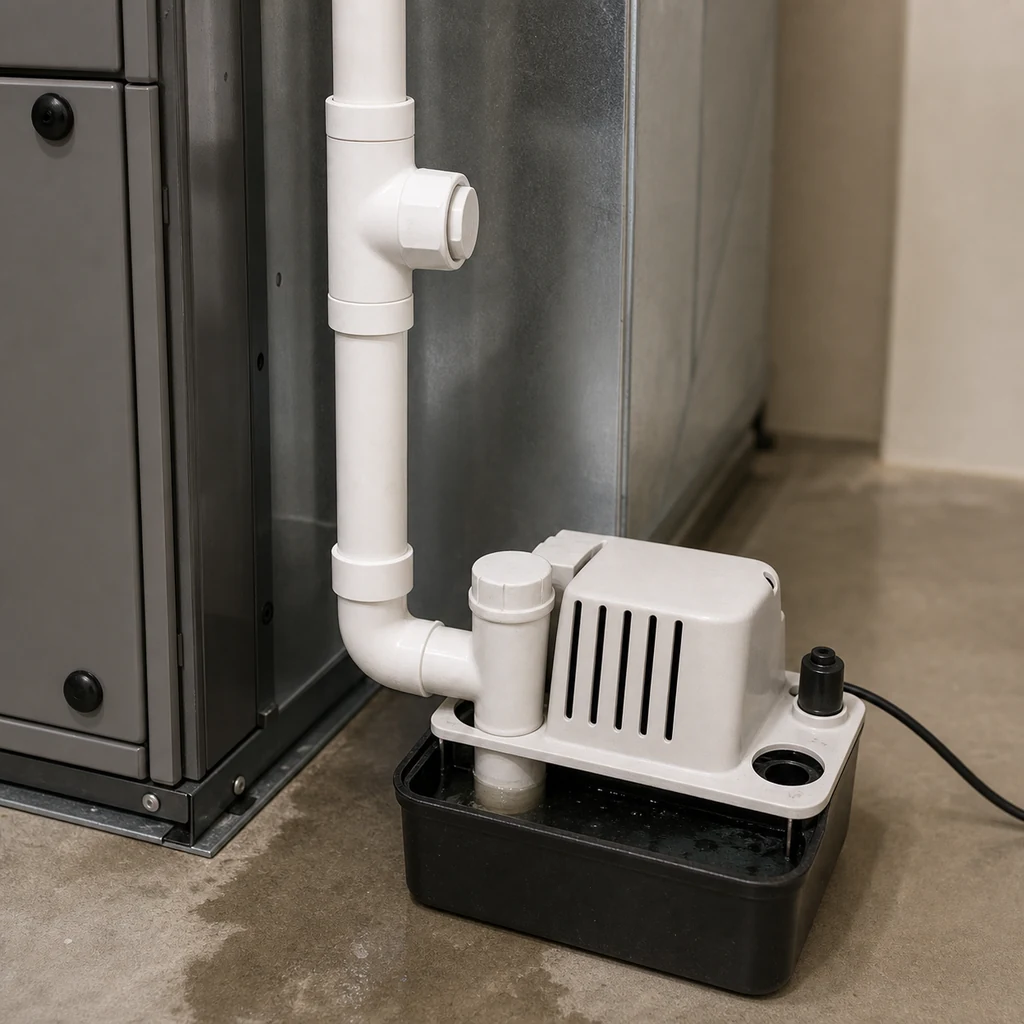
Find out why moisture is forming on your furnace cabinet, separate harmless sweating from a real furnace leak, and know when to stop and call for service.
Use the startup sequence, blower behavior, heat output, smells, and error symptoms to narrow down the likely furnace issue.
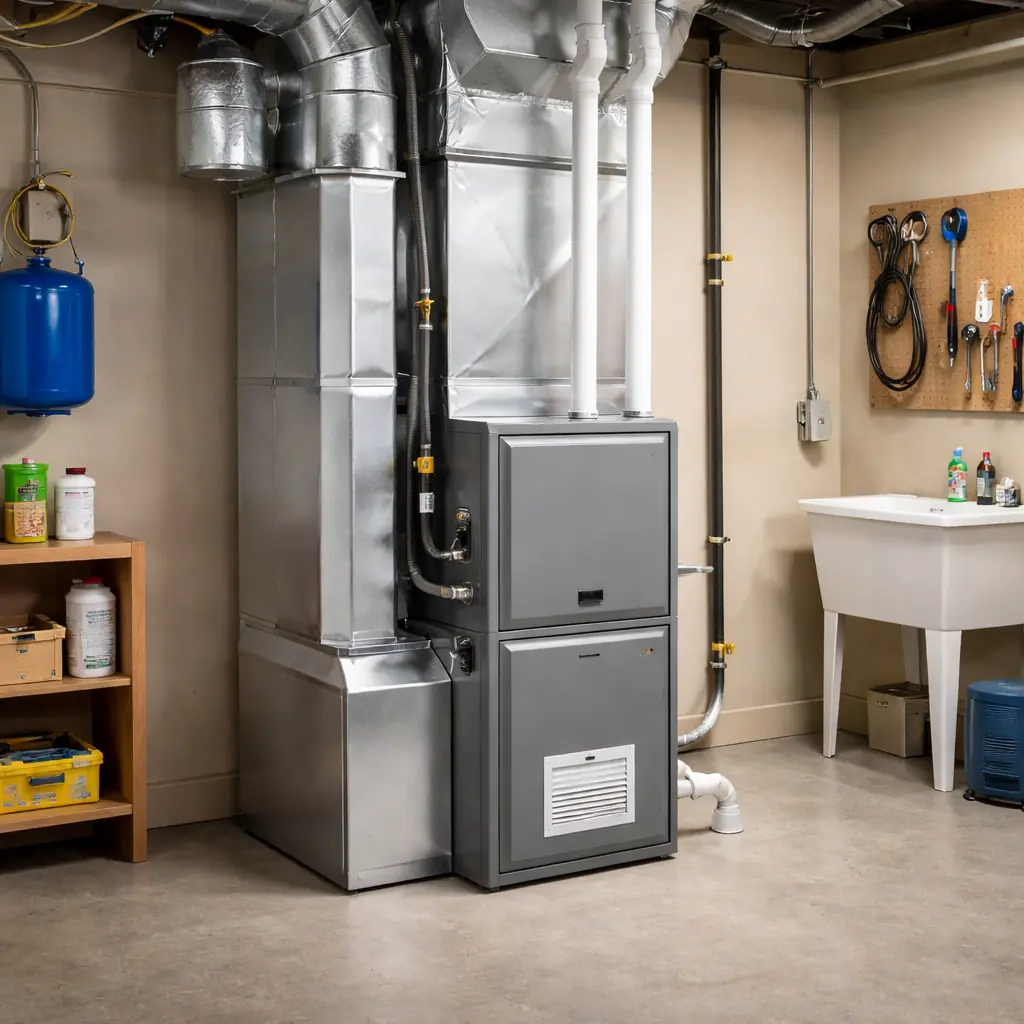
Find out why moisture is forming on your furnace cabinet, separate harmless sweating from a real furnace leak, and know when to stop and call for service.
Figure out whether the furnace blower door switch is loose, misaligned, broken, or masking a bigger furnace problem. Start with safe checks before replacing parts.
If your furnace blower hums but will not start, check the filter, blower wheel drag, door switch, and capacitor-style start symptoms before calling for motor service.
Figure out why your furnace blower is not running, starting with thermostat, filter, power, and door switch checks before moving to motor or capacitor clues.
Find out why your furnace blower keeps running. Start with thermostat fan settings, filter and airflow checks, then sort out limit-switch and control problems safely.
Figure out why your furnace blower keeps running after heat shuts off. Start with thermostat fan settings, filter and airflow checks, then separate normal fan delay from a stuck relay or thermostat issue.
If your furnace blower stops before the house reaches temperature, start with thermostat settings, filter condition, and airflow. Then separate overheating shutdowns from thermostat or control issues.
Find out why a furnace blower vibrates, rattles, or shakes. Start with filter, panel, and wheel checks, then know when blower motor or wheel damage means stop and call for service.
If your furnace breaker trips after startup, start with the filter, blower access door, and obvious wiring damage. A breaker that trips as the blower comes on often points to a blower motor problem or a short that needs a pro.
If your furnace burner lights and then shuts off, start with the filter, vents, and flame sensor. Learn the common causes, what to check safely, and when to stop and call for service.
If your furnace burners light and then shut off, start with the filter, venting, and flame sensor. This guide helps you separate airflow issues from combustion safety shutdowns.
Figure out whether a furnace burning smell is just dust, a dirty filter, an overheating blower issue, or an unsafe electrical or combustion problem that needs service now.
A furnace cabinet can feel warm in normal use, but very hot metal usually points to airflow trouble, a blower problem, or a burner issue. Start with the filter, vents, and blower operation before assuming a bad part.
If your furnace clicks but does not start, first separate thermostat and power issues from ignition and safety shutdowns. Check the filter, door panel, and startup sequence before replacing parts.
If your furnace blows cold air before turning warm, first separate a normal startup delay from a real heating problem. Check thermostat fan settings, filter condition, and short-cycling clues before replacing parts.
Furnace blinking an error code and not heating? Start with thermostat, filter, door switch, and venting checks, then narrow down flame sensor or igniter trouble safely.
Check whether ice is blocking the furnace exhaust or intake, clear only what is safely outside, and know when to stop and call for service.
If your furnace fan runs but the burners do not light, start with thermostat, filter, door switch, and visible ignition checks before assuming a bad part.
Figure out when a brief furnace gas smell at startup is normal, when it points to delayed ignition or venting trouble, and when to shut the system down and call for service.
If your furnace heat comes and goes, start with thermostat, filter, and airflow checks, then look for short cycling, ignition trouble, or a safety shutdown before buying parts.
If your furnace seems to heat but no air is coming from the vents, start with thermostat, filter, power, and blower checks before assuming a major furnace failure.
Figure out why your furnace starts heating but the blower stops. Check thermostat fan settings, filter and airflow, blower door fit, and signs of blower motor or limit shutdown.
Find out why a furnace starts then shuts off. Check thermostat settings, filter and airflow, venting signs, and common ignition issues before replacing parts.
A furnace limit switch usually trips because the heat exchanger area is getting too hot. Start with filter, vents, and blower airflow checks before assuming a bad switch.