Flame dies in 2-10 seconds?
Flame proving, venting, or condensate is likely.
A burner that lights then shuts off is usually losing the heat call, failing flame proving, seeing blocked vent or condensate conditions, or shutting down on limit because heat is not moving. Watch the timing and stop before touching gas or ignition parts.
A few-second flame drop points toward flame proving, venting, or condensate. A minute-or-two run that shuts off hot points toward flow or high-limit behavior.
The repair path starts with a timeline: how long the flame stays on, what the display does, and whether the boiler locks out.
Don’t start with: Do not replace gas valves, ignition parts, or control boards by guess. This symptom is often a safety shutdown.
Flame proving, venting, or condensate is likely.
Flow or limit shutdown is likely.
Control demand may be dropping.
Stop resetting and call service.
Leave and call emergency help.
Keep this visual diagnosis outside the burner compartment: sight glass, condensate path, and vent terminations.
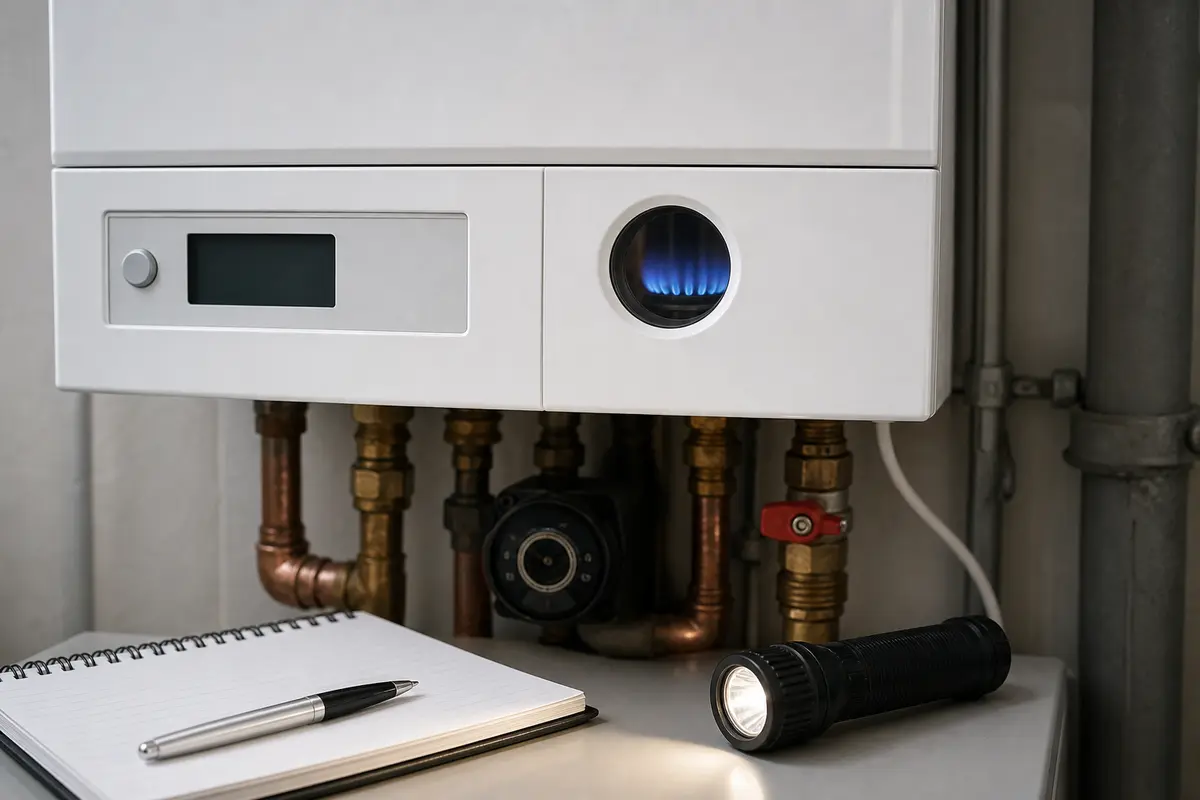
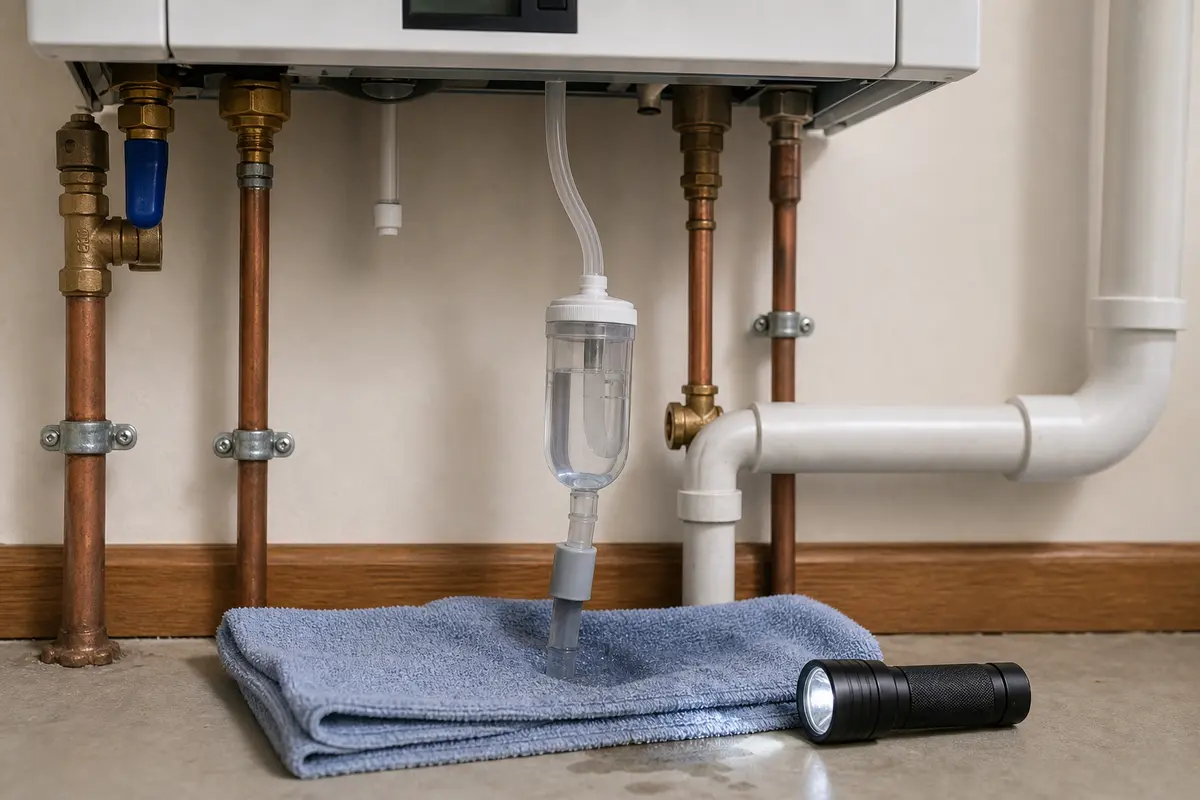
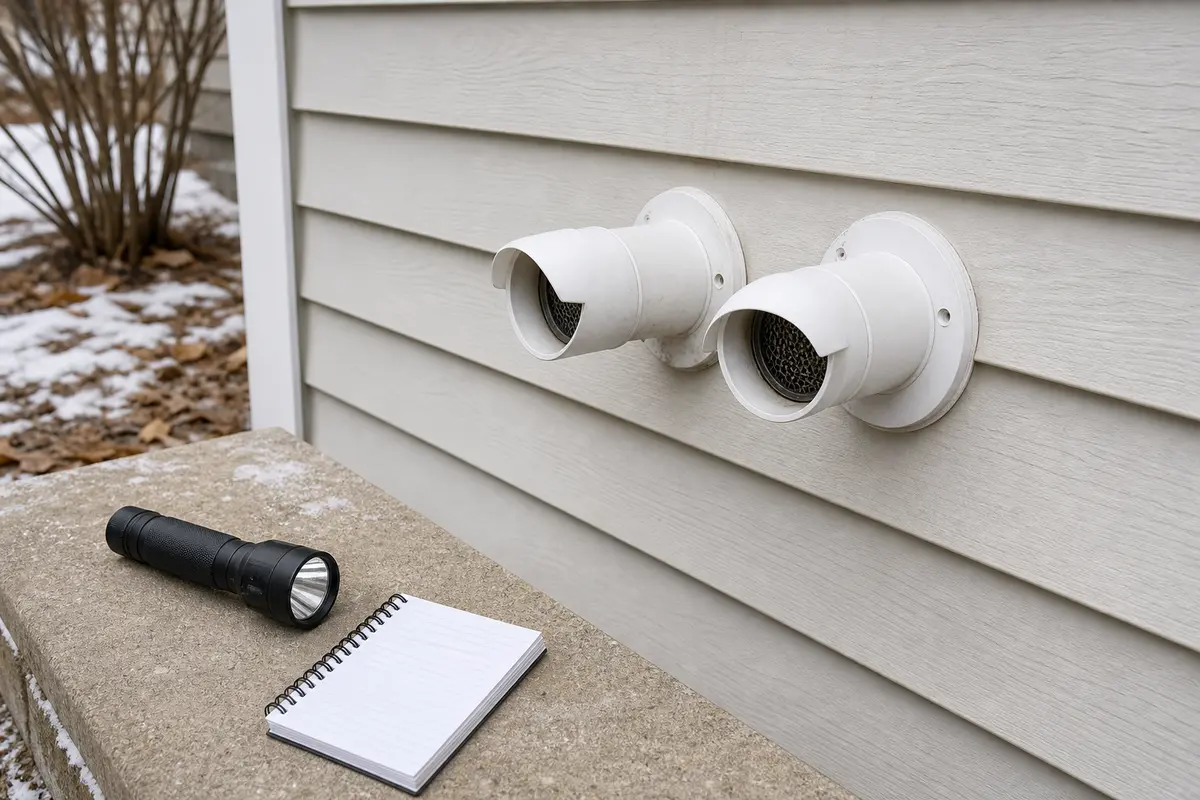
Record the burner timing, display clue, vent condition, and condensate clue before ordering any boiler part. Match the exact diagnosis, boiler type, model/manual, and service boundary before ordering anything.
The burner is usually stopping because a safety or control condition is not satisfied.
The observable test result is burner-on time, display behavior, vent condition, and condensate status. Boiler combustion parts must match the exact model and should not be ordered from symptom name alone.
Time the burner run and note what happens next.
| Pattern | Likely branch | Next move |
|---|---|---|
| Flame drops in seconds | Flame proving/vent/condensate | Record and call if repeated. |
| Runs then stops hot | Flow or high limit | Check zone/flow clues. |
| Several retries then lockout | Safety lockout | Stop resetting. |
| CO alarm or gas smell | Emergency | Leave and call. |
Many shutdowns are caused by the boiler being unable to breathe or drain.
If the burner runs longer and the boiler gets hot fast, the flame may be fine but heat is not moving into the system.
These tools support observation and safety. They do not make combustion repair a DIY task.
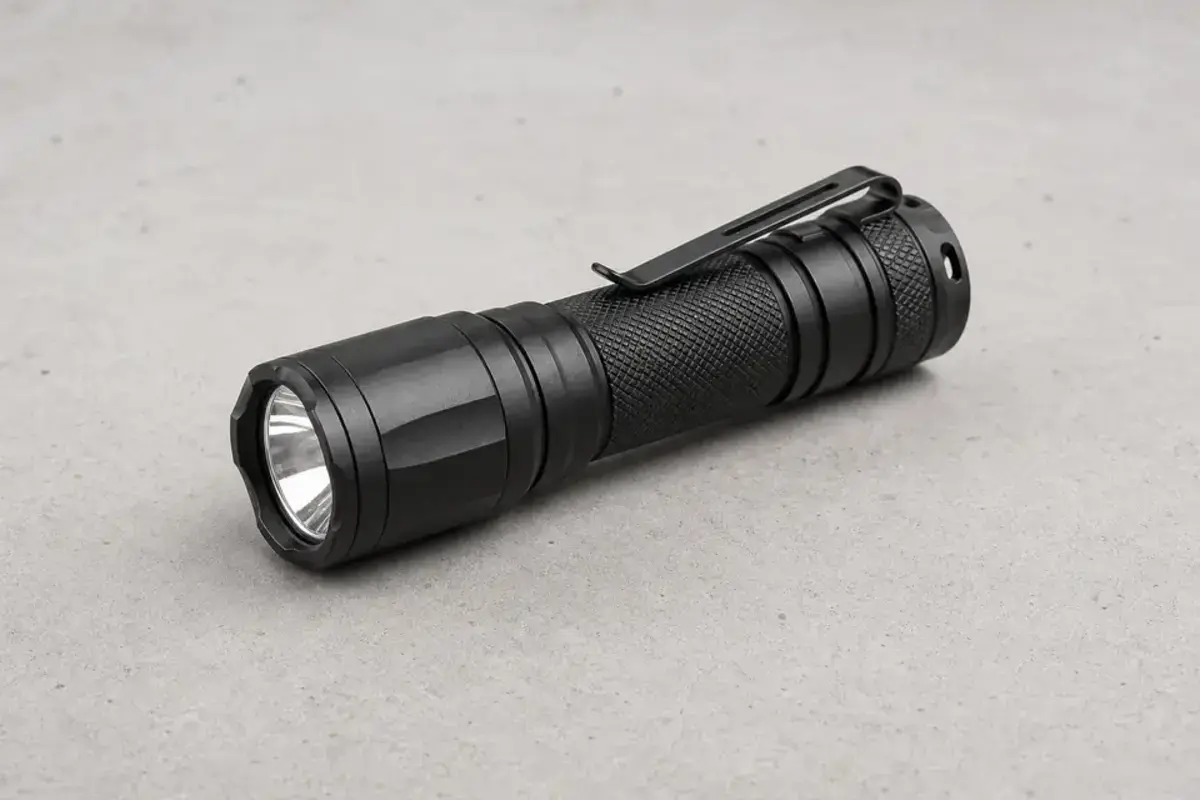
Helps when: Read gauges, labels, fault lights, leak tracks, and valve positions without leaning into hot piping.
Skip it when: Skip close inspection when the boiler is locked out, leaking near electrical parts, or giving combustion warnings.
Compare boiler-room flashlight on Amazon
Helps when: Record pressure, display clues, reset timing, which zone heats, and what changed before a service call.
Skip it when: Skip buying one if clear photos and a written symptom timeline are already ready for the technician.
Compare notebook or phone notes on Amazon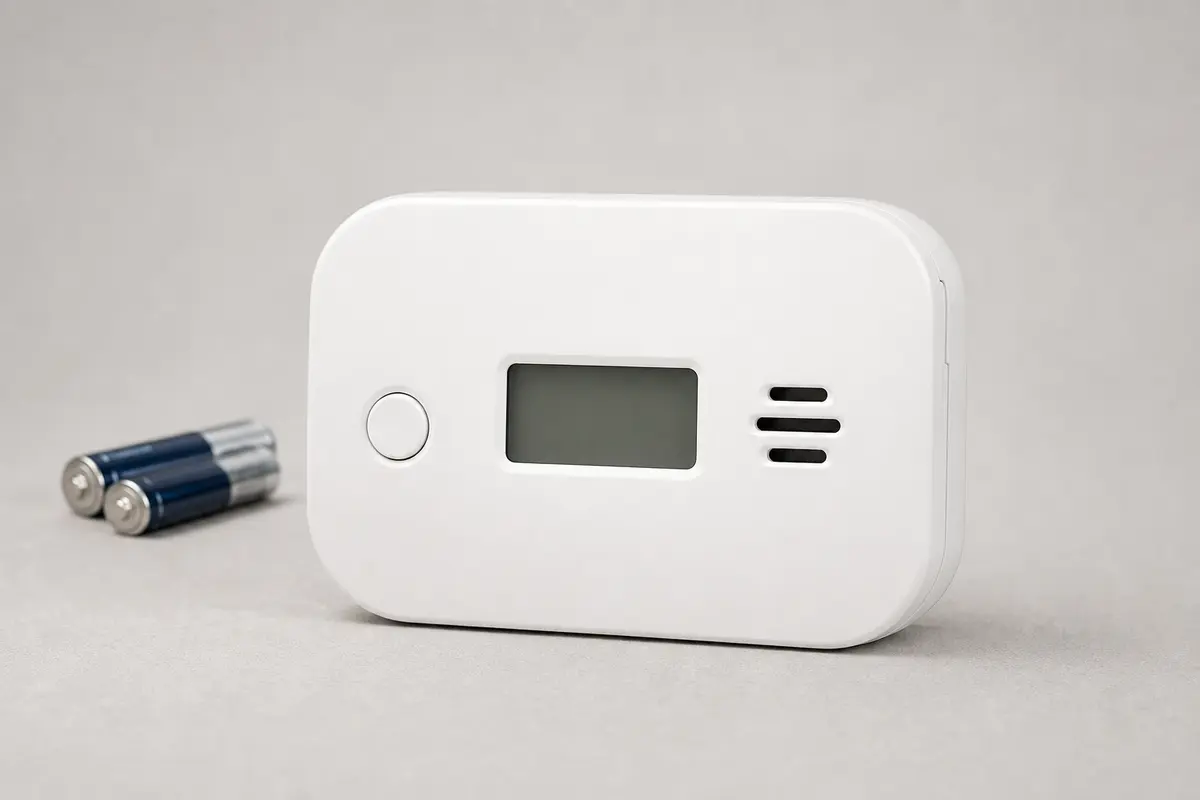
Helps when: Confirms a working alarm is present before you keep observing any gas or oil boiler burner problem.
Skip it when: Skip using an alarm as a repair test; leave the home and call for help if it sounds or anyone has symptoms.
Compare carbon monoxide alarm on AmazonAs an Amazon Associate I earn from qualifying purchases. Repair Riot may earn a commission at no extra cost to you.
The boiler may not be proving flame, may have vent or condensate trouble, may lose the heat call, or may shut down on limit.
Only if your manual allows it and you are trained. Otherwise this is service work.
No. Repeated lockout resets are a stop point.
Yes, many condensing boilers shut down when condensate cannot drain.
Gas smell, soot, flue odor, flame rollout, or a carbon monoxide alarm means leave and call emergency help.
Only if there is no leak, lockout, gas smell, carbon monoxide alarm, relief-valve discharge, or overheating clue. Stop and call for service when any safety clue appears.
Photograph the pressure gauge, display or fault light, the affected zone or radiator, any damp area, and the exact timing of the symptom.
Repeated lockout, pressure changes, leaks, combustion clues, electrical trips, stuck controls, or symptoms that return after a basic safe check all belong with a qualified boiler technician.
Repair Riot reviewed this page around burner timing, flame-proving clues, vent and condensate restrictions, high-limit behavior, lockout reset limits, and carbon monoxide boundaries. Source links support boiler maintenance and combustion safety context; the diagnostic sequence is original guidance.