Only one zone lags?
Zone valve, air, closed valve, or loop flow path.
A boiler not reaching temperature usually means the call is weak, pressure is low, air is blocking flow, circulation is poor, or the burner is short-cycling. Start with those visible clues.
Good clues are one zone lagging, a low gauge, gurgling emitters, hot supply with cool returns, or the boiler starting and stopping before the house catches up.
The useful split is slow normal recovery versus pressure, air, flow, or burner trouble.
Don’t start with: Do not turn gas valves, open burner compartments, or buy a circulator before proving the flow clue.
Zone valve, air, closed valve, or loop flow path.
Pressure loss or air path before performance tuning.
Trapped air can block heat delivery.
Poor flow or circulation is the next path.
Service diagnosis for controls, burner, flow, or limits.
The thermostat, gauge, piping, and emitter temperatures show whether the boiler is slow by design or being held back by pressure or flow.
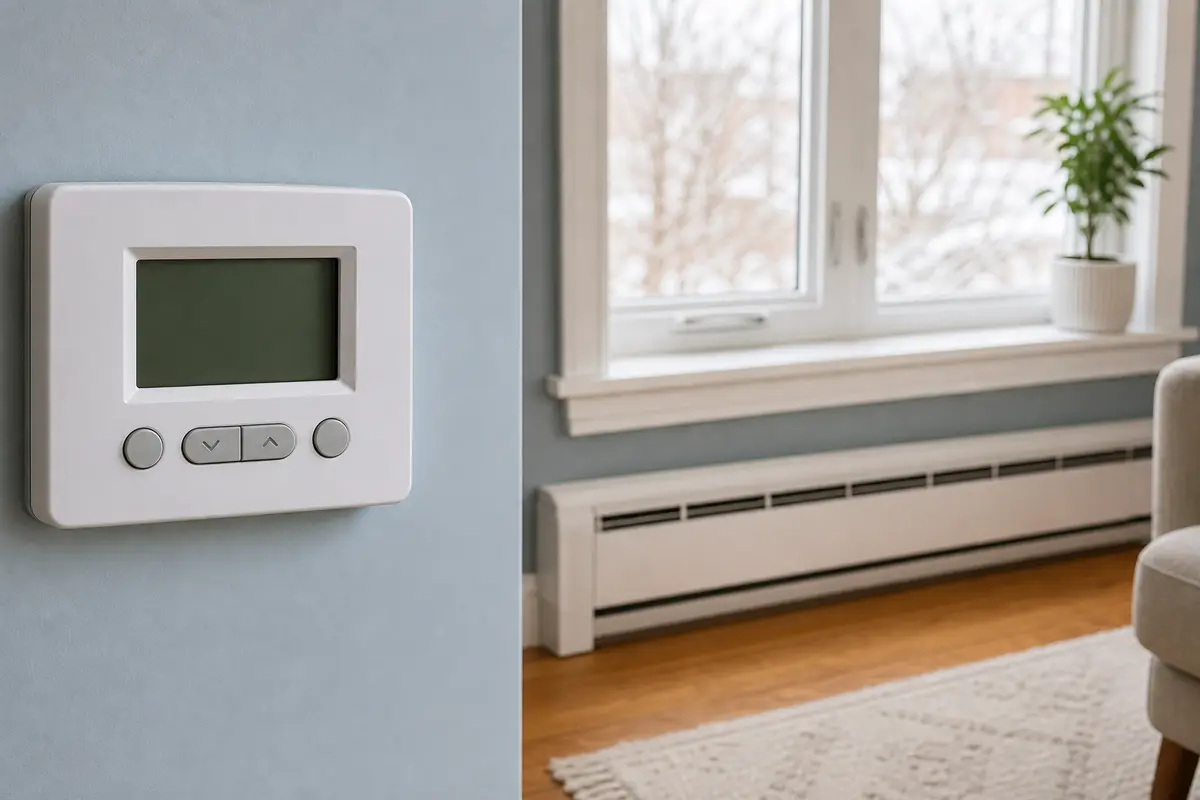
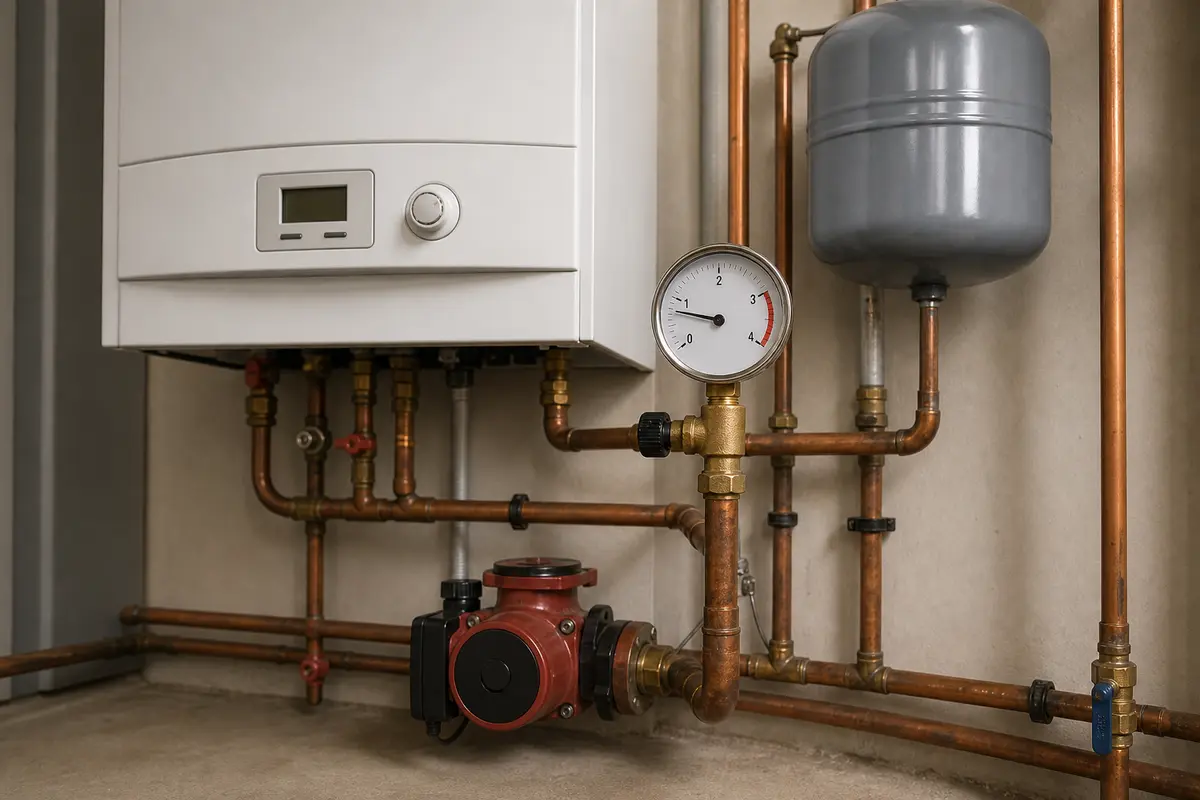
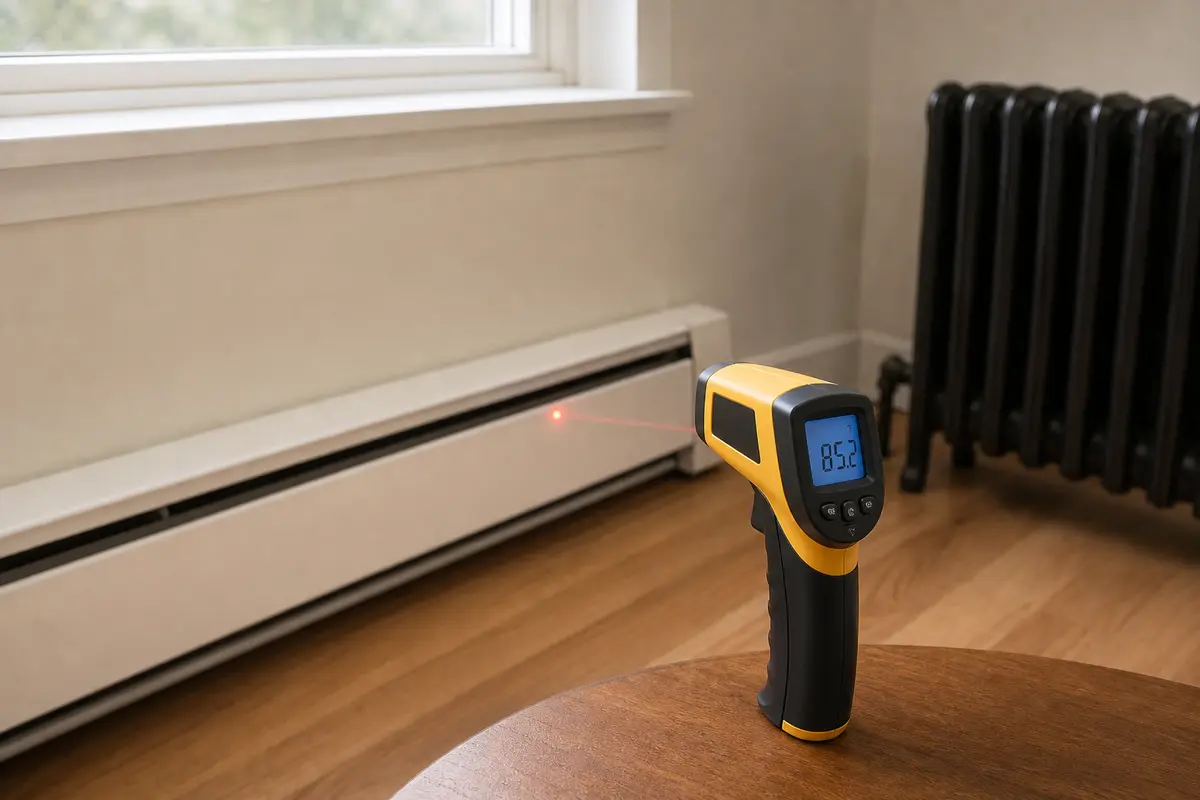
Confirm whether the boiler is limited by pressure, air, flow, zone control, or short cycling. Match the exact symptom, boiler type, pressure reading, and safe diagnosis before ordering anything.
Boilers can recover more slowly than forced-air systems, but they should still make steady progress during a real heat call. The clue is whether the boiler temperature, zone heat, and room temperature all move together.
Low pressure and trapped air make a boiler look undersized or weak. In practice, air blocks heat delivery and repeated fresh water can make the air problem return.
Use which zone heats, how the pipes warm, and whether the boiler short cycles to avoid buying the wrong part.
| Pattern | Likely cause | Next move |
|---|---|---|
| One zone slow | Zone or air issue | Check thermostat call and zone clues. |
| All zones weak with low pressure | Pressure/water-loss path | Find pressure problem first. |
| Supply hot, emitters cool | Flow restriction or circulator path | Document and call service. |
| Short cycles before catch-up | Limit, flow, or burner service | Stop repeated resets. |
Good flow carries heat from the boiler into the loop. If heat stays near the boiler, the issue may be air, a closed valve, stuck zone valve, weak circulator, or a blocked loop.
Slow recovery is not urgent by itself. It becomes urgent when the boiler leaks, overheats, locks out, trips power, or short cycles hard while pressure is abnormal.
These tools help compare outside clues and record timing without opening the boiler or touching hot pipes.
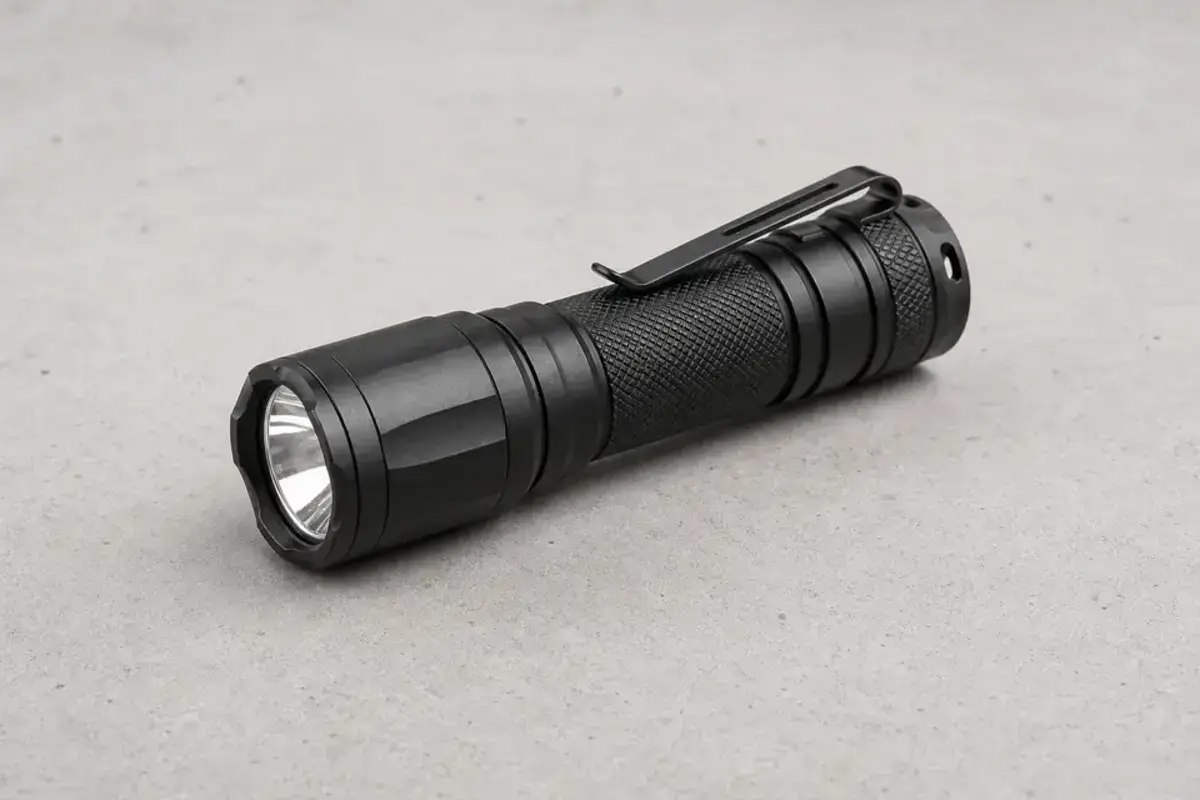
Helps when: Helps read the pressure gauge, display, valve positions, leak tracks, and switch area without opening covers.
Skip it when: Skip close inspection if the boiler is leaking near electrical parts, smells like gas, or has locked out again.
Compare flashlights on Amazon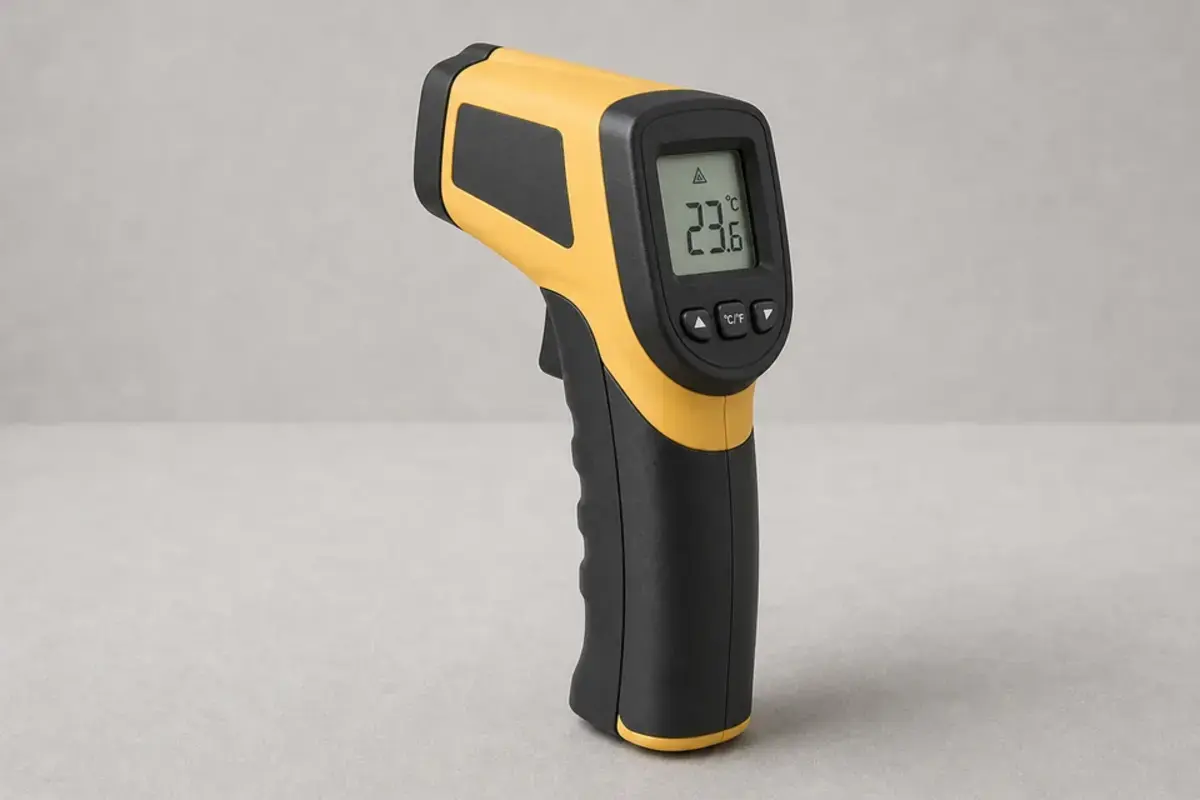
Helps when: Compares accessible supply, return, baseboard, or radiator temperatures without touching hot metal.
Skip it when: Skip temperature checks when piping is not safely reachable or the boiler is leaking, locked out, or overheating.
Compare infrared thermometers on Amazon
Helps when: Records pressure readings, fault lights, reset timing, leak timing, zones that heat, and what changed first.
Skip it when: Skip buying one if clear photos and a written symptom timeline are already ready for the technician.
Compare notebooks on AmazonAs an Amazon Associate I earn from qualifying purchases. Repair Riot may earn a commission at no extra cost to you.
Common causes are low pressure, trapped air, poor circulation, zone trouble, short cycling, or a weak/unstable heat call.
Yes. Air can block water movement and leave radiators or baseboards lukewarm even when the boiler is hot.
It often means heat is not flowing through the loop well, so circulation, air, valves, or restrictions need attention.
Not until the exact flow clue is proven. A cold zone can also be air, a valve, thermostat demand, or a blocked loop.
After a deep setback or very cold weather, recovery can be slow. The concern is stalled progress, abnormal pressure, or short cycling.
Only if there is no gas smell, carbon monoxide alarm, leak near wiring, relief-valve discharge, breaker trip, overheating, or repeat lockout. Stop and call for service when any safety clue appears.
Photograph the pressure gauge, display or fault light, the first wet point if water is involved, the thermostat call, and any zone or fixture that proves the pattern.
Recurring pressure loss, relief discharge, boiler-body leakage, repeat lockout, burner trouble, electrical symptoms, or any check that requires opening a boiler compartment belongs with a qualified boiler technician.
Repair Riot reviewed this page around slow recovery, pressure and air clues, hydronic flow, zone behavior, short cycling, and service boundaries. The source links support boiler maintenance and combustion safety context; the diagnostic sequence is original guidance.