Does pressure rise as water heats?
Expansion tank trouble is likely.
A waterlogged expansion tank usually shows itself as pressure climbing during a heat call, then a wet relief outlet after the boiler gets hot. Watch the cold-to-hot gauge change and stop if discharge repeats; the tank, feed valve, and relief valve need testing together.
Pressure rise plus relief discharge is the classic pattern. The same symptoms can also involve a feed valve, isolation valve, or failed relief valve, so the tank is a suspect rather than a part to buy blindly.
The goal is to document the pattern clearly enough that the technician can test the tank, fill valve, and relief valve without guesswork.
Don’t start with: Do not drain, recharge, or tap-test the tank as a repair plan on a hot pressurized system. Start with gauge behavior and relief-valve clues.
Expansion tank trouble is likely.
Treat it as pressure safety, not cleanup.
Feed-valve overfill may be involved.
Do not change it blindly; report it.
Tell the technician what changed.
A tank problem is usually seen through pressure behavior and relief-valve discharge, not by buying a tank first.
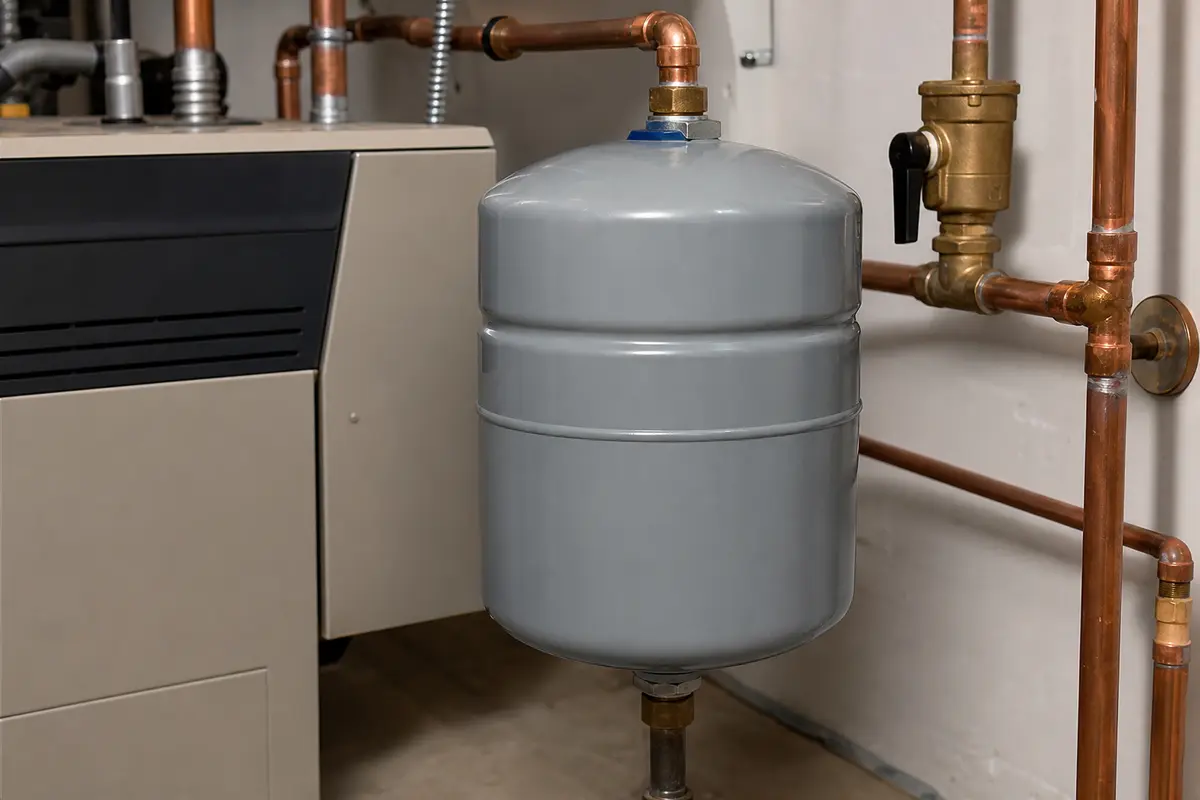
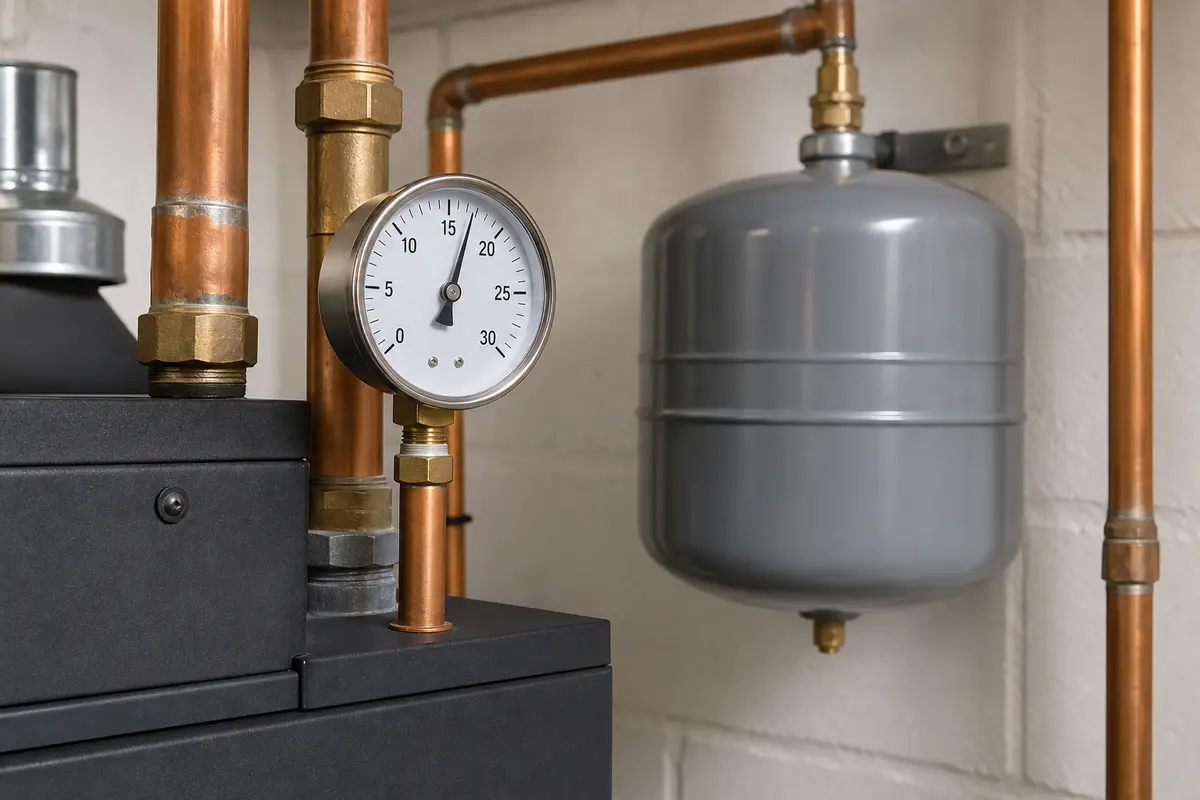
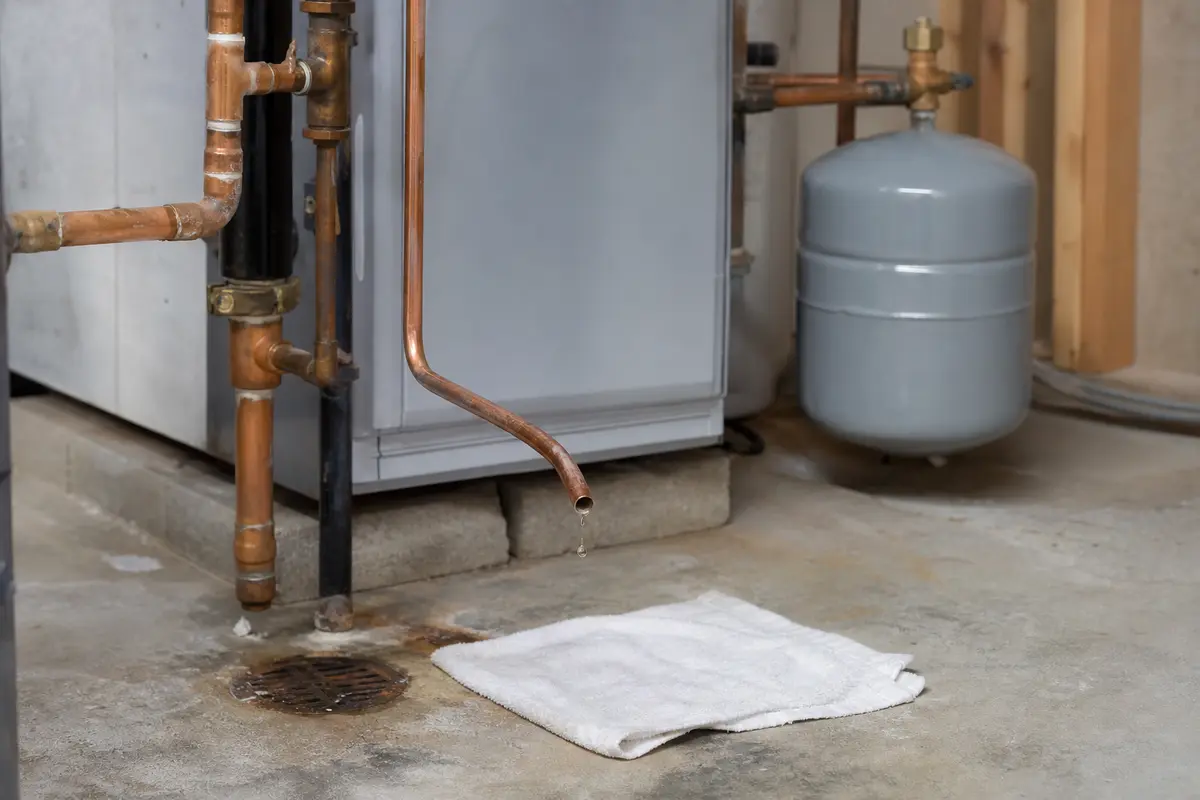
Confirm pressure-rise behavior and relief-valve involvement before choosing tank parts. Match the exact symptom, boiler type, gauge behavior, and service boundary before ordering anything.
The expansion tank gives heated water a cushion. When that cushion is lost, pressure can rise quickly and force the relief valve to open.
Expansion tanks are connected to hot pressurized water, so rough tests can make the problem worse.
Use pressure and discharge behavior to decide whether the tank is the lead suspect.
| Clue | What it suggests | Next move |
|---|---|---|
| Pressure rises sharply when hot | Expansion cushion missing | Schedule tank/fill-valve testing. |
| Relief outlet drips after rise | Overpressure response | Stop if discharge continues. |
| Cold pressure already high | Fill-valve or overfeed issue | Do not add water. |
| No pressure rise, tank area dry | Look elsewhere | Check zones, air, or thermostat path. |
A technician can safely isolate, depressurize, and test the tank charge, then verify the fill valve and relief valve. That sequence matters because a new tank will not fix an overfeeding fill valve.
The best service note is a short timeline: cold pressure, hot pressure, when the relief pipe drips, and whether symptoms began after recent service.
These tools help you observe and document the pressure pattern. They are not tank-recharge or relief-valve replacement tools.
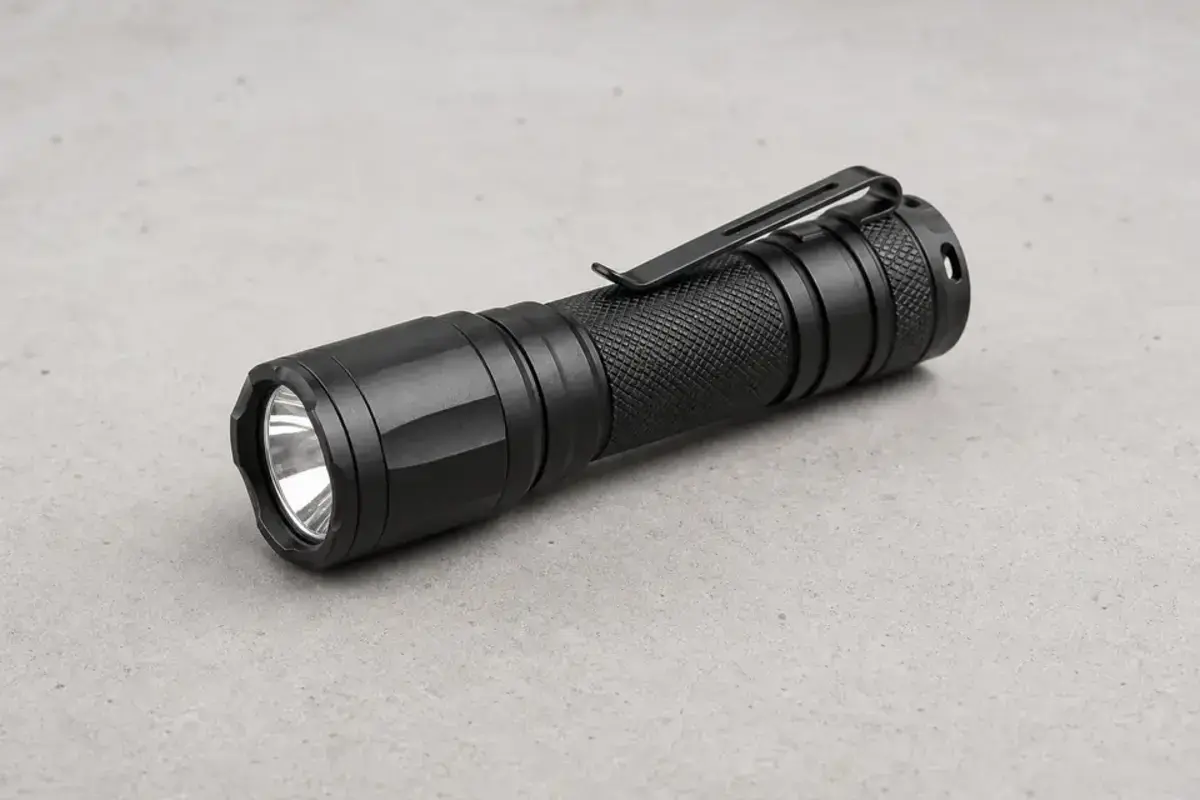
Helps when: Helps read gauges, trace drip paths, see valve positions, and inspect zone piping without touching hot parts.
Skip it when: Skip close inspection when the boiler is leaking near electrical parts, locked out, overheating, or giving combustion warnings.
Compare boiler-room flashlight on Amazon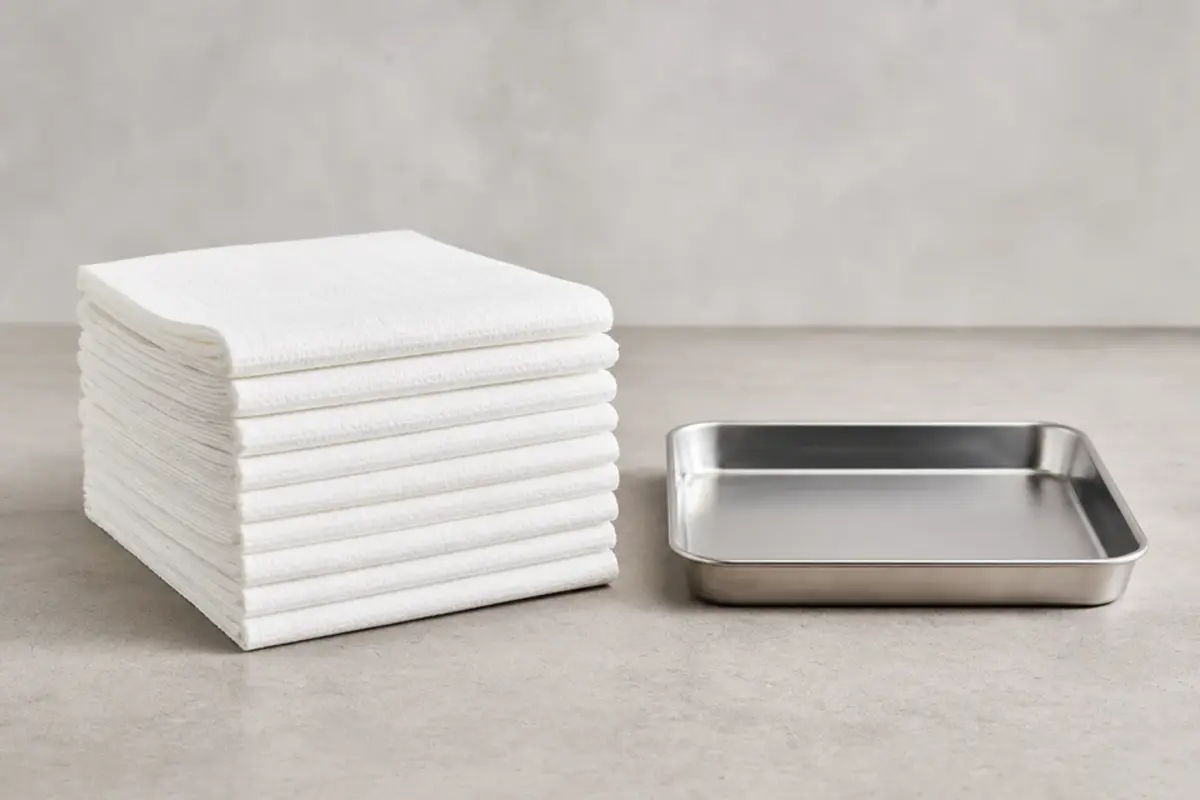
Helps when: Dry a suspect discharge pipe or floor spot so a fresh drip pattern is easy to confirm.
Skip it when: Skip towel-only cleanup when water keeps dripping, the relief pipe is active, or hot water is present.
Compare absorbent towels on Amazon
Helps when: Records pressure, timing, which zone heats, what floor is affected, and what changes between cold and hot operation.
Skip it when: Skip buying one if clear photos and a written symptom timeline are already ready for the technician.
Compare notebook or phone notes on AmazonAs an Amazon Associate I earn from qualifying purchases. Repair Riot may earn a commission at no extra cost to you.
Common clues are pressure rising during heating, relief-valve dripping, or repeated pressure swings after the boiler cools and reheats.
Do not keep running it if pressure climbs or the relief outlet discharges. That needs service.
A tap sound is not a reliable repair decision. Gauge behavior and a safe professional test matter more.
Yes. A feed valve that overfills the boiler can make pressure rise and trigger the relief valve.
Maybe. A relief valve that has opened repeatedly may not reseat cleanly, but the pressure cause should be corrected first.
Only if there is no leak, relief-valve discharge, lockout, gas smell, carbon monoxide alarm, overheating, or electrical concern. Stop and call for service when any safety clue appears.
Photograph the pressure gauge, boiler display or fault light, the affected zone or radiator, any damp area, and the timing of the symptom during a heat call.
Pressure changes, relief discharge, leaks, repeated lockouts, stuck zone controls, combustion clues, or symptoms that return after basic observation belong with a qualified boiler technician.
Repair Riot reviewed this page around expansion tank failure symptoms, pressure rise, relief-valve discharge, fill-valve lookalikes, and service testing boundaries. The source links support boiler pressure and safety context; the diagnostic sequence is original guidance.