Gauge is low?
Pressure loss or refill path first; air may be a symptom.
Boiler pipes usually gurgle when air is in the hydronic loop, pressure is low, or flow is uneven. Start by checking the cold pressure gauge; look for one radiator cold at the top before bleeding anything.
Good clues are cool radiator tops, gurgling in one zone, a low gauge, recent bleeding, refill work, or a sound that changes when the circulator starts.
The useful split is normal trapped-air noise versus pressure loss, poor flow, or a sharper banging problem.
Don’t start with: Do not bleed every radiator by guess or add water repeatedly before reading the pressure gauge and checking why air returned.
Pressure loss or refill path first; air may be a symptom.
Trapped air path if the system pressure is in range.
Pressure may not have been restored correctly.
Air entry, expansion, fill, or circulator service path.
Stop normal troubleshooting and treat as a safety/service clue.
Gurgling is easier to sort when the pressure gauge, radiator bleed point, and cold-top pattern are checked together.
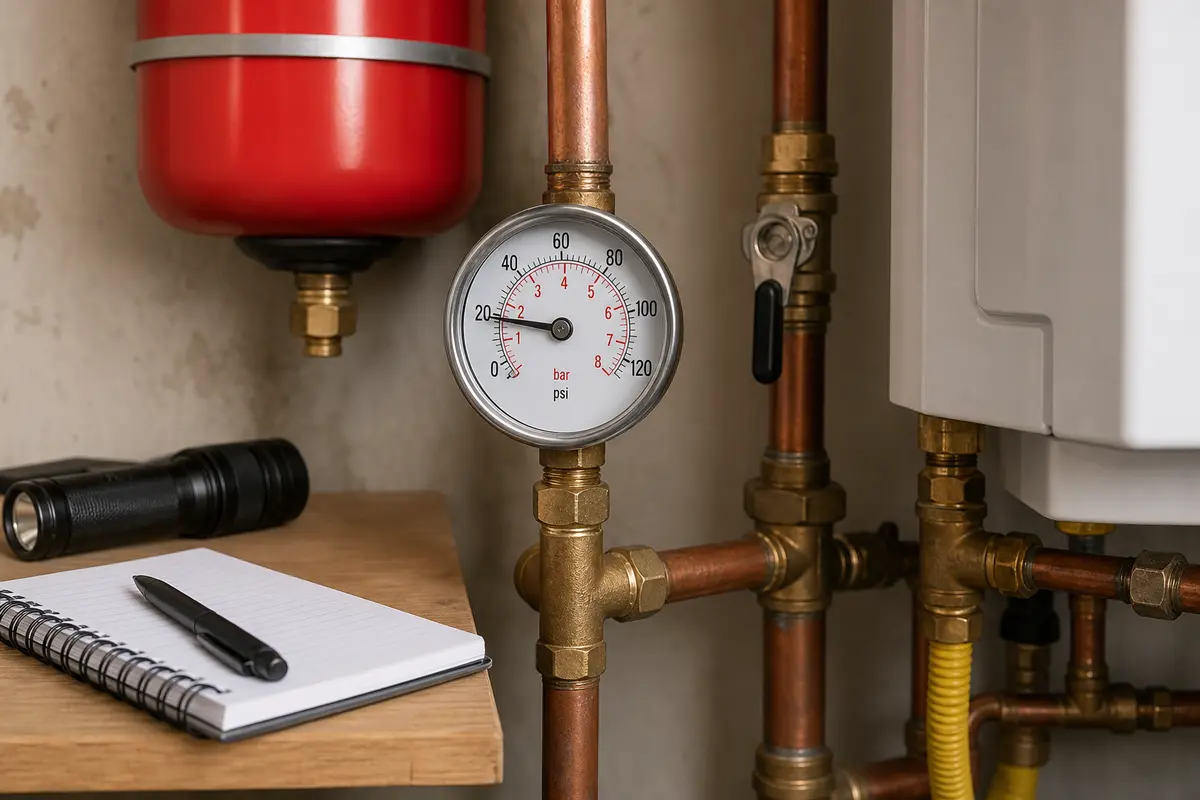
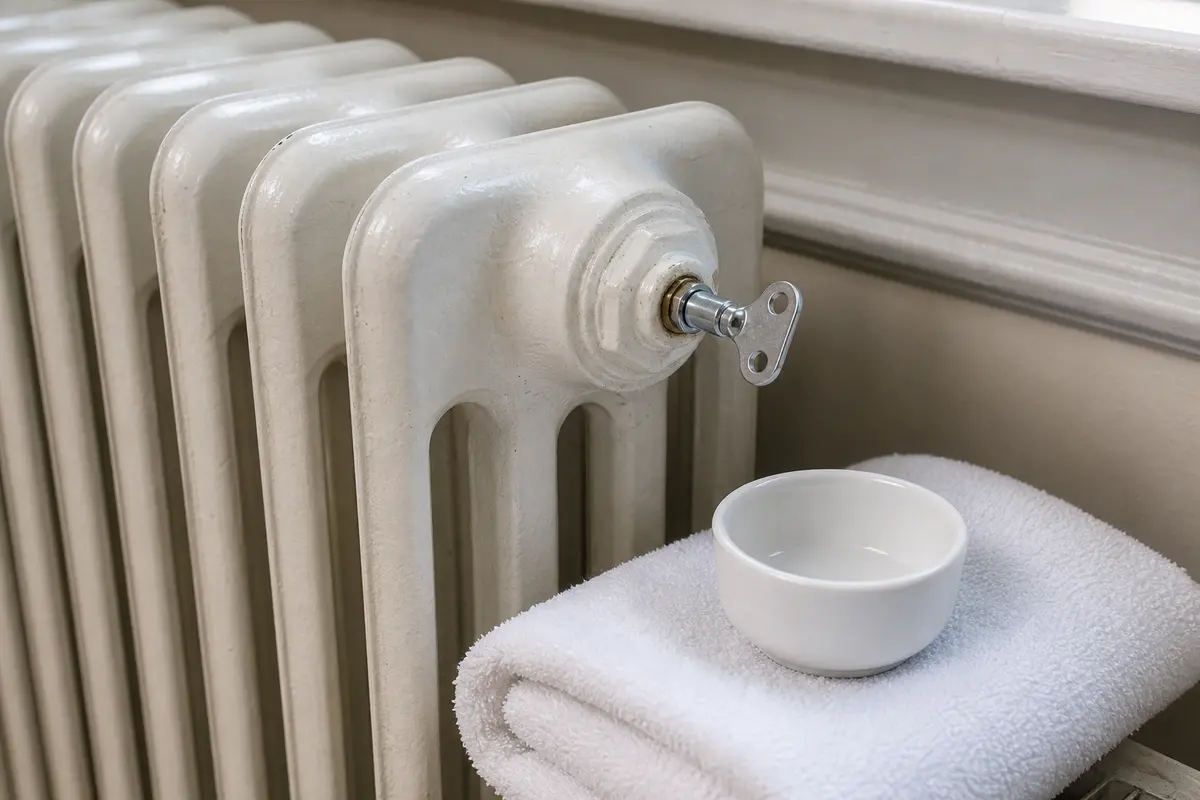
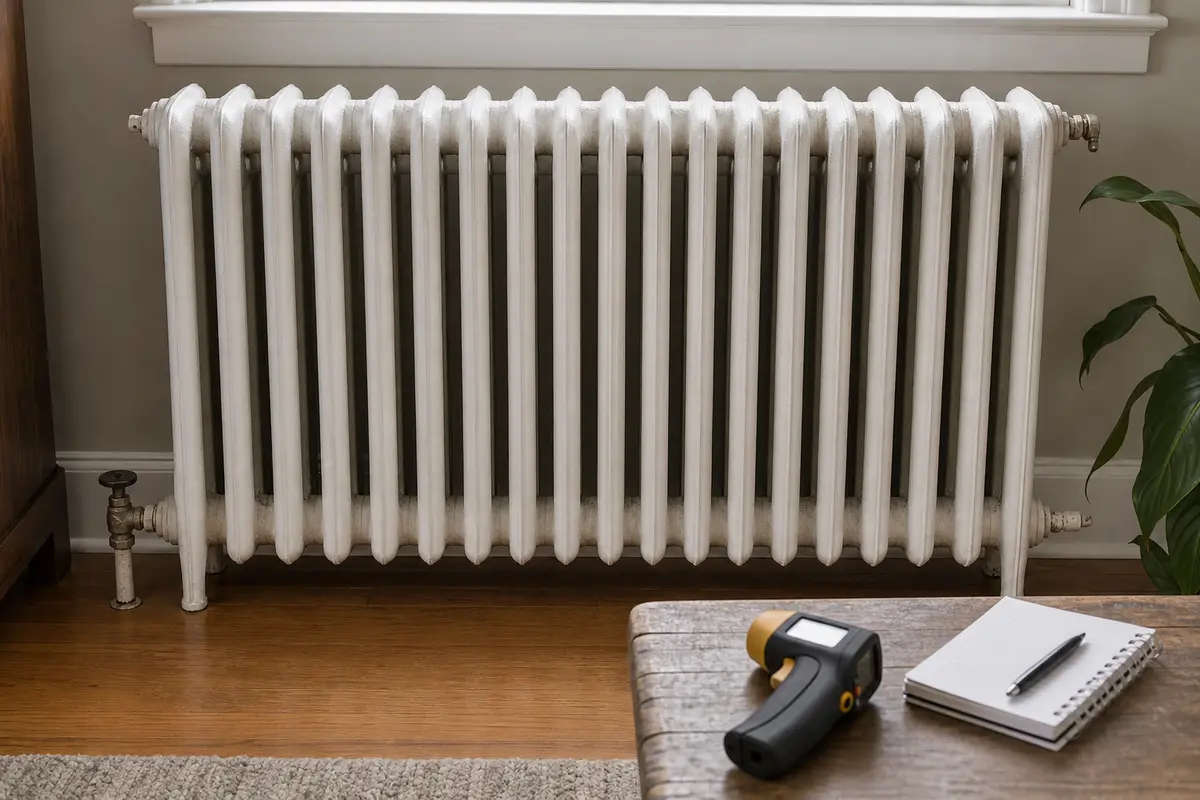
Confirm whether the gurgle is trapped air, low pressure, repeated air entry, poor flow, or an overheating/banging clue before buying vents or parts. Match the exact appliance model, control setup, measurements, and confirmed diagnosis before ordering anything.
Hydronic systems move water, and trapped air makes water sound like it is running, bubbling, or rushing through pipes and emitters. The reason the air is there matters more than the sound alone.
Bleeding releases air and can lower system pressure. If pressure is already low, more bleeding can make the boiler lock out or pull in more air.
The usual mistake is bleeding radiators before checking pressure. Good clue: if the gauge is already low, air is probably a symptom of pressure loss or refill trouble, not something to chase one valve at a time.
Match the noise to pressure and heat delivery. That keeps normal radiator bleeding separate from repeated air, low pressure, and circulation faults.
| Pattern | Likely path | Next move |
|---|---|---|
| One cold-top radiator | Trapped air | Bleed only by correct procedure and recheck pressure. |
| Low gauge plus gurgle | Pressure loss or refill path | Find leak or relief clues first. |
| Gurgle returns weekly | Air entry or system service issue | Document timing and call service. |
| All zones weak | Flow, air, circulator, or pressure path | Compare zones and pressure. |
| Banging or boiling | Unsafe flow or overheating path | Shut down and call service. |
A radiator bleed key is useful only when the system design and pressure procedure are understood. It is not a fix for a system that keeps making air.
Repeated air can come from a pressure-loss problem, expansion issue, automatic vent trouble, circulator behavior, or improper refill. The system needs the cause found, not just more air removed.
These tools support pressure reading, careful air checks, and clean symptom notes without opening boiler compartments.
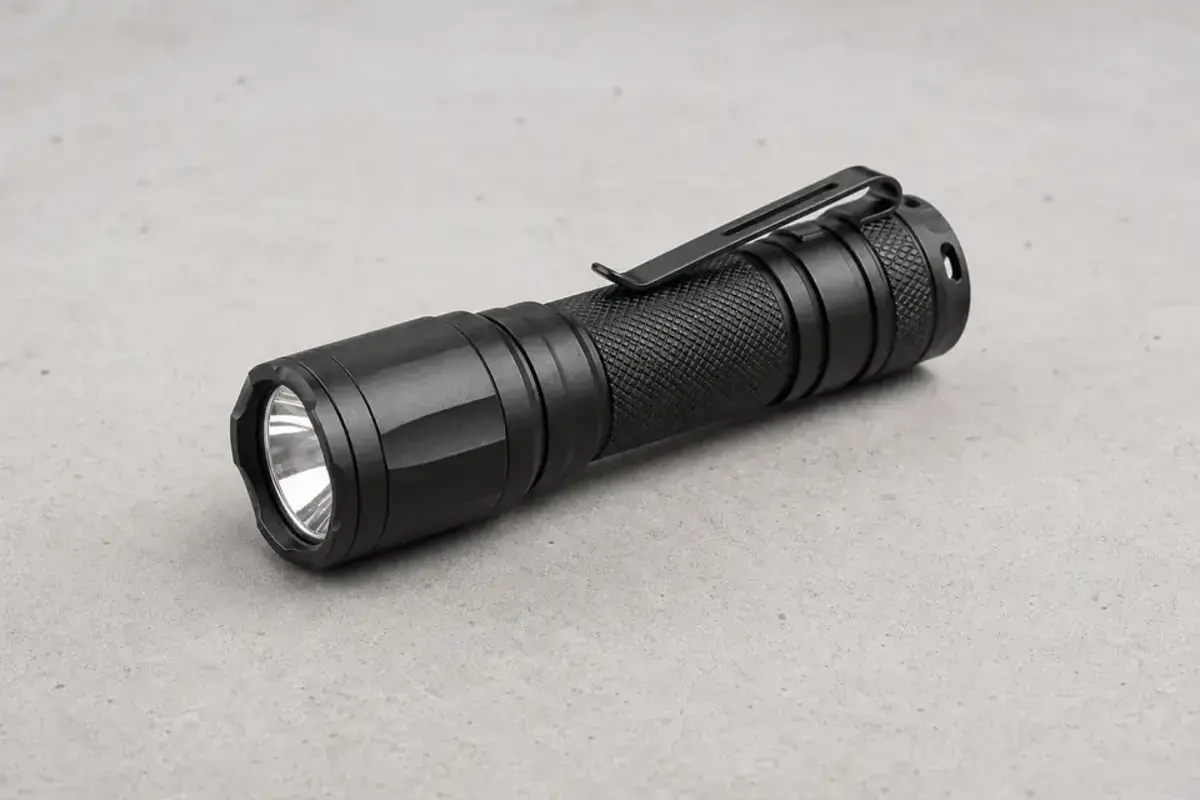
Helps when: Helps read the pressure gauge, pilot area, relief outlet, valve positions, and fault display without opening covers.
Skip it when: Skip close inspection if the boiler is leaking near electrical parts, smells like gas, or has locked out again.
Compare flashlights on Amazon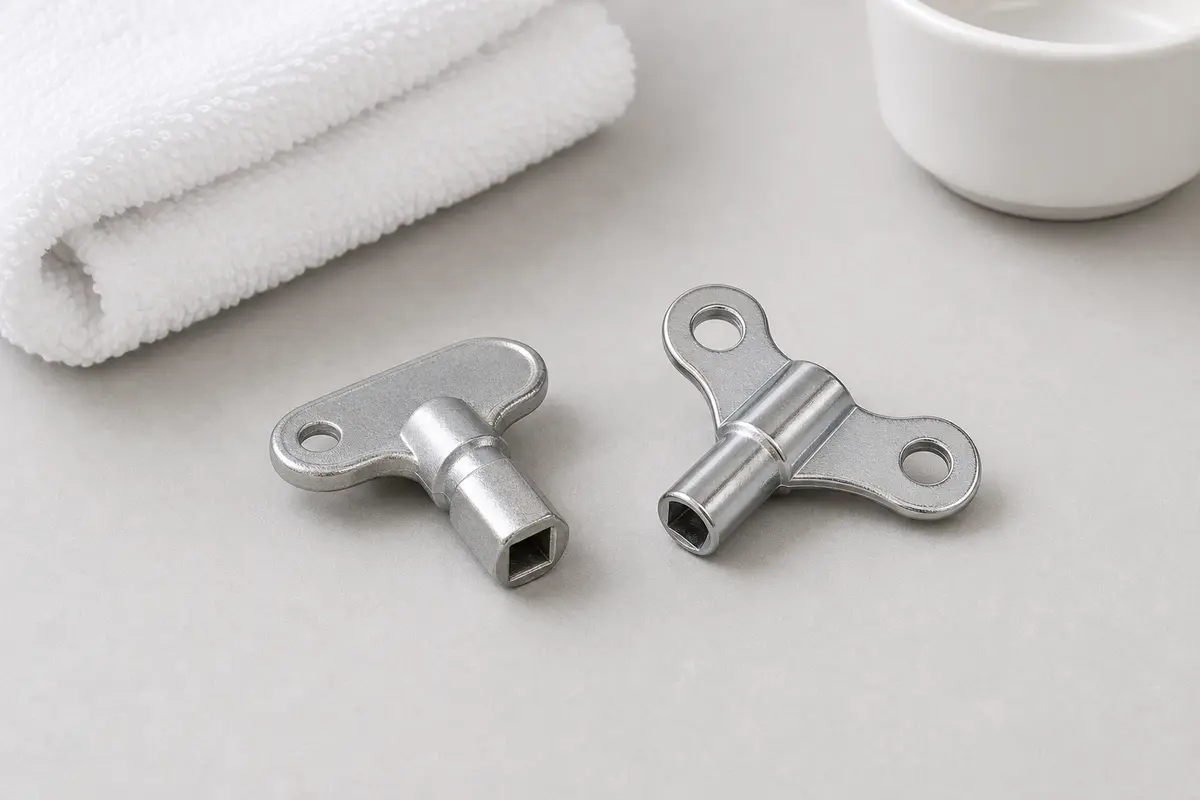
Helps when: Fits many radiator bleed valves so trapped air can be released only when the boiler procedure allows it.
Skip it when: Skip bleeding if pressure is low, the system is hot, the valve is stuck, or the boiler manual calls for service.
Compare radiator bleed keys on Amazon
Helps when: Records pressure readings, reset timing, fault lights, leak timing, pilot behavior, and what changed first.
Skip it when: Skip buying one if clear photos and a written symptom timeline are already ready for the technician.
Compare notebooks on AmazonAs an Amazon Associate I earn from qualifying purchases. Repair Riot may earn a commission at no extra cost to you.
Most gurgling comes from air in the hydronic loop, often tied to low pressure, recent bleeding, refill work, or poor flow in one zone.
Read the boiler pressure first. Bleeding can lower pressure, so it should be done only when the system procedure is clear and the pressure can be restored correctly.
Yes. Low pressure can let air collect and can make circulation noisy or weak.
Air returning usually means the system is losing pressure, pulling in air, venting improperly, or has a fill/expansion issue that needs service.
No. Gurgling is usually air and water movement. Sharp banging, boiling, or knocking with pressure changes is more urgent and should be treated as a service clue.
Only if there is no gas smell, carbon monoxide alarm, leak near wiring, relief-valve discharge, breaker trip, overheating, or repeat lockout. Stop and call for service when any safety clue appears.
Photograph the pressure gauge, display or fault light, first wet point if water is involved, thermostat call, pilot or burner clue from outside the cover, and the timing of the symptom.
Recurring pressure loss, relief discharge, boiler-body leakage, repeat lockout, pilot or burner trouble, electrical symptoms, or any check that requires opening a boiler compartment belongs with a qualified boiler technician.
Repair Riot reviewed this page around hydronic air noise, pressure checks, radiator bleeding boundaries, flow clues, and repeated-air service triggers. The source links support boiler maintenance and combustion safety context; the diagnostic sequence is original guidance.