Pressure high while hot?
Expansion, fill, gauge, or circulation branch before valve-only replacement.
A leaking boiler pressure relief valve means either pressure rose high enough to open it or the valve no longer reseats cleanly. In practice, the first good clue is simple: confirm the outlet, then compare pressure hot and cold before buying a valve.
Good clues are hot-pressure rise, a waterlogged expansion tank, a fill valve feeding too much water, debris on the relief seat, or a valve that opened once and now drips. Watch for the drip starting only after the burner runs.
The key split is active overpressure versus a relief valve that is seeping after a previous discharge.
Don’t start with: Do not cap the relief pipe, plug the valve, redirect discharge unsafely, or replace the relief valve without finding why it opened.
Expansion, fill, gauge, or circulation branch before valve-only replacement.
Relief seat may not reseat, but the original overpressure cause still matters.
Fill valve or makeup-water path may be feeding pressure.
Valve service is possible after gauge accuracy and discharge history are checked.
Shut down and call urgently.
The relief outlet, pressure gauge, and expansion tank context decide whether the valve is the cause or just the messenger.
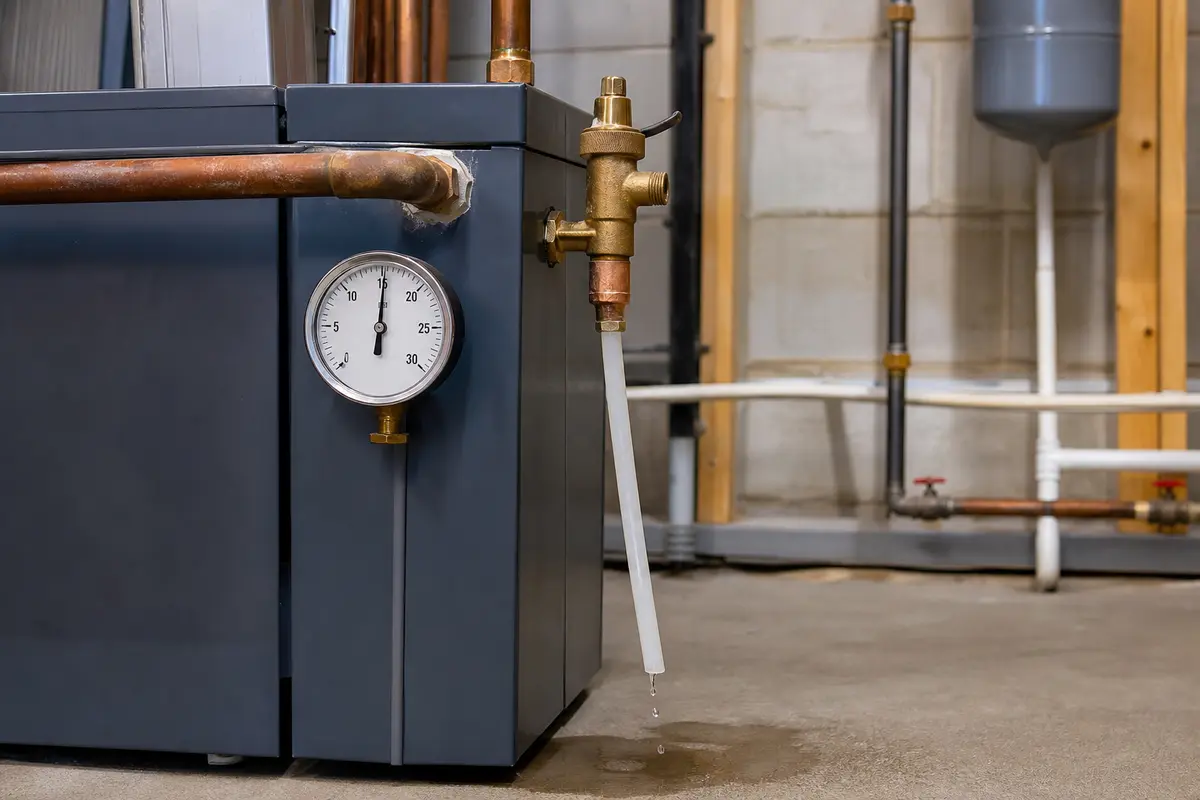
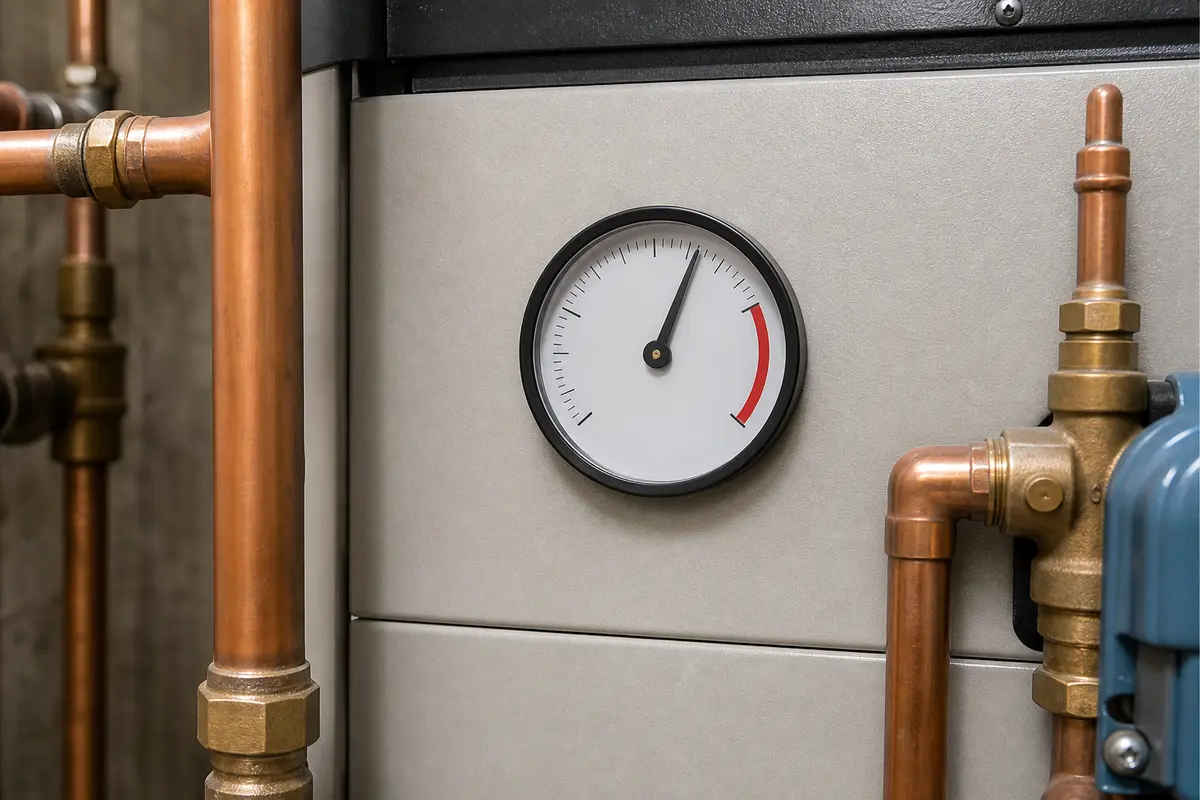
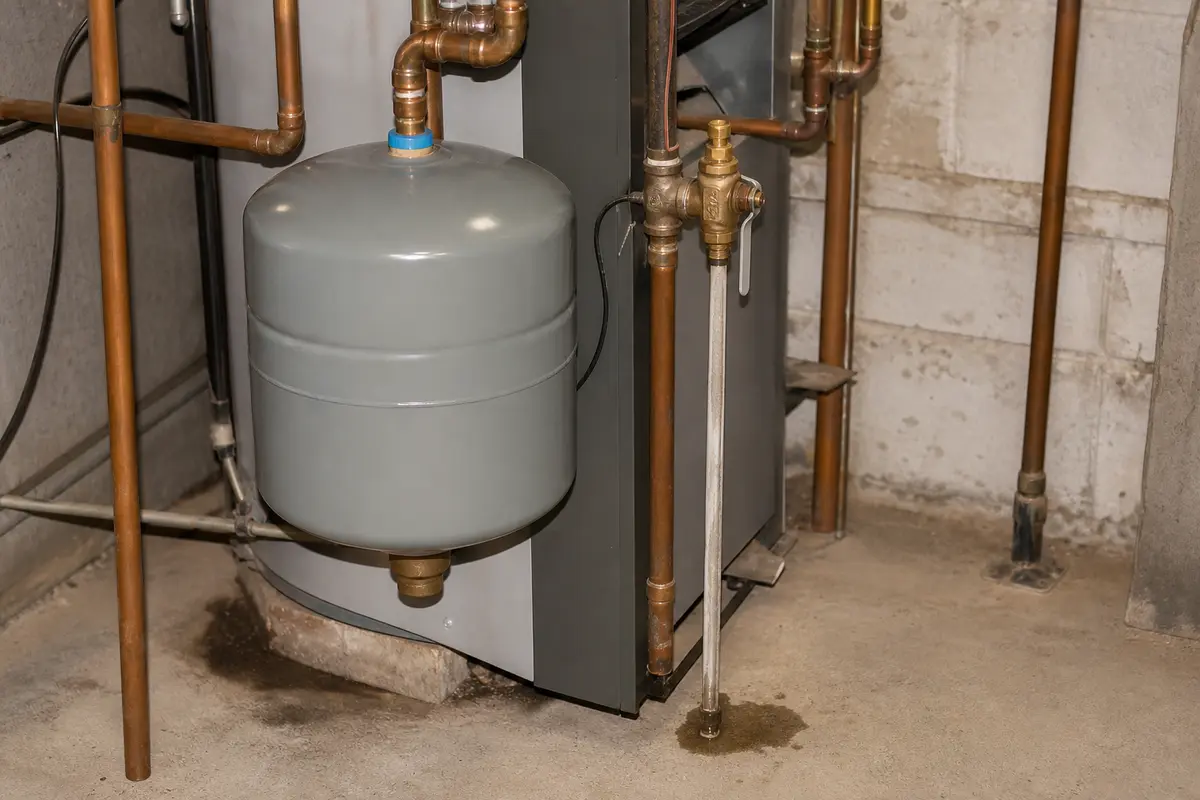
Confirm whether the relief valve is leaking from active overpressure, a high fill setting, expansion trouble, or a failed reseat before ordering a valve. Match the exact appliance model, control setup, measurements, and confirmed diagnosis before ordering anything.
Boiler water can run along pipes and make the wrong part look guilty. Start by finding the highest fresh wet point and the exact pipe or valve that is discharging. Good clue: after you dry the area, the true relief outlet gets wet again while nearby fittings stay dry.
A relief valve is a safety device. If it opened because pressure got too high, replacing the valve alone leaves the overpressure problem in place. Watch for the gauge climbing during the heat call; that pattern usually tells more than the puddle size.
Use cold pressure, hot pressure, and drip timing together. In practice, the strongest clue is when the drip starts: cold, only after the boiler heats, or after a recent pressure adjustment.
| Pattern | Likely branch | Next move |
|---|---|---|
| Drips only hot with rising pressure | Expansion or fill pressure path | Stop repeated firing and book service. |
| Cold pressure already high | Fill valve or makeup-water path | Do not add water; call service. |
| Drips after one discharge | Valve may not reseat | Replace only after cause is checked. |
| Pressure normal, steady seep | Valve/gauge service branch | Have valve and gauge evaluated. |
| Sprays or dumps water | Active safety event | Shut down and call urgently. |
A waterlogged expansion tank or overfeeding fill valve can make pressure rise as water heats. The field clue is simple: a gauge that starts reasonable cold, climbs hard during the heat call, and leaves the relief outlet wet is telling you the valve may be reacting to pressure, not causing it by itself.
A relief valve is not a nuisance drain. Blocking or redirecting it can create a dangerous pressure problem.
These tools help confirm the wet point, pressure timing, and service history without touching hot discharge water.
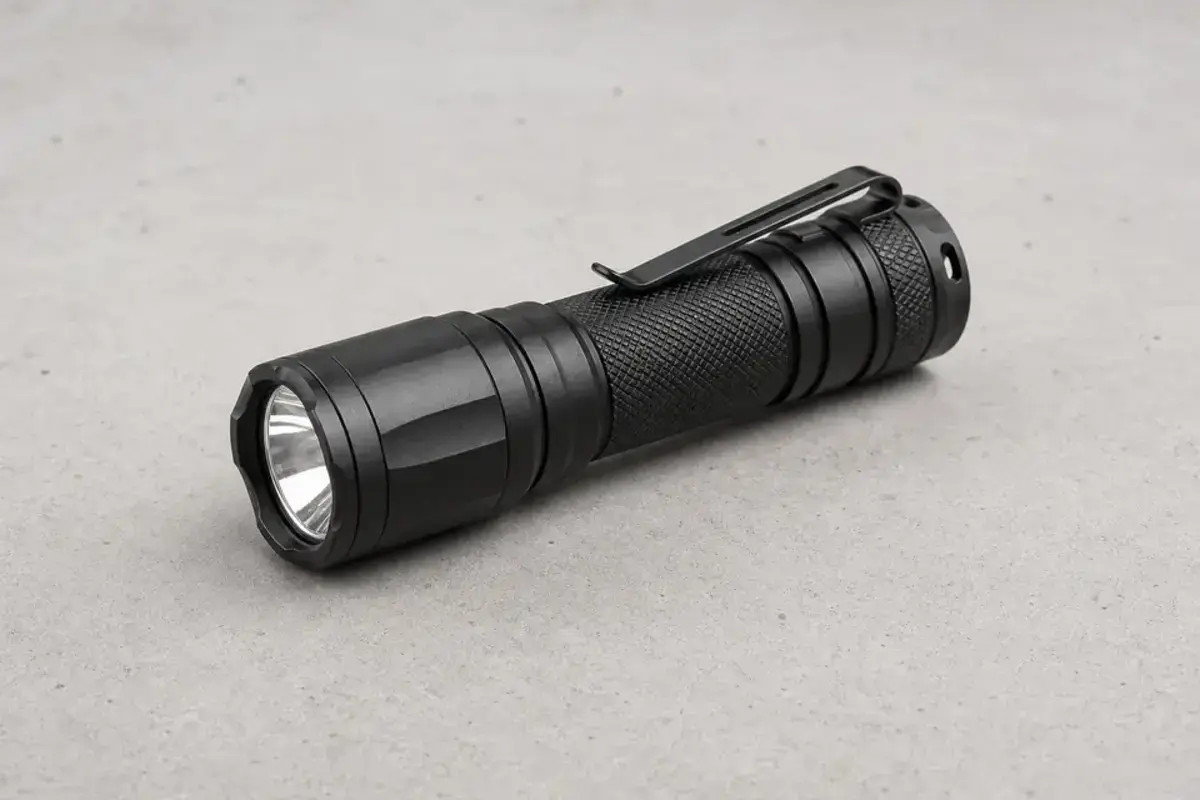
Helps when: Helps read the pressure gauge, pilot area, relief outlet, valve positions, and fault display without opening covers.
Skip it when: Skip close inspection if the boiler is leaking near electrical parts, smells like gas, or has locked out again.
Compare flashlights on Amazon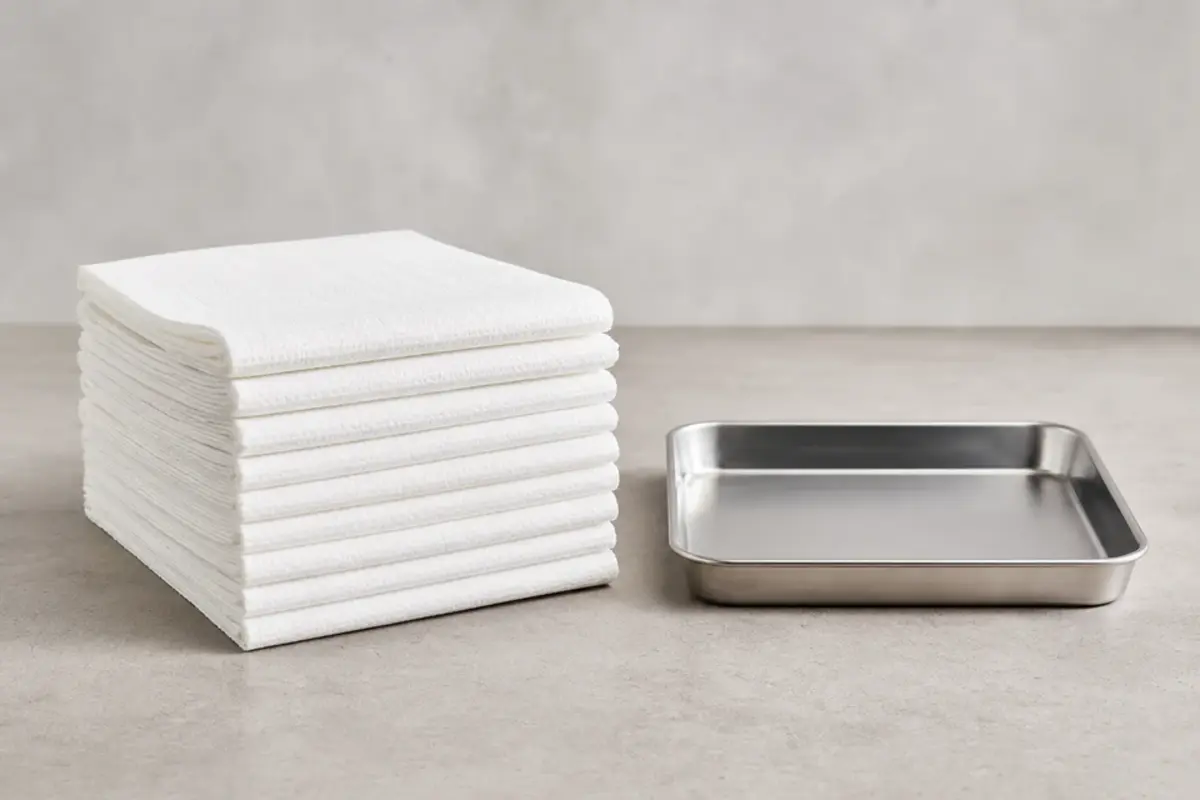
Helps when: Drys the floor, relief outlet, or pipe area so the first fresh wet point is visible instead of just the puddle path.
Skip it when: Skip cleanup-only checks when water is hot, pressure is climbing, or moisture is near wiring.
Compare absorbent towels on Amazon
Helps when: Records pressure readings, reset timing, fault lights, leak timing, pilot behavior, and what changed first.
Skip it when: Skip buying one if clear photos and a written symptom timeline are already ready for the technician.
Compare notebooks on AmazonAs an Amazon Associate I earn from qualifying purchases. Repair Riot may earn a commission at no extra cost to you.
It may have opened because pressure rose too high, or it may be unable to reseat after opening. Expansion tank, fill valve, gauge, and valve condition all matter.
No. Never cap, plug, or restrict a pressure relief valve or discharge pipe. It is a critical safety device.
Not until pressure behavior is checked. If overpressure caused the leak, a new relief valve can open again.
That often points to hot pressure rise from expansion tank, fill valve, or circulation-related pressure behavior.
A slow drip still needs service because it can signal overpressure or a safety valve that no longer seals correctly.
Only if there is no gas smell, carbon monoxide alarm, leak near wiring, relief-valve discharge, breaker trip, overheating, or repeat lockout. Stop and call for service when any safety clue appears.
Photograph the pressure gauge, display or fault light, first wet point if water is involved, thermostat call, pilot or burner clue from outside the cover, and the timing of the symptom.
Recurring pressure loss, relief discharge, boiler-body leakage, repeat lockout, pilot or burner trouble, electrical symptoms, or any check that requires opening a boiler compartment belongs with a qualified boiler technician.
Repair Riot reviewed this page around relief-valve discharge, pressure-gauge timing, expansion-tank and fill-valve clues, safety-valve boundaries, and boiler stop points. The source links support boiler maintenance and combustion safety context; the diagnostic sequence is original guidance.