Dropped once after bleeding radiators?
One careful top-up may be reasonable if no leak or relief discharge is present.
A boiler losing pressure usually means water is leaving the sealed heating loop. Start with a cold gauge reading, then look for the first fresh wet point or a wet relief outlet before topping up.
A one-time drop after bleeding radiators is different from a repeat drop over days. Good clues are damp fittings, mineral tracks, a wet relief outlet, and pressure that rises hot then falls cold.
Your next decision is whether this was one-time bleeding or an active leak/pressure problem.
Don’t start with: Do not keep refilling every day or adjust pressure valves by guess.
One careful top-up may be reasonable if no leak or relief discharge is present.
Treat it as water leaving the system, not normal boiler behavior.
Watch hot pressure and suspect expansion, fill, or relief-valve service.
Photograph the first wet point and plan a localized hydronic repair.
Hidden piping, relief discharge, or internal pressure-control trouble needs service diagnosis.
Pressure loss becomes much easier to diagnose when the cold gauge, first wet point, and relief outlet are documented before another refill.
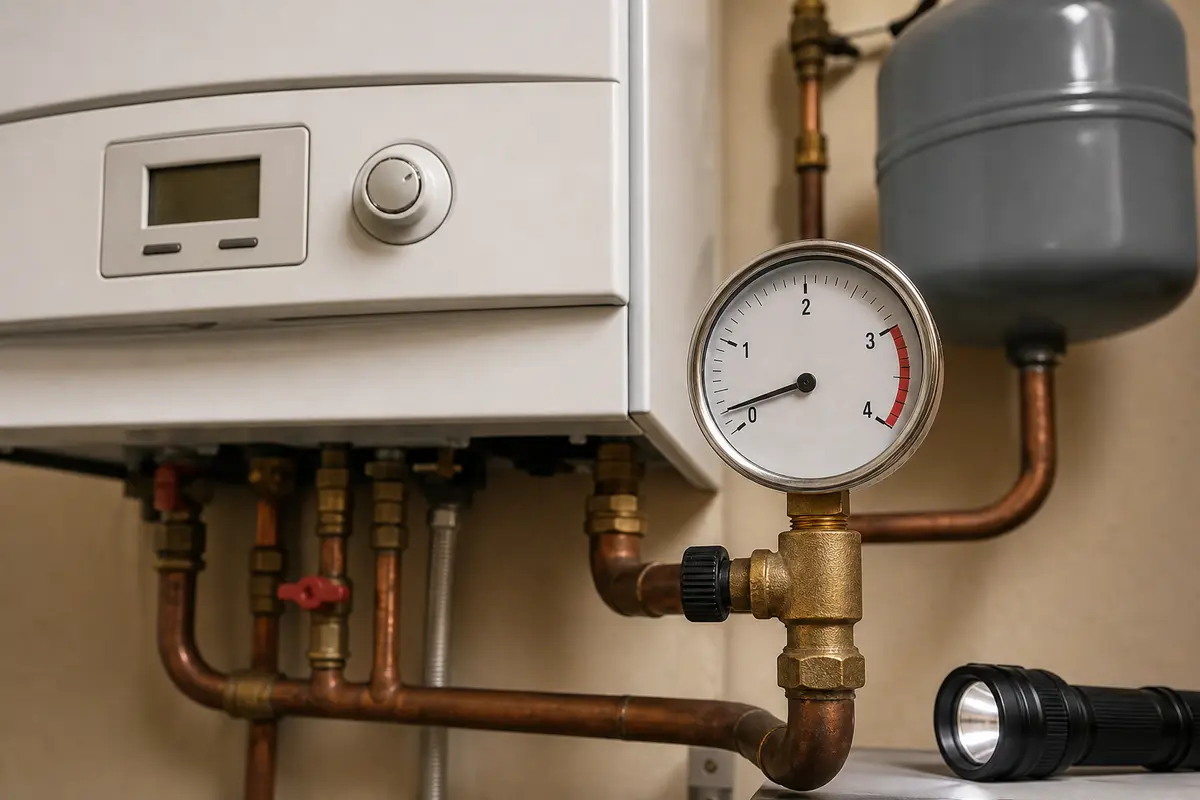
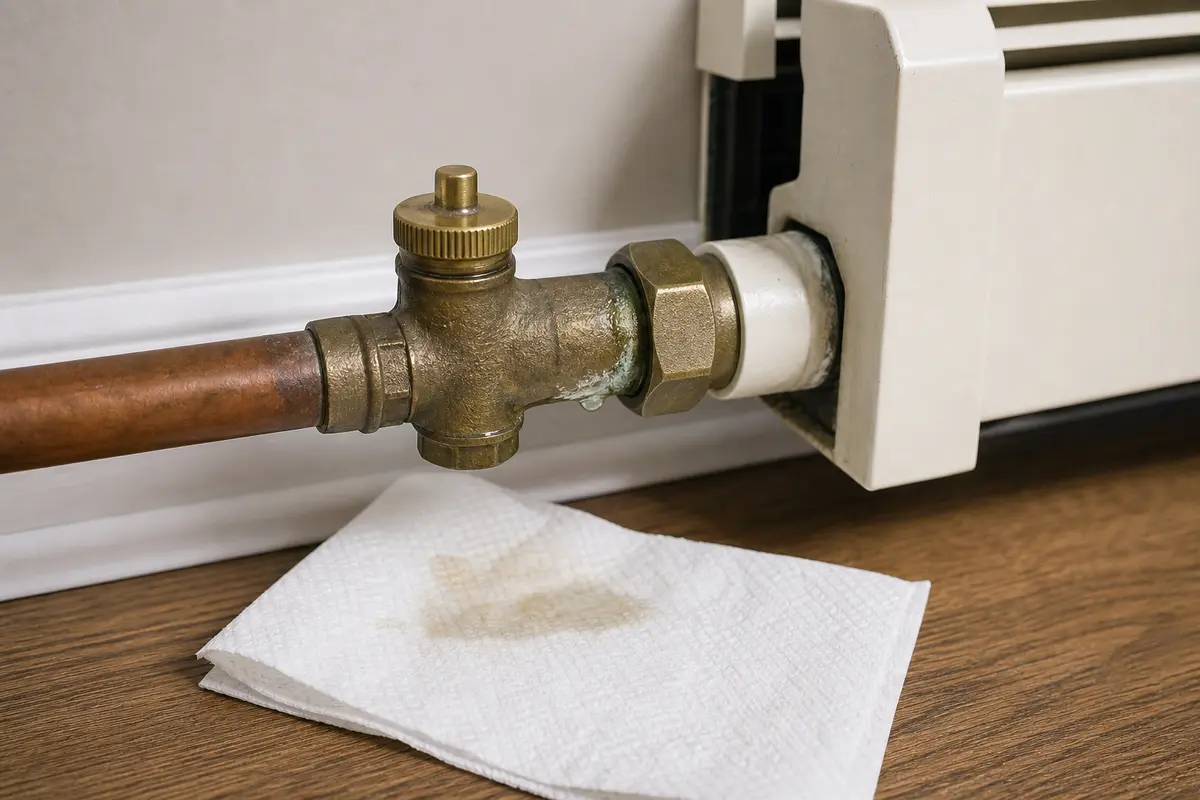
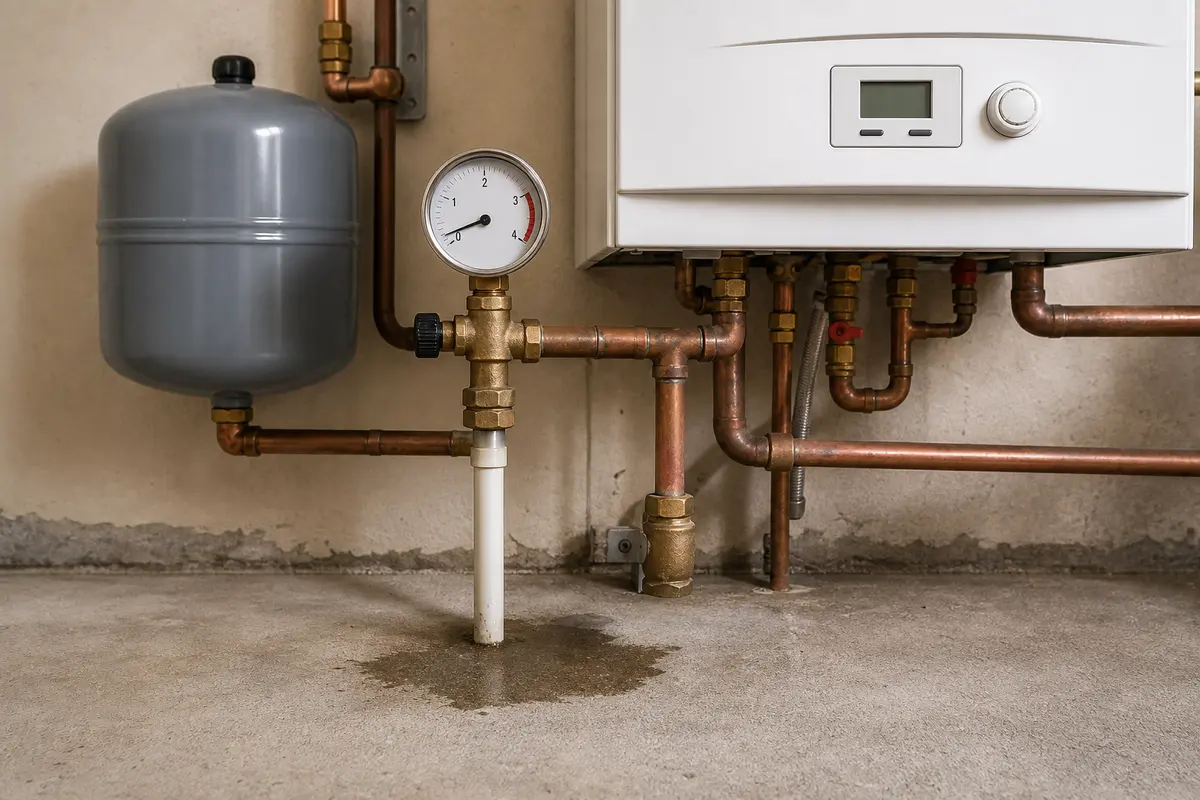
Confirm where pressure is going and whether the relief outlet, fitting, or expansion path is involved. Match the exact symptom, boiler type, pressure reading, and safe diagnosis before ordering anything.
A hydronic boiler should not use up water in normal operation. When the gauge falls repeatedly, water usually escaped or the system vented air and was not restored correctly.
The fill valve is not a daily maintenance control. In practice, repeated makeup water adds oxygen, brings in minerals, and can hide the real failure until corrosion or a no-heat lockout follows.
Use timing, gauge behavior, and the first wet point together. One clue by itself is often weak; the pattern is what points to the next safe move.
| Pattern | Likely branch | Next move |
|---|---|---|
| One drop after bleeding | Air removal lowered pressure | Top up once if allowed and monitor. |
| Drops every few days | Active water loss | Trace visible leaks and call if hidden. |
| Rises hot, relief drips, falls cool | Expansion/fill/relief issue | Stop repeated refills and book service. |
| Gauge near zero | Unsafe low-pressure operation | Do not keep resetting. |
Small boiler leaks often start away from the puddle. Look for the highest fresh wet point and the old residue that proves water has been there before.
If pressure is low cold but jumps high during a heat call, the leak may be a pressure reaction rather than a random loose fitting. The expansion tank, fill valve, and relief valve should be evaluated together.
These tools help document pressure loss and leak timing without opening the boiler or touching hot piping.
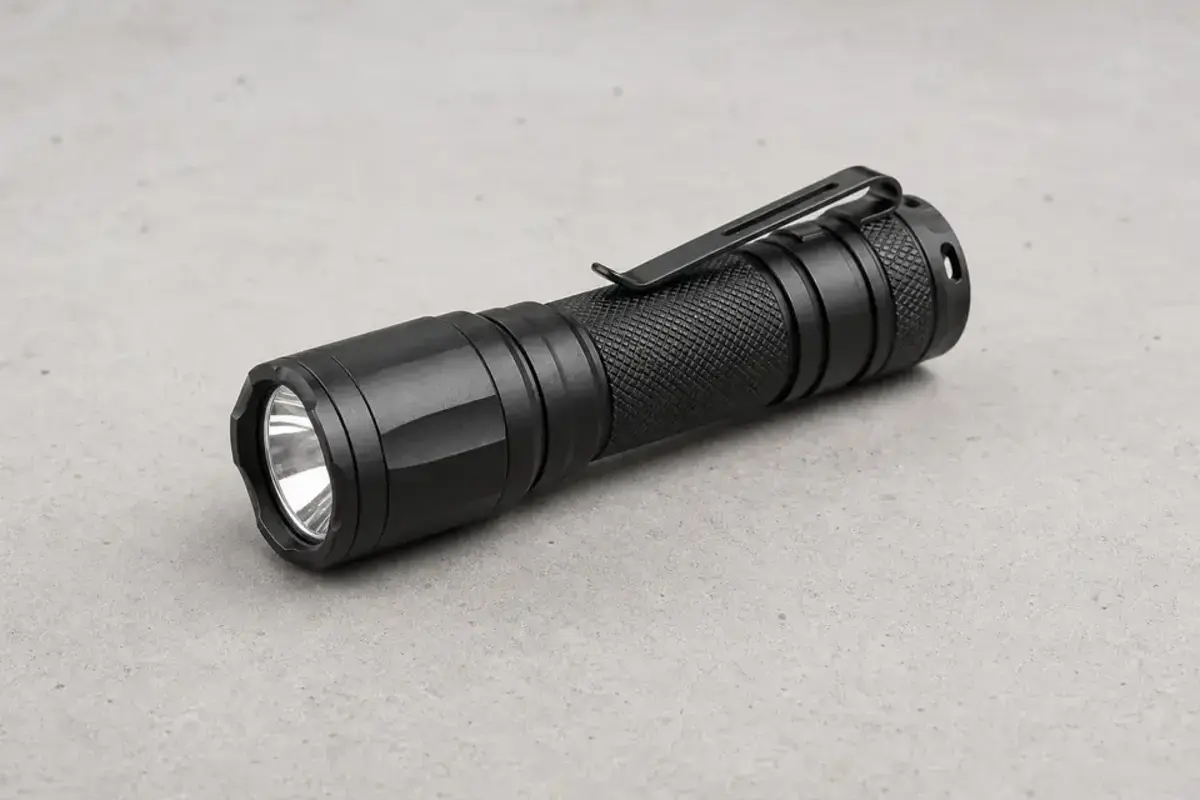
Helps when: Helps read the pressure gauge, display, valve positions, leak tracks, and switch area without opening covers.
Skip it when: Skip close inspection if the boiler is leaking near electrical parts, smells like gas, or has locked out again.
Compare flashlights on Amazon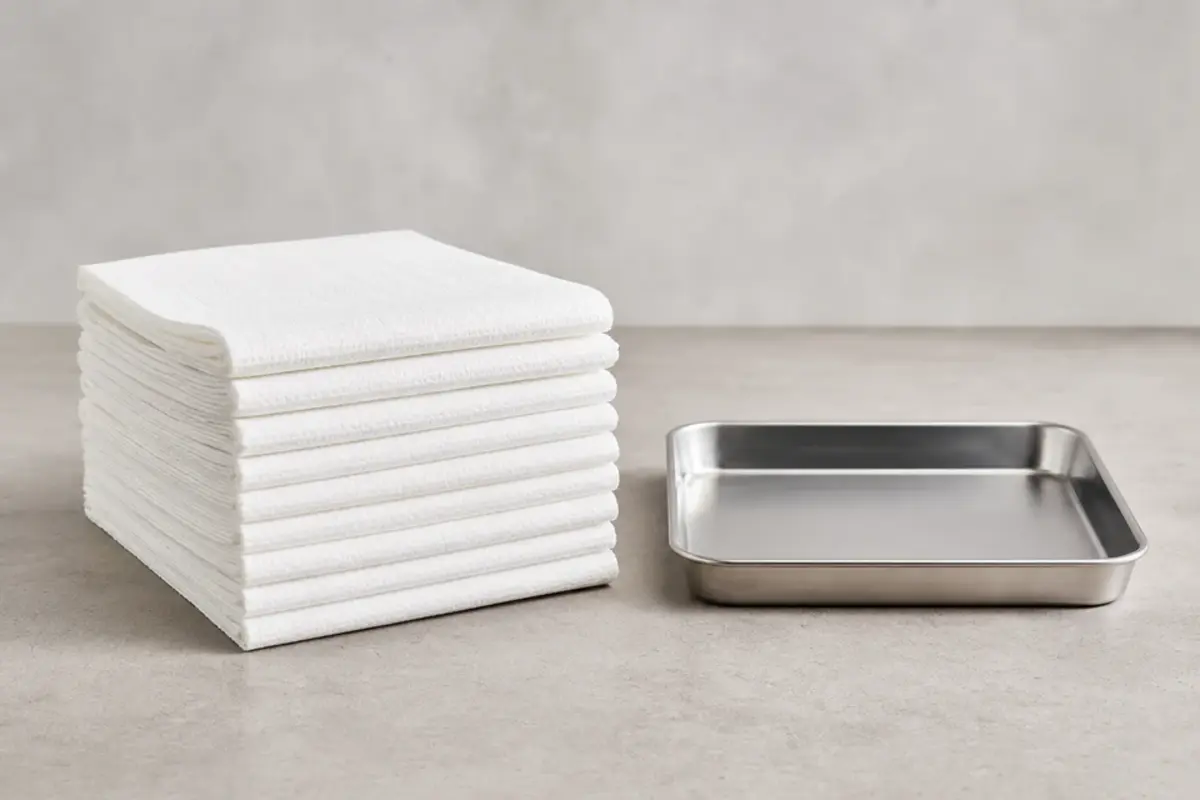
Helps when: Drys a floor, valve, or fitting so the first fresh wet point shows instead of just the puddle path.
Skip it when: Skip cleanup-only checks when the relief pipe is active, water is hot, or moisture is near wiring.
Compare absorbent towels on Amazon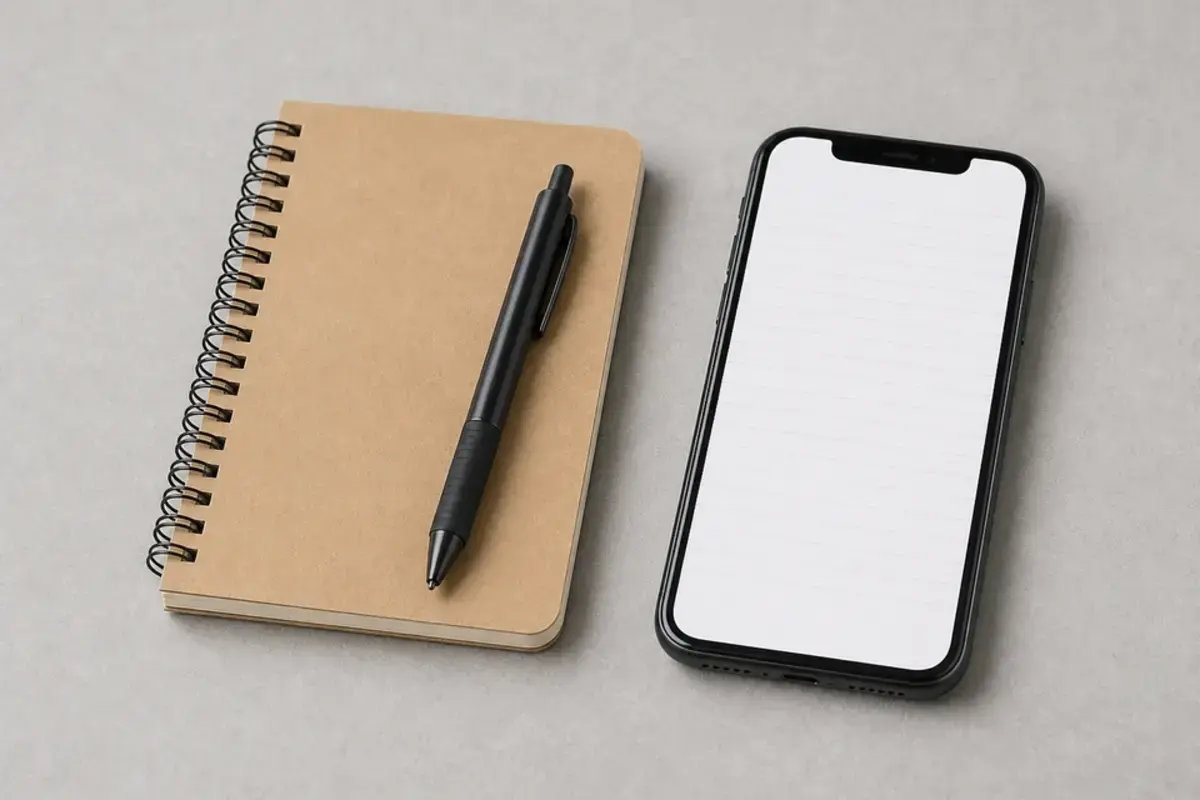
Helps when: Records pressure readings, fault lights, reset timing, leak timing, zones that heat, and what changed first.
Skip it when: Skip buying one if clear photos and a written symptom timeline are already ready for the technician.
Compare notebooks on AmazonAs an Amazon Associate I earn from qualifying purchases. Repair Riot may earn a commission at no extra cost to you.
A small one-time drop after bleeding radiators can happen. Repeated pressure loss is not normal for a sealed hydronic system.
One careful top-up may be reasonable only after checking for leaks, relief discharge, and unsafe symptoms. Repeated topping up is a fault, not maintenance.
That pattern usually points to expansion tank, fill valve, or relief discharge behavior rather than simple air bleeding.
The water may be leaving through a relief line, hidden piping, or a small leak that only appears hot. Record the gauge pattern and call for service.
It can lead to poor heat, air problems, lockout, or unsafe operation if the boiler keeps trying to run without enough system water pressure.
Only if there is no gas smell, carbon monoxide alarm, leak near wiring, relief-valve discharge, breaker trip, overheating, or repeat lockout. Stop and call for service when any safety clue appears.
Photograph the pressure gauge, display or fault light, the first wet point if water is involved, the thermostat call, and any zone or fixture that proves the pattern.
Recurring pressure loss, relief discharge, boiler-body leakage, repeat lockout, burner trouble, electrical symptoms, or any check that requires opening a boiler compartment belongs with a qualified boiler technician.
Repair Riot reviewed this page around pressure-loss timing, visible leak tracing, relief discharge, expansion-tank clues, and safe refill boundaries. The source links support boiler maintenance and combustion safety context; the diagnostic sequence is original guidance.