Baseboard heater not heating
Troubleshoot a baseboard heater that is not heating by separating thermostat, breaker, and heater failure signs before replacing parts or calling for service.
Use heat output, thermostat behavior, breaker trips, burning smells, and cycling patterns to narrow down electric heater issues.
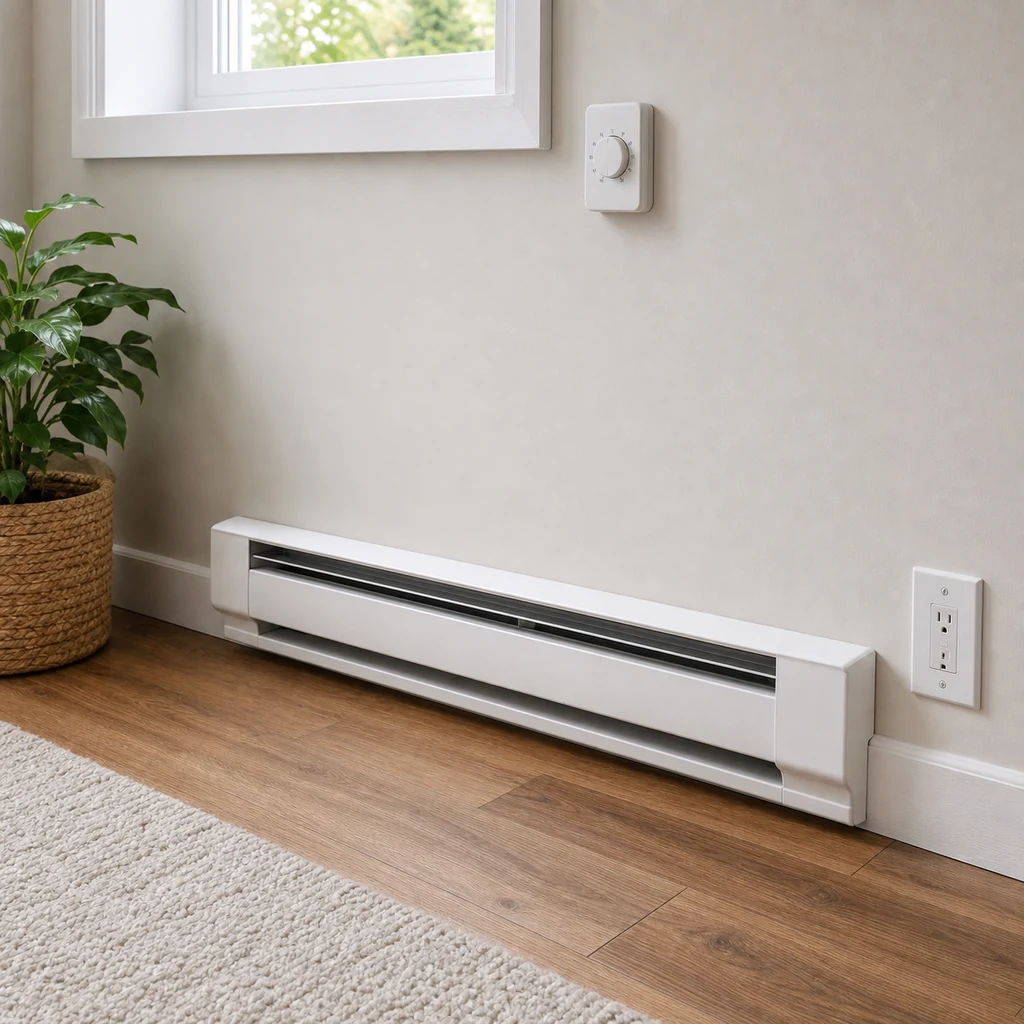
Troubleshoot a baseboard heater that is not heating by separating thermostat, breaker, and heater failure signs before replacing parts or calling for service.
Find out why an electric heater is buzzing, separate normal expansion sounds from electrical buzzing, and know when to shut it off and call for service.
Electric heater clicking? Sort normal metal ticks from thermostat chatter, overheating, plug trouble, and unsafe electrical clicking before buying parts.
If your electric heater is on but the room still feels cold, start with thermostat, power, airflow, and sizing checks before assuming the heater itself has failed.
Figure out whether an electric heater crackling sound is normal metal expansion, dust burning off, debris in the cabinet, or an unsafe electrical problem. Start with the safe checks first.
If your electric heater fan is not working, first separate a no-power problem from a fan-only problem. Check outlet power, reset switches, blocked airflow, and signs of overheating before considering a heater thermostat or control knob issue.
Find out why an electric heater is overheating at one end, starting with blocked airflow, dust buildup, and mounting issues before suspecting a bad thermostat or internal fault.
If your electric heater heats one end only, start by separating normal directional heat from a real dead section. Check airflow, controls, and signs of a failed electric heater thermostat or heating element before replacing parts.
If an electric heater feels too hot, start by checking for blocked airflow, dust buildup, or a stuck thermostat. Stop right away for burning smell, discoloration, sparking, or tripped breakers.
Find out whether an electric heater clicking noise is normal metal expansion, a thermostat click, a loose cover, or an unsafe electrical problem that needs a pro.
If your electric heater has no power, start with the outlet, breaker, reset button, and thermostat setting before assuming the heater itself failed. This guide helps you separate a dead heater from a power-supply problem and know when to stop and call a pro.
Find out why an electric heater warms unevenly. Check placement, airflow, thermostat behavior, and signs of a failing electric heater thermostat or control knob before replacing parts.
Figure out why an electric heater keeps running, separate thermostat issues from stuck controls, and know when to shut it down and call a pro.
Check whether your electric heater has lost power, tripped a safety switch, or has a failed thermostat or control. Start with the safe checks before replacing parts.
Troubleshoot an electric heater that will not turn on or heat. Start with power, settings, reset and airflow checks, then separate thermostat and internal fault branches safely.
If one section of an electric heater stays cold, start by separating a room airflow issue from a dead heater section, tripped breaker, bad thermostat, or failed heating element.
Figure out why an electric heater is overheating, shutting off, or smelling too hot. Start with airflow and dust, then separate thermostat and internal fault signs before replacing parts.
If your electric heater shuts off too soon, start with airflow, placement, thermostat setting, and overheating checks before assuming a bad part. Here’s how to sort out a normal cycle from a real fault.
A dusty smell from an electric heater after sitting all summer is usually burned-off dust, but sharp burning, smoke, or repeated odor means stop and check for lint, debris, or electrical trouble.
Find out whether an electric heater burning smell is just dust, overheated lint, melting plastic, or a dangerous electrical problem, and know when to shut it down fast.
Find out when a dusty electric heater smell is normal, when it points to lint or overheating, and when to shut it off and call for service.
Find out why an electric heater smells like plastic, starting with dust, packaging film, and items touching the heater before assuming a failed part. Know when to shut it off and call a pro.
If an electric heater stays hot after you turn it off, first separate normal cool-down from a heater that is still being powered. Check the thermostat setting, controls, and signs of a stuck electric heater thermostat before calling for service.
Figure out why an electric heater keeps running by checking thermostat settings, stuck controls, blocked airflow, and welded contacts before replacing parts.