Air conditioner and thermostat out of sync
Figure out why your thermostat reading and AC behavior do not match. Start with settings, batteries, placement, and wiring before replacing the thermostat.
Start with the display, call for heat or cooling, wiring symptoms, and equipment response before replacing a thermostat.
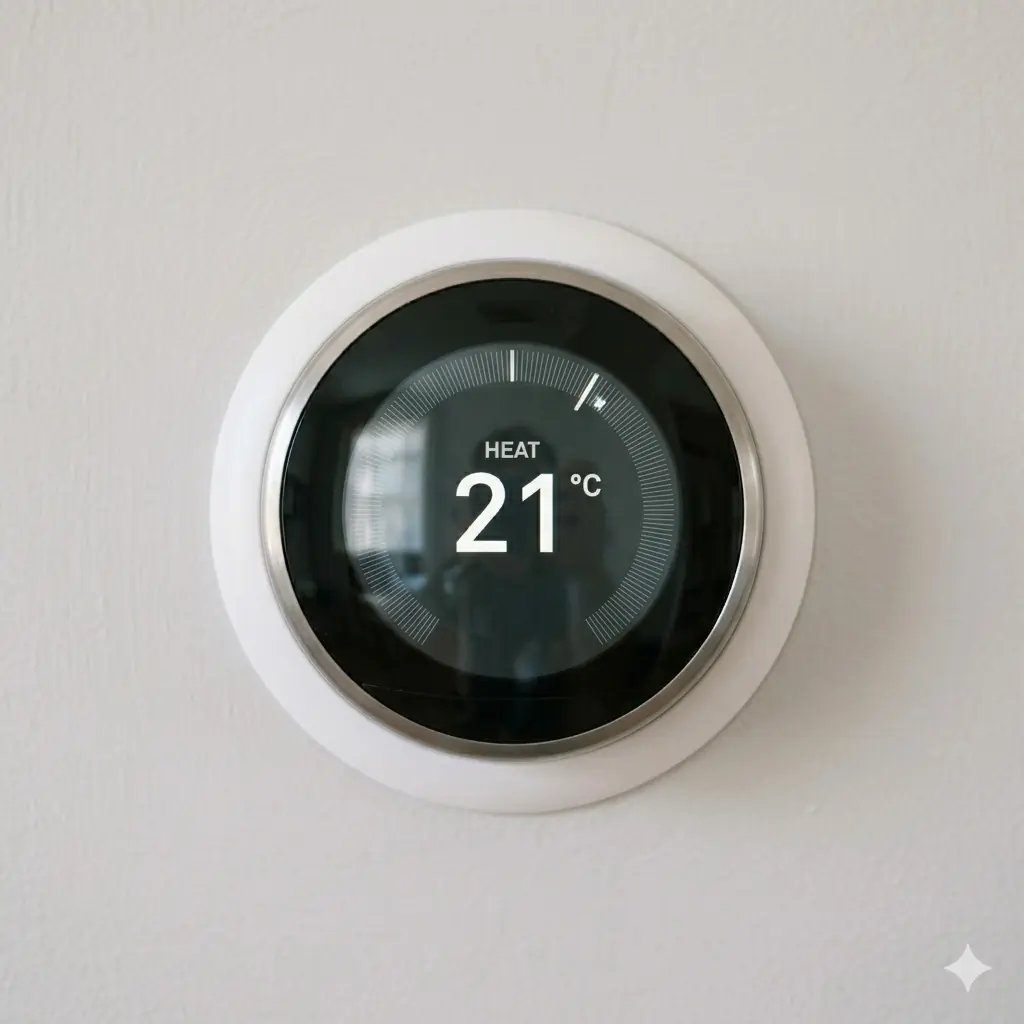
Figure out why your thermostat reading and AC behavior do not match. Start with settings, batteries, placement, and wiring before replacing the thermostat.
Figure out why your air handler keeps running after the thermostat is off. Start with fan settings, schedule overrides, and thermostat faults before replacing parts.
A blank thermostat is usually a power problem, not a bad thermostat. Check batteries, breakers, the indoor unit panel, and obvious control-power interruptions first.
If your thermostat went blank after a power outage, start with the breaker, furnace switch, float switch, and thermostat batteries before replacing the thermostat.
If your thermostat clicks but the HVAC will not start, first separate a thermostat issue from a power, safety lockout, or equipment problem. Start with settings, batteries, breaker checks, and visible shutdown clues before replacing the thermostat.
A thermostat display that fades in and out usually points to weak batteries, loose thermostat mounting, or unstable low-voltage power. Start with the simple checks before replacing the thermostat.
If your thermostat fan runs on ON but not on AUTO, start with settings, power, and thermostat mounting checks. Then separate a thermostat issue from an HVAC control problem before buying parts.
If your thermostat fan runs all day, start with the fan setting, schedule, and thermostat reset before blaming the HVAC equipment. Here’s how to tell thermostat trouble from a blower control problem.
If your thermostat fan setting seems stuck on, start by checking the fan mode, schedule, hold settings, and thermostat power before replacing the thermostat.
Figure out why your thermostat will not switch between heat and cool. Start with mode, schedule, batteries, and wiring checks before replacing the thermostat.
A thermostat that feels hot can point to a bad thermostat, loose low-voltage wiring, or heat coming from the wall cavity. Start with safe checks and know when to stop and call a pro.
If your thermostat keeps losing its programmed schedule, start with hold and mode settings, battery and power checks, then look for app sync or thermostat memory failure.
A thermostat that keeps rebooting is usually losing steady power, not just failing on its own. Check batteries, the thermostat base, furnace door switch, drain safety switch, and low-voltage power before replacing the thermostat.
A thermostat with no power is usually a dead battery, tripped breaker, blown low-voltage fuse, or a furnace or air handler power issue. Start with the safe checks before replacing the thermostat.
Figure out why your thermostat is not calling for cool. Start with settings, batteries, and power checks, then separate thermostat trouble from an AC system problem.
Figure out why your thermostat is not calling for heat, starting with settings, batteries, power, and wiring checks before replacing the thermostat.
Figure out whether the thermostat is misreading the room, losing power, or the HVAC system is the real problem when the set temperature will not stay put.
Troubleshoot a thermostat that is blank, unresponsive, or not calling for heating or cooling. Start with settings, batteries, power, and simple wiring checks before replacing the thermostat.
If your thermostat reads lower than the actual room temperature, start with placement, airflow, batteries, and sensor drift before replacing the thermostat.
If your thermostat reads colder than the room near the wall, start with drafts, wall cavity air, and mounting issues before replacing the thermostat.
Thermostat reading higher than room temperature? Check sun, supply air, wall-cavity drafts, batteries, and sensor drift before replacing parts.
If your thermostat resets when heat starts or right after a heat call, check batteries, loose thermostat wiring, and furnace low-voltage power issues before replacing the thermostat.
If your thermostat says Cool On but the house is not cooling, start with settings, batteries, filter, breaker, and outdoor unit checks before blaming the thermostat.
If your thermostat shows fan on but the blower never starts, first separate a thermostat display issue from a furnace or air handler problem. Check mode, batteries, power, and whether the indoor unit is actually getting the fan call.