Erv duct condensation
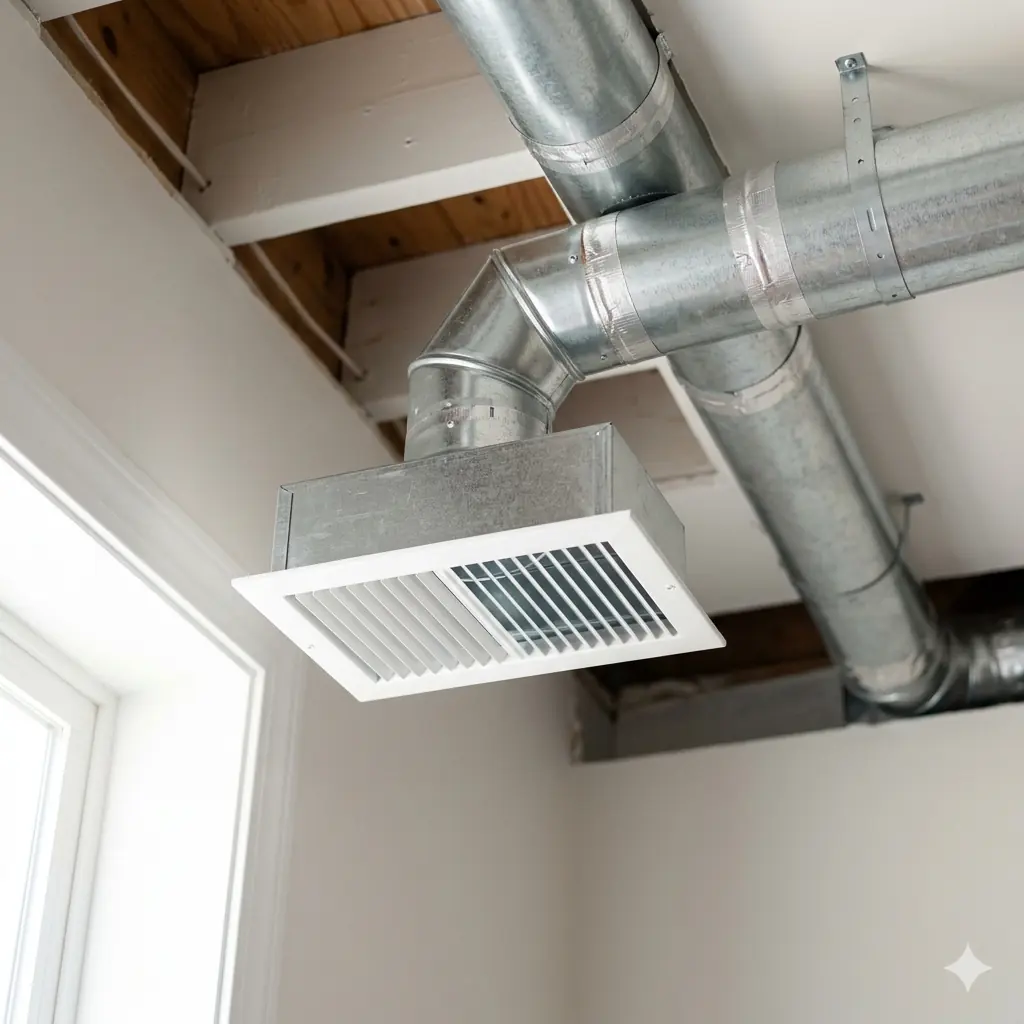
Find out why ERV ductwork is sweating or dripping. Check insulation, airflow, drain issues, and setup problems before replacing ERV parts.
Start with fan operation, stale-air symptoms, filters, condensate, controls, and outdoor intake clues before replacing parts.
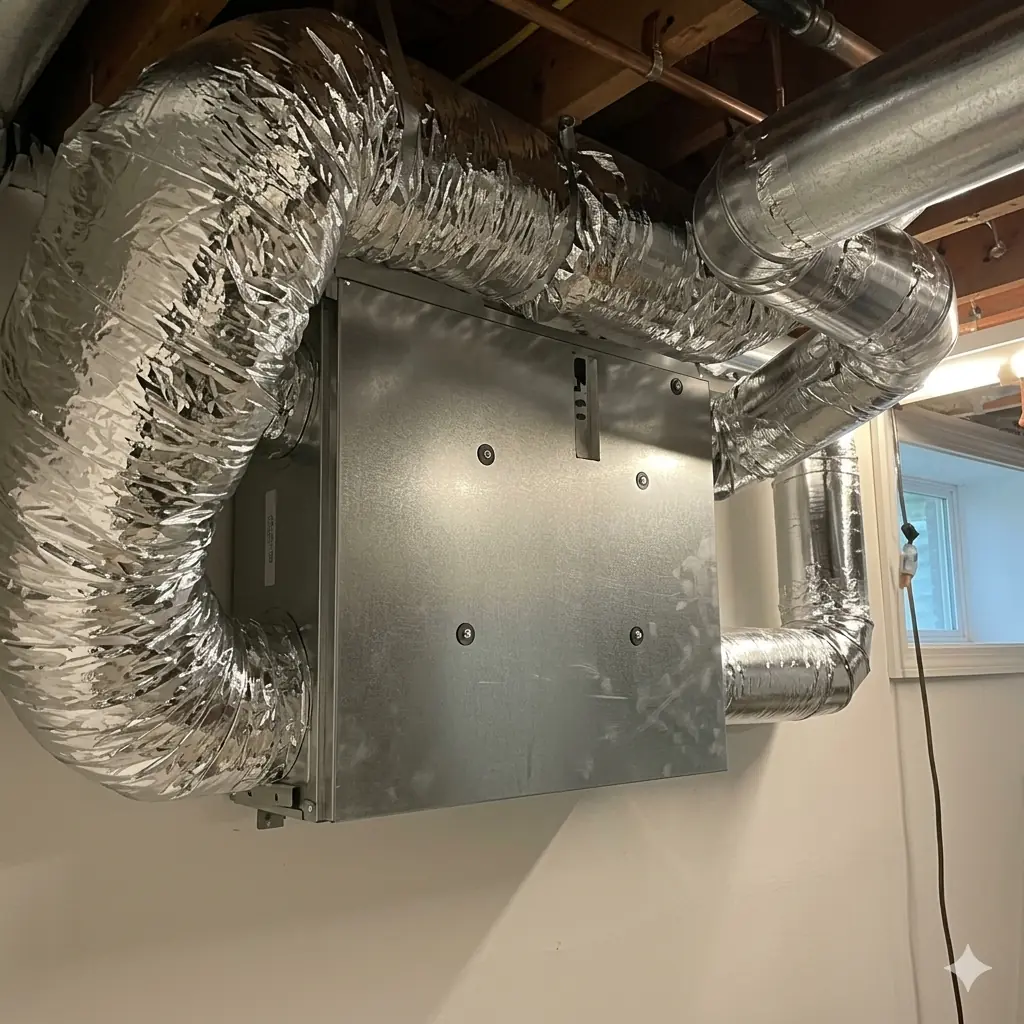
Find out why ERV ductwork is sweating or dripping. Check insulation, airflow, drain issues, and setup problems before replacing ERV parts.
If your ERV is running but indoor humidity stays high, start with filters, airflow, settings, and outside-air conditions before blaming the unit itself.
If the upstairs feels stale even with the ERV running, start with airflow checks, filters, grilles, and mode settings before assuming the unit has failed.
Find out why an HRV or ERV is dripping water. Start with the drain, filters, and frost clues, then decide whether you can fix it safely or need service.
If your HRV or ERV keeps shutting off, start with power, wall control settings, filters, and drain or frost clues before assuming a bad motor or board.
Troubleshoot an HRV or ERV that is not exhausting air. Start with power, settings, filters, and outside hoods before assuming a bad motor or control problem.
HRV or ERV not working? Sort power, wall control, blocked filters, outdoor hoods, frost, and fan clues before buying ventilation parts.
Track down bad smells from an HRV or ERV by checking filters, drain issues, stale water, outside intake problems, and dirty cores before replacing parts.
Find out why an HRV or ERV is vibrating by checking mounting, filters, core fit, ice, and blower balance before assuming a motor failure.
Find out why your HRV is dripping condensation. Start with drain, filter, and airflow checks, then separate unit sweating from duct condensation and know when to call for service.
Find out why an HRV or ERV is collecting condensation inside the cabinet. Check filters, drain path, airflow, and frost clues before replacing anything.
If your HRV core is frosting up, start with filters, airflow, drain condition, and defrost operation before blaming the core. Here’s how to sort out the likely cause safely.
HRV duct sweating? Find the first wet spot, then check filters, airflow, duct insulation, air leaks, and the drain before buying HRV parts.
If an HRV or ERV is leaking condensation, start with the drain hose, trap, cabinet pitch, filters, and duct sweating clues before buying parts.
If your HRV or ERV core is frozen, start with airflow, filters, drain, and defrost checks before blaming the core. Here’s how to tell what’s actually wrong and when to stop DIY.
Troubleshoot an HRV or ERV defrost problem by checking frost pattern, filters, drains, outdoor hoods, and controls before replacing parts or calling for service.
If your HRV or ERV exhaust fan is not working, start with power, controls, filters, and airflow checks before assuming the fan motor failed. Here’s how to narrow it down safely.
Low airflow from an HRV or ERV is usually caused by dirty filters, blocked exterior hoods, a loaded core, or a fan problem. Start with safe airflow checks before chasing parts.
Troubleshoot an HRV or ERV supply fan that is not working. Start with power, settings, filters, and airflow checks, then decide when the fan motor or controls need service.
Track down an HRV or ERV fan noise by checking filters, covers, mounting, ice or debris, and blower wheel condition before assuming the motor is bad.
If your HRV fan stops in cold weather, start with frost, filters, drain issues, and defrost behavior before blaming the motor. Here’s how to sort out normal cold-weather cycling from a real shutdown.
If your HRV freezes in winter, start with filters, drain path, outdoor hoods, and airflow balance. Find out when frost is normal, when it is not, and when to call for service.
Find out why an HRV drain line is freezing, starting with airflow, drain slope, and trap issues before you assume a major part failed.
Find out why your HRV or ERV is making noise by separating normal airflow sounds from rattling, humming, vibration, and fan problems. Start with safe checks first.