Do other zones heat normally?
Focus on this zone.
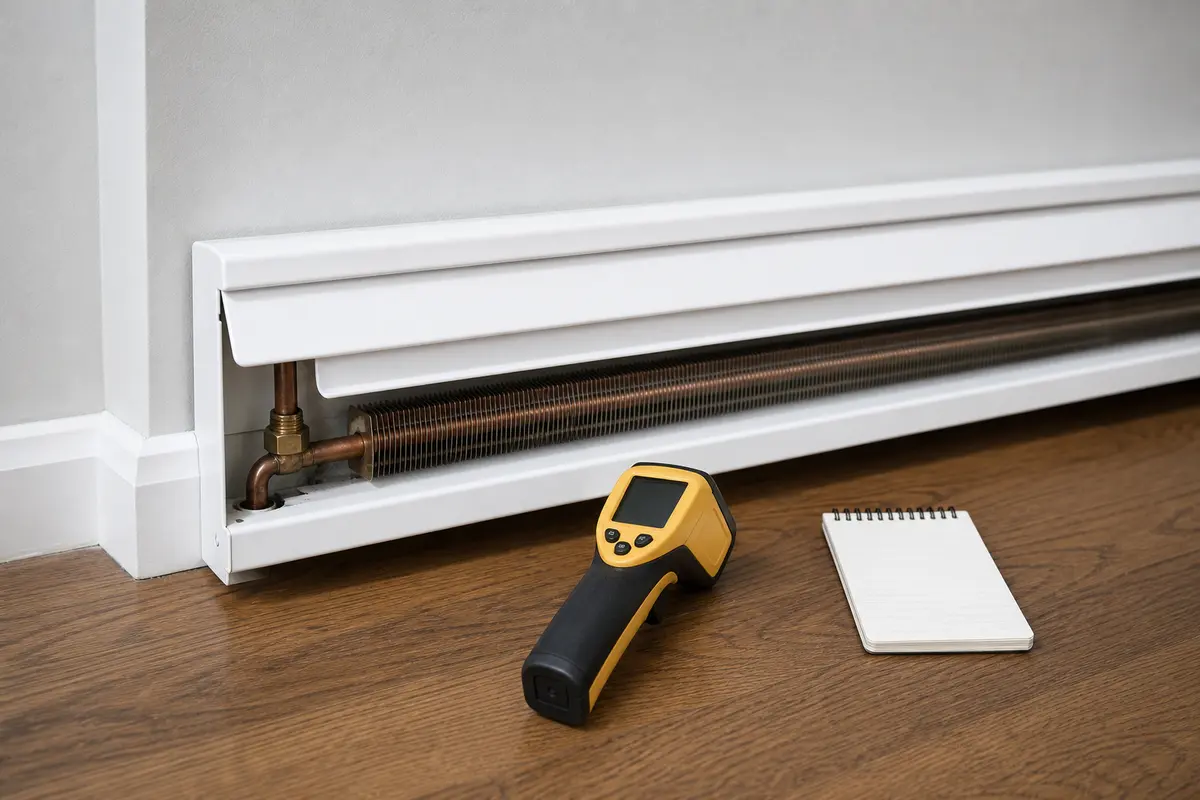
Cold baseboards in one boiler zone usually mean that zone is not calling, not opening, air-bound, or not circulating. If other zones heat normally, keep the diagnosis on the thermostat, zone valve, air, and supply-return pipe clues for that zone.
A lost thermostat call, stuck zone valve, trapped air, or circulation issue in that zone is more likely than a failed boiler.
The key split is whole-boiler failure versus one-zone failure. A one-zone problem should be traced zone by zone.
Don’t start with: Do not replace the boiler or circulator first when other zones heat. Prove the cold-zone path.
Focus on this zone.
Trace thermostat and zone control.
Flow or air restriction is likely.
Air may be trapped in the run.
Control/valve service is likely.
A cold-zone page needs both room-side and boiler-side clues: baseboard temperature, zone valve status, and circulator/pipe behavior.
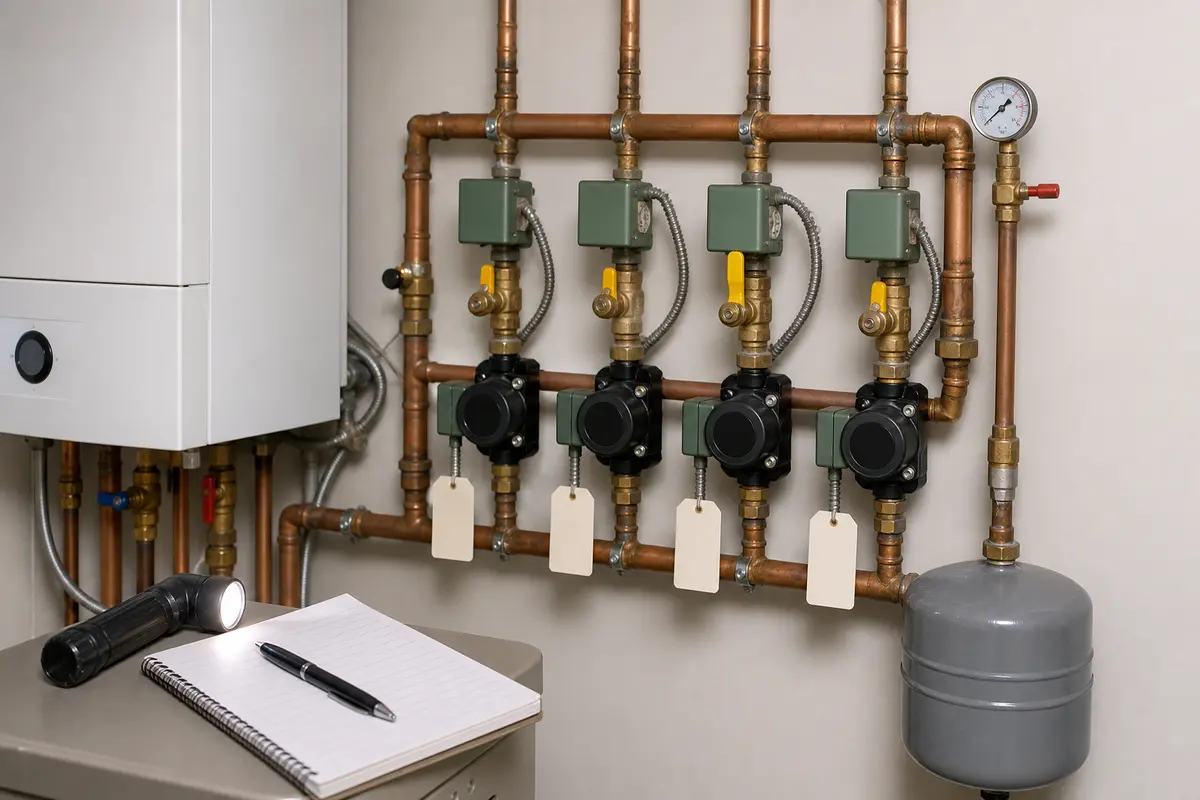
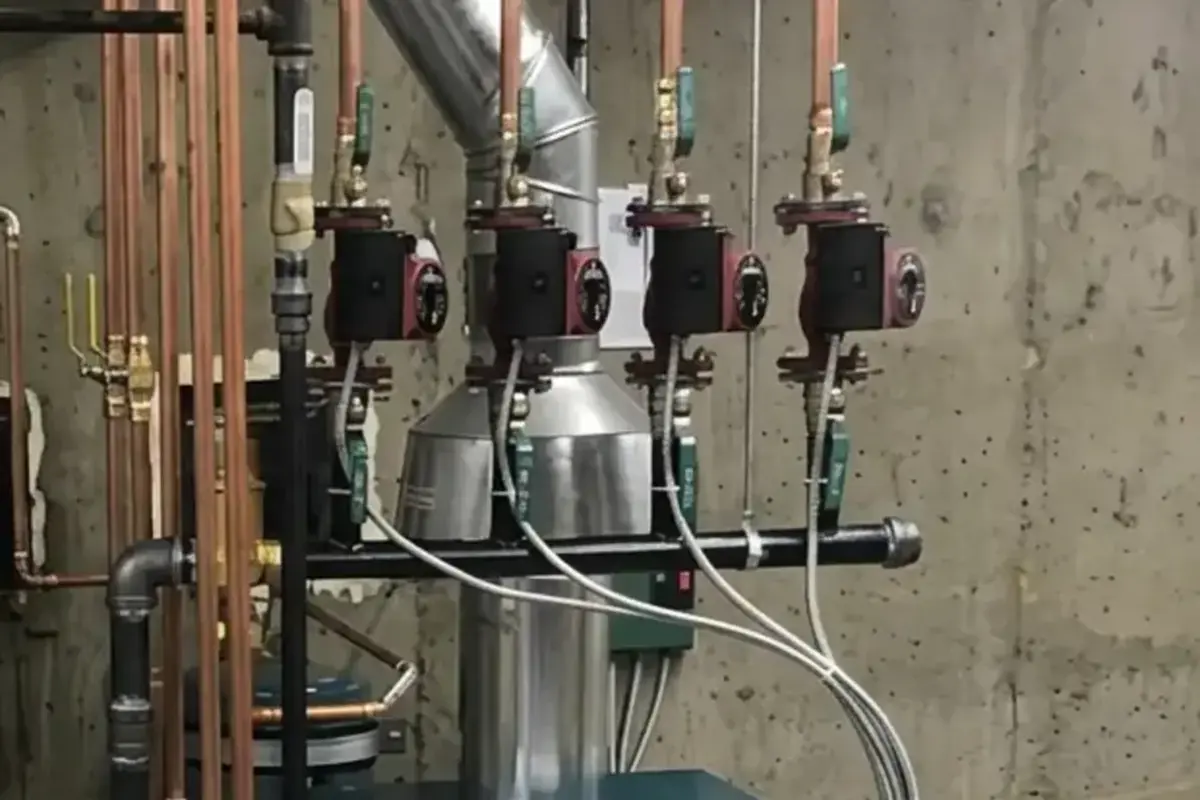
Prove whether the zone is failing to call, failing to open, air-bound, or not circulating. Match the exact diagnosis, boiler type, model/manual, and service boundary before ordering anything.
One cold zone is usually local to that zone, not the whole boiler.
A one-zone symptom already gives you a useful test result: the boiler can heat somewhere else. Keep the check on that zone before buying controls or opening piping.
Use the thermostat, valve, and pipe temperature clues together.
| Clue | Likely source | Next move |
|---|---|---|
| No heat call | Thermostat/control | Check settings and batteries if applicable. |
| Valve never opens | Zone valve/control | Call for valve/control service. |
| Supply hot, return cool | Air or flow restriction | Check air/flow path. |
| All zones cold | Boiler-side issue | Use boiler-not-heating path. |
A thermostat or zone controller that never asks for heat will make the baseboard look like the problem.
A partly warm baseboard or hot supply with cool return points away from the thermostat and toward water movement.
These tools help observe the zone without opening controls or touching hot piping.
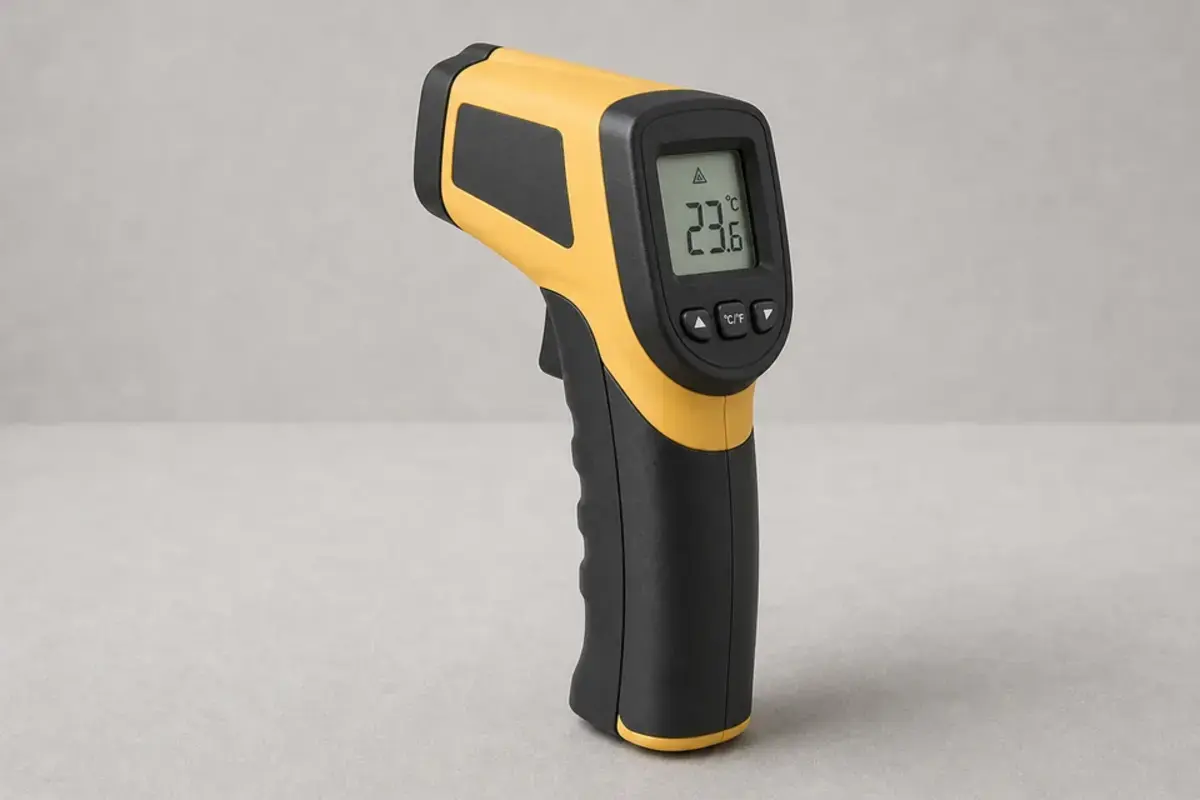
Helps when: Compare accessible supply, return, radiator, or baseboard temperatures without touching hot metal.
Skip it when: Skip temperature checks when piping is not safely reachable or the boiler is leaking, locked out, or overheating.
Compare infrared thermometer on Amazon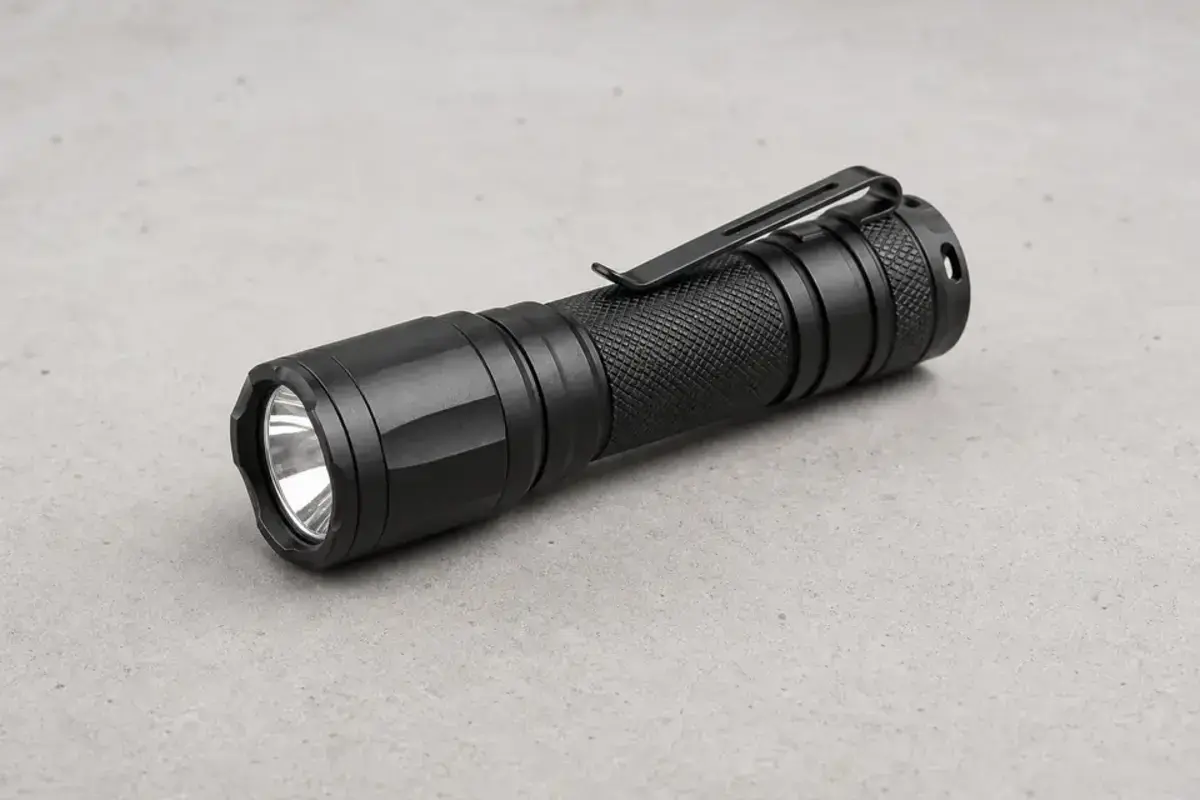
Helps when: Read gauges, labels, fault lights, leak tracks, and valve positions without leaning into hot piping.
Skip it when: Skip close inspection when the boiler is locked out, leaking near electrical parts, or giving combustion warnings.
Compare boiler-room flashlight on Amazon
Helps when: Record pressure, display clues, reset timing, which zone heats, and what changed before a service call.
Skip it when: Skip buying one if clear photos and a written symptom timeline are already ready for the technician.
Compare notebook or phone notes on AmazonAs an Amazon Associate I earn from qualifying purchases. Repair Riot may earn a commission at no extra cost to you.
The thermostat, zone valve, trapped air, or a local circulation issue usually explains one cold zone.
Usually no, especially if other zones heat normally.
Yes. Air can stop or reduce flow through a hydronic loop.
Not until you prove the thermostat is not calling or is miswired.
Call for stuck zone valves, control wiring, repeated air, leaks, or pressure changes.
Only if there is no leak, lockout, gas smell, carbon monoxide alarm, relief-valve discharge, or overheating clue. Stop and call for service when any safety clue appears.
Photograph the pressure gauge, display or fault light, the affected zone or radiator, any damp area, and the exact timing of the symptom.
Repeated lockout, pressure changes, leaks, combustion clues, electrical trips, stuck controls, or symptoms that return after a basic safe check all belong with a qualified boiler technician.
Repair Riot reviewed this page around one-zone hydronic diagnosis, thermostat call checks, zone valve clues, trapped air, safe pipe-temperature comparison, and service boundaries. Source links support boiler maintenance and safety context; the diagnostic sequence is original guidance.