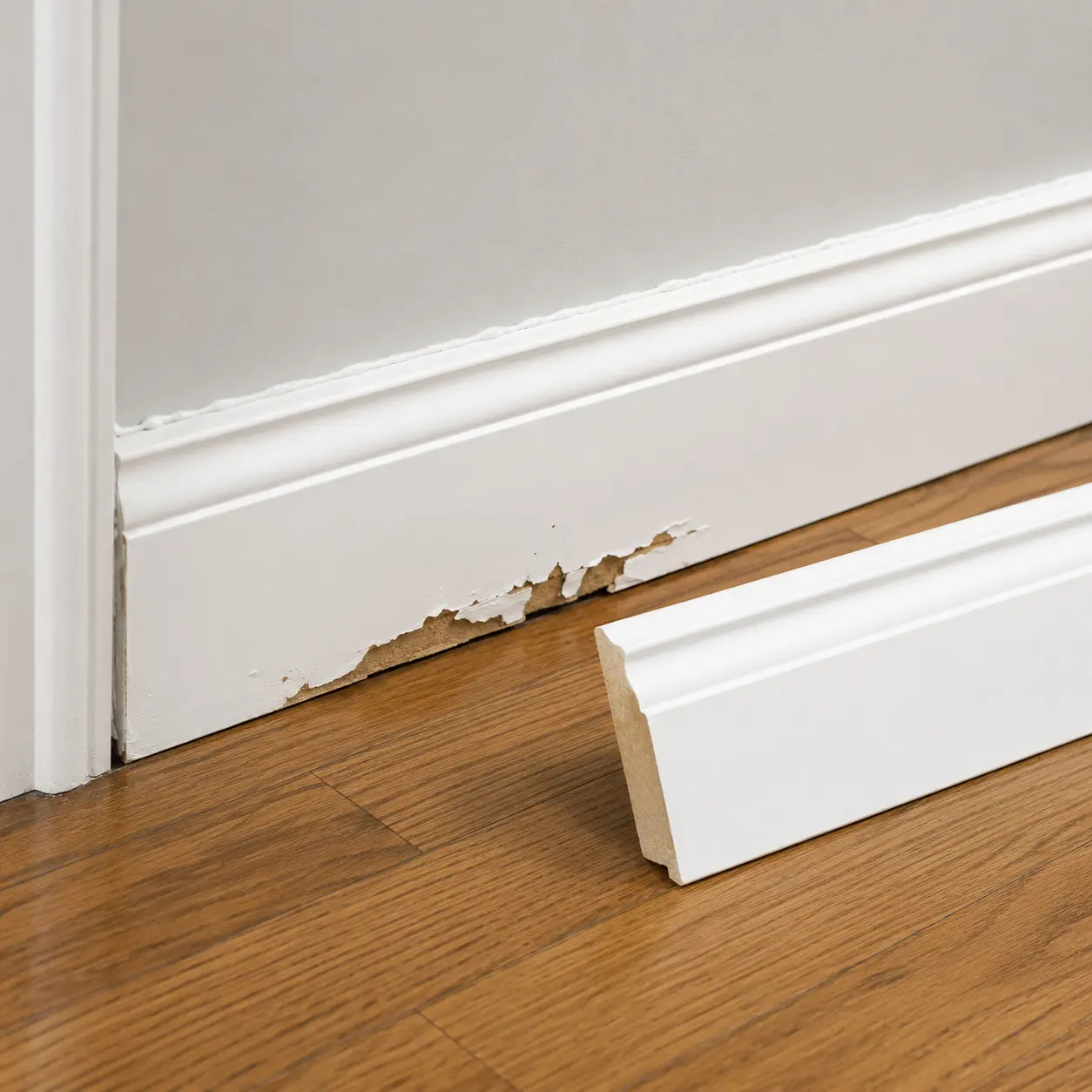
Carpenter ant damage to corner board
Find out whether carpenter ants have only scarred the corner board or hollowed it out, check for hidden moisture, and choose the right repair before patching.
Use soffit and fascia symptoms like gaps, rot, loose panels, water stains, animal entry, or gutter-edge damage to find the right repair before covering the problem.
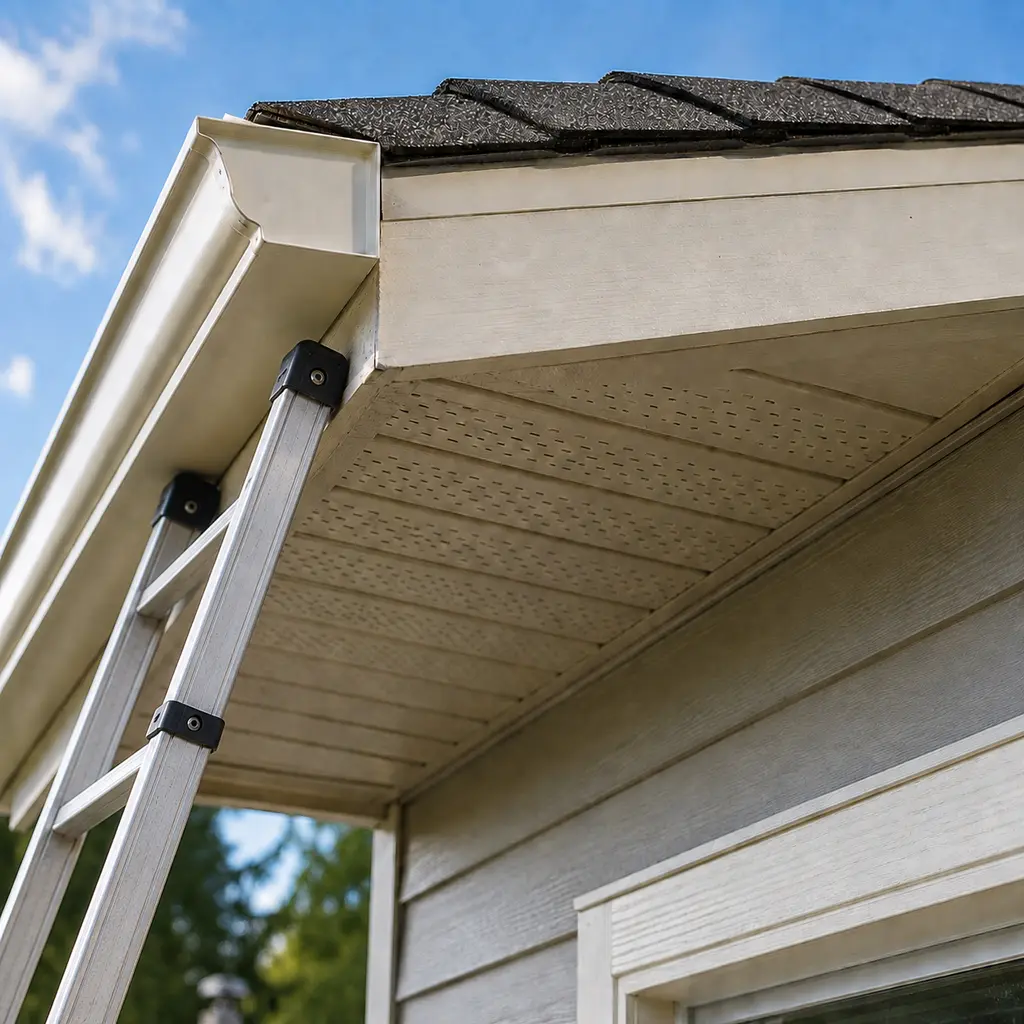
Find out whether carpenter ants have only scarred the corner board or hollowed it out, check for hidden moisture, and choose the right repair before patching.
Find out whether carpenter ants have only chewed the fascia surface or hollowed the board from behind, check for moisture that drew them in, and choose the right repair path before replacing fascia.
Figure out whether carpenter ants have only scarred the rake board or hollowed it out, check for hidden moisture, and choose the right repair before patching or painting.
Find out whether carpenter ant damage in a soffit is limited trim rot or a bigger moisture problem, and know when to patch, replace, or call for pest and roof help.
Find out whether carpenter ants have only scarred the soffit board or hollowed it out, check for moisture that brought them in, and choose the right repair without patching over active damage.
Find out whether holes under your eaves are active carpenter bee damage, old nesting, or rot. Start with safe checks, then repair soffit or fascia only after the wood condition is clear.
Find out whether carpenter bees are only drilling shallow holes in the fascia or whether the board is soft enough to need replacement. Start with safe checks, stop active nesting, and repair the right section.
Figure out whether carpenter bees only drilled a few holes or have weakened the fascia board enough to need repair or replacement. Start with safe visual checks, then seal and fix the right way.
Find out whether carpenter bees are only drilling fresh holes in shed fascia or whether the board is soft enough to replace. Start with active holes, wood condition, and simple repairs before bigger trim work.
Find out whether carpenter bees are only boring into the soffit face or have turned it into a repeat nesting spot, then repair the damaged soffit without trapping moisture or missing hidden rot.
Figure out whether holes in a soffit board are active carpenter bee damage, old damage, or rot, then choose the right repair before patching or replacing soffit material.
Figure out whether your wood column has active carpenter bee damage, old exit holes, or deeper rot, then choose the right repair from filling holes to replacing damaged column trim.
Find out whether holes under your eaves are active carpenter bee damage, old nesting holes, or rot that needs a different repair path. Start with safe checks, then repair and seal the soffit or fascia correctly.
Find out whether holes in fascia are active carpenter bee damage, old exit holes, or rot that needs board repair. Start with safe checks, then patch or replace the right section.
Find out whether holes in a fascia board are active carpenter bee damage, old insect damage, or rot. Start with safe checks, then repair the fascia board only after the wood condition is clear.
Find out whether holes in shed fascia are active carpenter bee damage, old nesting holes, or rot that needs board repair. Start with safe checks, then patch or replace the right fascia section.
Find out whether the holes in your soffit board are active carpenter bee damage, old patched damage, or rot that needs a different repair path. Start with safe checks, then repair the soffit the right way.
Check whether soffit holes are active carpenter bee damage, old exits, or rot, then patch or replace the right section.
Find out whether holes in a wood column are active carpenter bee damage, old exit holes, or rot-related damage, then repair the column the right way without trapping moisture or hiding structural problems.
Find out whether sawdust under fascia is from carpenter bees, old insect damage, or rot. Start with visible clues, then repair the right soffit or fascia section without guessing.
Seeing fresh sawdust under a soffit usually points to carpenter bees boring into exposed wood. Check for round entry holes, soft wood, and hidden moisture before patching or replacing soffit pieces.
Seeing fresh sawdust on the porch under soffit or fascia usually points to carpenter bees, but water-damaged wood and carpenter ants can look similar. Start with the hole pattern, frass, and wood condition before patching or replacing trim.
Find out whether carpenter bee holes in a fascia board are shallow, active, or deep enough to require board repair or replacement, and avoid sealing bees inside the wood.
If you found honey bee comb behind a soffit, start by confirming active bees, checking how far the comb extends, and avoiding a seal-up that traps honey and brood in the cavity.