Does the drywall feel hard and flat?
Test-clean a small area, let it dry fully, then smell again. A sharp odor drop keeps sealing on the table.
Start with the wall, not the stain. Hard drywall with faint odor may clean, dry, seal, and repaint. Soft, swollen, crumbly, or still-smelly drywall usually needs the damaged section cut out before patching.
The real split is material condition: odor on paint can sometimes be sealed; urine in the paper or gypsum keeps coming back.
Check firmness, bubbling paint, loose paper, corner edges, and nearby trim before deciding whether this is cleanup, sealing, or replacement.
Don’t start with: Do not paint, prime, or skim coat over drywall that still smells or feels soft. That hides the surface while leaving the odor source in the wall.
Test-clean a small area, let it dry fully, then smell again. A sharp odor drop keeps sealing on the table.
Treat that section as soaked drywall. Plan to cut back to firm material before patching.
The contamination is probably in the paper, gypsum, trim edge, or nearby flooring, not just on the paint.
Check both wall faces, the trim edge, and the flooring line before marking the cutout.
Stop the cosmetic repair. Find the moisture source and deal with cleanup before patching or sealing.
Keep the cut shallow only if you can work safely. Otherwise call a drywall pro and use lead-safe practices where they apply.
Look at the wall before you paint. Hard drywall, lifted paper, and a patched-over stain point to different repairs.
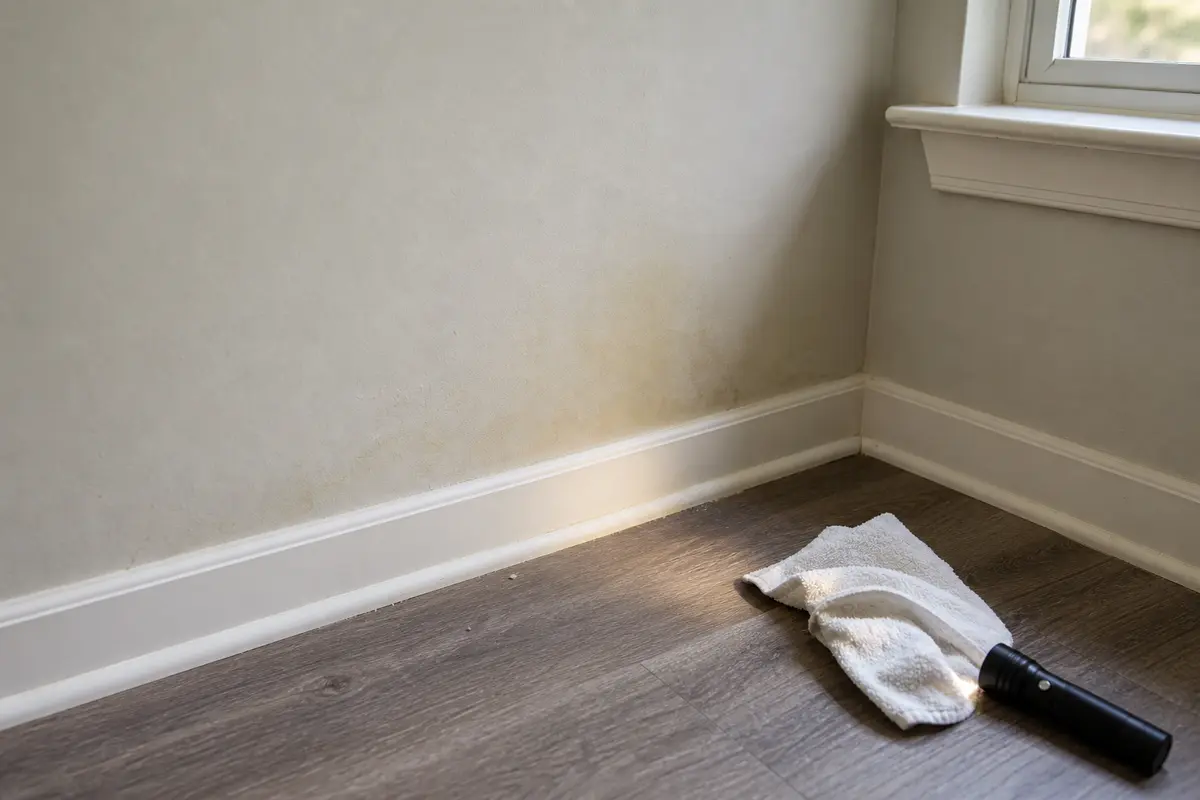
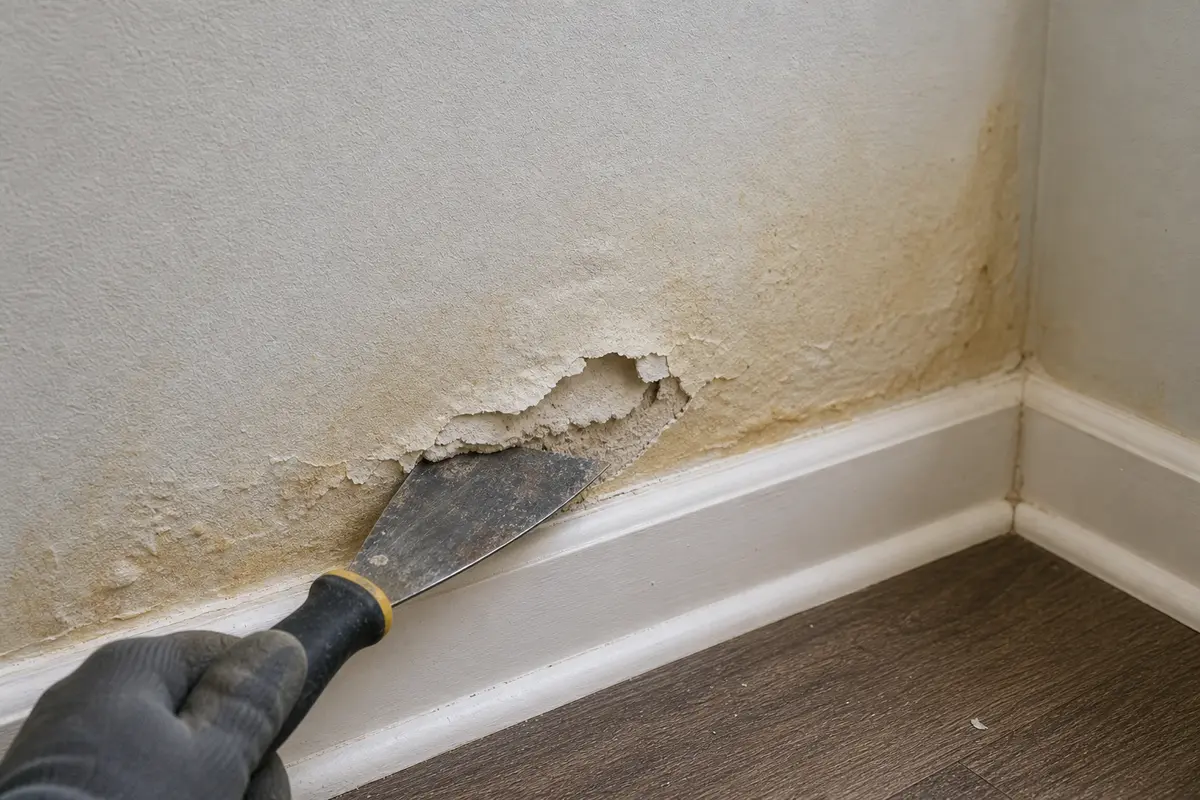
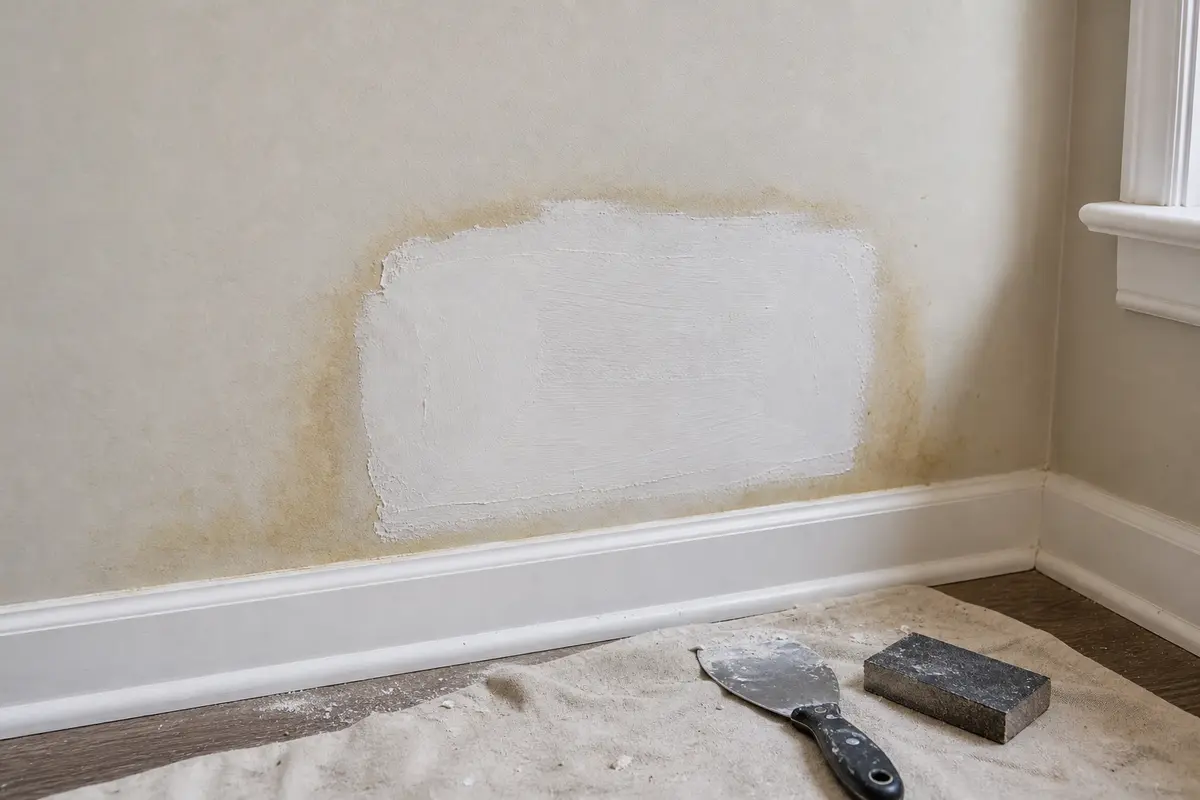
Match the exact diagnosis first: surface odor, soaked paper, cutout patch, damaged corner bead, or stained trim. Put sealer, compound, patch kits, or corner bead in the cart only after the wall points there.
A urine stain is not the decision. The drywall condition is. Press the stained spot lightly, compare it with clean wall nearby, then follow the odor past the visible edge.
The safest first repair test is small and controlled. Use a damp cloth with mild soap, blot the surface, let it dry all the way, and then judge the odor.
| After the test clean | What it means | Next move |
|---|---|---|
| Odor drops sharply and wall stays hard | Surface contamination is more likely. | Let it dry, use a compatible stain-blocking sealer, then repaint. |
| Odor returns after drying | Urine is probably in paper, gypsum, trim, or flooring edge. | Mark the full odor area and plan for removal or deeper inspection. |
| Paper fuzzes, bubbles, or lifts | The face paper is damaged. | Stop scrubbing and treat that section as patch material. |
| Stain grows or wall feels damp | Moisture may still be active or trapped. | Find the source before sealing or patching. |
Removal makes sense when the material is the odor source. Cut only after you know the affected area and can avoid hidden wiring, plumbing, and old painted-surface hazards.
Cat urine drywall repairs fail when the finish looks better but the odor source stays in place. Paint and compound are finish materials, not a cure for soaked drywall.
Materials should follow the diagnosis. The right product for light surface odor is not the same as the right product for swollen drywall or a damaged outside corner.
Use tools to confirm the wall condition before you open it. Skip buying tools when the damage already needs professional cleanup or a large wall repair.
Paid links. As an Amazon Associate I earn from qualifying purchases. Repair Riot may earn a commission at no extra cost to you.
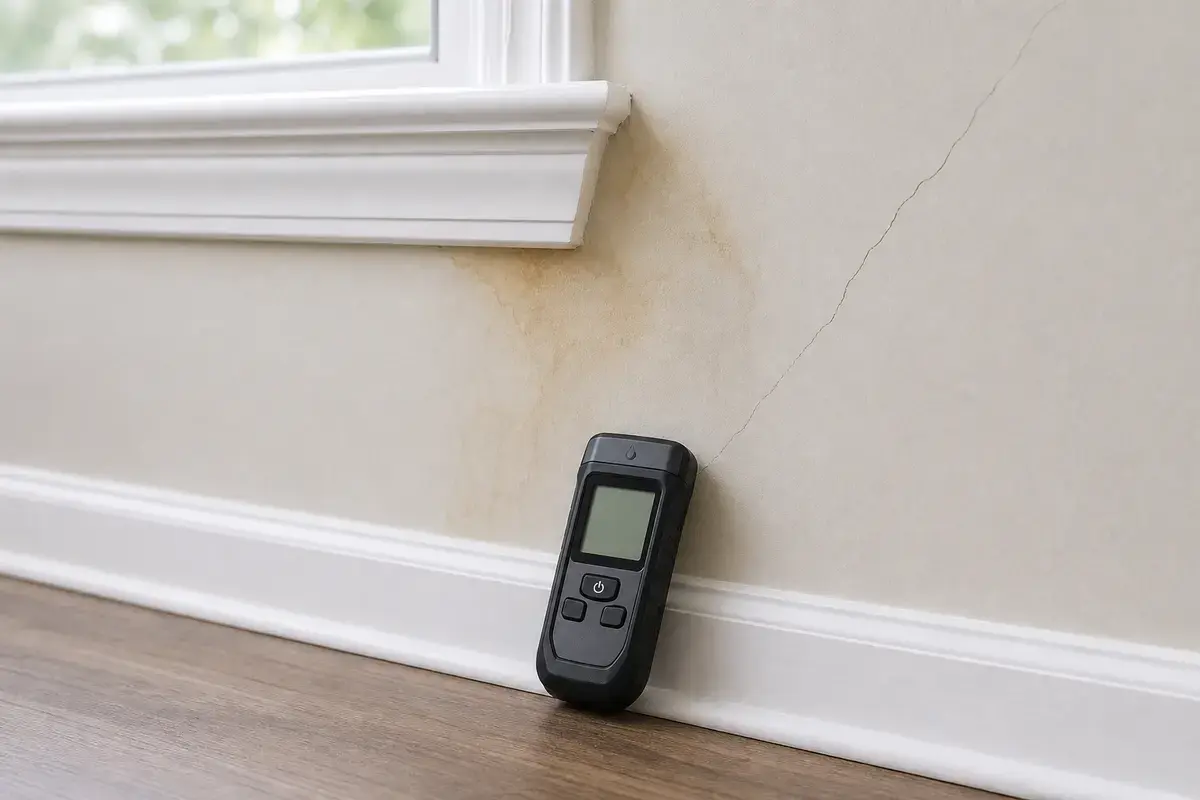
Helps when: Helps compare the stained wall with clean drywall nearby before you seal or cut.
Skip it when: Skip it when the wall is already soft, crumbling, or moldy enough to require removal.
Compare pinless moisture meters on Amazon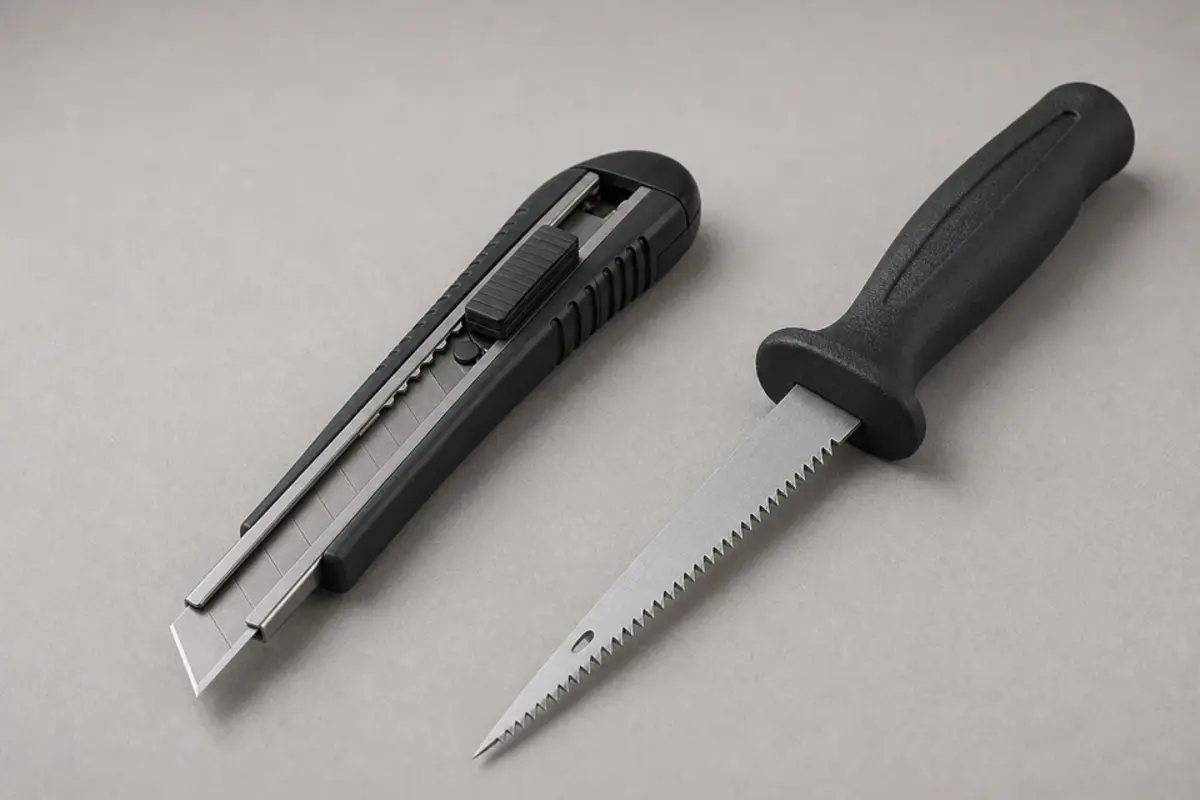
Helps when: Useful when the damaged area has to be cut back to firm drywall after odor and softness checks.
Skip it when: Skip cutting if wiring, plumbing, lead paint, wet insulation, or a large hidden odor source may be involved.
Compare drywall saws on AmazonBuy materials after the wall tells you whether this is a surface seal, a small patch, or a larger cutout.
Paid links. As an Amazon Associate I earn from qualifying purchases. Repair Riot may earn a commission at no extra cost to you.
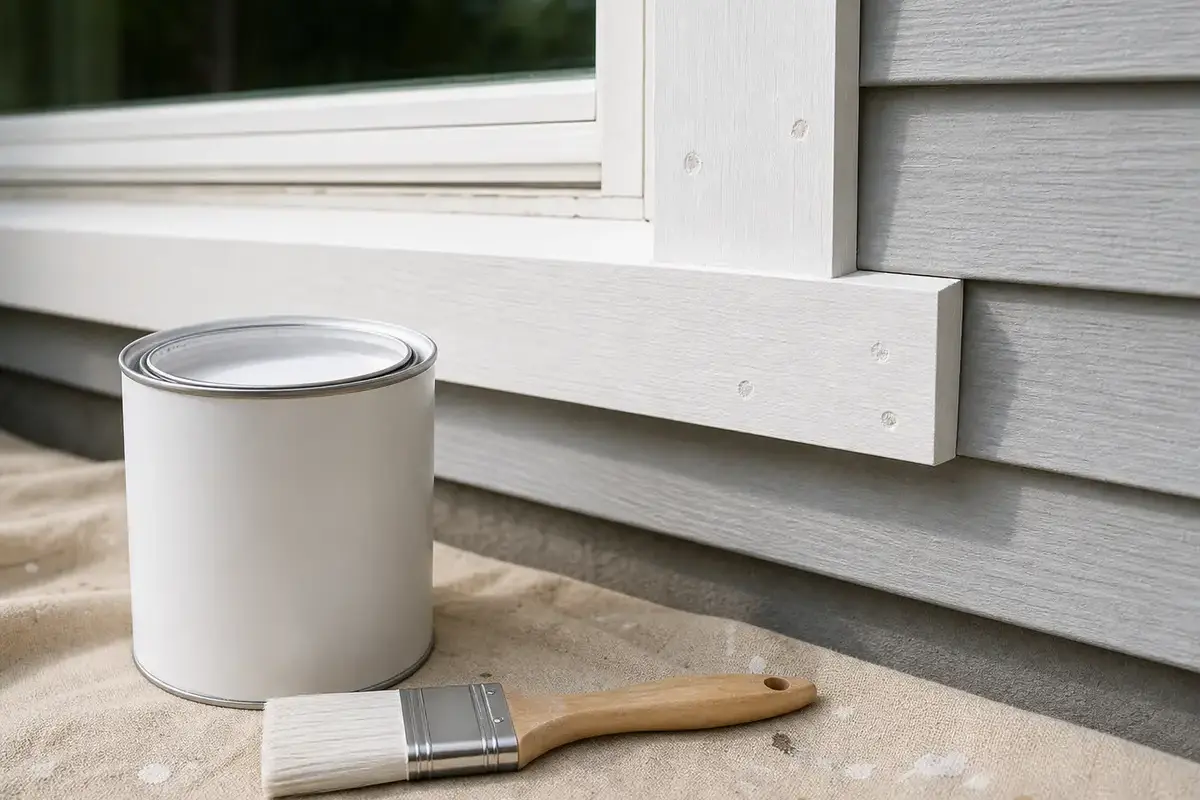
Helps when: Use it only after the wall is hard, dry, clean, and the odor has dropped to faint.
Skip it when: Skip it when the drywall paper is loose, soft, swollen, or still smells strong after drying.
Compare primer sealers on Amazon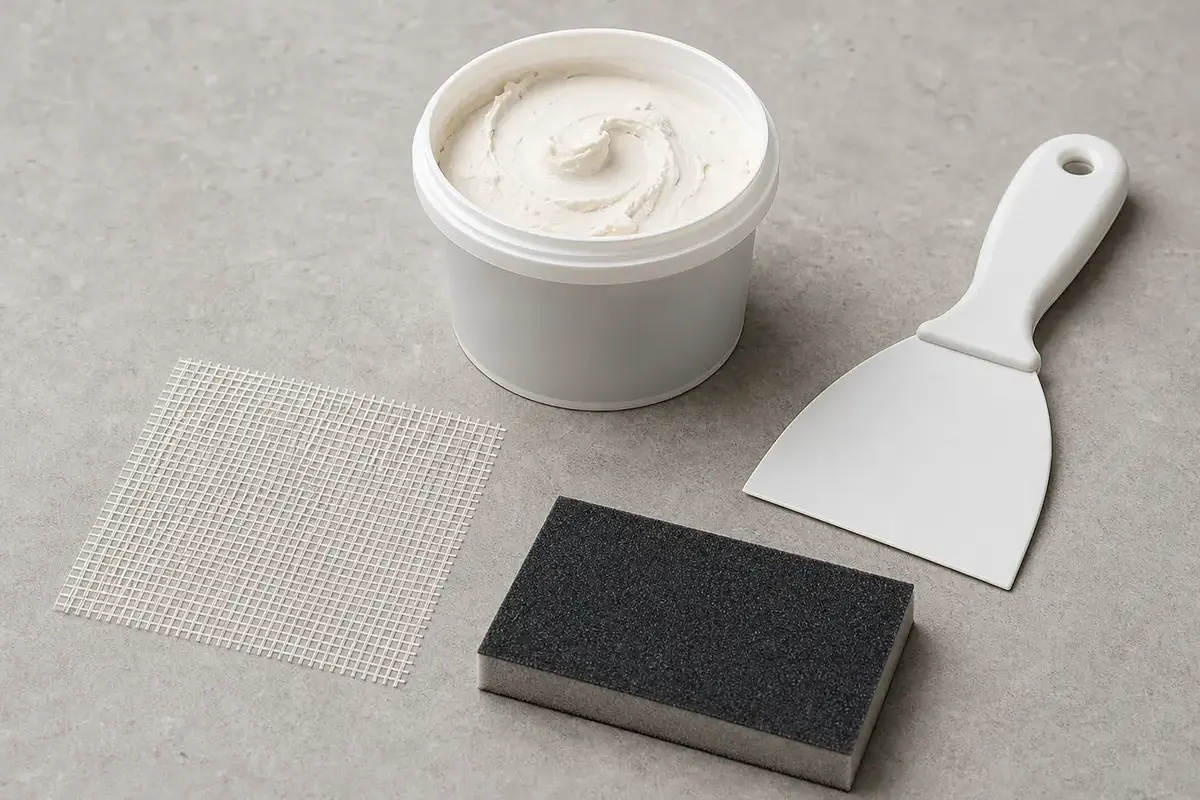
Helps when: Fits a small cutout where contaminated drywall has been removed back to firm material.
Skip it when: Skip it for large affected areas, wet insulation, or damage that reaches framing, cabinets, or flooring.
Compare drywall patch kits on Amazon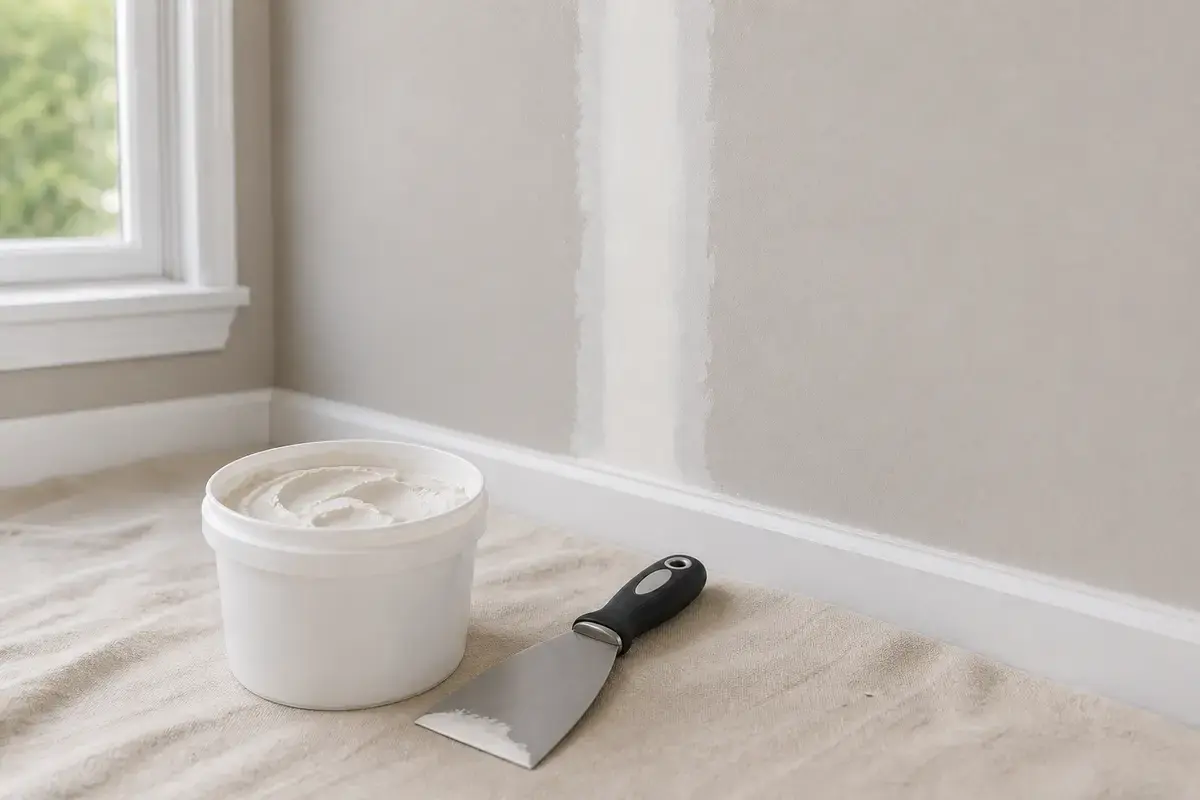
Helps when: Use it for finishing patch seams after the contaminated drywall has been removed.
Skip it when: Skip skim coating over smelly or soft drywall because it leaves the odor source in place.
Compare joint compound on AmazonOdor repairs need a second check after the wall is dry and the room has normal heat or humidity. That is when leftover contamination usually shows itself.
Sometimes, but only when the urine stayed near the painted surface and the drywall is still hard. Strong smell after a small test clean and full drying usually points to replacement.
Softness, swelling, bubbling paint, loose paper face, crumbling gypsum, or odor that keeps coming back after cleaning are the big signs. Once those show up, cut-out and patch is usually the better repair.
Not reliably if the drywall itself is contaminated. Sealer can help on minor surface damage, but it will not rescue soaked, smelly drywall for long.
Usually yes. Urine often spreads past the visible yellowing, especially at corners and near the base of the wall. Follow the odor and remove back to clean, solid material.
That usually means some contaminated material was left behind nearby. Check adjacent baseboard, trim, flooring edge, insulation, or the opposite side of the wall before assuming the new patch failed.
Yes. Repeated light marking can build up in the paint, paper face, and corner edges over time. That is why some walls smell much worse than they look.
Only use one that is labeled for the surface, and keep the test area damp rather than wet. Stop if the paint softens or the paper face starts to lift. Cleaner can help surface odor, but it will not save soft drywall.
Not automatically. Remove or loosen trim when the smell is strongest at the baseboard line, the trim is stained or swollen, or the odor continues after the drywall patch.
Repair Riot built this page around visible checks: firmness, odor after drying, lifted paper, stain spread, trim edges, and stop points before cutting or sanding. EPA source links support moisture cleanup and lead-safe repair boundaries.