Afci breaker hot
AFCI breaker hot? Sort normal load warmth from unsafe heat, look for room-side outlet and cord clues, and know when to shut it off and call an electrician.
Use breaker trip patterns, heat, noise, reset behavior, and affected circuits to decide what to check and when to stop.
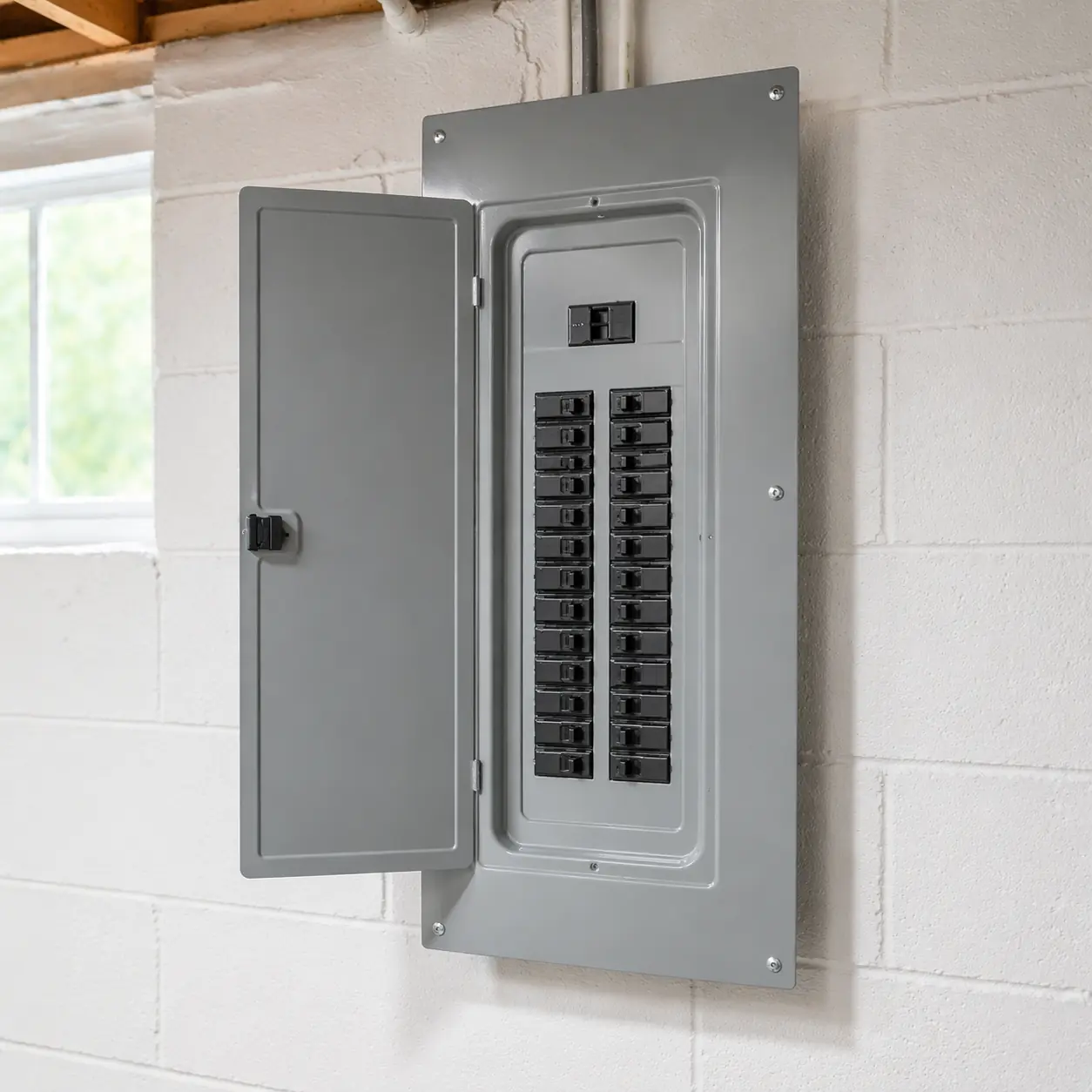
AFCI breaker hot? Sort normal load warmth from unsafe heat, look for room-side outlet and cord clues, and know when to shut it off and call an electrician.
If an arc fault breaker keeps tripping, start by separating overloads and appliance issues from wiring trouble. Use safe checks first and stop early on heat, buzzing, or burning smells.
If your boiler trips the breaker, start by separating overload, wet wiring, pump seizure, and hard short clues. Use safe checks first and stop early if you see heat, arcing, or water at electrical parts.
If a breaker sparks when you reset it, stop and sort out whether the flash came at the handle, inside the panel, or from the connected circuit. Start with load checks and visible damage, then escalate fast for panel heat, burning smell, or repeated arcing.
A buzzing breaker can mean overload, a loose connection, arcing, or a failing breaker. Start with safe checks, reduce load, and know when to stop and call an electrician.
A crackling breaker is not normal. Learn the safest first checks, how to tell load noise from a dangerous loose connection, and when to stop and call an electrician.
If a breaker handle is stuck between on and off, treat it like a tripped breaker first, then check for overloads, shorted loads, or signs the breaker or panel is unsafe to touch.
If a breaker handle won't stay reset, start by unplugging loads and fully resetting it. Learn how to tell overloads, short circuits, appliance faults, and unsafe panel problems apart.
A breaker that gets hot after rain usually points to water getting into the panel, meter area, mast, or an outdoor branch connection. Shut off risky loads, look for moisture signs from outside the panel, and call an electrician if heat, rust, buzzing, or repeat tripping shows up.
A breaker that feels hot can mean heavy load, a failing connection, or a dangerous panel problem. Start with safe checks, reduce load, and know when to stop and call an electrician.
Breaker keeps tripping? Sort overload, one bad cord, GFCI moisture, and immediate-trip clues before replacing parts or opening the panel.
Breaker not resetting? Use one safe OFF-then-ON reset, unload the circuit, check wet or damaged devices, and leave panel work to an electrician.
A breaker odor after running a space heater usually points to overheating at the breaker, panel, receptacle, or cord connection. Shut the heater off, check for heat damage, and know when to call an electrician fast.
A clicking breaker panel can mean a normal relay action, a breaker trying to trip, or a dangerous loose connection. Start with the sound pattern, heat, smell, and what loses power before touching anything.
Find out why moisture is forming on a breaker panel after a cold snap, what to check safely first, and when to stop and call an electrician right away.
Find out what breaker panel corrosion usually means, what you can safely check from outside the panel, and when to stop and call an electrician immediately.
Condensation on a breaker panel usually means humid air is hitting a cold panel or moisture is getting into the enclosure. Dry the area safely, look for the source, and stop if you see rust, water tracks, heat, or arcing signs.
A hot breaker panel can point to overload, a loose connection, or a failing breaker. Start with safe checks, stop on burning smells or buzzing, and know when to call an electrician fast.
A buzzing breaker panel can mean a loose connection, overloaded circuit, or failing breaker. Start with safe checks, stop on heat or burning smell, and know when to call an electrician.
Rust in or on a breaker panel usually means moisture has been getting where it should not. Learn what you can safely check, when to stop, and when the panel needs an electrician now.
A burning smell at a breaker panel is a stop-now electrical warning. Learn the safest checks you can make from outside the panel and when to call an electrician immediately.
An ozone or sharp electrical smell at a breaker panel usually points to arcing, overheating, or a loose connection. Shut off what you safely can, do not open the panel, and know when to call an electrician now.
A breaker panel that feels warm on one side can point to heavy load, a hot breaker, or a loose connection. Start with safe checks, reduce load, and know when to call an electrician fast.
A burning smell at a breaker or panel is a stop-now electrical warning. Learn the safest checks, what the smell usually means, and when to call an electrician immediately.