3 way switch not working
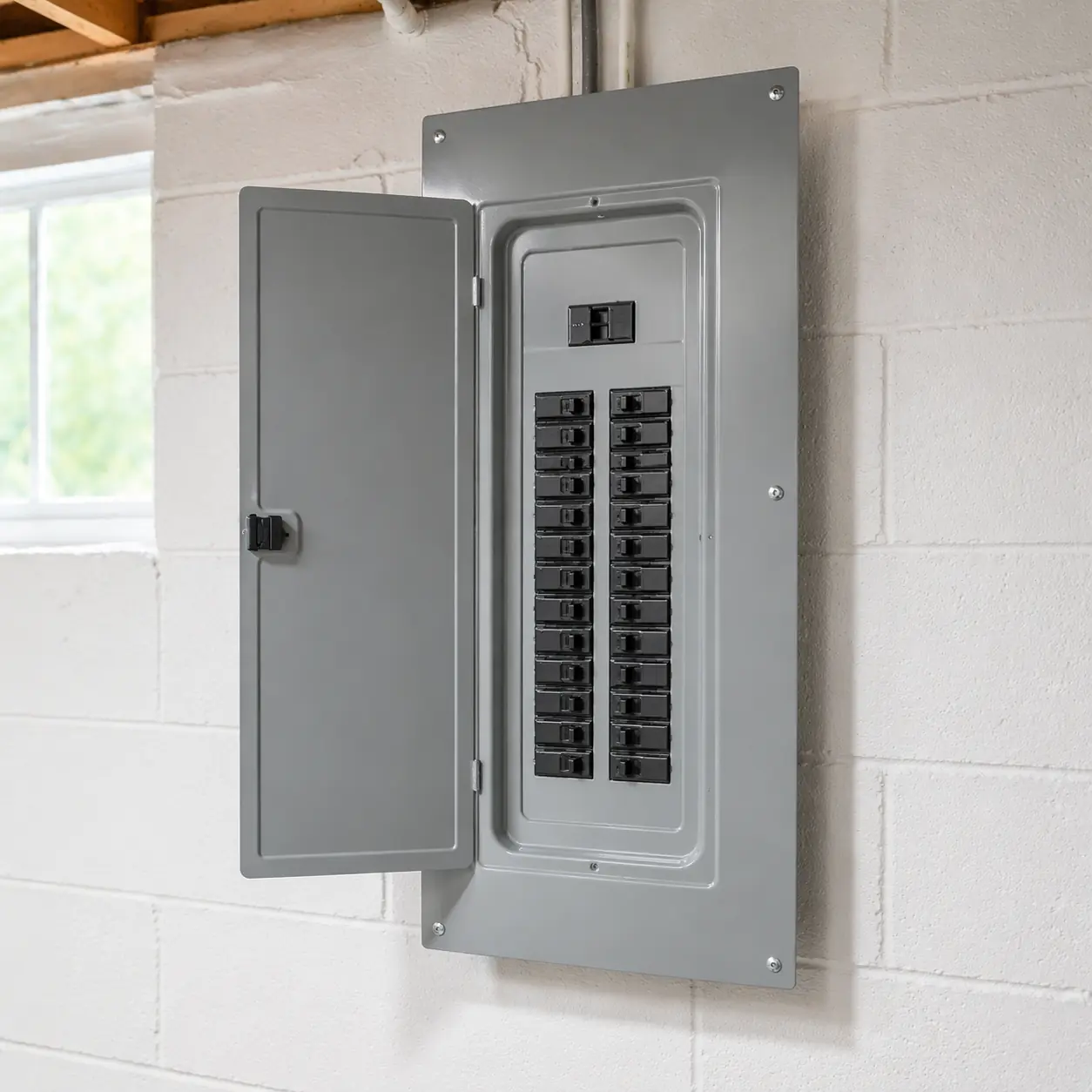
3-way switch not working? Check breaker, bulb, switch pattern, common wire, failed switch, fixture issue, and wiring stop signs before replacing parts.
Use the closest switch symptom to decide whether the issue is the switch, fixture, wiring, breaker, or load on the circuit.
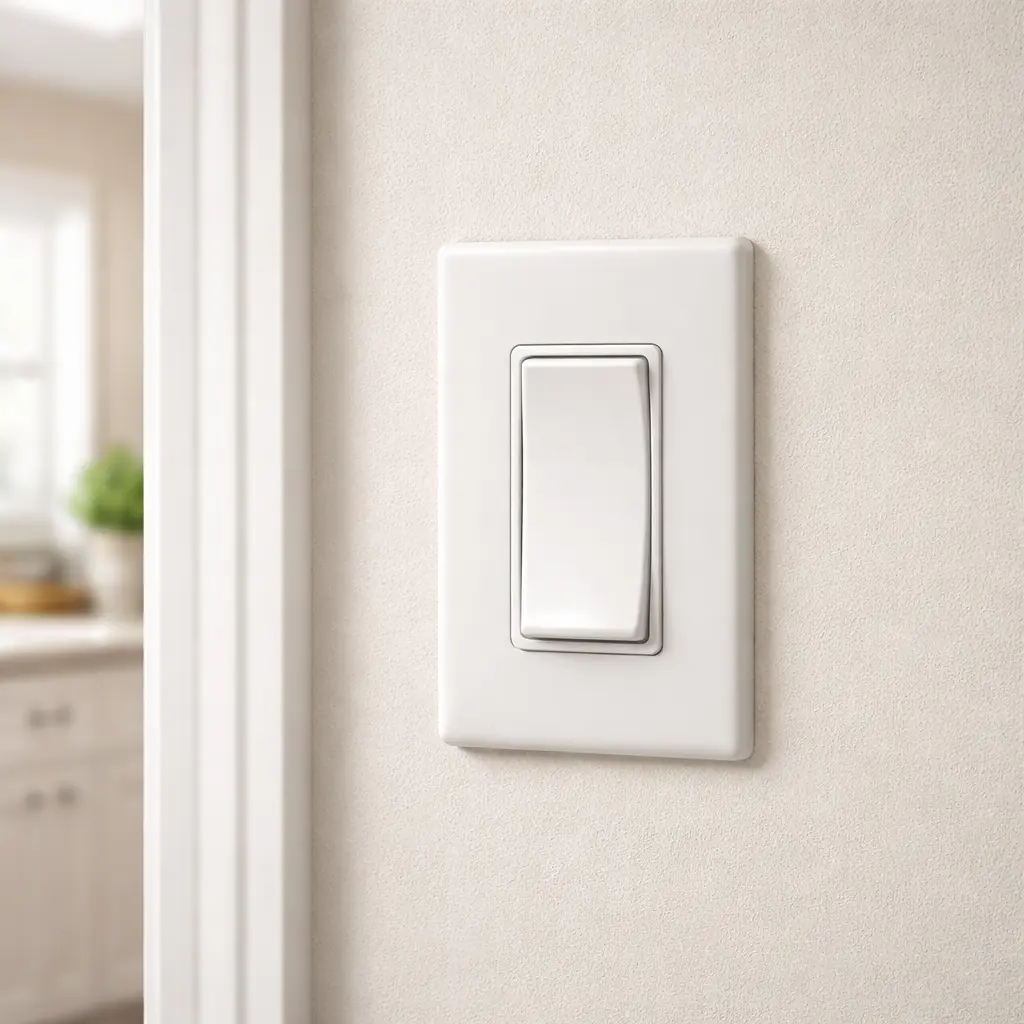
3-way switch not working? Check breaker, bulb, switch pattern, common wire, failed switch, fixture issue, and wiring stop signs before replacing parts.
A burning smell from a light switch usually means heat at the switch or wiring connection. Shut power off, separate dimmer vs standard switch clues, and know when to stop and call an electrician.
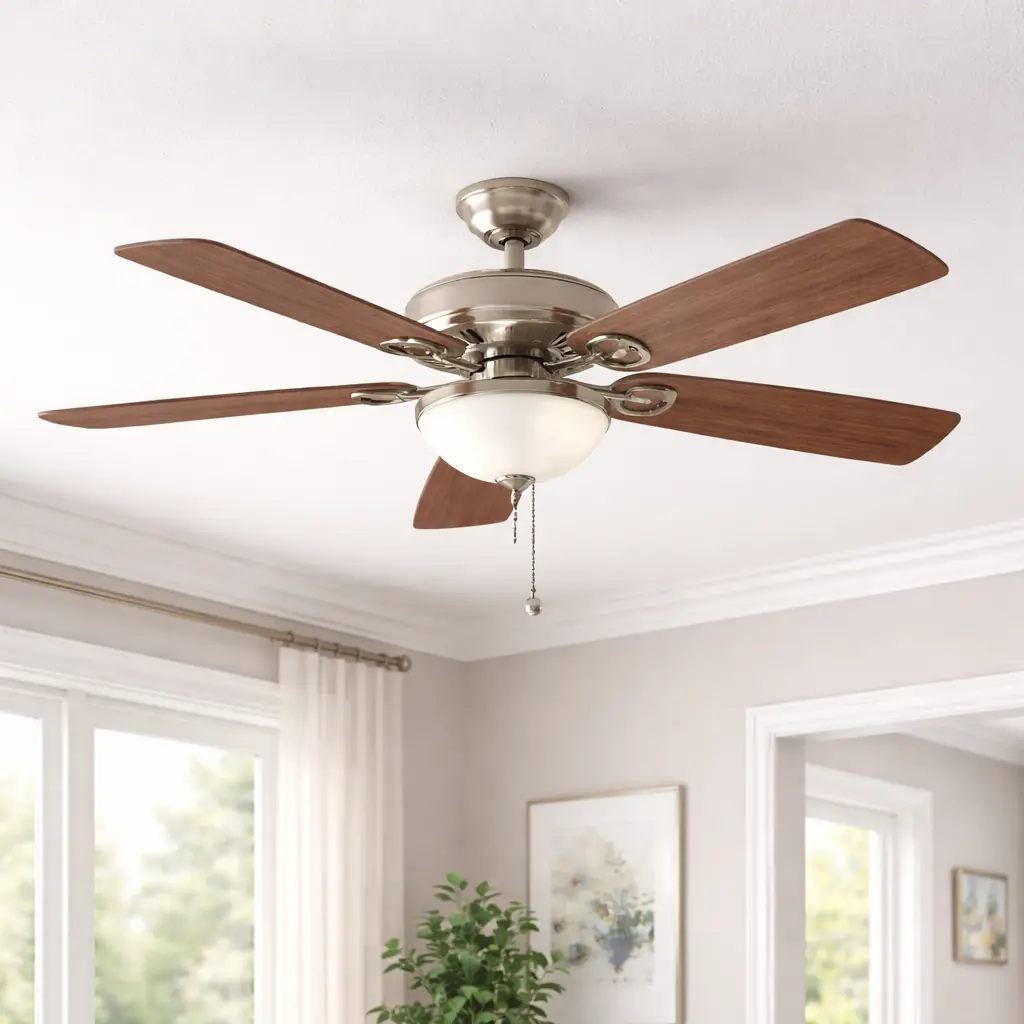
Ceiling fan wall switch won't control fan? Check breaker feed, pull-chain setting, remote receiver, switch type, failed switch, and wiring setup before buying parts.
Find out why a light switch dimmer buzzes, when the sound is normal, and when it points to a bad dimmer, incompatible bulbs, overload, or a loose electrical connection.
Find out why a dimmer switch makes lights flicker. Start with bulb compatibility and dimmer settings, then stop early for heat, buzzing, or loose-connection signs.
A dimmer switch that feels hot can be normal, overloaded, mismatched to the bulbs, or failing. Start with heat level, bulb type, load, and any buzzing or burning smell before replacing the dimmer.
Figure out why hallway 3-way switches stopped controlling the light. Start with breaker, bulb, and failure pattern checks, then narrow down a bad 3-way switch or wiring issue safely.
If a light switch sparks or arcs more in humid weather, stop using it until you separate normal tiny contact spark from a loose, damp, or failing switch. Start with safety and visible clues.
If a light switch won't stay in position and springs back, first identify whether it's a standard switch, 3-way switch, or dimmer. Stop on heat, buzzing, or sparking, and replace the switch only after the switch type is confirmed.
A buzzing light switch can be normal with some dimmers, or a warning sign of a loose connection, overloaded dimmer, or failing switch. Start with safe checks and know when to stop and call an electrician.
A warm light switch cover can be normal with some dimmers, but hot, buzzing, or smelly is not. Check load, switch type, and loose-connection warning signs before replacing the switch.
A crackling light switch usually means arcing or a loose connection. Stop using it, check for heat or burning smell, and replace the switch or call an electrician if the box wiring looks damaged.
If a dimmer switch makes lights flicker, start by separating bulb mismatch from a bad dimmer or loose wiring. Check the pattern first, then know when to stop and call an electrician.
If a light switch will not turn the light off, first separate a bad switch from a 3-way setup, dimmer issue, or fixture problem. Stop early for heat, buzzing, or burning smell.
If a light switch does nothing, first separate a bad bulb or dead fixture from a dead switch circuit. Check the breaker, GFCI, other dead devices, and stop on heat, buzzing, or scorch marks.
If a light switch feels hot, start by separating normal dimmer warmth from dangerous heat, buzzing, or burning smell. Check load, plate warmth, and loose-connection signs before replacing the switch.
A humming switch on a fan circuit can mean the wrong control type, a worn fan control, or a loose connection. Know when to stop.
A light switch that wiggles or sinks into the wall is usually a loose wall plate, loose mounting screws, or a damaged electrical box. Stop if it feels hot, buzzes, sparks, or the box moves in the wall.
Light switch not working? Sort the bulb, fixture, breaker, GFCI, switched outlet, 3-way setup, and failed switch before replacing parts.
If a light switch works only part of the time, first rule out a bad bulb, tripped breaker, or 3-way setup. Intermittent switches can also mean a loose or failing switch and should be treated as a safety issue.
A light switch that gives even a small shock is not normal. Start with safe checks, separate static from real line voltage, and know when to stop and call an electrician.
A light switch that shocks you can mean static, a loose connection, bad grounding, or a failing switch. Start with safe checks, then stop early if there is heat, buzzing, or repeat shock.
Light switch smells like burning? Stop using it, shut off the breaker, sort switch-box heat from fixture heat, and know when to call an electrician.
If a light switch sparks, start by shutting off power and checking for heat, burning smell, or a loose wall plate. Small snap sparks can be normal on some switches, but repeated sparking, buzzing, heat, or scorch marks usually point to a worn or loose light switch that needs replacement by a careful DIYer or an electrician.