Only warm during heavy use?
Unplug portable heaters, vacuums, hair tools, irons, dehumidifiers, and large electronics on that circuit. A breaker that cools after the load is removed is telling you the circuit was being pushed hard.
Start by taking load off the circuit. A warm AFCI breaker can be normal under heavy use, but a breaker that is hard to touch, smells hot, buzzes, trips, or looks discolored belongs off until an electrician checks it.
Most heat complaints come from a crowded circuit, a loose connection, or a damaged cord, plug, outlet, or fixture on that AFCI-protected run.
Use the panel only for closed-cover checks. Reduce load, inspect room-side clues, and stop before any cover-off panel work.
Don’t start with: Do not replace the AFCI breaker just because the handle feels warm. A new breaker will not fix an overloaded circuit, loose termination, or damaged device downstream.
Unplug portable heaters, vacuums, hair tools, irons, dehumidifiers, and large electronics on that circuit. A breaker that cools after the load is removed is telling you the circuit was being pushed hard.
Treat load as only part of the story. Look for warm outlets, loose plugs, flicker, recent outlet work, or a device that changed just before the heat started.
Stop using the circuit. Those clues can come from a loose connection, damaged insulation, arcing, or a failing breaker, and they belong to a licensed electrician.
Write down whether it trips right away, after several minutes, or only with one device. Do not keep resetting it under load.
Leave it lightly loaded or off and schedule service. Heat under light use moves the diagnosis toward a bad connection, fixed wiring fault, or the AFCI breaker itself.
Keep the clues on the safe side of the repair. Compare breaker warmth with the cover on, note what was running, and check room-side outlets, cords, plugs, and switches for heat or damage.
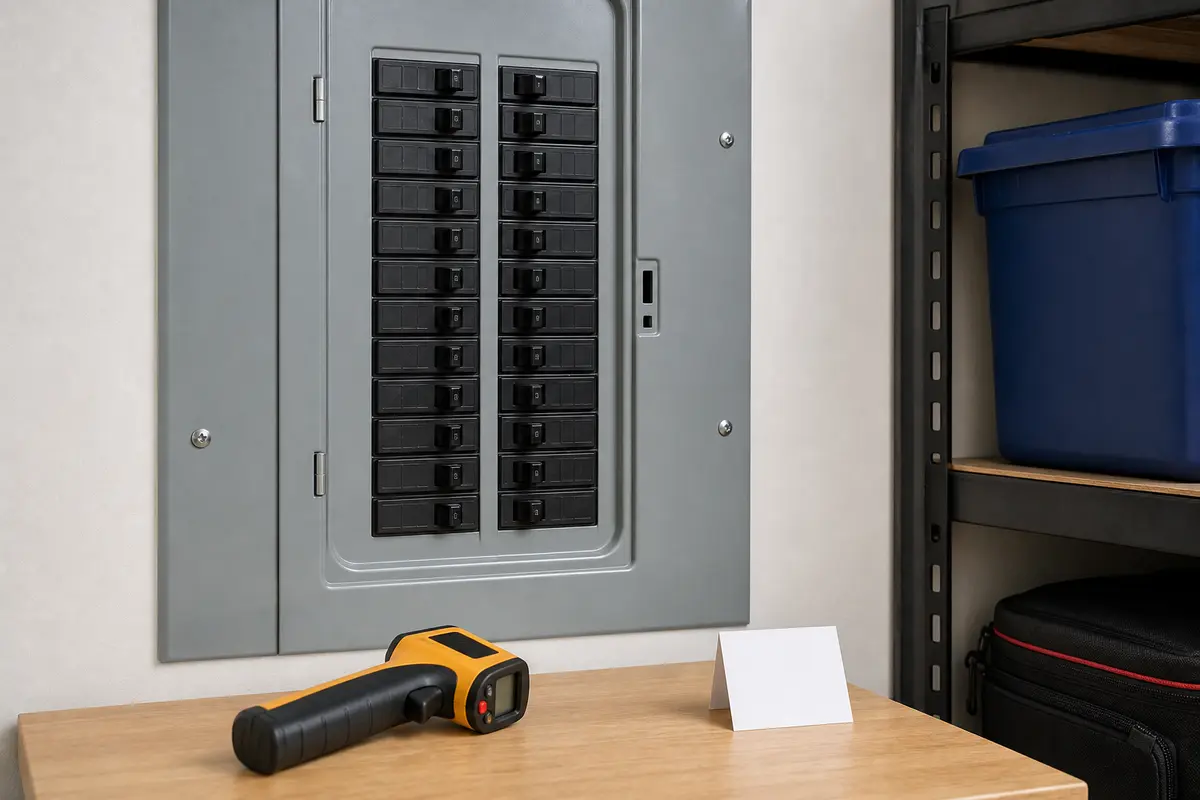
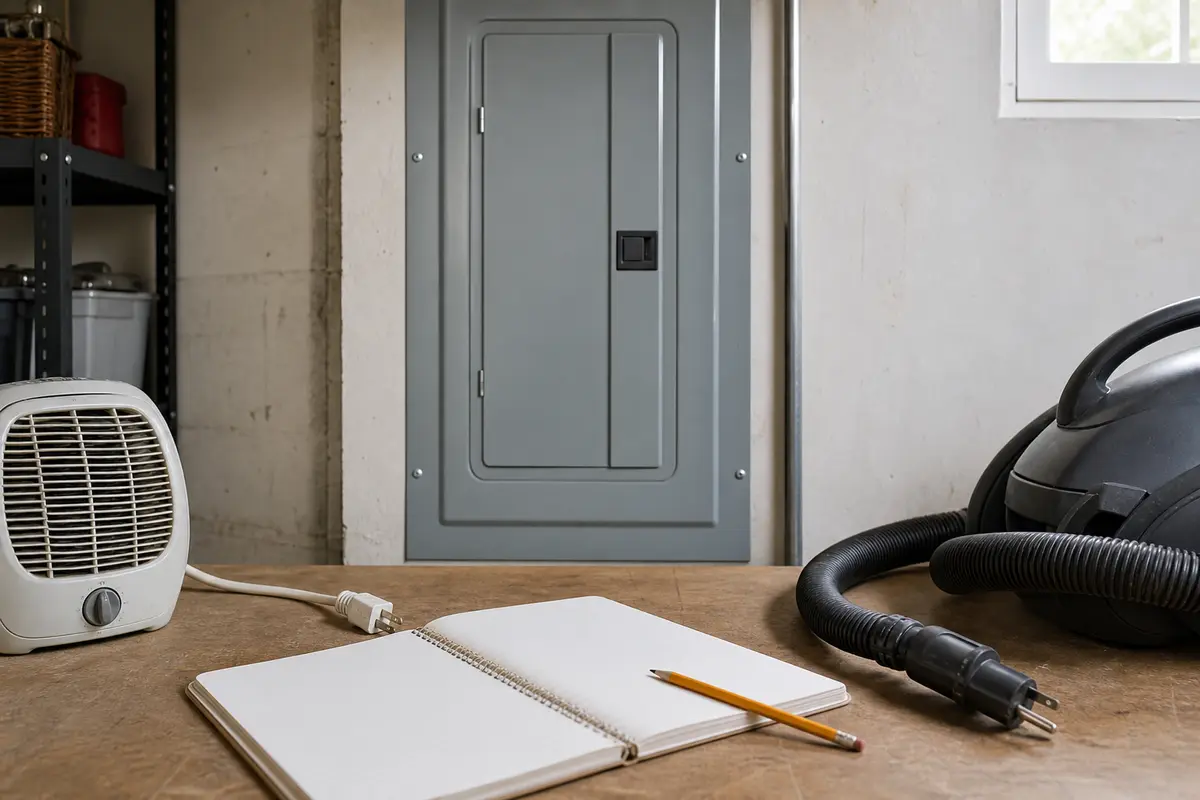
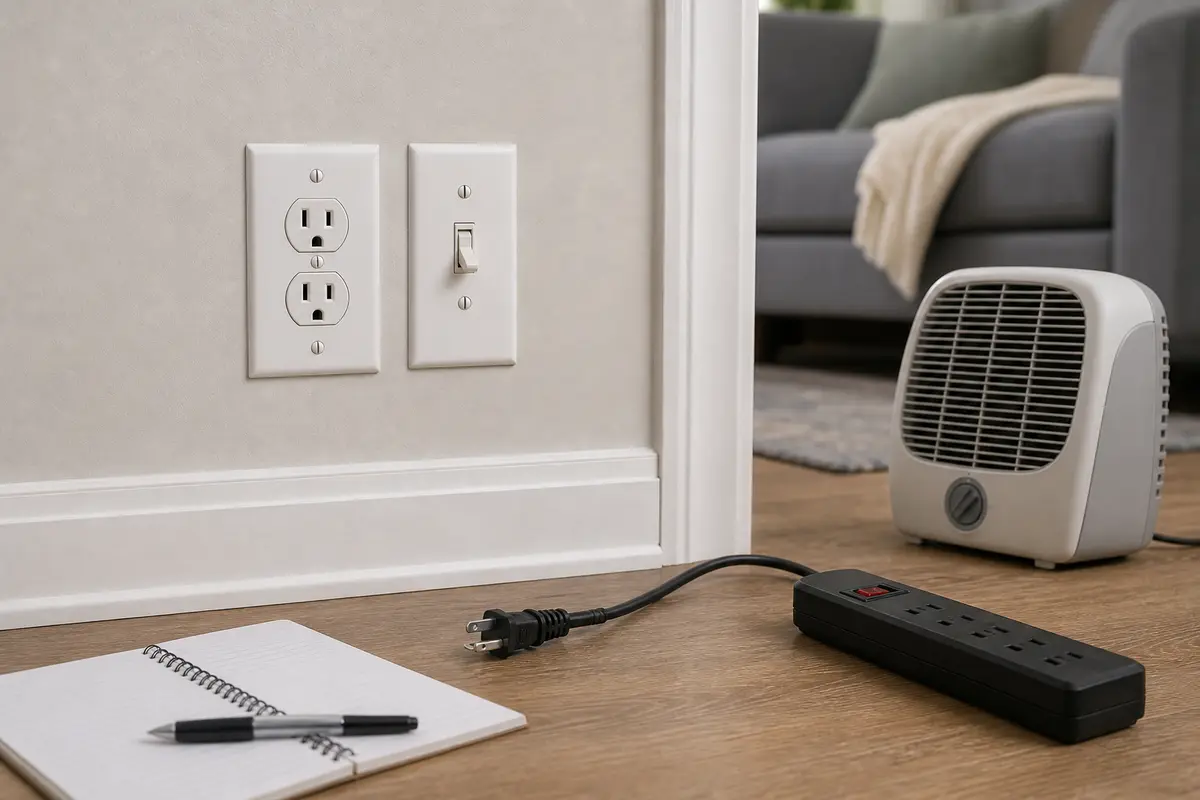
Do not buy an AFCI breaker until the exact diagnosis makes sense. A replacement must match the panel model, breaker type, amp rating, neutral arrangement, and manufacturer instructions, and panel work can stay energized even when the main is off. A hot breaker is a diagnosis call before it is a shopping call.
When one AFCI breaker handle feels hot and neighboring handles feel normal, start with load. Unplug the largest load, then wait 15 to 30 minutes. Compare the handle again; if it cools, trace that appliance, cord, outlet, or circuit load before buying a breaker.
A hot breaker is one of the electrical symptoms where the safest repair move is restraint. Keep the checks on the finished side of the panel and do not use repeated resets as a diagnostic method.
Start with one split: does heat follow a heater, vacuum, treadmill, or dehumidifier, or does the breaker stay hot with the circuit quiet? Let it cool before choosing load mapping or an electrician visit.
| What you notice | What it usually means | Next move |
|---|---|---|
| Warm only when a heater, vacuum, hair tool, or large electronics setup runs | The circuit is near its limit, especially if several devices share the room | Remove the heavy load, spread demand to another circuit only where safe, and do not keep using that outlet at the edge |
| Cools after loads are unplugged and stays mild with normal lights | Load was likely the main driver | Keep high-draw devices off that circuit and watch for any return of odor, buzzing, or trips |
| Stays hot with almost nothing plugged in | Load alone does not explain it | Leave the circuit off or lightly used and arrange panel and wiring diagnosis |
| Heat returns when one lamp, power strip, charger, or outlet is used | The clue may be a damaged cord, plug, receptacle, or connected device | Leave that item unplugged and have the damaged device or outlet repaired before using it again |
| Heat comes with buzz, smell, discoloration, smoke, or repeated trips | A loose connection, arcing condition, or failing breaker is possible | Stop troubleshooting and call a licensed electrician |
These checks help an electrician without putting you inside the panel. Stay with what you can see, smell, hear, and unplug from the finished side.
Load heat should drop when the load drops. When it does not, the next homeowner check is room-side: look for warm cover plates, loose plugs, flicker, scorch marks, or one device that brings the heat back.
AFCI breakers are not universal parts, and a hot breaker can be a symptom of a bad connection outside the breaker. Treat replacement as the last step in a diagnosis, not the first purchase.
These tools support safe observation and notes. They do not make breaker replacement, conductor retorquing, or open-panel diagnosis a homeowner job.
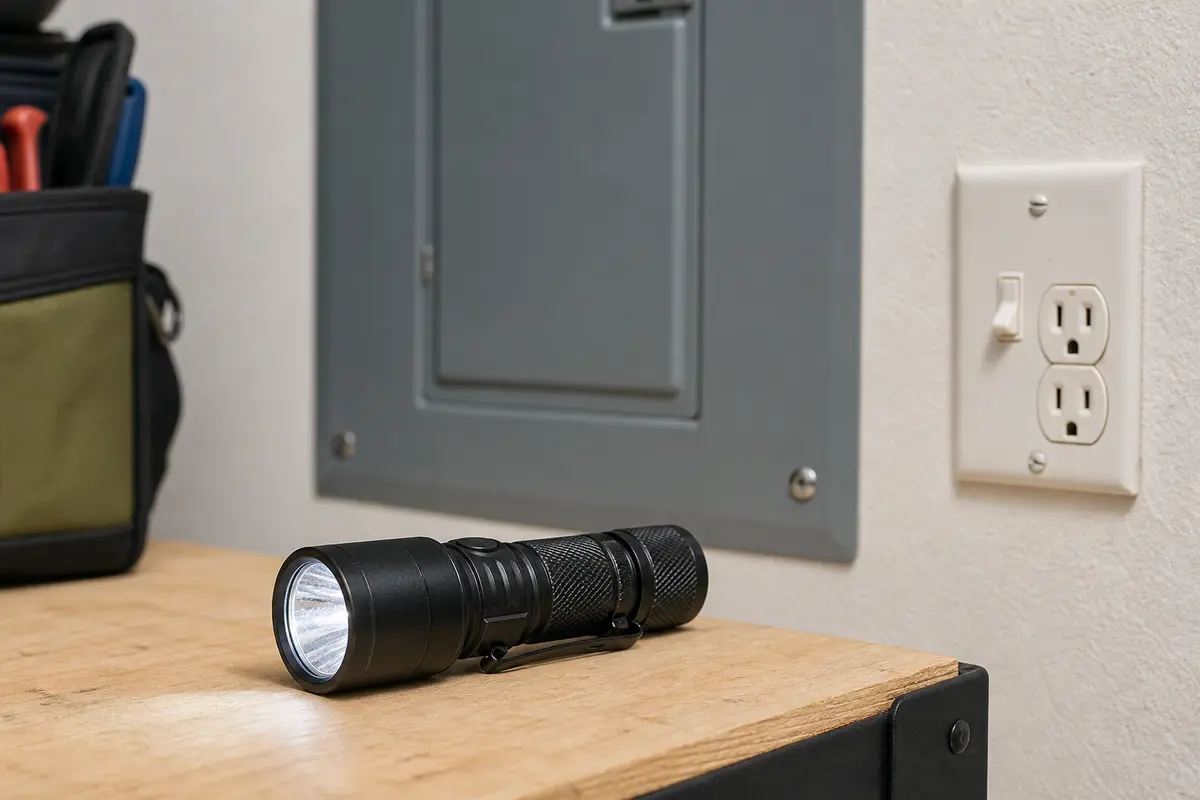
Helps when: Use it to read the panel directory, compare breaker positions, and look for discoloration at outlets and switches without leaning into a dark panel.
Skip it when: Better light still leaves you unsure whether a breaker, outlet, or cord is safe to touch.
Compare inspection flashlights on Amazon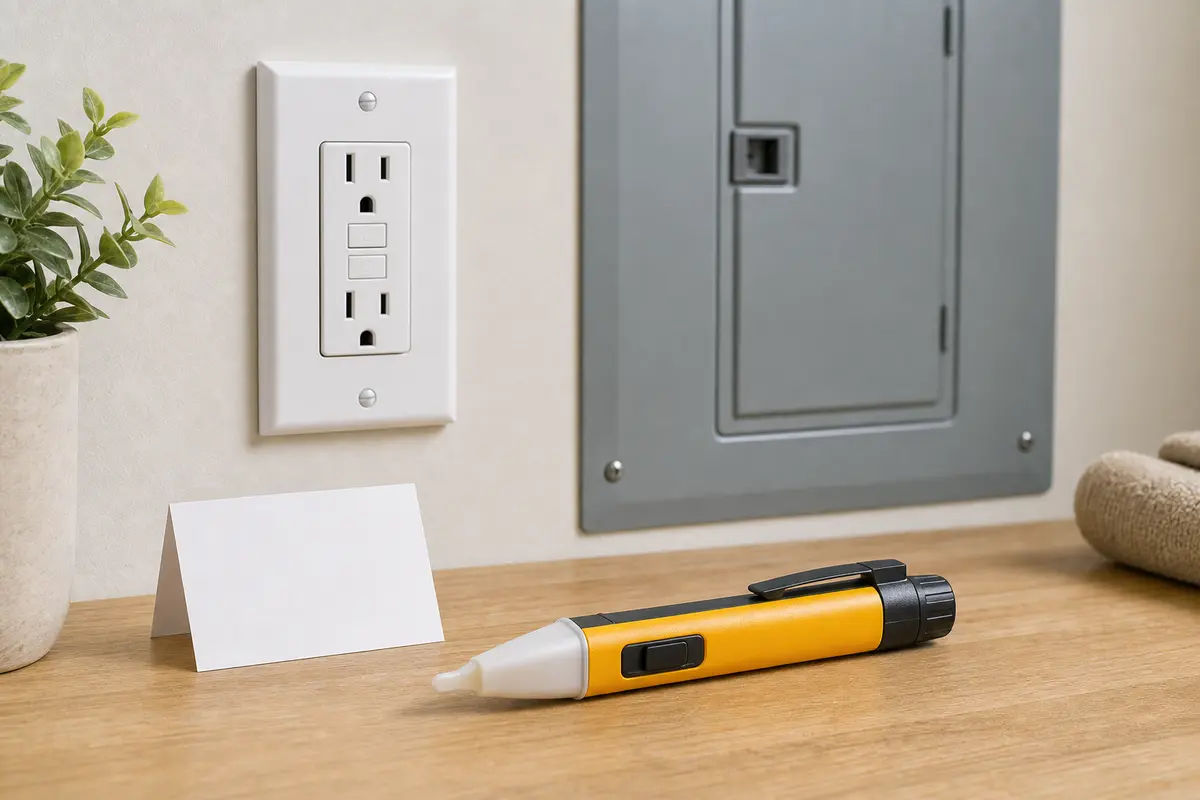
Helps when: Use it as a screening tool at room-side outlets, switches, cords, and devices after a breaker is off.
Skip it when: You would need to open the panel, identify conductors, or prove a circuit dead for wiring work.
Compare voltage testers on Amazon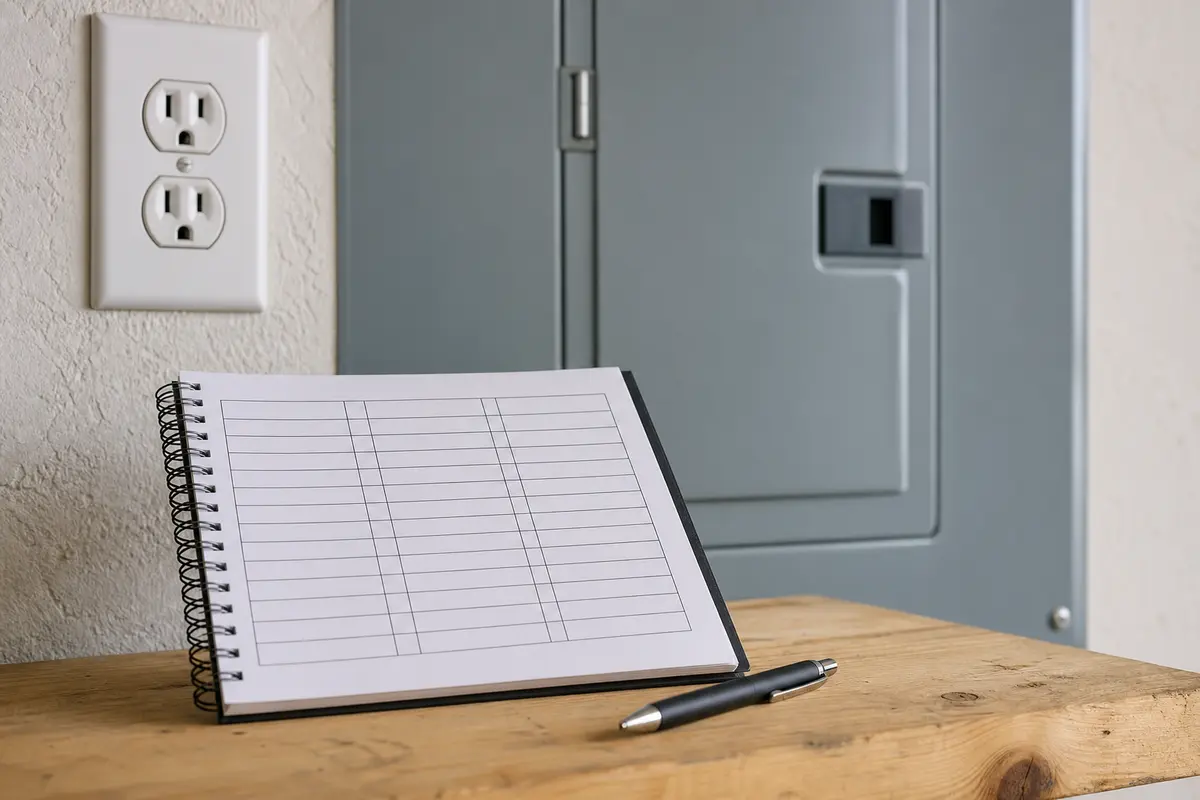
Helps when: Use it to map what the AFCI breaker controls and record what was running when the heat appeared.
Skip it when: The panel is hot, buzzing, smoking, or unsafe to stand near.
Compare circuit label sheets on AmazonAs an Amazon Associate I earn from qualifying purchases. Repair Riot may earn a commission at no extra cost to you.
Good notes shorten the service call and keep the repair from turning into parts guessing. Write down observations before the pattern fades.
A little warmth can be normal when the circuit is carrying a heavy load. Compare it with nearby breakers. Painful heat, hot-plastic odor, buzzing, discoloration, smoke, or one breaker that is much hotter than its neighbors is not normal.
You do not need a temperature number. If the breaker handle makes you pull away, smells hot, buzzes, or stays hot after loads are unplugged, leave the circuit off and call an electrician.
A breaker can be hot before it trips. Heavy load and loose connections can create heat without opening the breaker right away, so no trip does not mean the condition is safe.
Yes. Portable heaters, vacuums, hair dryers, irons, dehumidifiers, treadmills, and large electronics can warm a breaker when the circuit is carrying a strong sustained load.
Yes. A loose receptacle, worn power strip, damaged cord, or hot plug can be the clue that the unsafe heat is on the circuit side, not only inside the breaker.
Usually no. If the hot breaker stays hot with loads unplugged, the next check is professional: panel terminal, breaker fit, damaged outlet, or wiring. Do not replace it as a guess.
Leave the circuit off and call an electrician. Heat plus buzzing, odor, or repeated trips is the clue; the next check is the breaker terminal, connected wiring, and downstream outlets, not another reset.
That points toward load as the main driver. Keep that high-draw device off the circuit and do not treat the cool-down as permission to run the same load there every day.
Treat the heat and trips as one fault pattern. Note what was running and whether the trip is immediate, delayed, or tied to one device, then leave the circuit off if the pattern repeats.
Repair Riot built this page around homeowner-safe AFCI heat triage: closed-panel observation, load reduction, room-side cord and outlet clues, and clear electrician stop points. Public sources support AFCI fire-safety purpose, overload warning signs, and the panel-work boundary; the repair order is original Repair Riot guidance.