Smoke detector all detectors going off
When all smoke detectors go off together, treat it as real first. Check for smoke, steam, dust, low battery chirp confusion, and one bad interconnected detector before replacing anything.
Start with the beep pattern, age, power source, and location before replacing a detector or ignoring an alarm.
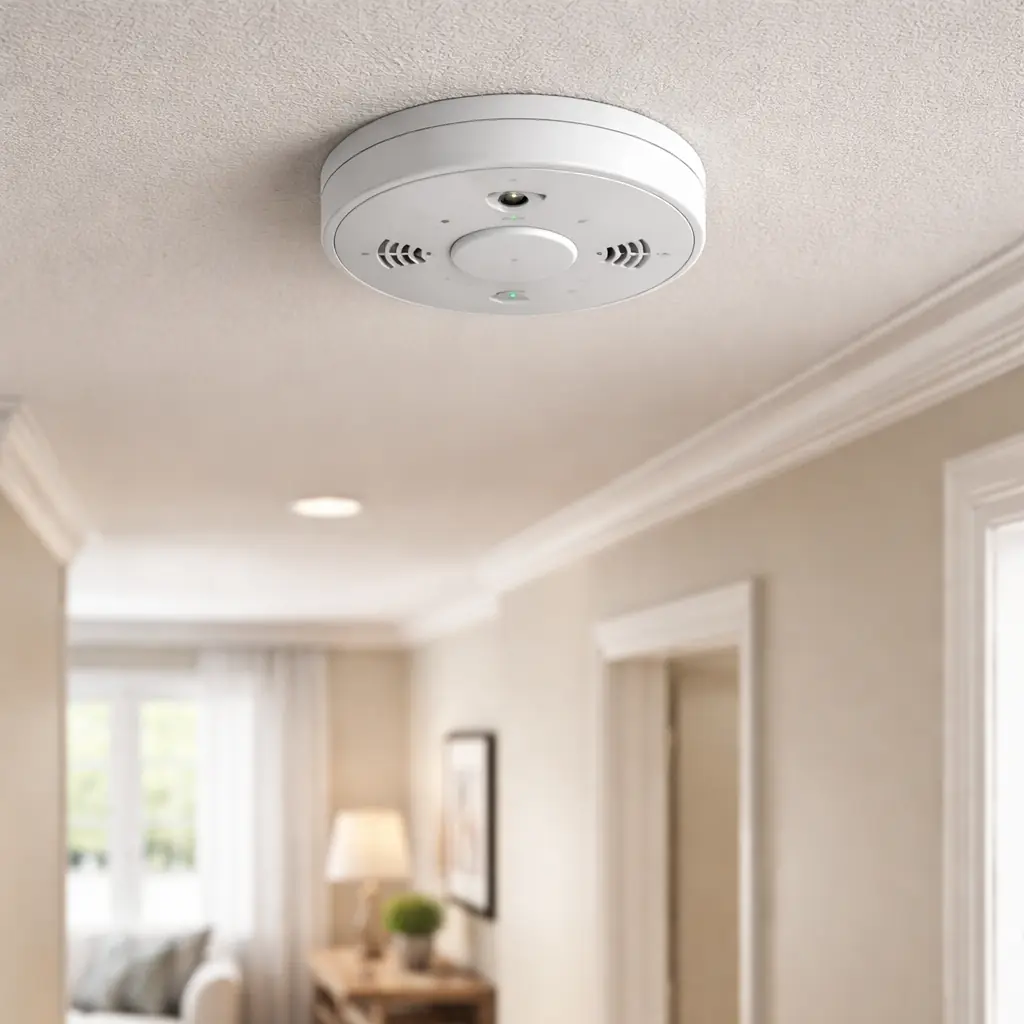
When all smoke detectors go off together, treat it as real first. Check for smoke, steam, dust, low battery chirp confusion, and one bad interconnected detector before replacing anything.
If your CO detector started beeping after a power outage, check whether it is a low backup battery chirp, a reset issue, or an end-of-life signal before replacing the unit.
Figure out whether your CO detector is giving an end-of-life chirp, a low-battery beep, or a real alarm. Start with the label and display, then replace the detector if its service life is over.
If a CO detector seems to go off randomly, treat it as real first. Check for symptoms, fresh air, detector age, battery issues, and whether one unit or all units are alarming.
If your CO detector won't clear, treat it as real until proven otherwise. Check for fresh air recovery, battery or end-of-life signals, and whether one hardwired unit is keeping the whole set in alarm.
If a hardwired smoke or CO detector says low battery, start with the battery type, install direction, drawer fit, and detector age before replacing the whole unit.
Find out why a hardwired smoke detector keeps beeping. Start with alarm vs chirp, power and battery checks, dust cleanup, and when the detector is simply at end of life.
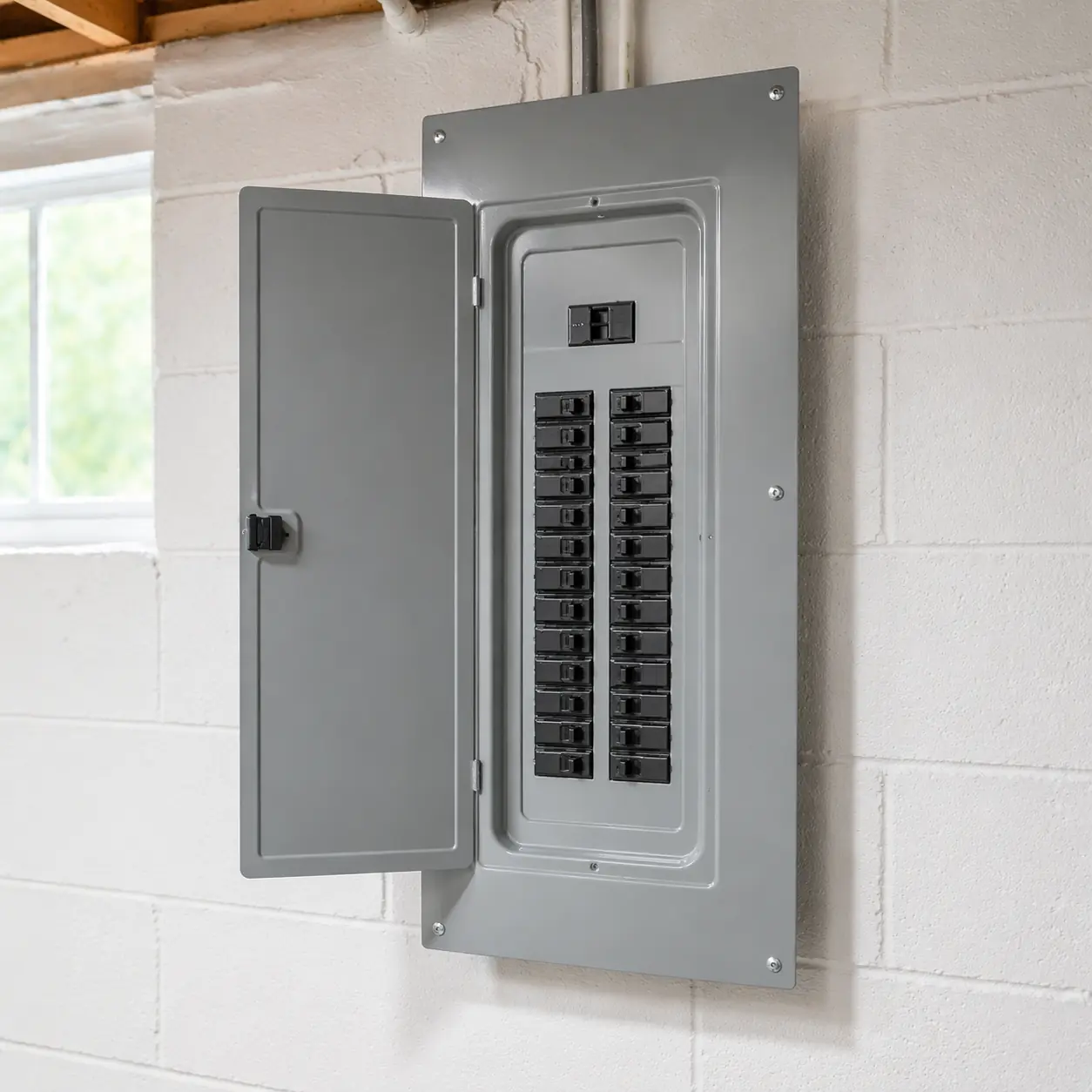
Check whether one hardwired smoke or CO detector is dead because of a tripped breaker, loose plug, missing backup battery, or an expired detector unit before replacing it.
If a hardwired smoke or CO detector has no green light, start with the breaker, nearby dead devices, and the battery drawer before assuming the detector is bad. Here’s how to sort out lost house power from a failed detector safely.
When all interconnected smoke detectors go off, treat it as real first. Check for smoke or CO, identify the initiating alarm, then clean or replace the detector only if the pattern supports it.
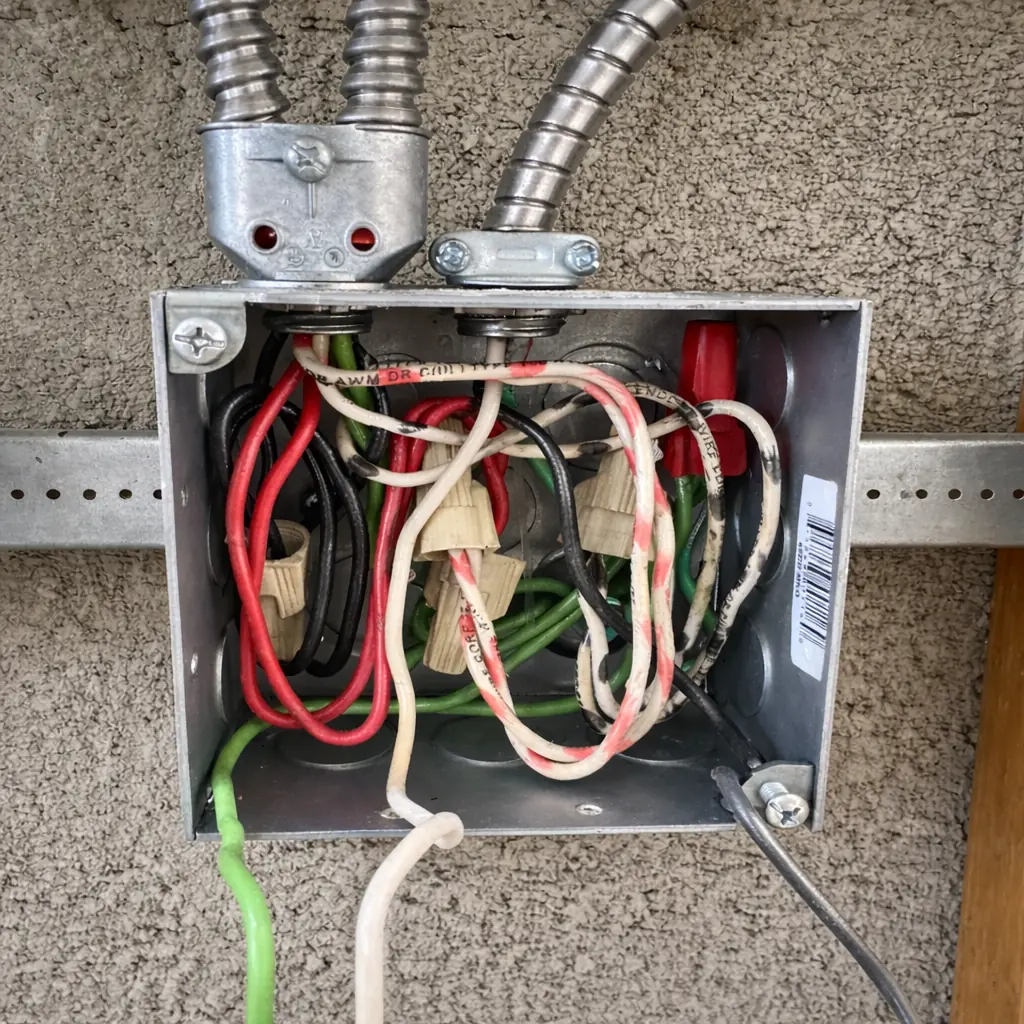
If a mouse chewed a smoke or CO detector wire, treat it as a safety issue first. Learn how to tell whether the damage is at the detector, in the ceiling box, or deeper in the circuit, and when replacement is enough versus when to call an electrician.
If one smoke detector keeps going off, first rule out real smoke, steam, dust, insects, low battery, and end-of-life chirps before replacing the detector.
If rats chewed a smoke or CO detector wire, treat it as a safety issue first. Learn what to check, when to replace the detector, and when to call an electrician.
If a smoke detector alarm won't reset, first rule out a real smoke or CO event, then check for a latched hush state, weak backup battery, dirty sensing chamber, lost AC power, or an end-of-life unit.
If your smoke or CO detector battery dies too quickly, first separate a true low-battery issue from end-of-life chirping, poor battery contact, or a hardwired power problem.
If your smoke detector keeps beeping after a new battery, check for battery fit, drawer position, dust, reset needs, hardwired backup issues, or an end-of-life unit before replacing it.
Smoke detector beeping? Separate a low-battery chirp from end-of-life, power-loss, smoke, or CO alarm patterns before you replace the detector.
If a smoke detector starts beeping after a power outage, first separate a low-battery chirp from an alarm or end-of-life signal. Check power, battery seating, and detector age before replacing the unit.
If your smoke detector only chirps at night, start with the battery, age, and temperature pattern before assuming wiring trouble. Here’s the safest way to sort it out.
If your smoke detector still chirps after a new battery, check the battery type and tray, clear residual power, clean the sensing chamber, and confirm the unit is not at end of life.
If a smoke detector chirps when the house gets cold, start with the battery, temperature swing, and unit age. Here’s how to sort out a weak battery from an end-of-life detector safely.
A smoke detector end-of-life beep usually means the unit has aged out and needs replacement, not just a new battery. Confirm the chirp pattern, check the date, and replace the detector safely.
Find out why a smoke detector goes off at night. Start with real smoke or CO risk, then check low battery, dust, humidity, age, and one bad detector on an interconnected circuit.
If a smoke detector false alarms in cold weather, start by checking for low battery, age, dust, and placement near cold drafts. Replace the unit if it is old or keeps alarming after basic checks.